

PPF cuts maintenance costs: extends wash intervals to 4-6 weeks, saving ~¥5k on polishing for a Tesla in 3 years.,Transparent, no color distortion on paint.,Factory – Source PPF: High – Performance Films.
The materials and technologies of PPF:
- Multi-layer optical coating: Combines anti-reflective and color-enhancing layers to boost paint color saturation by 5-8% while maintaining high light transmittance.
- Antibacterial and mold-resistant coating technology: Silver ion antibacterial agent is added to the membrane surface, which inhibits the growth of mold and bacteria in humid environments. This technology is particularly suitable for long-term use in areas with frequent rainfall and high humidity.
- Heavy metal-free composition: Eliminates lead, cadmium, and mercury, ensuring compliance with EU REACH and California Proposition 65.
- High-definition optical coating: Utilizing a multi-layer optical-grade coating process, the light transmittance of the coating surface remains above 95%, preventing the vehicle paint from experiencing a “grayish” visual deterioration after applying the coating.
- Anti-static surface treatment: Incorporates permanent anti-static agents to reduce dust adhesion by 70%, extending the time between washes.
- Dynamic impact dispersion technology: Integrates micro-elastic buffers within the TPU matrix to分散 and absorb impact energy from high-speed debris, reducing paint indentation risk by over 60%.
- ISO 12646 Color Management Certification: Ensures color accuracy and consistency across production batches.
- AI-powered installation assistant: Uses augmented reality (AR) glasses to guide installers through precise alignment, reducing labor time by 30%.
The extension of PPF’s functions:
- Before: Wheel lug nut covers with faded and chipped paint; After: PPF covers covers, preserving color and resisting scratches during tire changes.
- Before: Door panel armrests (exterior) with paint worn from leaning; After: PPF wraps armrests, covering wear and maintaining comfort without damage.
- Before: Roof rails with scratched paint from roof rack use; After: PPF covers rail surfaces, hiding scratches and reducing friction from rack installation.
- Before: Door latch striker plates with paint worn from contact; After: PPF lines striker areas, hiding wear and reducing friction between metal and paint.
- Before: A-pillars with tree branch scratches from off-road use; After: PPF’s scratch-resistant topcoat hides marks and protects during future trail adventures.
- Before: Rear wiper blade pivot point with rust; After: PPF seals the pivot, covering rust and preventing water from accelerating corrosion.
- Before: Front fender emblems with faded paint on logos; After: Clear PPF covers emblems, preserving logos and resisting weathering damage.
The market trends and industry changes of PPF:
- Recyclable Packaging Mandates – 80% of PPF brands now use recycled cardboard and biodegradable film wrap for packaging, aligning with EU packaging laws.
- Competitive Pricing Pressures – Market saturation in North America and Europe is driving price reductions, with entry-level PPF options now 20% cheaper than premium products, appealing to cost-conscious consumers.
- Increased Adoption in Non-Automotive Sectors – PPF applications are expanding to electronics (screen protection), aerospace (corrosion resistance), and industrial equipment, diversifying revenue streams for manufacturers.
- Sustainability-Driven Material Shifts – The EU’s Packaging and Packaging Waste Regulation (PPWR) mandates recyclable materials by 2030, prompting PPF manufacturers to adopt bio-based TPU and recycled polypropylene (PP) to reduce environmental impact.
- Rise of Professional Detailing Chains – Organized car care franchises in India and Thailand are offering PPF as a core service, bundling it with ceramic coatings and detailing packages to attract premium customers.
TPU PPF VS PET PPF:
- Resale Value Impact – TPU PPF-preserved vehicles retain 5–10% more value, while PET PPF’s shorter lifespan offers minimal resale benefit.
- Edge Sealing Options – TPU PPF accepts heat sealing for permanent edges, while PET PPF requires adhesive sealants that degrade faster.
- Packaging Efficiency – TPU PPF rolls store flat without cracking, while PET PPF requires climate-controlled storage to prevent warping.
- Color Stability – TPU PPF retains tinted colors for 5 years, while PET PPF tint fades 40% within 18 months.
- Custom Cutting – TPU PPF laser-cuts cleanly for complex curves, while PET PPF tends to crack during precision cutting on sharp angles.
- Matte Compatibility – TPU PPF preserves matte paint texture, while PET PPF’s glossy finish distorts matte aesthetics with shine spots.
- Chemical Resistance – TPU PPF resists bird droppings and road salt for 72 hours, while PET PPF shows etching after 24 hours of exposure.
- Longevity Testing – TPU PPF shows 80% performance retention after 7 years, while PET PPF retains only 30% functionality after the same period.
- Impact Energy Absorption – TPU PPF’s viscoelastic properties dissipate 60% of impact energy, while PET PPF’s rigid structure absorbs only 25%.
The product classification and selection logic of PPF:
- Chemical Cleaning Tolerance – Choosing PPF resistant to aggressive decontamination products for industrial vehicle use.
- Installation Environment Adaptation – Selecting low-temperature curing PPF for professional shops without climate control.
- Damage Risk Evaluation – Upgrading to impact-resistant PPF for off-road vehicles or high-debris work environments.
- Cost-Per-Lifespan Analysis – Choosing premium PPF with lower annualized costs despite higher upfront investment.
- Brand Reputation Consideration – Opting for established brands with proven track records over generic alternatives for reliability.
- Anti-Static Needs – Selecting carbon-infused PPF for dust-prone environments to reduce surface dirt accumulation.
- Usage Pattern Matching – Opting for 10 mil thick PPF for highway commuters vs. 6–8mil for urban drivers with lower debris exposure.
- Skill-Level Alignment – Choosing DIY pre-cut kits for experienced users vs. professional installation for complex vehicle contours.
- Application-Specific Lines – Categorized for automotive, motorcycle, marine, or industrial use, each optimized for their environment.
- Maintenance Product Compatibility – Selecting PPF compatible with existing detailing products to avoid chemical damage.

The construction and maintenance of PPF:
- Infrared Curing for Cold Conditions – Low-heat infrared lamps accelerate adhesive setting in workshops below 20°C.
- Touchless Car Wash Preference – Brushless systems avoid abrasive contact that can wear down the PPF’s protective topcoat.
- 48-Hour Road Tar Removal Window – Using专用 solvents to remove tar within 48 hours prevents permanent staining on PPF.
- High-Temperature Tolerance Care – Parking in shaded areas during extreme heat (≥35°C) reduces topcoat oxidation risk.
- Masking Non-Target Areas – Using painter’s tape to protect glass, rubber trim, and emblems during cutting and application.
- Surface Decontamination – Pre-installation cleaning uses clay bars and iron-removing sprays to eliminate embedded contaminants like rail dust.
- Citrus-Based Degreasers – Petroleum-free, citrus cleaners remove oil stains without breaking down PPF adhesives.
- UV-Protection Boosters – Applying UV-resistant sprays in high-sun regions extends anti-yellowing performance.
- Panel Sectioning – Applying PPF in smaller panel sections (e.g., hood, fenders) ensures better conformity to complex contours.
The regulations of PPF and after-sales services:
- Australia’s UV Protection Standards – PPFs sold in Australia/NZ must comply with AS/NZS 4399 for UV protection, requiring UPF ratings ≥15 and transparency in labeling .
- Warranty Transferability – Transferred vehicle ownership often requires warranty re-registration, with brands like 3M requiring updated documentation to maintain coverage .
- Certified Installer Networks – Brands like Eastman (DragonFilm) enforce tiered certification programs (e.g., 1-star to 7-star) to ensure standardized installation practices and warranty validity .
- EU Digital Product Passport – PPF manufacturers must disclose material composition and recycling details via the EU’s Digital Product Passport, enhancing supply chain transparency .
- India’s BIS Certification for PP Materials – Polypropylene (PP) used in PPF production must meet India’s BIS certification under IS 10951:2020, ensuring quality and safety for domestic and export markets .
- Lifetime Warranty Programs – Premium PPF brands like 3M offer 7-year warranties on Pro Series films, covering defects like delamination and yellowing, while excluding wear and tear or improper installation .
- Cross-Industry Regulatory Alignment – PPFs used in electronics or aerospace must comply with sector-specific standards (e.g., FCC for electronics), expanding regulatory complexity .
- Nano-Coating Warranty Bundles – Hybrid solutions combining PPF with ceramic coatings (e.g., Onyx PPF Nano Coat) offer extended warranties covering both layers .
- Class Action Liability – Manufacturers face potential litigation for non-compliant PPFs, as seen in cases involving PFAS contamination or false warranty claims .
The user scenarios and value validation of PPF:
- Construction Managers’ Trucks – Shields Ford F-150s from concrete splatters and tool drops, extending time between repaints from 12 to 24 months.
- Tropical Region Owners – Resists acid rain etching in Bangkok and Rio, with PPF maintaining 90% paint clarity vs. 60% for unprotected vehicles after 2 years.
- Art Car Enthusiasts – Preserves custom murals and decals from weathering, with removable PPF allowing art updates without damaging the base design.
- Police and Emergency Vehicles – Extends service life of patrol car paint by 2 years, reducing taxpayer costs for fleet repaints by $200k annually per department.
- Beachside Rental Cars – Resists sand abrasion and salt spray in三亚 and Malibu, keeping rental fleets rentable with 40% fewer cosmetic repairs.
- Luxury Vehicle Owners – Preserves factory paint on high-end cars like Mercedes-Maybach, with 92% of owners reporting retained resale value after 3 years of PPF use.
The extension of PPF’s functions:
- Before: Wheel lug nut covers with faded and chipped paint; After: PPF covers covers, preserving color and resisting scratches during tire changes.
- Before: Door panel armrests (exterior) with paint worn from leaning; After: PPF wraps armrests, covering wear and maintaining comfort without damage.
- Before: Roof rails with scratched paint from roof rack use; After: PPF covers rail surfaces, hiding scratches and reducing friction from rack installation.
- Before: Door latch striker plates with paint worn from contact; After: PPF lines striker areas, hiding wear and reducing friction between metal and paint.
- Before: A-pillars with tree branch scratches from off-road use; After: PPF’s scratch-resistant topcoat hides marks and protects during future trail adventures.
- Before: Rear wiper blade pivot point with rust; After: PPF seals the pivot, covering rust and preventing water from accelerating corrosion.
- Before: Front fender emblems with faded paint on logos; After: Clear PPF covers emblems, preserving logos and resisting weathering damage.
AUTOLI(CN) PPF(Paint Protection Film) oem factory
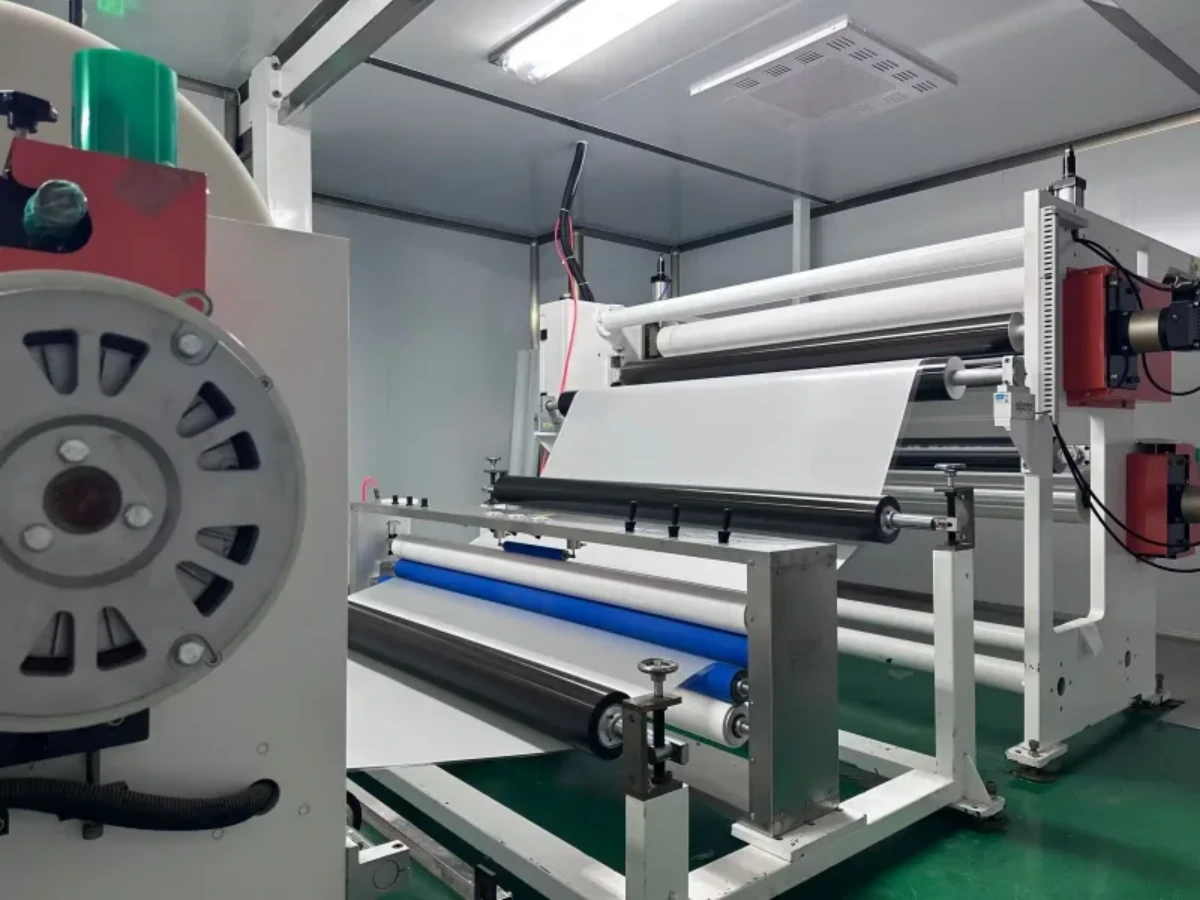
autoli TPU PPF Applied to all brand car models as ds、Volkswagen、Bugatti、Lincoln、Toyota、AstonMartin.Our factory cooperates with PPF wholesaler、Auto Spa、Auto Detailing service and all so in many countries and regions around the world,like Mexico,Belgium,Australia,SriLanka,Warranty: 10 years.Our advantages:SGS, ASTM, REACH, UL and other certifications;Large stock of styles for you to choose from;Efficient production reduces costs;Our customers are all over the world;Unlock Business Growth with Our Factory’s PPF.Our factory also provides Car PPF、Car Paint Protection Film、car film.