

PPF’s low surface energy resists dust adhesion, keeping cars cleaner longer between washes in dry, dusty regions.,Certified technician application guarantee.,Factory – Partner: Quality PPF, More Profits.
The extension of PPF’s functions:
- Before: A 10-year-old car shows extensive swirl marks and sun fade; After: PPF application hides defects and restores 90% of original gloss, making it look 5 years newer.
- Before: Rocker panels with mud and salt damage from winters; After: PPF’s corrosion-resistant layer covers rust-prone areas and blocks future salt intrusion.
- Before: Rear spoiler with cracked clear coat from sun exposure; After: UV-stable PPF covers cracks and prevents further clear coat breakdown.
- Before: Front fenders with “spider web” cracks from age; After: PPF’s flexible layer covers fine cracks and reduces stress that causes further splitting.
- Before: Rear bumper reflectors with scratched lenses; After: Clear PPF covers reflectors, hiding scratches and maintaining visibility for safety.
- Before: Door window weatherstripping with paint worn where it contacts glass; After: PPF lines contact areas, hiding wear and reducing friction damage.
- Before: Wheel arches with paint chipping from gravel; After: Thick 10mil PPF lines arches, hiding existing damage and preventing new chips during turns.
- Before: Rear bumper reflectors with paint chipping around edges; After: PPF covers reflector perimeters, hiding chips and maintaining consistent appearance.
- Before: Under-hood fuse box cover with faded plastic; After: Interior PPF covers plastic, restoring color and protecting against oil and dust damage.
The materials and technologies of PPF:
- EV-specific lightweight optimization: Reduces base material density by 15% for electric vehicles, minimizing added weight impact on battery range.
- Thickness gradient optimization design: The thickness is differentiated according to the protection requirements of different vehicle parts (e.g., thicker for the hood to resist impact and thinner for the sides for easier adhesion), balancing protection and workability.
- Conductive air release adhesive technology: The adhesive layer is designed with micro-nano air channels, which enable rapid air discharge during construction, preventing air bubbles from remaining, improving the bonding efficiency and flatness, and reducing the risk of bulging in the later stage.
- Warm water activation adhesive: Enables repositioning for up to 24 hours post-installation using only water, reducing reliance on chemicals.
- Edge-locking micro-groove design: Prevents water ingress and edge lifting through interlocking grooves, backed by 10-year edge retention warranties.
- Closed-loop recycling technology: Using degradable TPU base materials or physical recycling processes, it enables the recycling of discarded film materials, reducing environmental burden.
- Water resistance stability technology: By adding water resistance agents to the TPU base material, it inhibits the breakage of molecular chains in humid environments, extending the service life of the film material in high-humidity areas.
- Hydrographic printing integration: Allows custom patterns (e.g., carbon fiber, brushed metal) to be embedded within the film without compromising clarity.
- Track-day performance coating: Enhances heat resistance to 150°C for high-performance vehicles, preventing film delamination under extreme braking and acceleration.
- Anti-ultraviolet penetration enhancement technology: Nano-sized UV-blocking particles are added to the coating, resulting in an ultraviolet absorption rate of over 99%. This reduces the aging damage to the substrate and car paint caused by direct sunlight exposure.
How TPU Redefines PPF:
- Flexibility Breakthrough – TPU’s 500% elongation redefined PPF from rigid covers to conformable films that hug complex vehicle contours without cracking.
- Low-Cost Repairs – TPU’s patchable design redefined PPF from full-replacement products to affordably repairable systems for minor damage.
- Structural Support – TPU’s reinforcement of weak points redefined PPF from surface-only protectors to structural aids preventing paint chipping on high-impact areas.
- Installation Ease – TPU’s air-release adhesives and repositionable properties redefined PPF installation from labor-intensive to DIY-friendly with minimal bubbles.
- Brand Consistency – TPU’s uniform quality redefined PPF from variable products to consistent solutions with predictable performance across batches.
- Warranty Transferability – TPU’s documented performance redefined PPF warranties from non-transferable to resale-boosting benefits for vehicle owners.
- Edge Seal Innovation – TPU’s heat-sealable edges redefined PPF from edge-lifting prone films to long-lasting solutions with 75% reduced lifting in car washes.
- Anti-Static Properties – Carbon-infused TPU redefined PPF from dust-attracting films to static-dissipating solutions reducing dirt buildup.
- Modular Design – TPU’s compatibility with partial coverage redefined PPF from full-wrap-only options to targeted solutions for high-impact areas (hood, fenders).
Why TPU PPF:
- Low Visual Weight – Slim profiles create an open, airy feel while providing structural support.
- Low Carbon Footprint – 50% lower embodied energy than steel pergolas over their lifecycle.
- Privacy Screen Integration – Compatible with aluminum or fabric privacy panels for seclusion.
- Termite Resistance – Impervious to insect damage, unlike wooden pergolas vulnerable to termites and carpenter ants.
- Low Vibration Transfer – Stable structure minimizes shaking during storms or high winds.
The cutting-edge technology research and development of PPF:
- Bio-Based TPU – Algae-derived and waste cooking oil-based TPU reduces carbon footprint by 70% compared to petroleum-based alternatives.
- Nano-Ceramic Reinforced PPF – Zirconia and alumina nanoparticles increase PPF hardness to 9H while maintaining 85% transparency.
- Nano-Composite Barrier Films – Layered double hydroxides (LDHs) in PPF block oxygen and water vapor transmission by 99.9% for food packaging.
- Nano-Structured Anti-Graffiti Coatings – Superhydrophobic and oleophobic surfaces repel spray paint, allowing easy removal with water rinsing.
- AI-Driven Material Design – Generative adversarial networks (GANs) create novel TPU formulations with tailored mechanical and thermal properties.
- Antimicrobial Silver-Ion Coatings – SILVERSAN? technology releases silver ions to inhibit bacterial growth, reducing odor-causing microbes by 99.9%.
- Energy-Efficient Curing – Infrared curing systems reduce energy consumption by 50% compared to convection ovens, aligning with ISO 14001 sustainability standards.
- 3D-Printed Customization – Selective Absorption Fusion (SAF?) 3D printing allows complex PPF geometries with integrated channels for thermal management.
- Photocatalytic Self-Cleaning – Titanium dioxide (TiO?) coatings decompose organic contaminants under UV light, reducing manual cleaning needs by 80%.
- Dynamic Color-Changing PPF – Thermochromic liquid crystals embedded in films display temperature gradients for diagnostic applications.

The user pain points of PPF and their solutions:
- Uncertainty About Product Quality – Resolved by third-party certifications (ECOCERT, ISO 9001) and transparent material disclosure.
- Confusion About Maintenance Products – Solved by brand-specific cleaning kits and “approved products” lists to avoid topcoat damage.
- High Heat Damage (EV Batteries) – Solved by heat-resistant PPF (120°C ) with thermal conductivity for battery zone protection.
- Damage from Road Debris – Mitigated by impact-dispersing multi-layer films, reducing stone chips by 70% at highway speeds.
- Uncertainty About Lifespan – Resolved by clear warranty durations (5–15 years) and real-world durability data from field tests.
- Difficulty Matching Vehicle Contours – Addressed by 3D-scanned, vehicle-specific pre-cut patterns for complex curves (fenders, mirrors).
The production supply chain and quality control system of PPF:
- High-Temperature Stability – Oven testing at 80°C for 1,000 hours to check for adhesive failure or discoloration.
- Batch Testing Protocols – Random sampling of finished rolls (1 per 50) for full performance characterization.
- Carbon Footprint Tracking – Lifecycle analysis of supply chain emissions, with reduction targets for transportation and production.
- Impact Resistance Validation – Dart impact tests (160g at 3m) ensuring films resist punctures under standard conditions.
- Supplier Qualification – Rigorous audits of material suppliers, evaluating quality management systems and sustainability practices before approval.
- Continuous Improvement Teams – Cross-functional groups analyzing quality data to implement process enhancements.
- Predictive Maintenance – IoT sensors on production equipment forecasting part failures to prevent unplanned downtime.
- Non-Conforming Material Handling – Quarantine, segregation, and disposition processes for defective materials/finished goods.
- Additive Supply Chain – Strategic partnerships with specialty chemical firms for UV stabilizers, self-healing agents, and nano-ceramic additives.
The cost structure and price composition of PPF:
- Production Labor Costs – Skilled operators for extrusion lines contribute 12–18% of total manufacturing expenses.
- Warranty Add-Ons – Extending warranties from 5 to 10 years increases prices by 15–20% with minimal cost increase.
- Anti-Counterfeit Measures – Holographic labels and QR codes add $0.05–$0.10 per square foot to prevent piracy.
- Marketing Surcharges – Limited-edition or co-branded PPF includes 5–8% markup for brand collaborations.
- Additive Expenses – UV stabilizers and self-healing agents add $0.50–$1.20 per square foot to material costs.
- Research & Development – New formulations (e.g., anti-yellowing) add 2–4% to unit costs but enable 10–15% price premiums.
- Insurance Costs – Liability coverage for installation errors adds 2–3% to service prices.
- Regulatory Compliance – REACH/EPA certifications add $0.20–$0.40 per square foot for market access in strict regions.
- Seasonal Material Adjustments – Cold-weather formulations cost 5–10% more in winter months due to demand spikes.
- Referral Program Incentives – $50–$100 discounts for referrals reduce net prices by 3–5% but lower acquisition costs.
AUTOLI(CN) PPF(Paint Protection Film) oem factory
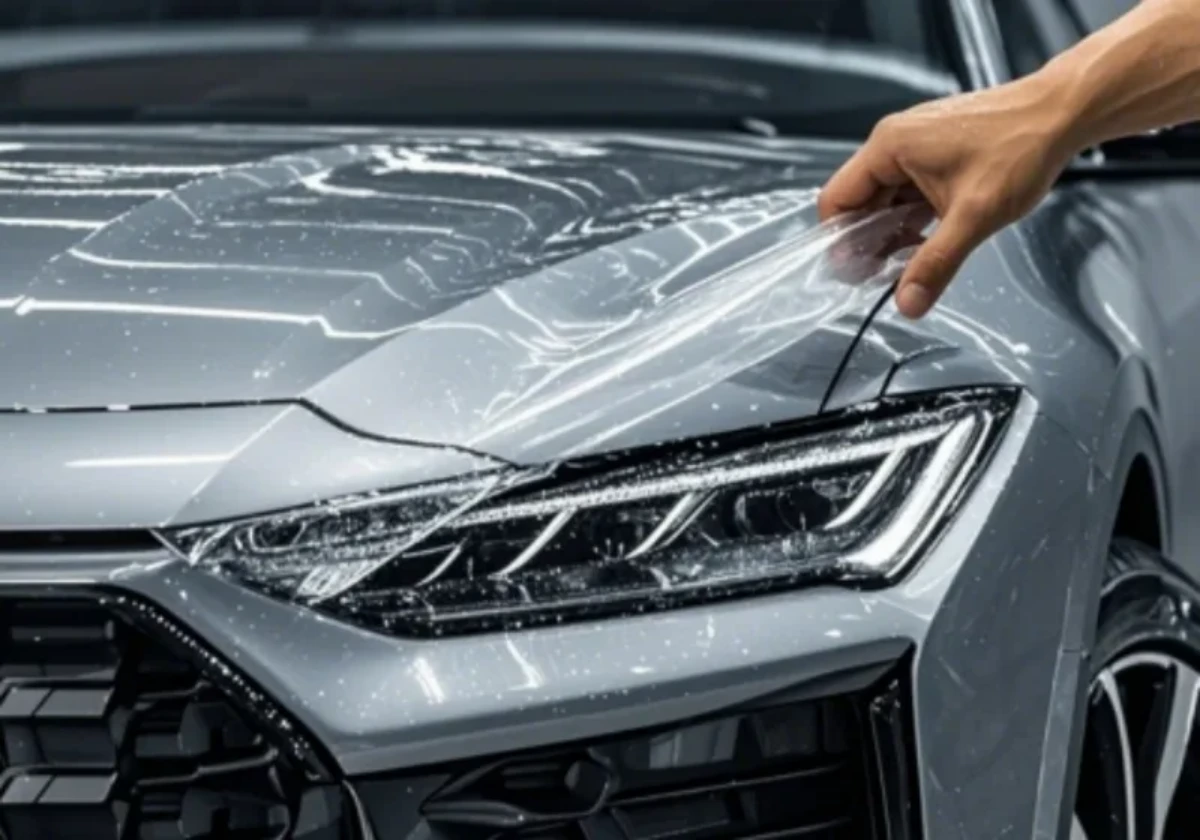
autoli TPU PPF Applied to all brand car models as Land Rover、jeep、Toyota、binli、volvo、Maserati.Our factory cooperates with Auto Repair Center、PPF agent、AutoZone and all so in many countries and regions around the world,like India,Korea,Egypt,Peru,Philippines,Warranty: 10 years.Our advantages:Perfect after-sales service;Large stock of styles for you to choose from;Our customers are all over the world;Collaborate for Lucrative Returns: Source factory.Our factory also provides vinyl Wrap、car wrapping.