

PPF’s AI-cutting tech ensures ±0.3mm precision, achieving 95% fit on curved surfaces like EVs’ sloped roofs with seamless edges.,High resale appeal with unmarked paint.,Join Forces: Factory – Supplied PPF, Driving Your Profit Engine.
The materials and technologies of PPF:
- Hydrographic printing integration: Allows custom patterns (e.g., carbon fiber, brushed metal) to be embedded within the film without compromising clarity.
- ISO 12646 Color Management Certification: Ensures color accuracy and consistency across production batches.
- Low-residue removable technology: The adhesive uses a reversible cross-linking formula. After long-term use, when removing it, there will be no residue of glue, and it will not damage the original paint and clear coat layer. This makes it convenient for later replacement or maintenance.
- Anti-glare optical optimization: Through coating micro-textures, it reduces mirror reflection glare under direct sunlight, maintaining the visual clarity of the original paint color.
- Anti-ultraviolet penetration enhancement technology: Nano-sized UV-blocking particles are added to the coating, resulting in an ultraviolet absorption rate of over 99%. This reduces the aging damage to the substrate and car paint caused by direct sunlight exposure.
- UV-stabilized adhesive: Resists yellowing and degradation under prolonged sunlight exposure, backed by 10-year adhesion warranties.
The production supply chain and quality control system of PPF:
- Material Traceability Systems – Blockchain-enabled tracking of TPU batches from resin production to finished PPF rolls.
- Root Cause Analysis – 5 Whys methodology applied to recurring defects to prevent reoccurrence.
- Sustainability Audits – Annual assessments of suppliers’ carbon footprints and waste reduction efforts for eco-friendly sourcing.
- Technology Partnerships – Collaboration with IoT firms for real-time supply chain visibility tools.
- Machine Vision Inspection – High-resolution cameras detecting micro-defects (≥20μm) in TPU films during production.
- Defect Classification System – Categorization of flaws (pinholes, bubbles, streaks) by severity to guide corrective actions.
- Abrasion Resistance – Taber abrasion tests (CS-10 wheel, 1kg load) measuring weight loss to validate durability.
- Audit Schedules – Internal audits quarterly, external audits annually to verify QMS effectiveness.
- Maintenance Parts Logistics – Localized inventory of extrusion die parts and coating rollers to minimize downtime.
The user perception and consumption misconceptions of PPF:
- Consumer Misconception: “PPF Can Be Applied in Rainy Weather” – Attempting installation in humid conditions, increasing bubble risks due to moisture trapped under film.
- Correct Perception: EV-Specific PPF Benefits – EV owners prioritize heat-resistant PPF for battery zones, reducing thermal damage risks during charging.
- Consumer Misconception: “PPF Yellowing Is Inevitable” – Fearing all PPF yellows, unaware that modern anti-yellowing formulas with HALS stabilizers last 10 years clear.
- Correct Perception: Brand Certification Matters – Buyers seek installers certified by brands like XPEL, linking training to better long-term results.
- Consumer Misconception: “Matte PPF Holds More Dirt” – Avoiding matte finishes due to perceived maintenance issues, not realizing their texture repels dust better than gloss.
- Correct Perception: Long-Term Cost Savings – 68% of users understand PPF reduces repaint costs over 5 years, aligning with data showing $2,000 savings on luxury vehicles.
- Consumer Misconception: “All PPFs Are Identical” – Many buyers assume no quality difference between $500 and $3,000 PPF, neglecting TPU vs. PVC material distinctions.
- Consumer Misconception: “All PPF Installers Are Equal” – Choosing based on price alone, ignoring differences in training, tools, and workspace quality.
- Consumer Misconception: “PPF Blocks Radar and GPS Signals” – Fearing interference with ADAS, unaware modern PPF is engineered for 99% signal transparency.
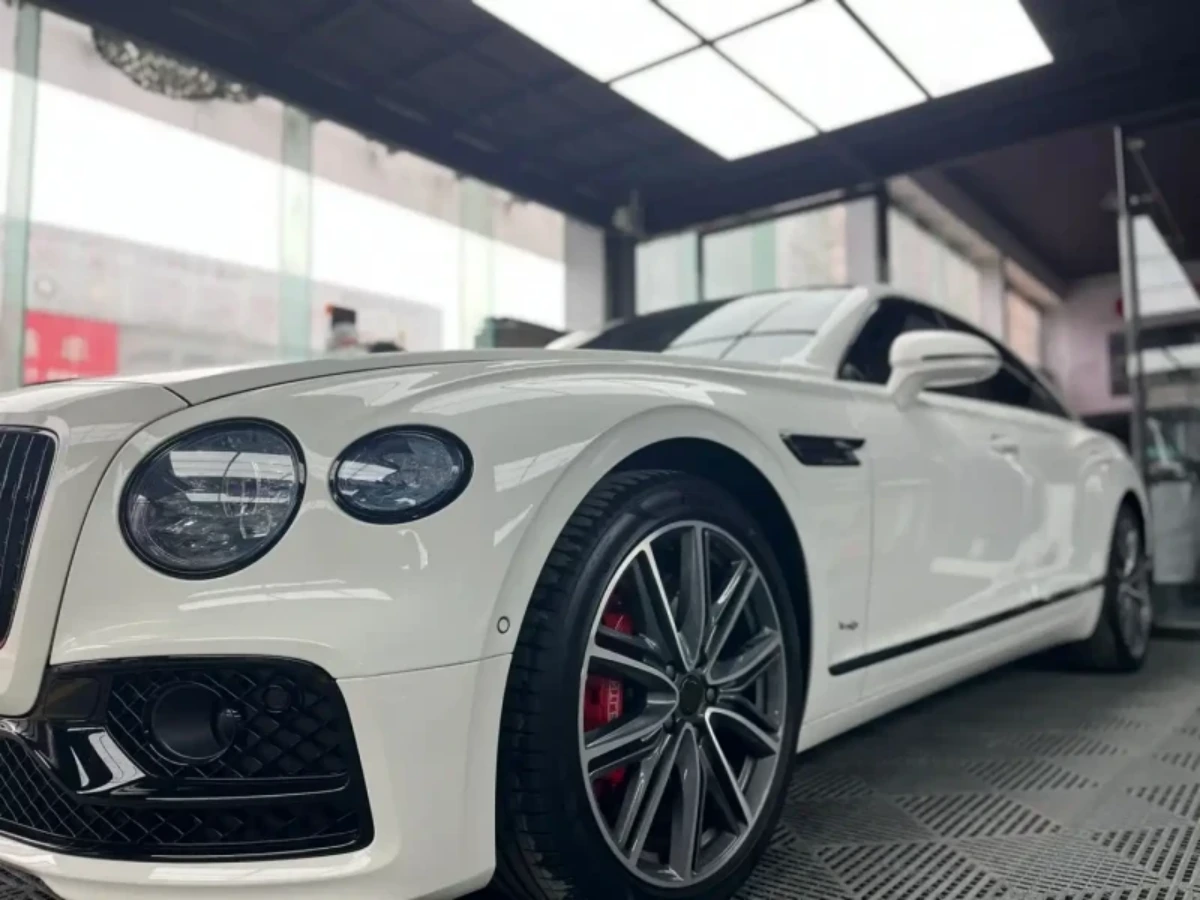
The user scenarios and value validation of PPF:
- New Car Buyers – Guards fresh factory paint on brand-new vehicles, with 98% of users avoiding “first scratch” frustration in the first 6 months.
- Custom Paint Owners – Preserves expensive matte or chameleon finishes, with PPF preventing swirl marks that would ruin $5,000 custom paint jobs.
- Off-Grid Adventurers – Shields overland vehicles from brush scratches during remote expeditions, avoiding costly field repairs in inaccessible areas.
- Mobile Library Vans – Protects children’s book transport vehicles from graffiti and bumps, maintaining community-friendly aesthetics for outreach programs.
- Custom Paint Owners – Preserves expensive matte or chameleon finishes, with PPF preventing swirl marks that would ruin $5,000 custom paint jobs.
- Off-Road Enthusiasts – Shields Jeep Wrangler and Ford Bronco fenders from trail rocks and branches, reducing paint repair costs by $800 annually.
The cost structure and price composition of PPF:
- Warranty Reserves – 2–3% of revenue is allocated to warranty claims, higher for lifetime warranty products.
- Retailer Markup Structure – Wholesalers add 20–30%, retailers add 50–70% to cover overhead and profit.
- OEM Partnership Pricing – Factory-installed PPF sold at 15–20% below aftermarket due to bulk production deals.
- Retailer Markup Structure – Wholesalers add 20–30%, retailers add 50–70% to cover overhead and profit.
- Warranty Reserves – 2–3% of revenue is allocated to warranty claims, higher for lifetime warranty products.
- R&D Recoupment – New technologies (e.g., graphene reinforcement) add 5–10% to prices for 2–3 years post-launch.
The long-term monitoring and maintenance system after the installation of PPF:
- Monthly Deep Cleaning – Using pH-neutral (6–8) PPF-specific cleaners to dissolve road grime without damaging topcoats.
- Matte Finish Texture Checks – Using profilometers quarterly to verify matte PPF retains original texture (Ra 2–5μm) without glossing.
- Color-Enhancing Cleaners for Gloss PPF – Using polymer-enhanced cleaners to boost shine without abrasives on glossy finishes.
- Eco-Friendly Cleaning Alternatives – Using vinegar-based solutions (5% dilution) for water spot removal on PPF-safe surfaces.
- Professional Detailing Partnerships – Scheduling annual professional decontamination (iron removal, tar cleanup) to preserve topcoat.
- Microfiber Cloth Protocol – Using lint-free, 300 GSM cloths for drying to avoid micro-scratches from debris in cheaper fabrics.
- Bi-Weekly Two-Bucket Washing – Using grit guards in separate wash and rinse buckets to avoid reintroducing debris to PPF.
The horizontal comparison of PPF with other protection methods:
- PPF vs. Silicone Spray – Silicone spray repels water temporarily but attracts dust, unlike PPF’s long-lasting hydrophobicity that resists dirt buildup.
- PPF vs. Clear Bra (PVC) – Modern TPU PPF offers self-healing and flexibility, outperforming rigid PVC clear bras that crack in cold weather and lack repair capabilities.
- PPF vs. Chassis Undercoating – Undercoating protects metal from rust, while PPF defends visible painted surfaces from chips, with both addressing different vehicle vulnerability areas.
- PPF vs. Teflon Coatings – Teflon coatings reduce friction but lack self-healing, unlike PPF which repairs micro-scratches and resists abrasion better in high-wear areas.
- PPF vs. Matte Paint Sealants – PPF preserves matte paint texture while adding scratch resistance, whereas matte sealants focus on maintaining finish but lack impact defense.
The cutting-edge technology research and development of PPF:
- Self-Healing Antimicrobial Films – Silver-ion-doped microcapsules combine scratch repair with 99.9% bacterial reduction for medical device applications.
- Antimicrobial Silver-Ion Coatings – SILVERSAN? technology releases silver ions to inhibit bacterial growth, reducing odor-causing microbes by 99.9%.
- Nano-Ceramic Reinforced PPF – Zirconia and alumina nanoparticles increase PPF hardness to 9H while maintaining 85% transparency.
- Nano-Bubble Enhanced Hydrophobicity – Microplasma-treated surfaces trap air nanobubbles, creating a Cassie-Baxter state for extreme water repellency.
- AI-Powered Quality Control – Machine vision systems with deep learning algorithms detect sub-micron defects in real-time, achieving 99.9% accuracy in production lines.
- Multifunctional Smart Films – Integrated humidity sensors and pH indicators in PPF provide real-time environmental monitoring for agricultural applications.
- Quantum Dot UV Protection – Quantum dot-infused films block 99.9% of UV rays while enhancing color stability, preventing yellowing over 10 years.
- Bio-Based UV Stabilizers – Plant-derived flavonoids and carotenoids replace synthetic HALS, maintaining UV resistance for 10 years.
- Biodegradable Edge Sealants – Plant-based sealants with controlled degradation rates prevent edge lifting while decomposing naturally in soil.
- Bio-Based Crosslinkers – Plant-derived citric acid and tannic acid replace toxic crosslinkers, achieving 100% biodegradability.
AUTOLI(CN) PPF(Paint Protection Film) oem manufacturer

autoli TPU PPF Applied to all brand car models as ds、Honda、Lamborghini、Cadillac.Our factory cooperates with PPF wholesale、PPF installer、PPF brand and all so in many countries and regions around the world,like Venezuela,Singapore,Thailand,New Zealand,Warranty: 10 years.Our advantages:Short production cycle, quick delivery;Our customers are all over the world;SGS, ASTM, REACH, UL and other certifications;Collaborate for Lucrative Returns: Source factory;Strict quality control system.Our factory also provides carwraps、PPF Vinyl Car Wrap.