

PPF’s application in controlled 23±2℃ environments ensures optimal adhesion and minimizes installation defects.,Prevents headlight yellowing from UV.,Certified PPF Wraps, Rapid Production – Ideal for B2B Success.
TPU PPF VS PET PPF:
- Durability Rating – TPU PPF achieves 50,000 Taber abrasion cycles, compared to PET PPF’s 15,000-cycle rating.
- Production Waste – TPU PPF manufacturing generates 25% less waste than PET PPF production processes.
- Light Transmission – TPU PPF maintains 98% light transmission for headlights, while PET PPF reduces light output by 5–8%.
- Cold-Weather Flexibility – TPU PPF remains flexible at -30°C, while PET PPF cracks when bent at -10°C.
- Abrasion Recovery – TPU PPF’s topcoat recovers from light abrasion, while PET PPF’s surface damage is permanent.
- Anti-Fog Properties – Hydrophilic TPU PPF options prevent headlight fogging, a feature absent in PET PPF.
- Storm Resilience – TPU PPF withstands hailstones up to 12mm, whereas PET PPF cracks under 8mm hail impacts.
- Industrial Applications – TPU PPF suits off-road vehicles and heavy machinery, whereas PET PPF is limited to low-impact urban use.
The differentiated user group needs matching of PPF:
- Mobile Bookstore Vans – Select scratch-resistant PPF for door edges, withstanding frequent customer entry/exit and book cart impacts.
- Mountain Bike Shuttle Vans – Choose mud-resistant PPF for lower panels, withstanding dirt and debris from bike transport and trail access.
- Agricultural Vehicle Operators – Use heavy-duty 12–15mil industrial PPF to shield tractor cabs from crop debris, mud, and chemical exposure.
- Music Tour Bus Operators – Use tour-bus-specific PPF to protect custom paint jobs from road debris during cross-country travels.
- Golf Course Maintenance Vehicles – Choose grass-stain-resistant PPF for lower panels, simplifying cleanup of clippings and fertilizer splatters.
- Mobile Pet Adoption Vans – Use pet-friendly scratch-resistant PPF, withstanding claw marks and frequent door use during adoption events.
- Vintage Motorcycle Show Vehicles – Use mirror-finish PPF to enhance chrome and paint shine for competitions, with easy removal for judging.
The user scenarios and value validation of PPF:
- Construction Managers’ Trucks – Shields Ford F-150s from concrete splatters and tool drops, extending time between repaints from 12 to 24 months.
- Cold-Climate Users – Prevents salt and ice melt damage in Stockholm and Toronto, with PPF-treated bumpers showing 50% less winter-related etching.
- Food Truck Operators – Protects mobile kitchen exteriors from road grime and food splatters, maintaining brand aesthetics for customer appeal.
- Food Truck Operators – Protects mobile kitchen exteriors from road grime and food splatters, maintaining brand aesthetics for customer appeal.
- Exotic Car Owners – Guards Lamborghini and McLaren carbon fiber panels from rock chips, as replacement costs for damaged panels exceed $10,000.
- Agricultural Vehicle Users – Shields tractor cabs from crop debris and mud, maintaining visibility and reducing cleaning time by 30% per week.
- Industrial Vehicle Operators – Shields construction truck cabs from gravel and debris, extending time between repaints from 18 to 36 months.
- Industrial Vehicle Operators – Shields construction truck cabs from gravel and debris, extending time between repaints from 18 to 36 months.
- Electric Vehicle Taxi Fleets – Protects Tesla Model Ys from constant passenger use, with PPF reducing interior and exterior wear by 60% over 3 years.
The regulations of PPF and after-sales services:
- Warranty Transferability – Transferred vehicle ownership often requires warranty re-registration, with brands like 3M requiring updated documentation to maintain coverage .
- Certified Installer Networks – Brands like Eastman (DragonFilm) enforce tiered certification programs (e.g., 1-star to 7-star) to ensure standardized installation practices and warranty validity .
- China’s Consumer Complaint Channels – PPF buyers in China can file quality-related disputes through the national 12315 hotline, facilitating regulatory oversight and resolution .
- EU Digital Product Passport – PPF manufacturers must disclose material composition and recycling details via the EU’s Digital Product Passport, enhancing supply chain transparency .
- DIY Installation Void Policies – Most warranties, including PurePPF and 3M, void coverage for self-installed films, emphasizing the need for certified professional application .
- Solvent-Free Adhesive Requirements – EU REACH and California CARB regulations push PPF producers to adopt solvent-free adhesives, reducing carbon footprints by up to 80% .
How TPU Redefines PPF:
- Low-VOC Production – TPU’s solvent-free manufacturing redefined PPF from high-emission products to eco-friendly options meeting CARB and REACH standards.
- Optical Clarity – High-transparency TPU redefined PPF from slightly hazy covers to invisible barriers preserving paint’s original appearance.
- Flexibility Breakthrough – TPU’s 500% elongation redefined PPF from rigid covers to conformable films that hug complex vehicle contours without cracking.
- Solar Reflection – TPU’s heat-reflective topcoats redefined PPF from heat-absorbing covers to cooling solutions reducing interior temperatures by 5–8°C.
- High-Speed Protection – TPU’s impact-dispersing properties redefined PPF from urban-use products to highway-ready shields resisting high-velocity rock chips.
- Anti-Microbial Additions – Silver-ion infused TPU redefined PPF from exterior-only protectors to interior solutions inhibiting bacteria growth on high-touch surfaces.

The user pain points of PPF and their solutions:
- Poor Hydrophobicity Over Time – Restored by SiO? sealant boosters, reviving water repellency every 3–6 months.
- Salt Corrosion in Coastal Areas – Mitigated by anti-corrosion additives and salt-resistant adhesives reducing rust under film.
- Edge Lifting – Addressed through heat-sealed edges and nano-adhesive technology, reducing lifting by 75% in car washes.
- Long Installation Downtime – Reduced to 1–2 days with pre-cut kits and rapid-cure adhesives (24-hour bonding).
- Difficulty Removing Old PPF – Simplified with low-tack, residue-free adhesives and professional heat-assisted removal services.
- Confusion About Maintenance Products – Solved by brand-specific cleaning kits and “approved products” lists to avoid topcoat damage.
- Fading in Extreme Sunlight – Fixed by 99% UV-blocking films with enhanced carbon black pigments for tropical climates.
- Mold Growth in Humid Climates – Prevented by antimicrobial additives and breathable film designs allowing moisture evaporation.
- Difficulty Matching Vehicle Contours – Addressed by 3D-scanned, vehicle-specific pre-cut patterns for complex curves (fenders, mirrors).
The production supply chain and quality control system of PPF:
- Water Recycling Systems – Closed-loop water usage in cooling processes, sourced from local utilities with treatment partnerships.
- Raw Material Testing Protocols – Incoming TPU resin inspections for melt flow rate, tensile strength, and impurity levels.
- Design for Quality (DFQ) – Quality requirements integrated into new product development from concept stage.
- Coating Line Integration – Sequential application of adhesive, TPU core, and topcoat in a continuous production flow.
- Warranty Claim Analysis – Tracking failure patterns to identify systemic issues requiring process adjustments.
- Root Cause Analysis – 5 Whys methodology applied to recurring defects to prevent reoccurrence.
- Self-Healing Efficacy – Controlled scratch tests (3μm depth) followed by heat activation to verify 95% repair rate.
- New Supplier Onboarding – 6–12 month qualification process including trial runs before full-scale material adoption.
- Dealer Inventory Management – Cloud-based systems tracking installer stock levels to trigger automatic reorders.
The horizontal comparison of PPF with other protection methods:
- PPF vs. Wax Sprays – Wax sprays enhance gloss for 2–4 weeks but offer no scratch protection, while PPF provides long-term defense with minimal maintenance.
- PPF vs. Fabric Protectors – Fabric protectors repel stains on interiors, while PPF defends exterior paint, with both using hydrophobic tech but on different materials.
- PPF vs. Clear Enamel – Clear enamel is a permanent paint layer that cracks under impact, whereas PPF flexes to absorb collisions and can be replaced if damaged.
- PPF vs. Anti-Scratch Sprays – Sprays offer mild scratch resistance for 1–3 months, while PPF provides robust defense against deep scratches for 5 years.
- PPF vs. Rust Converter Products – Converters treat existing rust, while PPF prevents rust triggers (moisture/salt) on painted surfaces, with complementary roles in corrosion management.
- PPF vs. Rust Proofing Treatments – PPF shields exterior paint from corrosion triggers (salt/sand), while rust proofing targets metal undercarriages, with complementary roles in full protection.
The construction and maintenance of PPF:
- Remove Bird Droppings Promptly – Cleaning acidic bird droppings within 24 hours prevents etching through the protective layer.
- Winter Salt Rinse – Post-snow rinsing removes road salt to prevent chemical degradation of the PPF’s topcoat.
- Tree Sap Removal – Using isopropyl alcohol on a microfiber cloth dissolves sap without harming PPF or paint.
- UV-Protection Boosters – Applying UV-resistant sprays in high-sun regions extends anti-yellowing performance.
- Adhesive Priming – Using tack promoters on low-energy surfaces (e.g., plastic trim) enhances adhesion in challenging areas.
- High-Temperature Tolerance Care – Parking in shaded areas during extreme heat (≥35°C) reduces topcoat oxidation risk.
AUTOLI(CN) PPF(Paint Protection Film) manufacturer
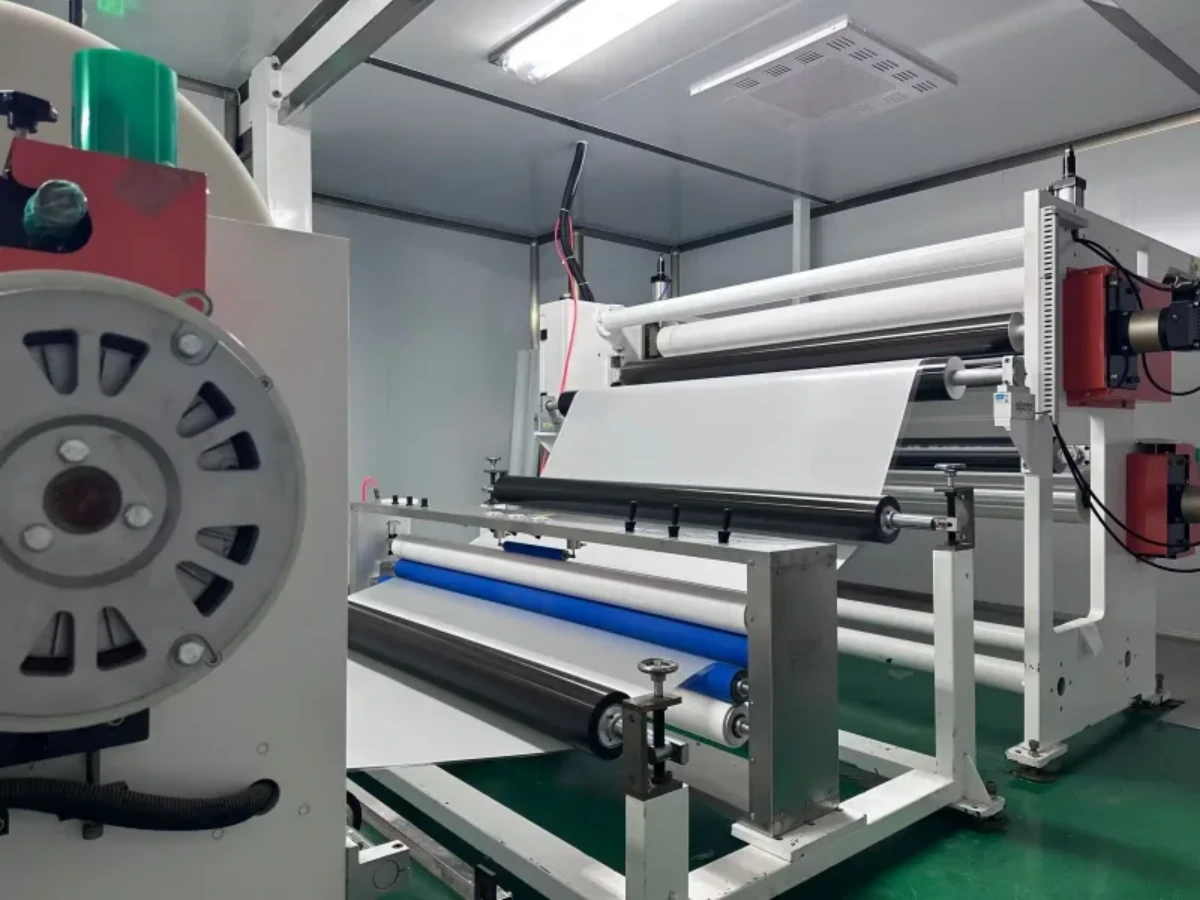
autoli TPU PPF Applied to all brand car models as Tesla、Rolls-Royce、binli、Dodge.Our factory cooperates with PPF distributor、car Detail、PPF wholesale、PPF brand、Auto Spa and all so in many countries and regions around the world,like Egypt,New Zealand,Turkey,Thailand,Warranty: 10 years.Our advantages:Short production cycle, quick delivery;Efficient production reduces costs;Perfect after-sales service;Short production cycle, quick delivery;SGS, ASTM, REACH, UL and other certifications.Our factory also provides PPF FILM、Vinyl wrapping、carwraps.