

PPF withstands -40℃ to 80℃ temps, maintaining flexibility to avoid cracking in cold or warping in extreme heat.,Resists coastal salt spray corrosion.,Our Factory’s PPF: Propelling Your Business to Higher Profit Plateaus.
The user pain points of PPF and their solutions:
- Difficulty Matching Vehicle Contours – Addressed by 3D-scanned, vehicle-specific pre-cut patterns for complex curves (fenders, mirrors).
- Matte Paint Distortion – Solved by matte-specific PPF (20–30% gloss) designed to preserve texture without shine spots.
- High Heat Damage (EV Batteries) – Solved by heat-resistant PPF (120°C ) with thermal conductivity for battery zone protection.
- Incompatibility with Custom Paint – Addressed by color-stable PPF formulated for matte, chameleon, and metallic finishes.
- Damage from Road Debris – Mitigated by impact-dispersing multi-layer films, reducing stone chips by 70% at highway speeds.
- Yellowing Over Time – Solved by anti-yellowing formulations with HALS stabilizers and UV absorbers, maintaining clarity for 10 years.
- High Installation Costs – Mitigated by tiered pricing (DIY kits vs. premium pro installs) and financing options for budget flexibility.
- Yellowing Over Time – Solved by anti-yellowing formulations with HALS stabilizers and UV absorbers, maintaining clarity for 10 years.
- Poor Hydrophobicity Over Time – Restored by SiO? sealant boosters, reviving water repellency every 3–6 months.
- DIY Installation Failures – Resolved with pre-cut laser patterns, air-release adhesives, and step-by-step video tutorials.
Before & After: How PPF Transforms a 10-Year-Old Car:
- Before: Wheel well liners with paint transfer from tires; After: PPF lines liners, hiding transfer and preventing rubber from damaging paint further.
- Before: Front license plate frame with rust staining; After: PPF covers frame edges, hiding stains and preventing rust from spreading to bumper paint.
- Before: Headlights cloudy from UV damage, reducing visibility; After: PPF’s clear film covers haze and blocks UV, restoring 80% of original light output.
- Before: Tailgate handle with paint worn from repeated use; After: PPF wraps the handle, covering wear patterns and maintaining grip without damage.
- Before: Roof rails with scratched paint from roof rack use; After: PPF covers rail surfaces, hiding scratches and reducing friction from rack installation.
- Before: Side mirror adjustment controls (exterior) with paint wear; After: PPF covers controls, hiding wear and reducing friction during adjustments.
- Before: Wheel arches with paint chipping from gravel; After: Thick 10mil PPF lines arches, hiding existing damage and preventing new chips during turns.
The construction and maintenance of PPF:
- Storage Protection – Covering vehicles with breathable car covers in storage prevents dust buildup and UV overexposure.
- Deionized Water for Washing – Mineral-free water reduces water spot residue on PPF surfaces after drying.
- Post-Heat Curing – A final pass with a heat gun (80–100°C) on edges accelerates adhesive curing for immediate durability.
- Heat Activation for Adhesion – A heat gun (60–80°C) activates adhesives along edges and curves to secure long-term bonding.
- Bubble Removal – Puncturing large bubbles with a needle and re-squeegeeing ensures a flawless finish during installation.
The regulations of PPF and after-sales services:
- WEEE Directive Compliance – End-of-life PPF must be recycled in accordance with the EU’s WEEE directive, promoting circular economy practices for electronic and automotive waste .
- EU Digital Product Passport – PPF manufacturers must disclose material composition and recycling details via the EU’s Digital Product Passport, enhancing supply chain transparency .
- Lifetime Warranty Programs – Premium PPF brands like 3M offer 7-year warranties on Pro Series films, covering defects like delamination and yellowing, while excluding wear and tear or improper installation .
- Australia’s UV Protection Standards – PPFs sold in Australia/NZ must comply with AS/NZS 4399 for UV protection, requiring UPF ratings ≥15 and transparency in labeling .
- Japan’s Window Tinting Restrictions – Japanese regulations ban PPF installation on front driver/passenger windows and mandate partial windshield film transparency to ensure unobstructed visibility .
- IoT-Enabled Performance Monitoring – Emerging PPFs with embedded sensors monitor UV exposure and damage levels, providing real-time data for predictive maintenance and warranty claims .
- Heat-Activated Self-Healing Warranties – Brands guarantee self-healing performance (e.g., 98% micro-scratch repair within 8 minutes at 45°C) under warranty, reflecting confidence in material durability .
- California CARB VOC Limits – PPF adhesives sold in California must comply with CARB’s strict VOC regulations, reducing harmful emissions during installation to align with regional air quality standards .
- Solvent-Free Adhesive Requirements – EU REACH and California CARB regulations push PPF producers to adopt solvent-free adhesives, reducing carbon footprints by up to 80% .
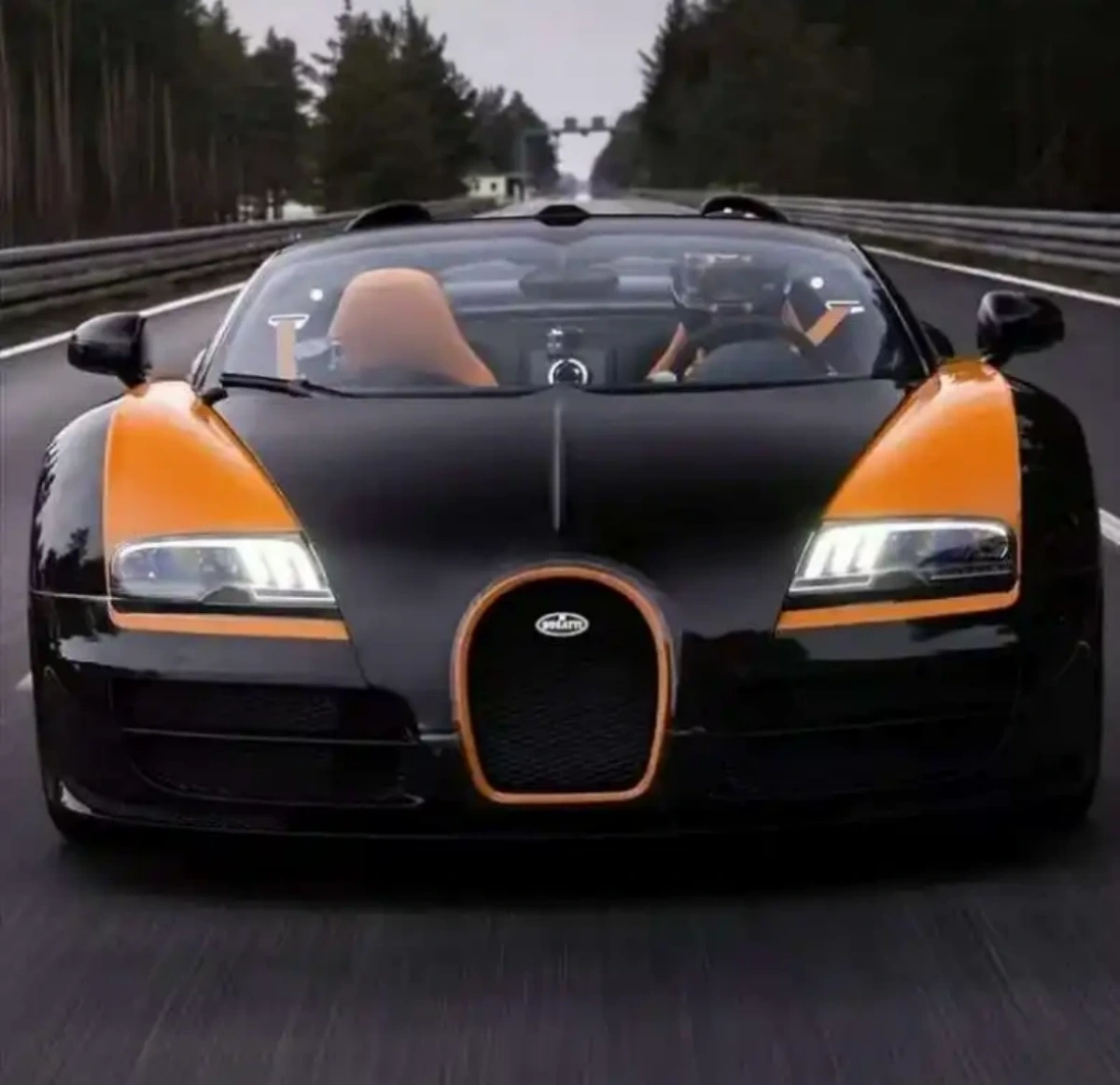
The production supply chain and quality control system of PPF:
- Document Control System – Version-controlled procedures, work instructions, and test methods accessible to all staff.
- Distribution Network Optimization – Regional hubs in NA, EU, and APAC reducing delivery times to installers by 30–40%.
- Strategic Stockpiles – 3–6 month reserves of critical materials during high-demand periods or supply chain disruptions.
- Supplier Scorecards – Quarterly evaluation of suppliers on quality, delivery, cost, and sustainability metrics.
- Global Raw Material Network – Multi-region sourcing of TPU to mitigate supply risks from geopolitical or logistical disruptions.
- Machine Vision Inspection – High-resolution cameras detecting micro-defects (≥20μm) in TPU films during production.
- Statistical Process Control (SPC) – Real-time monitoring of extrusion parameters with control charts to maintain CpK ≥ 1.33.
- UV Resistance Testing – Accelerated weathering (QUV testing) for 1,000 hours to validate anti-yellowing performance.
- Cost Optimization – Annual renegotiation of supplier contracts with volume-based discounts for raw materials.
- Calibration Schedules – Regular verification of testing equipment (gages, spectrometers) to ensure measurement accuracy.
Say Goodbye to Car Scratches: Self-Healing PPF Revealed!:
- Jewelry scratches on door handles (from watches, bracelets) heal, preserving appearance in high-touch areas.
- Pet transport vehicles get cargo area scratch repair, where animal movement can cause minor damage.
- Wet conditions don’t delay healing—self-healing PPF repairs scratches even when exposed to rain or humidity.
- Off-road enthusiasts enjoy scratch repair from trail debris, maintaining vehicle appearance without limiting adventure.
- TPU’s molecular structure “remembers” its original form, reforming even after repeated minor damage over time.
- Self-healing properties remain effective across the entire film, from large panels like hoods to detailed areas like door handles and mirrors.
- Existing minor scratches fade over time with repeated thermal exposure, making self-healing PPF a retroactive solution for pre-installation damage.
- Newer self-healing formulations repair deeper scratches (up to 5μm), expanding their damage-reversal capabilities.
- Winter scratches from road salt or sand heal once temperatures rise, preventing permanent damage in cold climates.
The extension of PPF’s functions:
- Before: Chrome trims tarnished and pitted from weathering; After: PPF’s protective layer covers corrosion and maintains shine, restoring reflective quality.
- Before: Front grille with chipped paint on edges; After: PPF’s impact-absorbing layer covers chips and shields vulnerable grille edges from debris.
- Before: Door window weatherstripping with paint worn where it contacts glass; After: PPF lines contact areas, hiding wear and reducing friction damage.
- Before: Front license plate frame with rust staining; After: PPF covers frame edges, hiding stains and preventing rust from spreading to bumper paint.
- Before: Windshield washer nozzles with paint chipping around them; After: PPF covers nozzle edges, hiding chips and preventing debris from damaging surrounding area.
- Before: Headlight washer nozzles with paint chipping around edges; After: PPF covers nozzle perimeters, hiding chips and preventing debris damage.
- Before: Door edges with countless scratch marks from parking mishaps; After: PPF’s self-healing layer covers scratches and resists new ones, creating crisp, unmarked edges.
- Before: Sunroof surround with cracked paint from thermal expansion; After: Flexible PPF accommodates temperature changes, covering cracks and preventing new ones.
- Before: Side mirror housing gaskets with paint peeling at edges; After: PPF wraps gasket edges, hiding peeling and preventing water from getting under paint.
The differentiated user group needs matching of PPF:
- Snowmobile/ATV Riders – Need cold-flexible PPF (-30°C tolerance) to resist cracking from ice, snow, and trail debris during winter adventures.
- Mobile Pet Grooming Vans – Select water-resistant PPF for exteriors, simplifying cleanup of pet hair, water, and grooming product splatters.
- Vintage Scooter Collectors – Use ultra-thin 5mil PPF to conform to curved fenders and fuel tanks, preserving retro paint jobs from scratches.
- Mobile Library Vans – Prefer child-friendly scratch-resistant PPF, withstanding frequent door slams and book cart impacts during outreach.
- Eco-Conscious Users – Select bio-based, biodegradable PPF made from plant-derived TPU to align with sustainability goals and reduce environmental impact.
- Historic Preservation Vehicles – Use reversible PPF that protects antique paint while allowing documentation of original surfaces for restoration records.
The materials and technologies of PPF:
- Salt spray resistance anti-corrosion technology: By adding marine-grade anti-corrosion additives, it undergoes 5,000 hours of salt spray tests without rusting, resisting the erosion of the membrane material by the high-salt environment in coastal areas, and extending the protection lifespan of vehicles near the sea.
- Rapid curing adhesive technology: Enables full adhesive strength development within 24 hours (vs. 48-72 hours for conventional adhesives), shortening post-installation care time.
- Fire-resistant coating: Passes UL94 V-0 certification with flame spread rate <10mm/min, meeting automotive safety standards.
- Scratch repair efficiency optimization technology: By adjusting the crosslinking density of TPU molecules and the coating activity, the self-repair speed of scratches under low-temperature conditions is enhanced, and the repair response time is shortened.
- AI-powered installation assistant: Uses augmented reality (AR) glasses to guide installers through precise alignment, reducing labor time by 30%.
- Hydrographic printing integration: Allows custom patterns (e.g., carbon fiber, brushed metal) to be embedded within the film without compromising clarity.
AUTOLI(CN) PPF(Paint Protection Film) oem factory
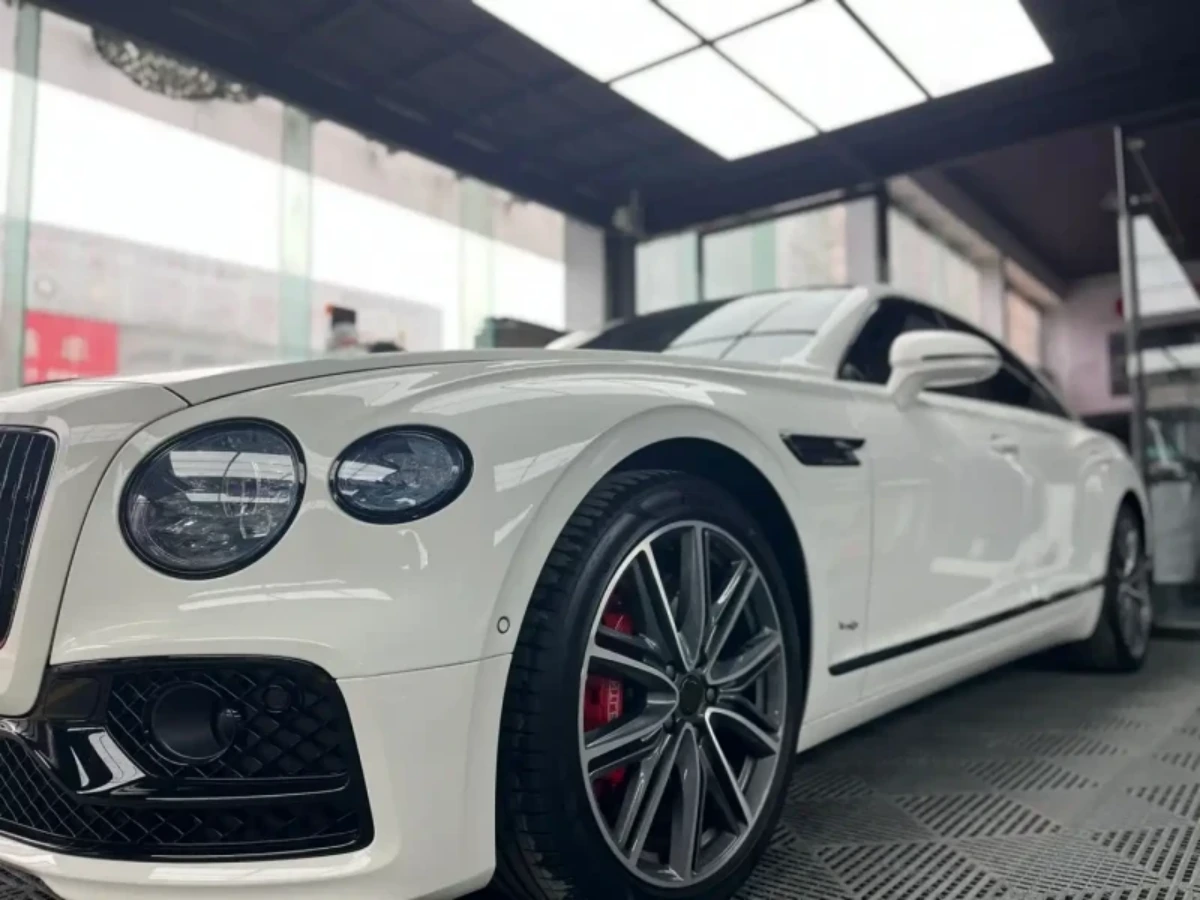
autoli TPU PPF Applied to all brand car models as Maserati、Lincoln、Mazda、Chevrolet.Our factory cooperates with PPF wholesaler、ppf installation、Auto Detailing、PPF installer、Auto Repair Center and all so in many countries and regions around the world,like Romania,Macedonia,France,Malaysia,Greece,Warranty: 10 years.Our advantages:High quality raw materials and advanced technology;SGS, ASTM, REACH, UL and other certifications;Collaborate for Lucrative Returns: Source factory;Your Key to Profitable PPF Ventures;Raw material purchasing advantage.Our factory also provides Window tint、car wrapping、Window Film、PPF FILM.