

PPF’s edge sealing technology prevents water ingress, a common cause of film lifting on poorly installed products.,Resists gasoline spills on paint surfaces.,Seize the Opportunity: Factory – Made PPF, Propel Your Profits to New Heights.
The long-term monitoring and maintenance system after the installation of PPF:
- LED Light Panel Inspections – Using 6000K LED panels to highlight swirl marks and micro-scratches during monthly checks.
- Avoid Circular Wiping Motions – Using straight, back-and-forth strokes to minimize swirl marks during cleaning.
- Seasonal Salt Rinse Schedules – Weekly undercarriage and lower panel rinses in winter to remove road salt that degrades adhesives.
- Post-Repair Cure Monitoring – Allowing 48-hour curing after bubble removal or edge re-sealing before washing.
- Cross-Seasonal Adjustments – Increasing cleaning frequency by 50% in rainy seasons; reducing in dry, dusty climates to minimize friction.
- Quarterly Tar and Sap Removal – Using citrus-based solvents to dissolve road tar and tree sap without damaging adhesives.
- Interior PPF UV Protection – Using window tints with 99% UV blockage to reduce dashboard film fading in sunny climates.
The materials and technologies of PPF:
- Edge sealing reinforcement technology: Using a micro-groove lock-edge process and special sealing glue, water and dust can be prevented from seeping into the edge of the film, avoiding problems such as warping and bubbles.
- Anti-chemical corrosion technology: Incorporating acid and alkali resistant components to resist erosion from substances like acid rain, bird droppings, and tree sap, protecting the vehicle paint from chemical damage.
- Anti-microbial coating infusion: Incorporates silver-ion nanoparticles to inhibit 99% of bacteria and mold growth on film surfaces in humid climates.
- Closed-loop recycling technology: Using degradable TPU base materials or physical recycling processes, it enables the recycling of discarded film materials, reducing environmental burden.
- Thermal conductivity regulation: Optimizes heat transfer through the film to prevent paint overheating in direct sunlight, reducing thermal stress on clear coats.
- Conductive air release adhesive technology: The adhesive layer is designed with micro-nano air channels, which enable rapid air discharge during construction, preventing air bubbles from remaining, improving the bonding efficiency and flatness, and reducing the risk of bulging in the later stage.
- High-definition optical coating: Utilizing a multi-layer optical-grade coating process, the light transmittance of the coating surface remains above 95%, preventing the vehicle paint from experiencing a “grayish” visual deterioration after applying the coating.
- Precision cutting technology: Relying on digital pattern data, it enables precise, non-destructive cutting for different vehicle surfaces, reducing membrane stretching damage during installation.
- Solvent-free adhesive process: The adhesive uses a 100% solvent-free pressure-sensitive adhesive formula, eliminating the risk of solvent evaporation residue and enhancing the environmental friendliness and long-term adhesion stability of the construction.
The horizontal comparison of PPF with other protection methods:
- PPF vs. Vinyl Protectants – Vinyl protectants prevent cracking in vinyl wraps but don’t shield against impacts, unlike PPF which adds scratch resistance to wrapped surfaces.
- PPF vs. Vinyl Wraps – PPF prioritizes paint protection with self-healing properties, while vinyl wraps focus on aesthetic customization, with PPF being more durable against abrasion.
- PPF vs. Bug Remover Coatings – Bug coatings make cleanup easier, while PPF resists insect acid etching, with PPF offering proactive protection vs. reactive cleaning aid.
- PPF vs. Clear Bra (Old-Generation) – Modern PPF offers self-healing and flexibility, outperforming rigid old-gen clear bras that crack in cold weather and lack repair abilities.
- PPF vs. Glass Coatings – Glass coatings excel on windows for clarity but don’t protect paint, whereas PPF is engineered specifically for automotive painted surfaces.
- PPF vs. Anti-Corrosion Sprays – Sprays inhibit rust on bare metal but don’t protect paint, whereas PPF blocks corrosion triggers (salt, moisture) from reaching painted surfaces.
The protective performance of PPF:
- Microbial Inhibition Compliance – Meets industry standards for reducing bacteria and germs on touchscreen surfaces.
- Key Fob Scratch Resistance – Guards door handles and trims against scratches from keys or accessories during daily use.
- Motorcycle-Specific Abrasion Resistance – Durable films for motorcycles protect against chain slap, road debris, and frequent washings without yellowing.
- Carbon Fiber & Piano Black Protection – Shields high-wear interior surfaces like carbon fiber and glossy trims from scratches.
- Extreme Temperature Stability – Maintains flexibility and performance in temperatures ranging from -40°C to 120°C.
- Impact Resistance Rating Certification – Meets ASTM D3363 standards for abrasion resistance, ensuring real-world durability.
Say Goodbye to Car Scratches: Self-Healing PPF Revealed!:
- Professional detailers confirm self-healing PPF cuts correction time by 50%, as fewer scratches require manual polishing.
- Bike rack or cargo carrier scratches on SUVs heal, preserving paint on vehicles used for outdoor activities.
- Winter ice scraper scratches heal once temperatures rise, preserving paint through cold-weather maintenance.
- Jewelry scratches on door handles (from watches, bracelets) heal, preserving appearance in high-touch areas.
- Self-healing repair is chemical-free, using only heat to trigger natural molecular reformation in the TPU film.
- Valet or parking attendant scratches heal, reducing stress about professional handling of your vehicle.
- Low-speed parking lot collisions leave minimal visible damage, as self-healing PPF repairs surface scratches from impacts.
- Luxury car owners appreciate invisible repairs that maintain prestige, avoiding visible touch-ups on high-end finishes.
- Modern self-healing PPF reduces “micro-marring” that dulls paint over time, keeping finishes brighter longer.
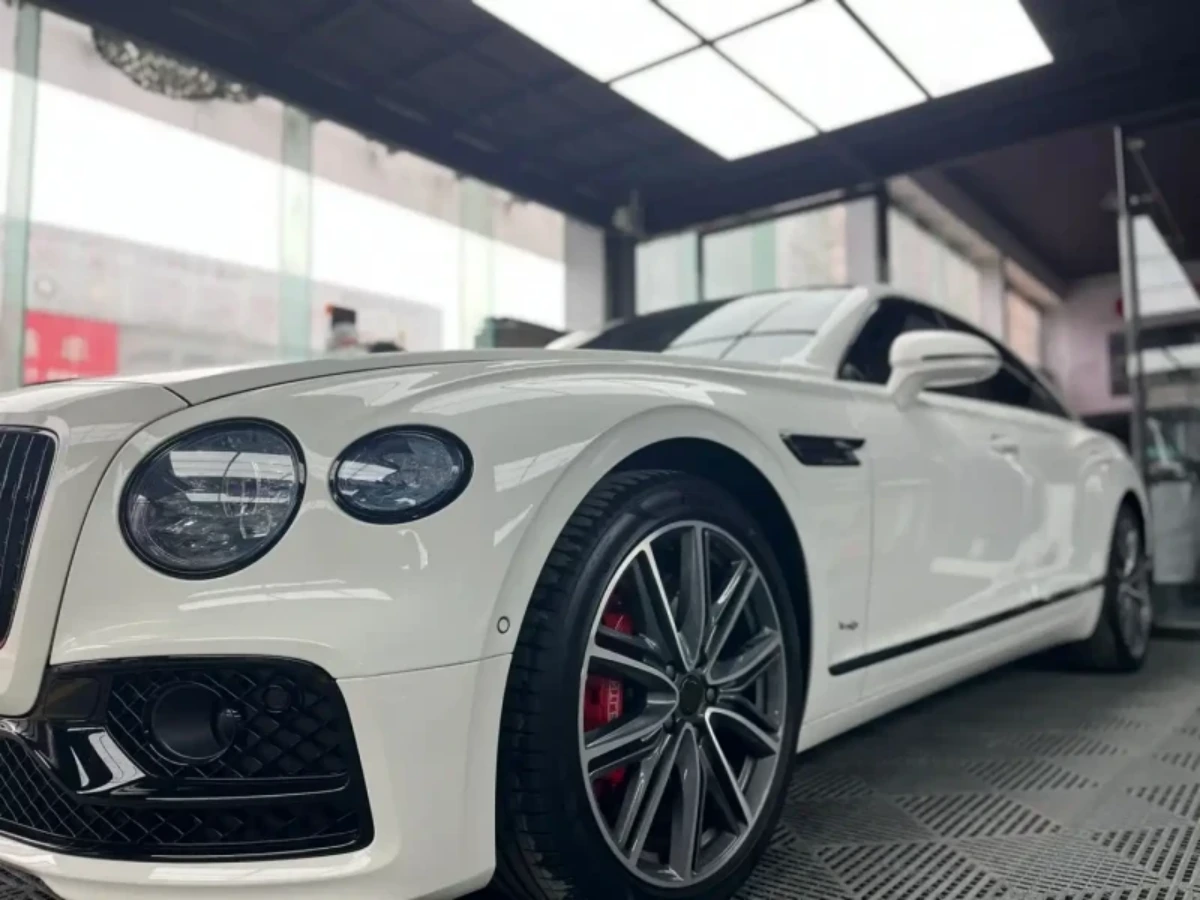
How TPU Redefines PPF:
- Low-Cost Repairs – TPU’s patchable design redefined PPF from full-replacement products to affordably repairable systems for minor damage.
- High-Pressure Wash Safe – TPU’s strong adhesion redefined PPF from hand-wash-only films to pressure washer-compatible protectors simplifying cleaning.
- Radar Compatibility – Non-metallic TPU formulations redefined PPF from ADAS-interfering products to sensor-safe films preserving 99.9% signal transmission.
- Anti-Static Properties – Carbon-infused TPU redefined PPF from dust-attracting films to static-dissipating solutions reducing dirt buildup.
- Low Thermal Expansion – TPU’s stable dimensions redefined PPF from warping-prone films to temperature-stable protectors avoiding edge lifting in heat.
- Modular Design – TPU’s compatibility with partial coverage redefined PPF from full-wrap-only options to targeted solutions for high-impact areas (hood, fenders).
- Thin Yet Tough – High-strength TPU allowed 6–8mil films to match 10–12mil PVC protection, redefining PPF as lightweight yet durable.
- Optical Clarity – High-transparency TPU redefined PPF from slightly hazy covers to invisible barriers preserving paint’s original appearance.
- Impact Absorption – TPU’s energy-dispersing structure redefined PPF from scratch-only protection to rock chip-resistant barriers reducing paint damage by 75%.
The regulations of PPF and after-sales services:
- DIY Installation Void Policies – Most warranties, including PurePPF and 3M, void coverage for self-installed films, emphasizing the need for certified professional application .
- China’s Consumer Complaint Channels – PPF buyers in China can file quality-related disputes through the national 12315 hotline, facilitating regulatory oversight and resolution .
- Nano-Coating Warranty Bundles – Hybrid solutions combining PPF with ceramic coatings (e.g., Onyx PPF Nano Coat) offer extended warranties covering both layers .
- Warranty Transferability – Transferred vehicle ownership often requires warranty re-registration, with brands like 3M requiring updated documentation to maintain coverage .
- California CARB VOC Limits – PPF adhesives sold in California must comply with CARB’s strict VOC regulations, reducing harmful emissions during installation to align with regional air quality standards .
- Solvent-Free Adhesive Requirements – EU REACH and California CARB regulations push PPF producers to adopt solvent-free adhesives, reducing carbon footprints by up to 80% .
The cutting-edge technology research and development of PPF:
- High-Aspect-Ratio Nanofibers – Electrospun TPU nanofibers with 100:1 aspect ratio enhance puncture resistance by 400% in industrial applications.
- Bio-Based Adhesives – Plant-derived lignin and starch-based adhesives replace petroleum-based alternatives, achieving 100% biodegradability.
- Shape Memory Adhesives – Adhesives with thermally activated shape recovery allow repositioning during installation without residue.
- Bio-Based TPU – Algae-derived and waste cooking oil-based TPU reduces carbon footprint by 70% compared to petroleum-based alternatives.
- Nano-Textured Anti-Icing Surfaces – Laser-induced nanostructures reduce ice adhesion strength by 80%, preventing snow accumulation on vehicles.
- Nano-Ceramic Reinforced PPF – Zirconia and alumina nanoparticles increase PPF hardness to 9H while maintaining 85% transparency.
AUTOLI(CN) PPF(Paint Protection Film) factory
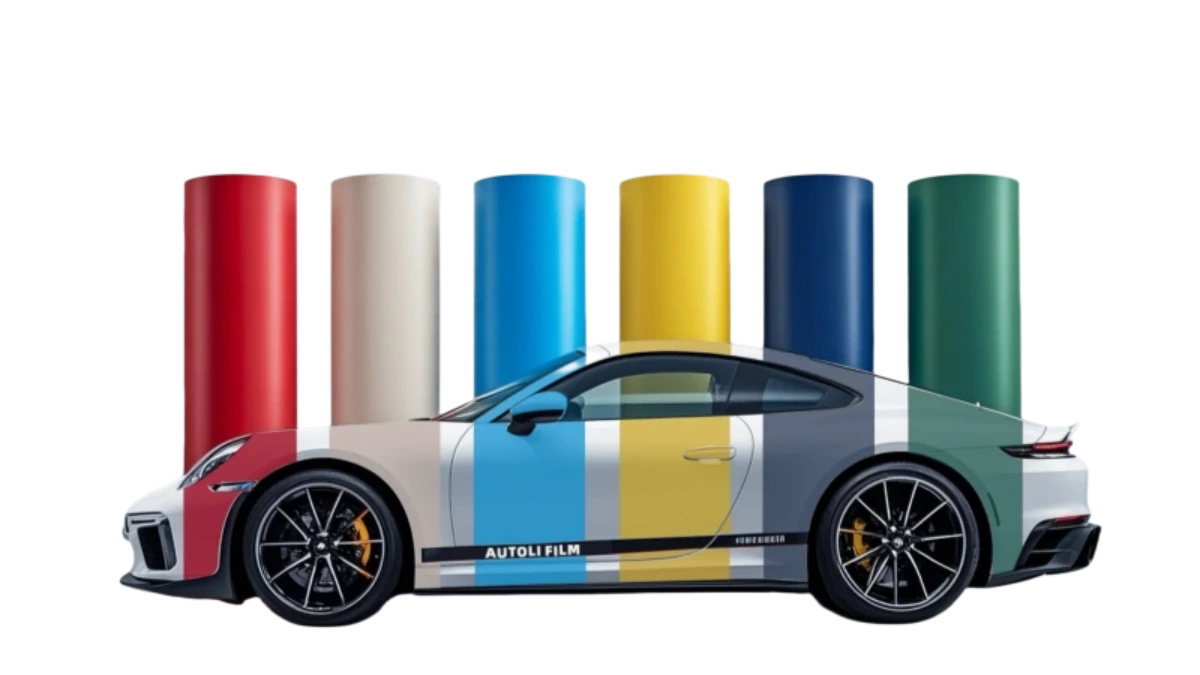
autoli TPU PPF Applied to all brand car models as byd、Jaguar、Lexus、Tesla、Chevrolet、ford.Our factory cooperates with Auto Repair Center、PPF wholesaler、Car Customization Shop and all so in many countries and regions around the world,like VietNam,Brazil,United States,SriLanka,Venezuela,Warranty: 10 years.Our advantages:Our customers are all over the world;Large stock of styles for you to choose from;Short production cycle, quick delivery;SGS, ASTM, REACH, UL and other certifications.Our factory also provides vinyl car wrapping、Window tint.