

PPF boosts paint gloss by 20-40% with 95% light transmittance and <1.5% haze, retaining the factory finish’s natural luster.,Enhances paint depth with low haze (<1.5%).,Claim Your Business Edge: Factory – Backed PPF, Multiple Styles, Unmatched Value.
The cost structure and price composition of PPF:
- Brand Premium – Established brands (3M, XPEL) command 20–30% higher prices than generic alternatives for similar quality.
- Freight & Logistics – International shipping adds $0.50–$1.50 per square foot, higher for expedited delivery.
- Packaging Efficiency Savings – Bulk rolls reduce packaging costs by 40%, passing 10–15% savings to buyers.
- Regional Price Variations – EU prices 15–20% higher than Asia due to stricter regulations and higher labor costs.
- Import Duties & Tariffs – Regional tariffs (e.g., 10% in EU) increase landed costs by 5–12% for imported PPF.
- Full Vehicle Wrap Pricing – Complete coverage costs $2,000–$8,000, with labor accounting for 60–70% of total.
- Adhesive Technology Costs – Removable adhesives add $0.30–$0.50 per square foot vs. permanent options.
- Warranty Administration Fees – Digital warranty systems add $0.05–$0.10 per square foot but reduce claim processing time.
- Loyalty Program Discounts – Repeat customers receive 5–15% off, reducing margins but increasing retention.
TPU PPF VS PET PPF:
- Solvent Resistance – TPU PPF resists gasoline and brake fluid spills, while PET PPF shows swelling within 10 minutes of exposure.
- Low-Temperature Installation – TPU PPF installs reliably at 15°C , while PET PPF requires 20°C environments to prevent adhesive failure.
- Cost Per Square Foot – TPU PPF averages $8–$15/sq ft, compared to PET PPF’s $3–$7/sq ft price point.
- Marine Applications – Saltwater-resistant TPU PPF protects boats, while PET PPF degrades 3x faster in saltwater environments.
- Recycled Content – TPU PPF incorporates 30% recycled material without performance loss, while PET PPF recycled blends show 20% reduced durability.
- Resale Value Impact – TPU PPF-preserved vehicles retain 5–10% more value, while PET PPF’s shorter lifespan offers minimal resale benefit.
The market trends and industry changes of PPF:
- Regional Finish Preferences – Matte PPF dominates Europe (45% of sales) while glossy finishes lead in North America (60%), reflecting aesthetic cultural differences.
- Thinner Yet Stronger Films – 6-mil PPF films now match the durability of 8-mil predecessors, reducing material use by 25% while maintaining impact resistance.
- Circular Economy Initiatives – Closed-loop recycling programs for end-of-life PPF are being piloted, with companies like MBA Polymers achieving 80% carbon reduction in recycled PP production.
- Social Proof-Driven Sales – 65% of consumers cite online reviews and before/after videos as key factors in PPF brand selection, fueling influencer marketing growth.
- Photocatalytic Self-Cleaning PPF – TiO?-infused films decompose 80% of surface dirt under UV light, reducing washing needs by 50% in real-world testing.
- Automation in Production Processes – Laser cutting technologies (e.g., GCC RX II) with 600g cutting force enable precise, waste-reducing PPF customization, improving material utilization efficiency to 94%.
How TPU Redefines PPF:
- Warranty Transferability – TPU’s documented performance redefined PPF warranties from non-transferable to resale-boosting benefits for vehicle owners.
- Self-Healing Revolution – TPU’s microstructural recovery under heat redefined PPF from static protection to dynamic, scratch-repairing films that mend 3μm scratches automatically.
- Quick Healing – TPU’s 24-hour scratch recovery redefined PPF from damage-accumulating films to self-renewing protectors maintaining appearance over time.
- High-Traffic Durability – TPU’s abrasion resistance redefined PPF from personal vehicle products to commercial fleet solutions for taxis and delivery vans.
- Adhesive Innovation – TPU’s low-tack yet strong adhesives redefined PPF from permanent-only films to removable options safe for lease vehicles.
- Smart Film Potential – TPU’s compatibility with sensors redefined PPF from passive protectors to IoT-enabled systems monitoring wear and impacts.
The user perception and consumption misconceptions of PPF:
- Consumer Misconception: “PPF Needs Waxing Like Paint” – Over-maintaining with wax, unaware that PPF’s topcoat排斥 traditional waxes, requiring specialized sealants.
- Correct Perception: Thickness Depends on Use Case – Off-roaders choose 10mil PPF, while daily drivers opt for 8mil to balance protection and flexibility.
- Consumer Misconception: “PPF Makes Paint Shiny Forever” – Expecting permanent gloss, not realizing topcoat wear requires periodic sealant reapplication to maintain shine.
- Correct Perception: Brand Reputation Matters – Discerning buyers choose established brands, associating 3M or XPEL with consistent quality over generic alternatives.
- Consumer Misconception: “All PPF Self-Heals the Same” – Assuming budget films repair as well as premium ones, unaware that microcapsule density varies by price point.
- Correct Perception: UV Testing Validates Anti-Yellowing Claims – Checking for 1,000 hours of UV testing data, ensuring films resist discoloration in real-world use.
- Correct Perception: Resale Value Boost – 81% of luxury car owners recognize PPF-preserved paint enhances resale value by 5–10% in pre-owned markets.
- Consumer Misconception: “All Warranties Cover Everything” – Misreading warranties to include damage from accidents or improper cleaning, leading to denied claims.
- Consumer Misconception: “PPF Hides Existing Paint Damage” – A false belief that PPF covers swirl marks or chips, when pre-installation paint correction is actually required.
The regulations of PPF and after-sales services:
- WEEE Directive Compliance – End-of-life PPF must be recycled in accordance with the EU’s WEEE directive, promoting circular economy practices for electronic and automotive waste .
- China’s Consumer Complaint Channels – PPF buyers in China can file quality-related disputes through the national 12315 hotline, facilitating regulatory oversight and resolution .
- Blockchain Warranty Verification – 3M utilizes blockchain to secure digital warranties, enabling traceable ownership transfers and fraud prevention .
- NAR Auto Film’s Compensation Policy – NAR PPF provides 1:1 pre-installation and 1:2 post-installation defect compensation, backed by factory insurance covering up to 100% of replacement costs .
- Class Action Liability – Manufacturers face potential litigation for non-compliant PPFs, as seen in cases involving PFAS contamination or false warranty claims .
- Australia’s UV Protection Standards – PPFs sold in Australia/NZ must comply with AS/NZS 4399 for UV protection, requiring UPF ratings ≥15 and transparency in labeling .
- Nano-Coating Warranty Bundles – Hybrid solutions combining PPF with ceramic coatings (e.g., Onyx PPF Nano Coat) offer extended warranties covering both layers .
- Anti-Yellowing Guarantees – Brands like Aegis Eternal 400 offer 15-year warranties against yellowing, using HALS stabilizers to maintain optical clarity over extended periods .
- DIY Installation Void Policies – Most warranties, including PurePPF and 3M, void coverage for self-installed films, emphasizing the need for certified professional application .
The construction and maintenance of PPF:
- Heat Activation for Adhesion – A heat gun (60–80°C) activates adhesives along edges and curves to secure long-term bonding.
- Post-Cut Edge Deburring – Trimming excess film with a fresh blade removes sharp edges that could catch dirt or lift over time.
- Post-Installation Gassing Period – Allowing 24–48 hours for water evaporation prevents bubbles from forming post-installation.
- pH-Neutral Cleaning – Using pH 6–8 car wash soap avoids damaging the PPF’s protective topcoat or weakening adhesives.
- Storage Protection – Covering vehicles with breathable car covers in storage prevents dust buildup and UV overexposure.
- Deionized Water for Washing – Mineral-free water reduces water spot residue on PPF surfaces after drying.
The product classification and selection logic of PPF:
- Chemical Resistance Needs – Selecting acid-resistant PPF for regions with heavy bird droppings or industrial pollution.
- UV Index Alignment – Upgrading to high-UV protection PPF for equatorial regions with intense sunlight.
- Lightweight Design Priority – Opting for thin yet strong PPF for electric vehicles to maximize range efficiency.
- Fleet Uniformity Selection – Choosing consistent PPF formulations for commercial fleets to simplify maintenance and appearance.
- Public Perception Consideration – Choosing invisible PPF over colored variants for professional or fleet vehicles.
- Anti-Microbial Needs – Choosing silver-ion infused PPF for high-touch interior surfaces in family or commercial vehicles.
- Historical Performance Data – Selecting PPF with proven results in third-party durability tests over untested innovations.
AUTOLI(CN) PPF(Paint Protection Film) oem factory
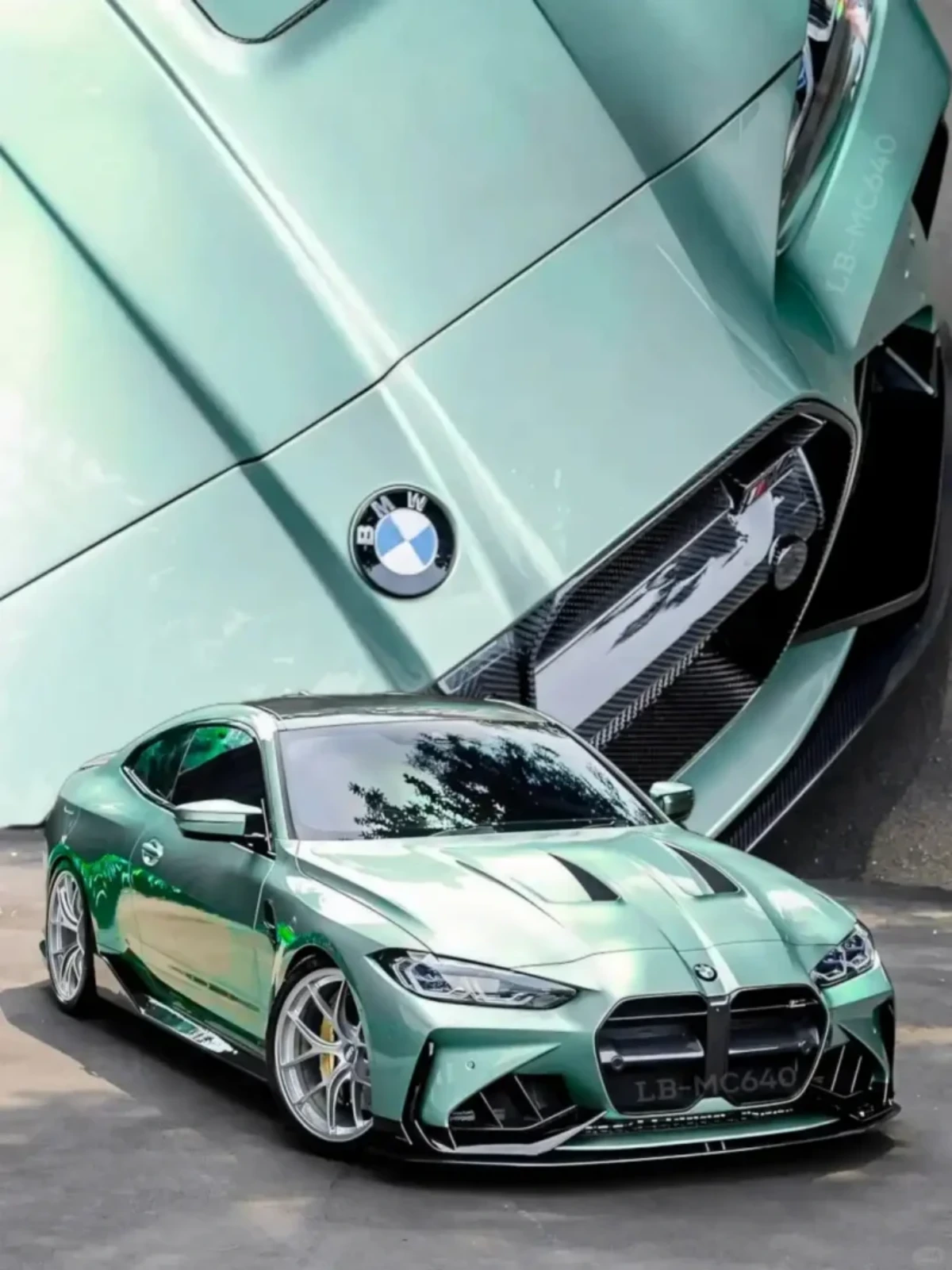
autoli TPU PPF Applied to all brand car models as Lamborghini、Volkswagen、AstonMartin、Rolls-Royce、Cadillac.Our factory cooperates with PPF brand、PPF installer、Auto Detailing Shop and all so in many countries and regions around the world,like Romania,Slovakia,USA,Austria,Warranty: 10 years.Our advantages:Short production cycle, quick delivery;Collaborate for Lucrative Returns: Source factory;Our customers are all over the world;SGS, ASTM, REACH, UL and other certifications.Our factory also provides Car PPF、vinyl Wraps、Windshield Protection Film.