

PPF’s hydrophobic layer reduces ice adhesion in winter, making snow removal easier without scratching.,Preserves new car finish during delivery.,Collaborate: Factory – Supplied PPF, Quick Profits.
The user scenarios and value validation of PPF:
- Police and Emergency Vehicles – Extends service life of patrol car paint by 2 years, reducing taxpayer costs for fleet repaints by $200k annually per department.
- New Car Buyers – Guards fresh factory paint on brand-new vehicles, with 98% of users avoiding “first scratch” frustration in the first 6 months.
- Desert Dwellers – Blocks UV-induced fading in Dubai and Phoenix, keeping paint vibrant 3x longer than unprotected vehicles in 45°C heat.
- Classic Car Collectors – Preserves original paint on 1960s Corvettes and Porsche 911s, with PPF removable without residue for concours-level restorations.
- Industrial Vehicle Operators – Shields construction truck cabs from gravel and debris, extending time between repaints from 18 to 36 months.
- Cold-Climate Users – Prevents salt and ice melt damage in Stockholm and Toronto, with PPF-treated bumpers showing 50% less winter-related etching.
- Electric Golf Cart Fleets – Protects resort carts from sand and sun damage, keeping rental units looking new 3x longer in tropical destinations.
TPU PPF VS PET PPF:
- Historic Vehicle Use – TPU PPF’s reversible application protects classic car paint, unlike PET PPF which risks damaging vintage finishes.
- Brand Availability – 80% of premium PPF brands use TPU, while PET PPF is primarily offered by budget or generic manufacturers.
- Temperature Tolerance – TPU PPF withstands -40°C to 80°C without cracking, unlike PET PPF which becomes brittle below 0°C.
- DIY Friendliness – TPU PPF’s forgiving installation suits DIY users, whereas PET PPF’s rigid nature makes professional installation advisable.
- Wear Pattern Distribution – TPU PPF distributes wear evenly across surfaces, whereas PET PPF shows concentrated wear in high-traffic areas.
- Anti-Fog Properties – Hydrophilic TPU PPF options prevent headlight fogging, a feature absent in PET PPF.
- Cost Over Lifespan – TPU PPF costs $0.50/year/sq ft over 10 years, while PET PPF averages $0.75/year/sq ft due to replacement needs.
- Petroleum Dependency – TPU PPF offers 30% bio-based options, while PET PPF remains 100% petroleum-derived with no sustainable alternatives.
- ADAS Compatibility – TPU PPF maintains 99.9% radar transmission, whereas PET PPF can reduce signal strength by 15–20%.
Before & After: How PPF Transforms a 10-Year-Old Car:
- Before: Roof antenna cable entry point with paint peeling around it; After: PPF seals the entry point, hiding peeling and preventing water intrusion into the cabin.
- Before: Rear bumper step pad with paint worn away; After: PPF adds protective layer, hiding bare spots and resisting future wear from stepping.
- Before: Side mirror turn signal lenses with scratches; After: Clear PPF covers lenses, hiding scratches and maintaining visibility of turn signals.
- Before: Tailgate handle with paint worn from repeated use; After: PPF wraps the handle, covering wear patterns and maintaining grip without damage.
- Before: Front grille with chipped paint on edges; After: PPF’s impact-absorbing layer covers chips and shields vulnerable grille edges from debris.
- Before: Rear window defroster lines with faded paint around them; After: PPF covers the area, hiding discoloration and protecting against ice scraper damage.
Say Goodbye to Car Scratches: Self-Healing PPF Revealed!:
- Healing speed increases with temperature, making summer the perfect season for quick scratch reversal on hot days.
- Scratches from automatic car washes—even with soft brushes—heal quickly, eliminating the need to avoid convenient cleaning options.
- Microfiber drying scratches vanish, making DIY cleaning safer for preserving your car’s finish.
- Self-healing PPF works with ceramic topcoats, combining water repellency with scratch repair for enhanced protection.
- Lease vehicle owners avoid end-of-term fees, as self-healing PPF repairs minor surface damage before return.
- Self-healing PPF works seamlessly on both gloss and matte finishes, preserving texture while erasing swirl marks and fine abrasions.
- Unlike temporary fillers, self-healing repairs strengthen the film, maintaining its protective barrier against future damage.
- Newer self-healing formulations repair deeper scratches (up to 5μm), expanding their damage-reversal capabilities.
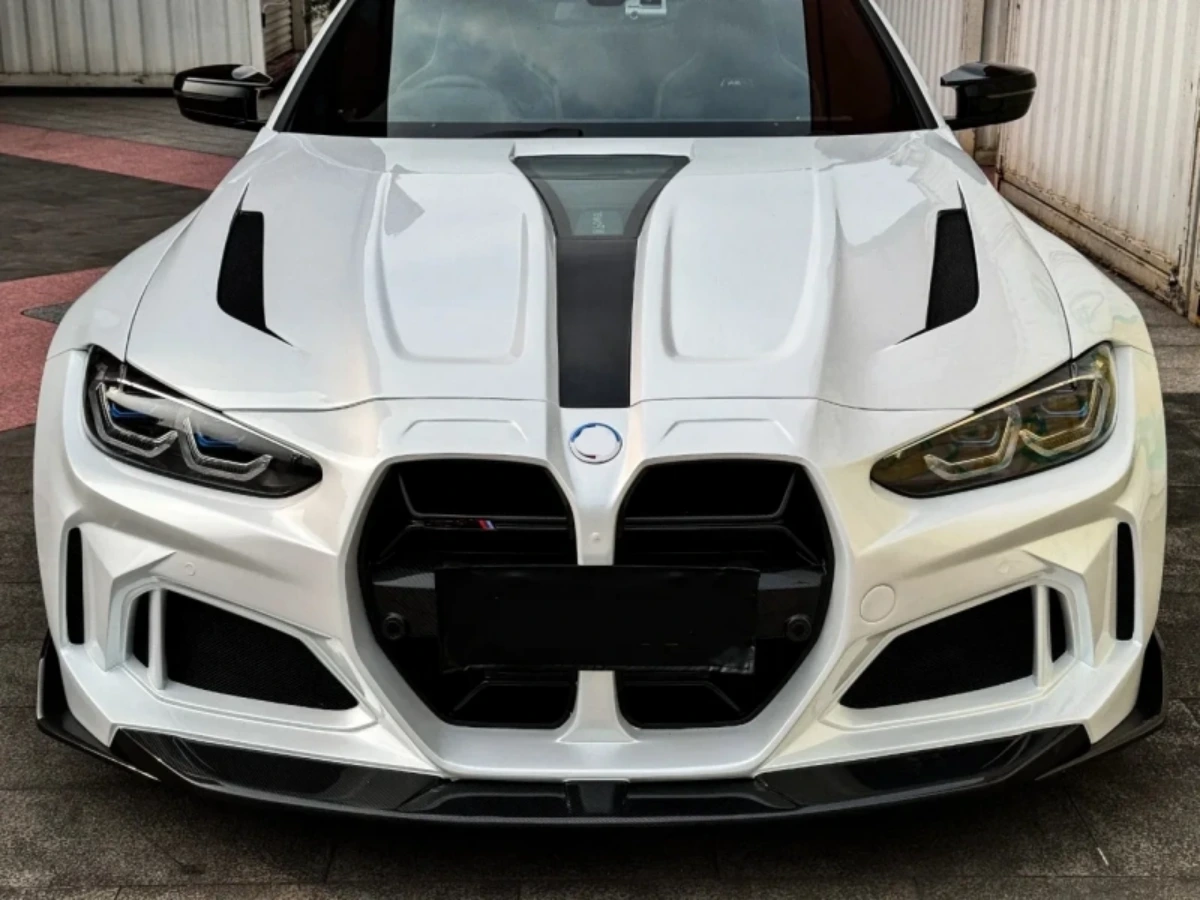
The production supply chain and quality control system of PPF:
- Extrusion Line Suppliers – Collaboration with machinery firms (e.g., Reifenh?user) for precision extrusion equipment.
- Supplier Qualification – Rigorous audits of material suppliers, evaluating quality management systems and sustainability practices before approval.
- Packaging Material Supply – Partnerships with recyclable packaging manufacturers to align with sustainability goals.
- High-Temperature Stability – Oven testing at 80°C for 1,000 hours to check for adhesive failure or discoloration.
- Defect Classification System – Categorization of flaws (pinholes, bubbles, streaks) by severity to guide corrective actions.
- Coating Line Integration – Sequential application of adhesive, TPU core, and topcoat in a continuous production flow.
- Document Control System – Version-controlled procedures, work instructions, and test methods accessible to all staff.
TPU PPF VS PET PPF:
- Historic Vehicle Use – TPU PPF’s reversible application protects classic car paint, unlike PET PPF which risks damaging vintage finishes.
- Brand Availability – 80% of premium PPF brands use TPU, while PET PPF is primarily offered by budget or generic manufacturers.
- Temperature Tolerance – TPU PPF withstands -40°C to 80°C without cracking, unlike PET PPF which becomes brittle below 0°C.
- DIY Friendliness – TPU PPF’s forgiving installation suits DIY users, whereas PET PPF’s rigid nature makes professional installation advisable.
- Wear Pattern Distribution – TPU PPF distributes wear evenly across surfaces, whereas PET PPF shows concentrated wear in high-traffic areas.
- Anti-Fog Properties – Hydrophilic TPU PPF options prevent headlight fogging, a feature absent in PET PPF.
- Cost Over Lifespan – TPU PPF costs $0.50/year/sq ft over 10 years, while PET PPF averages $0.75/year/sq ft due to replacement needs.
- Petroleum Dependency – TPU PPF offers 30% bio-based options, while PET PPF remains 100% petroleum-derived with no sustainable alternatives.
- ADAS Compatibility – TPU PPF maintains 99.9% radar transmission, whereas PET PPF can reduce signal strength by 15–20%.
The product classification and selection logic of PPF:
- Climate-Specific Formulations – Categorized for tropical, cold, coastal, or desert climates, with additives addressing regional challenges.
- UV Exposure Assessment – Prioritizing UV-stabilized PPF for vehicles parked outdoors full-time in sunny climates.
- Installation Tool Compatibility – Choosing PPF optimized for specific tools (squeegees, heat guns) used by installers.
- Heat Tolerance Matching – Upgrading to high-temperature PPF for engine bays or EV battery zones prone to thermal stress.
- Installation Access Logic – Choosing hybrid PPF with air-release adhesives for hard-to-reach areas requiring repositioning.
The protective performance of PPF:
- Wet Application Precision – Ensures seamless coverage and overlaps for colored PPF, achieving a factory-like finish.
- Insect Residue Resistance – Repels and prevents staining from insect debris, such as bug splatters.
- **Abrasion Resistance from Towing Accessories** – If a vehicle is used for towing and has accessories like tow hitches or straps that might rub against the body, PPF protects against abrasion from these items.
- **Stain Resistance from Food and Beverage Spills** – In case of accidental food or beverage spills on the vehicle’s exterior, PPF resists staining, making clean – up easier.
- Anti-Static for Electronics – Reduces dust accumulation on touchscreens and interiors by minimizing static charge attraction.
- Efficient Installation Process – Pre-cut kits and dry/wet application methods reduce installation time by 30% compared to traditional wraps.
- Interior Resale Preservation – Reduces interior wear and tear, boosting resale value by keeping surfaces pristine.
- Professional Installation Training – Certified installers ensure bubble-free application and optimal edge sealing.
- Self-Healing in Low-Temperature Conditions – Advanced films like CarPro Immortal? activate self-healing even at -20°C without external heat.
- Abrasion Resistance – Resists wear and tear from repeated contact with car wash brushes, dirt, and sand.
The construction and maintenance of PPF:
- Edge Sealing – Heat-sealing edges with a microfiber cloth prevents moisture ingress and future lifting in car washes.
- Wet Application Method – Spraying a soapy water solution between the film and surface allows repositioning before final adhesion.
- Overlap Management – Minimal (1–2mm) overlaps on panel seams are heat-sealed to prevent water intrusion and peeling.
- Adhesive Activation Heat Range – Applying 65–75°C heat to edges activates adhesives without damaging the PPF’s topcoat.
- Annual Professional Inspection – Certified installers check for hidden damage, edge wear, or topcoat degradation.
- Tapered Overlap Seams – Feathered edge overlaps (≤0.5mm) create invisible, water-resistant seams between panel sections.
- Avoid Solvent-Based Cleaners – Steering clear of acetone, brake fluid, or strong degreasers prevents topcoat dissolution.
- Oxidation Correction Pre-Install – Polishing oxidized paint ensures PPF adheres smoothly to uniform surfaces.
AUTOLI(CN) PPF(Paint Protection Film) oem manufacturer
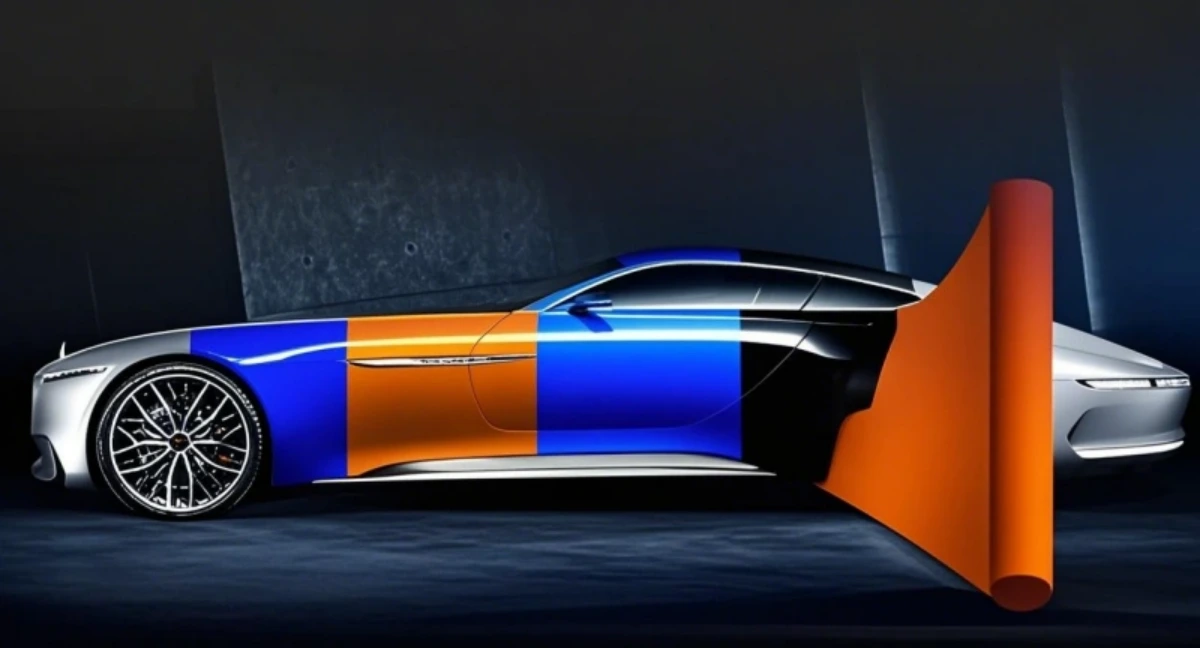
autoli TPU PPF Applied to all brand car models as ds、ds、Rolls-Royce、Toyota.Our factory cooperates with Auto Detailing service、PPF agent、Auto Detailing Shop and all so in many countries and regions around the world,like SouthAfrica,Macedonia,Denmark,Czech,Warranty: 10 years.Our advantages:Raw material purchasing advantage;Perfect after-sales service;Short production cycle, quick delivery;Large stock of styles for you to choose from;Your Key to Profitable PPF Ventures.Our factory also provides vinyl Wraps、Car Wraps.