

PPF’s transparency doesn’t affect paint color perception, critical for color-matching in case of partial repaints.,Protects carbon fiber from UV fading.,Premium PPF: Straight from Our Factory Lines.
The production supply chain and quality control system of PPF:
- Finished Goods Warehousing – Regional distribution centers with climate control (20–25°C) to preserve adhesive quality.
- Quality Gates in Production – In-line inspections after extrusion, coating, and curing stages to catch defects early.
- Emergency Supply Protocols – Backup production facilities activated during primary plant downtime to maintain supply continuity.
- Field Testing Programs – Real-world installations monitoring performance over 1–5 years in diverse climates.
- Statistical Process Control (SPC) – Real-time monitoring of extrusion parameters with control charts to maintain CpK ≥ 1.33.
- Coating Line Integration – Sequential application of adhesive, TPU core, and topcoat in a continuous production flow.
The materials and technologies of PPF:
- Precision cutting technology: Relying on digital pattern data, it enables precise, non-destructive cutting for different vehicle surfaces, reducing membrane stretching damage during installation.
- UV-responsive fluorescence: Glows under UV light for enhanced visibility in low-light conditions, ideal for emergency vehicles.
- High-performance adhesive layer technology: Utilizing low initial tack and high final tack pressure-sensitive adhesive, it allows for repeated positioning adjustments during installation. Once cured, it adheres tightly to the vehicle body without de-bonding or leaving residue.
- Heavy metal-free composition: Eliminates lead, cadmium, and mercury, ensuring compliance with EU REACH and California Proposition 65.
- Scratch repair efficiency optimization technology: By adjusting the crosslinking density of TPU molecules and the coating activity, the self-repair speed of scratches under low-temperature conditions is enhanced, and the repair response time is shortened.
- Anti-fatigue toughness optimization technology: Through molecular chain elastic modification, the resilience and recovery ability of the membrane material after repeated cold and hot contraction and minor impacts are enhanced, reducing the relaxation deformation over long-term use.
- Self-healing touch-up pen: Provides a portable solution for repairing localized scratches, leveraging the same TPU memory technology as the film.
- Impact memory retention: Maintains 98% of original impact resistance after 10,000 cycles of thermal cycling (-40°C to 80°C).
- Salt spray resistance anti-corrosion technology: By adding marine-grade anti-corrosion additives, it undergoes 5,000 hours of salt spray tests without rusting, resisting the erosion of the membrane material by the high-salt environment in coastal areas, and extending the protection lifespan of vehicles near the sea.
How TPU Redefines PPF:
- Impact Indication – Color-changing TPU layers redefined PPF from silent protectors to damage-alert systems revealing hidden impacts.
- Smart Maintenance – TPU’s IoT sensor integration redefined PPF from passive films to connected systems alerting owners to needed repairs or cleaning.
- Recycled Content Integration – TPU blends with 30% recycled material redefined PPF from virgin-only products to circular economy solutions.
- Low Thermal Expansion – TPU’s stable dimensions redefined PPF from warping-prone films to temperature-stable protectors avoiding edge lifting in heat.
- Sustainable End-of-Life – TPU’s recyclability redefined PPF from landfill-bound waste to closed-loop products reusable in secondary applications.
- Matte Finish Compatibility – TPU’s texture-preserving formulations redefined PPF from gloss-only products to matte-safe films that maintain specialty paint textures.
- Flexibility Breakthrough – TPU’s 500% elongation redefined PPF from rigid covers to conformable films that hug complex vehicle contours without cracking.
- Easy Removal – TPU’s residue-free adhesives redefined PPF from permanent modifications to temporary protection safe for classic cars and leases.
- Optical Clarity – High-transparency TPU redefined PPF from slightly hazy covers to invisible barriers preserving paint’s original appearance.
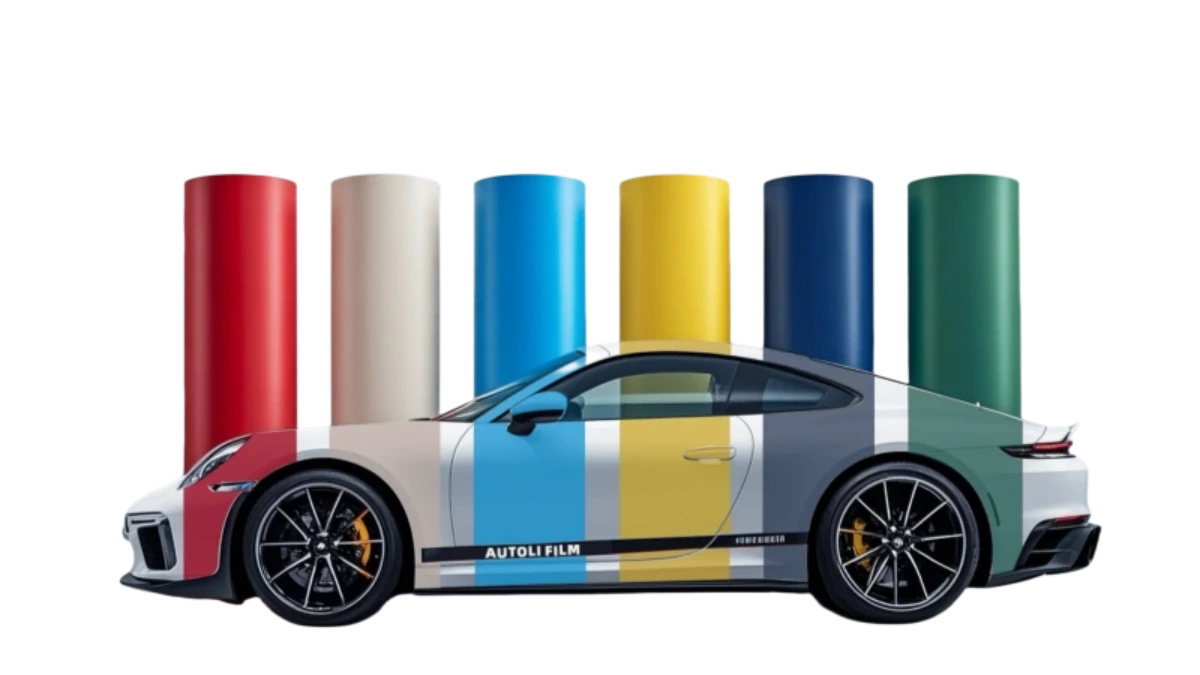
The environmental protection and sustainability of PPF:
- 50% Less Water for Washing – Hydrophobic properties reduce car wash frequency, saving 200 gallons of water per vehicle annually.
- 30% Recycled TPU Blends – Films incorporating recycled TPU reduce virgin plastic use, with mechanical properties matching 100% virgin materials.
- Biodegradable Options – Compostable PPF variants decompose within 3–5 years under industrial composting, ideal for temporary applications like rental fleets.
- Heavy Metal-Free Pigments – Colored PPF uses organic pigments, eliminating lead, cadmium, and chromium from formulations.
- Local Raw Material Sourcing – Sourcing TPU from regional suppliers cuts transportation emissions by 25% versus global supply chains.
- Seasonal Biodegradable PPF – Temporary films for rental fleets decompose in 3 years, avoiding landfill waste from short-term use.
The user pain points of PPF and their solutions:
- Matte Paint Distortion – Solved by matte-specific PPF (20–30% gloss) designed to preserve texture without shine spots.
- Poor Performance in Cold Climates – Fixed with cold-flexible TPU (-40°C tolerance) and frost-resistant adhesives to avoid cracking.
- Damage from Road Debris – Mitigated by impact-dispersing multi-layer films, reducing stone chips by 70% at highway speeds.
- Warranty Void Due to DIY Installation – Resolved by offering “DIY-friendly” kits with warranty coverage for proper application.
- DIY Installation Failures – Resolved with pre-cut laser patterns, air-release adhesives, and step-by-step video tutorials.
- High Installation Costs – Mitigated by tiered pricing (DIY kits vs. premium pro installs) and financing options for budget flexibility.
- Salt Corrosion in Coastal Areas – Mitigated by anti-corrosion additives and salt-resistant adhesives reducing rust under film.
The long-term monitoring and maintenance system after the installation of PPF:
- Interior PPF UV Protection – Using window tints with 99% UV blockage to reduce dashboard film fading in sunny climates.
- Monthly Impact Zone Inspections – Focusing on high-risk areas (front bumper, hood leading edge) for rock chip accumulation and self-healing effectiveness.
- Thermal Stress Monitoring – Documenting film performance after extreme heat (>35°C) or cold (<0°C) to identify temperature-related degradation.
- Cold-Weather Adhesive Care – Avoiding pressure washing in sub-zero temperatures to prevent thermal shock to adhesives.
- 6-Month Bubble Detection – Using polarized light to identify subsurface bubbles invisible to the naked eye, especially post-installation.
- Warranty Compliance Tracking – Maintaining digital records of inspections and repairs to ensure warranty claims are valid.
- Industrial Zone Contamination Checks – Increasing cleaning frequency near factories to remove chemical particulates that degrade topcoats.
- Annual Professional Inspections – Certified technicians using specialized tools to check adhesive bonding and topcoat integrity.
- Post-Repair Sealing – Applying heat (60–70°C) with a heat gun after edge re-sealing to ensure adhesive reactivation.
The protective performance of PPF:
- Environmental Friendliness – Recyclable TPU materials and solvent-free adhesives reduce ecological impact during production and disposal.
- Brake Dust Chemical Resistance – Resists etching from iron-rich brake dust, maintaining wheel and fender clarity in high-performance vehicles.
- ASTM D1044 Compliance – Meets rigorous scratch resistance standards, ensuring reliable performance in real-world use.
- Anti-Static for Electronics – Reduces dust accumulation on touchscreens and interiors by minimizing static charge attraction.
- **Dust and Dirt Repellency** – PPF has a smooth surface that reduces the adhesion of dust and dirt, keeping the vehicle cleaner for longer periods between washes.
- Pet Hair Abrasion Resistance – Smooth surfaces resist snagging from pet claws or fur, ideal for family vehicles.
The construction and maintenance of PPF:
- Controlled Environment Setup – Installation in dust-free, temperature-controlled (20–25°C) shops minimizes airborne particle interference.
- Tool Sterilization – Cleaning squeegees and blades with isopropyl alcohol avoids cross-contamination of adhesives.
- Adhesive Activation Heat Range – Applying 65–75°C heat to edges activates adhesives without damaging the PPF’s topcoat.
- Minor Bubble Repair – Using a heat gun and squeegee to reactivate adhesives and push out small bubbles post-installation.
- Vinegar Solution for Water Spots – A mild vinegar rinse dissolves mineral deposits on PPF without harming the topcoat.
- Edge Lifting Fix – Applying heat (60–80°C) and pressing edges with a microfiber cloth restores adhesion if lifting occurs.
AUTOLI(CN) PPF(Paint Protection Film) oem manufacturer
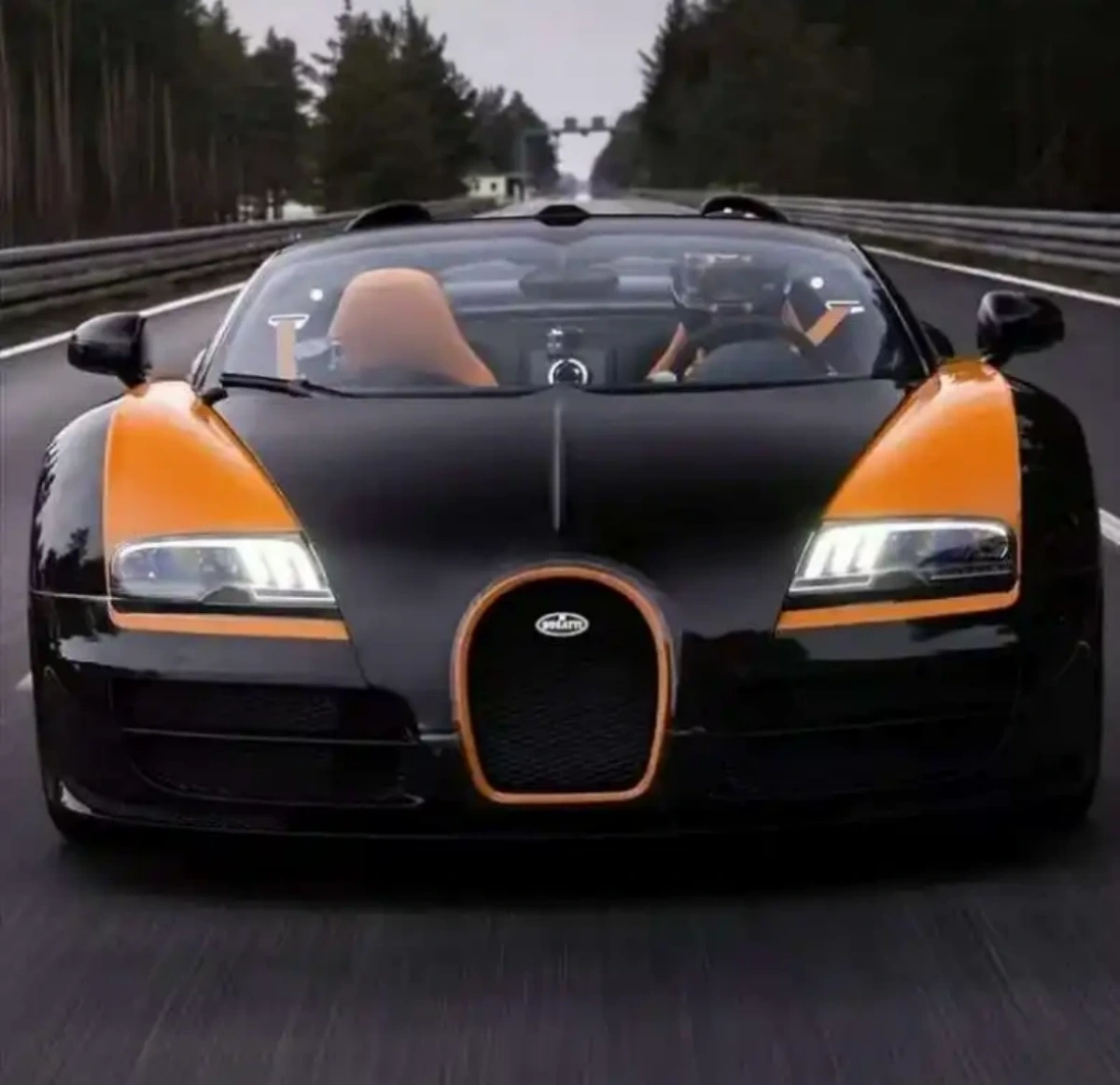
autoli TPU PPF Applied to all brand car models as mini、binli、Bugatti、byd.Our factory cooperates with Car Customization Shop、AutoZone、Auto Detailing service and all so in many countries and regions around the world,like Maldives,Cameroon,Sweden,Ireland,Warranty: 10 years.Our advantages:Large stock of styles for you to choose from;High quality raw materials and advanced technology;Your Key to Profitable PPF Ventures;Unlock Business Growth with Our Factory’s PPF;Efficient production reduces costs.Our factory also provides Car Paint Protection Film、car vinyl wrap.