

PPF withstands -40℃ to 80℃ temps, maintaining flexibility to avoid cracking in cold or warping in extreme heat.,Passes EU REACH 173 toxic substance tests.,Direct from Factory: High – Gloss PPF at Your Service.
The protective performance of PPF:
- Self-Healing in Low-Temperature Conditions – Advanced films like CarPro Immortal? activate self-healing even at -20°C without external heat.
- **Abrasion Resistance from Towing Accessories** – If a vehicle is used for towing and has accessories like tow hitches or straps that might rub against the body, PPF protects against abrasion from these items.
- Wet Application Precision – Ensures seamless coverage and overlaps for colored PPF, achieving a factory-like finish.
- **Resistance to Saltwater Spray in Coastal Areas** – In coastal regions, where saltwater spray can be a major threat to vehicle paint, PPF offers effective protection against corrosion.
- **Flexibility for Complex Surfaces** – PPF is flexible enough to conform to the complex curves and shapes of a vehicle, providing consistent protection all over the body.
- Multi-Layer Impact Absorption – Polyurethane base layer absorbs collisions, while UV inhibitors prevent fading.
- **Resistance to Tree Sap Staining** – Tree sap can be a nuisance as it often leaves sticky and staining marks. PPF resists the adhesion of tree sap and makes its removal much simpler.
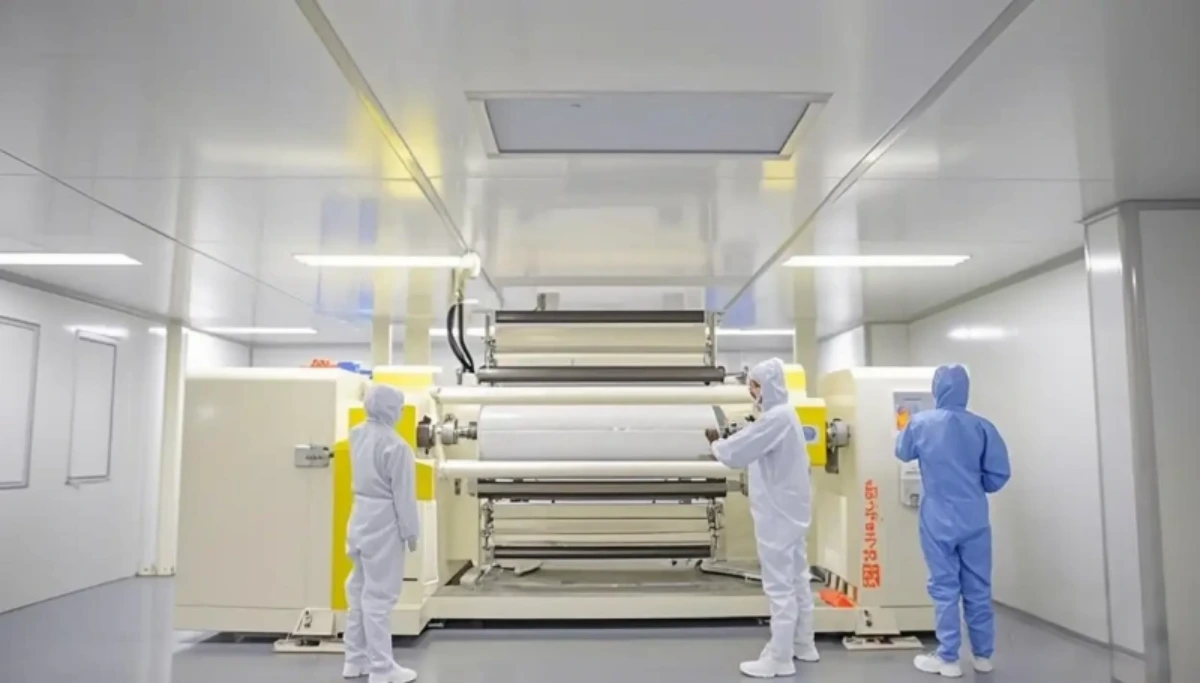
The production supply chain and quality control system of PPF:
- Quality Management System (QMS) – ISO 9001-certified processes governing all stages from raw material to finished product.
- Third-Party Certification – Independent labs (e.g., SGS, Intertek) validating performance claims for warranties and marketing.
- Additive Supply Chain – Strategic partnerships with specialty chemical firms for UV stabilizers, self-healing agents, and nano-ceramic additives.
- Technology Partnerships – Collaboration with IoT firms for real-time supply chain visibility tools.
- Raw Material Sourcing – TPU resin procurement from certified suppliers (e.g., Lubrizol, BASF) with ISO 9001 certification for consistent polymer quality.
- Color Stability Verification – Spectrophotometer measurements ensuring ΔE < 2 after accelerated UV exposure.
- Failure Mode and Effects Analysis (FMEA) – Proactive risk assessment of production processes to prevent failures.
- Reverse Logistics – Systems for returning defective rolls, with sorting centers identifying repairable vs. recyclable materials.
- Customs Broker Partnerships – Global logistics firms managing import/export documentation to comply with regional regulations.
The product classification and selection logic of PPF:
- Vibration Resistance Selection – Opting for flexible PPF with high elongation for motorcycles or off-road vehicles with frequent vibrations.
- Resale Value Protection – Investing in premium PPF for high-value vehicles to maintain paint condition for resale.
- Regional Regulation Compliance – Selecting REACH/FDA-compliant PPF for markets with strict chemical safety standards.
- Fire Resistance Needs – Choosing flame-retardant PPF for emergency vehicles or equipment in high-risk environments.
- Fleet Uniformity Selection – Choosing consistent PPF formulations for commercial fleets to simplify maintenance and appearance.
- Climate-Specific Formulations – Categorized for tropical, cold, coastal, or desert climates, with additives addressing regional challenges.
The market trends and industry changes of PPF:
- DIY vs. Pro Installation Split – 30% of entry-level PPF sales are DIY kits, while 90% of luxury films require professional installation for warranty validation.
- Integration of Ceramic Coatings – PPF-safe ceramic coatings applied post-installation (e.g., Onyx PPF Nano Coat) boost scratch resistance by 40%, creating hybrid protection solutions.
- TPU Dominance in Material Innovation – Thermoplastic polyurethane (TPU) films now account for 25% of global PPF installations, with self-healing TPU shipments rising 38% since 2021 due to superior scratch resistance and durability.
- Detailing Chain Partnerships – PPF brands are collaborating with chains like Detail Garage, offering co-branded training and product bundles to expand reach.
- Deep Scratch Self-Healing – Advanced films repair 5μm-deep scratches (vs. 3μm previously) using microcapsule technology, activated by body heat or sunlight.
- China’s ECOCERT Compliance – Chinese PPF producers now meet ECOCERT standards, with 40% of exports to Europe using recycled TPU blends.
Why TPU PPF:
- Commercial Use – Popular for restaurant patios, hotel courtyards, and office outdoor spaces.
- Low Visual Weight – Slim profiles create an open, airy feel while providing structural support.
- Heavy-Duty Models – Industrial-grade 80mm×80mm beams for commercial high-traffic areas.
- Resale Value Boost – Adds outdoor living space appeal, increasing home value by 3–5%.
- Moisture Resistance – Prevents mold and mildew growth in rainy or humid environments.
- Low Vibration Transfer – Stable structure minimizes shaking during storms or high winds.
- Aesthetic Versatility – Can mimic wood grain via powder coating for traditional looks with modern durability.
- Lightweight Construction – Aluminum’s low density (2.7 g/cm3) simplifies installation, requiring fewer structural supports than wooden alternatives.
- Energy Efficiency – Shaded areas reduce air conditioning loads for adjacent buildings by 15%.
The horizontal comparison of PPF with other protection methods:
- PPF vs. Acrylic Paint Sealants – Acrylic sealants harden into a rigid layer prone to peeling, while PPF remains flexible, reducing edge lifting in temperature changes.
- PPF vs. Bug Remover Coatings – Bug coatings make cleanup easier, while PPF resists insect acid etching, with PPF offering proactive protection vs. reactive cleaning aid.
- PPF vs. UV-Blocking Window Tints – Tints reduce interior UV exposure, while PPF blocks exterior paint UV damage, with both addressing UV risks but on different surfaces.
- PPF vs. Alloy Wheel Sealants – Wheel sealants resist brake dust, while PPF on wheels adds scratch protection, with PPF better handling curb impacts.
- PPF vs. Plastic Trim Restorers – Restorers revive faded trim, while PPF prevents UV damage and scratches on trim, maintaining appearance without frequent reapplication.
- PPF vs. Silicone Coatings – Silicone coatings repel water but degrade quickly (1–2 years) under UV exposure, whereas PPF maintains hydrophobicity for 5 years with UV stabilizers.
- PPF vs. Spray-On Protective Coatings – PPF is removable and repairable, unlike permanent spray coatings that require full repaint for damage correction.
- PPF vs. Anti-Graffiti Coatings – Anti-graffiti treatments focus on easy stain removal, while PPF adds physical barrier defense against scratches from graffiti tools.
- PPF vs. Nano Glass Coatings – Glass coatings excel on windows for water repellency, while PPF protects painted surfaces from physical damage, with minimal overlap in application.
TPU PPF VS PET PPF:
- Outdoor Storage Performance – TPU PPF-protected vehicles show 70% less fading in outdoor storage, compared to 30% reduction with PET PPF.
- Production Efficiency – TPU PPF’s continuous extrusion reduces waste by 40%, while PET PPF’s batch production generates 25% more scrap.
- Surface Preparation – TPU PPF requires minimal paint correction, while PET PPF amplifies existing swirl marks due to lower flexibility.
- Eco-Friendliness – TPU PPF is 100% recyclable, while PET PPF’s adhesive layers complicate recycling, resulting in 60% lower recovery rates.
- DIY Friendliness – TPU PPF’s forgiving installation suits DIY users, whereas PET PPF’s rigid nature makes professional installation advisable.
- Repair Potential – TPU PPF allows spot patching of damaged areas, while PET PPF requires full panel replacement for localized damage.
The materials and technologies of PPF:
- UV-responsive fluorescence: Glows under UV light for enhanced visibility in low-light conditions, ideal for emergency vehicles.
- SAE J2527 Stone Chip Resistance Certification: Passes 120 km/h gravel impact testing without film penetration.
- Electromagnetic interference (EMI) shielding: Integrates graphene nanosheets to block 99% of electromagnetic radiation, critical for electric vehicle electronics.
- Bio-based TPU formulation: Uses 30% plant-derived materials (e.g., castor oil) without compromising mechanical performance, certified by ASTM D6400.
- Low-VOCs production certification: Meets global eco-standards like GREENGUARD Gold, ensuring volatile organic compound emissions below 50μg/m3 during manufacturing.
- Ceramic coating compatibility: Features a receptive top layer that bonds seamlessly with ceramic coatings, creating a hybrid protection system with enhanced scratch resistance.
AUTOLI(CN) PPF(Paint Protection Film) factory
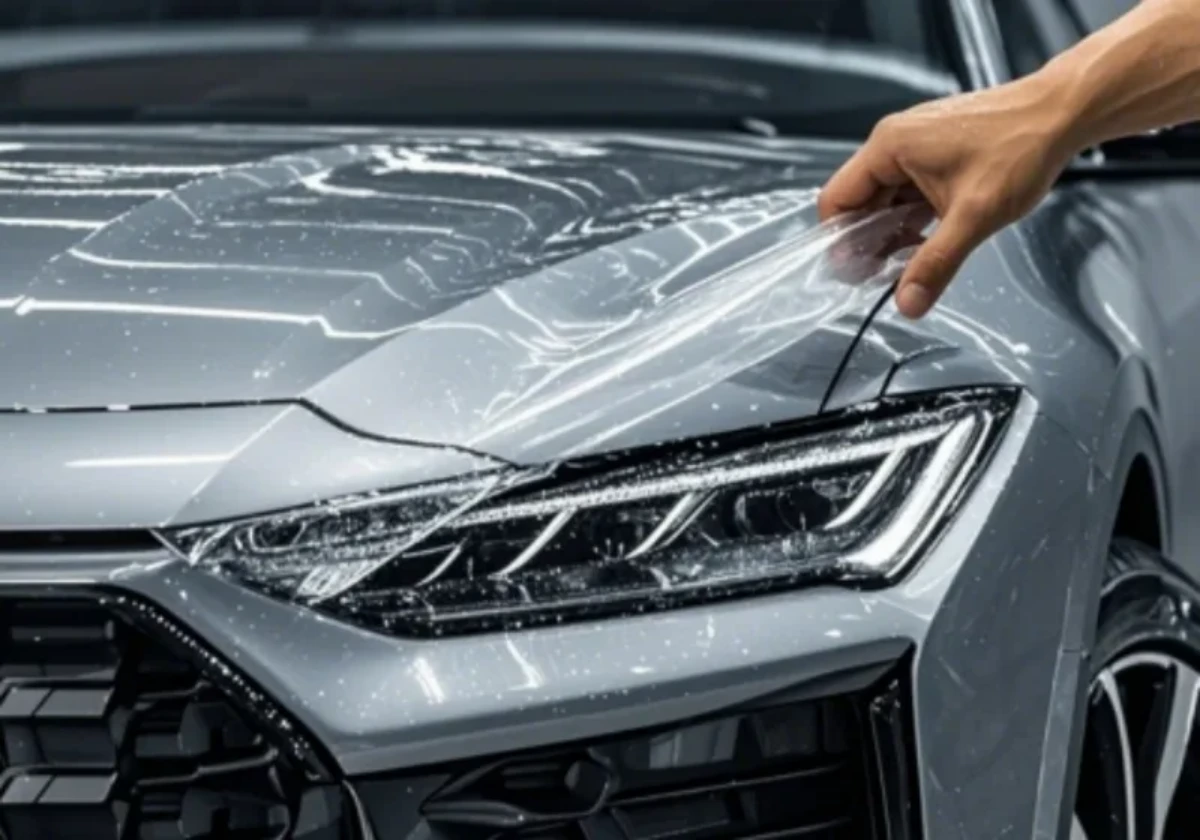
autoli TPU PPF Applied to all brand car models as Porsche、jeep、byd、Benz.Our factory cooperates with Auto Detailing Shop、Auto Spa、Auto Detailing and all so in many countries and regions around the world,like UK,Turkey,Luxembourg,Greece,Bulgaria,Warranty: 10 years.Our advantages:Efficient production reduces costs;Short production cycle, quick delivery;High quality raw materials and advanced technology;Your Key to Profitable PPF Ventures;Strict quality control system.Our factory also provides Car Wraps、Windshield Protection Film、vinyl Wrap、PPF FILM.
