

PPF boosts paint gloss by 20-40% with 95% light transmittance and <1.5% haze, retaining the factory finish’s natural luster.,Reversible without damaging factory clear coat.,Collaborate for Edge: Exceptional PPF, Style – Diverse Options, Budget – Smart Prices.
The materials and technologies of PPF:
- Polar climate formulation: Maintains flexibility at -50°C, preventing cracking in arctic regions.
- Matte finish technology: Achieves 20-30° gloss levels with a velvet-like texture, ideal for luxury vehicles and matte paint protection.
- The core substrate is thermoplastic polyurethane (TPU): It is highly flexible and impact-resistant, serving as the fundamental material for PPF to provide protection and self-repair capabilities, outperforming traditional PVC.
- Marine-grade corrosion resistance: Passes 5,000-hour salt spray testing (ASTM B117), protecting vehicles in coastal and winter road salt environments.
- SAE J2527 Stone Chip Resistance Certification: Passes 120 km/h gravel impact testing without film penetration.
- Rapid curing adhesive technology: Enables full adhesive strength development within 24 hours (vs. 48-72 hours for conventional adhesives), shortening post-installation care time.
- Heavy metal-free composition: Eliminates lead, cadmium, and mercury, ensuring compliance with EU REACH and California Proposition 65.
- Antibacterial and mold-resistant coating technology: Silver ion antibacterial agent is added to the membrane surface, which inhibits the growth of mold and bacteria in humid environments. This technology is particularly suitable for long-term use in areas with frequent rainfall and high humidity.
How TPU Redefines PPF:
- Smart Film Potential – TPU’s compatibility with sensors redefined PPF from passive protectors to IoT-enabled systems monitoring wear and impacts.
- Cultural Adaptability – TPU’s compatibility with local climates redefined PPF from Western-focused products to global solutions for tropical, desert, and polar regions.
- Thin Yet Tough – High-strength TPU allowed 6–8mil films to match 10–12mil PVC protection, redefining PPF as lightweight yet durable.
- Acid Rain Resistance – TPU’s chemical barriers redefined PPF from acid-etching vulnerable films to protective shields in polluted or industrial areas.
- Sound Dampening Integration – Viscoelastic TPU layers redefined PPF from silent protectors to noise-reducing films cutting road noise by 3–5dB.
- Global Regulatory Compliance – TPU’s meet REACH, FDA, and OEM standards redefined PPF from region-limited products to globally marketable solutions.
- Easy Removal – TPU’s residue-free adhesives redefined PPF from permanent modifications to temporary protection safe for classic cars and leases.
- Chemical Resistance – TPU’s resistance to bird droppings, road salt, and fuels redefined PPF from basic shields to multi-hazard barriers.
The long-term monitoring and maintenance system after the installation of PPF:
- Adhesive Migration Checks – Using UV lights to detect adhesive bleed-out along edges, a precursor to delamination.
- Microfiber Cloth Rotation – Using separate cloths for tops, sides, and lower panels to prevent cross-contamination with grit.
- After-Wash Edge Integrity Tests – Inspecting edges 24 hours after washing to detect water intrusion that indicates poor sealing.
- Impact-Resistant Record Keeping – Logging maintenance dates, issues, and repairs to track performance over the warranty period.
- 6-Month Bubble Detection – Using polarized light to identify subsurface bubbles invisible to the naked eye, especially post-installation.
- Summer UV Protection Boosts – Applying UV-stabilizing sprays in high-sun regions to complement anti-yellowing additives.
- Quarterly Thickness Gauging – Using ultrasonic thickness meters to ensure PPF retains ≥90% of original thickness, indicating minimal wear.
The regulations of PPF and after-sales services:
- Japan’s Window Tinting Restrictions – Japanese regulations ban PPF installation on front driver/passenger windows and mandate partial windshield film transparency to ensure unobstructed visibility .
- Regional Regulatory Exemptions – Medical device packaging and hazardous goods transportation are exempt from EU PPWR’s recyclability rules, affecting niche PPF applications .
- Regional Warranty Variations – PPF warranties often differ by region; for example, monsoon-prone areas may offer extended coverage for water ingress issues .
- Cross-Industry Regulatory Alignment – PPFs used in electronics or aerospace must comply with sector-specific standards (e.g., FCC for electronics), expanding regulatory complexity .
- Recall Protocols for Defects – In cases of material defects (e.g., delamination), manufacturers like PurePPF coordinate nationwide recalls and replacements via authorized installers .
The environmental protection and sustainability of PPF:
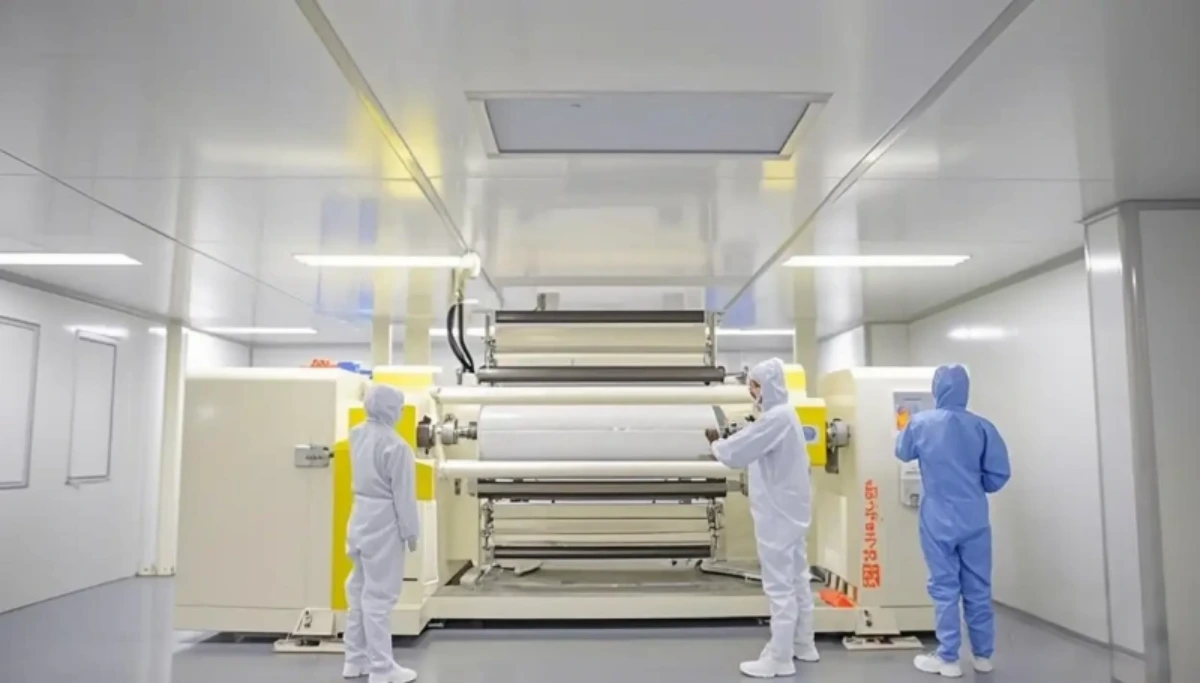
- Water Conservation in Production – Closed-loop water systems in manufacturing reduce freshwater usage by 70%, limiting strain on local water resources.
- Reduced Touch-Up Paint Use – PPF prevents 80% of minor scratches, eliminating the need for toxic touch-up paint applications.
- Mycelium Packaging Inserts – Mushroom-based packaging protects PPF during shipping, decomposing in 45 days without chemicals.
- Environmental Product Declarations (EPDs) – Public EPDs disclose carbon footprint and resource use, enabling informed consumer choices.
- Compostable Adhesives – Plant-based adhesives break down in 18 months under composting, avoiding persistent chemical residues in soil.
- Recycled Packaging – 90% of premium PPF brands use recycled cardboard and biodegradable film wrap, reducing packaging waste by 75%.
- Reduced Landfill Contributions – 10-year PPF generates 75% less waste than 1-year sealants over a vehicle’s lifetime.
- Mycelium Packaging Inserts – Mushroom-based packaging protects PPF during shipping, decomposing in 45 days without chemicals.
- Seasonal Biodegradable PPF – Temporary films for rental fleets decompose in 3 years, avoiding landfill waste from short-term use.
- NGO Partnerships for Reforestation – Collaborations with WWF fund tree planting, offsetting 50% of production emissions annually.
Before & After: How PPF Transforms a 10-Year-Old Car:
- Before: Chrome trims tarnished and pitted from weathering; After: PPF’s protective layer covers corrosion and maintains shine, restoring reflective quality.
- Before: Gas cap door with faded paint from sun exposure; After: PPF’s UV protection covers fading and maintains color consistency with the rest of the car.
- Before: Tail light housings with scratches from car washes; After: Clear PPF covers scratches and resists brush damage, keeping lenses clear.
- Before: Roof antenna cable entry point with paint peeling around it; After: PPF seals the entry point, hiding peeling and preventing water intrusion into the cabin.
- Before: Rear bumper step pad with paint worn away; After: PPF adds protective layer, hiding bare spots and resisting future wear from stepping.
- Before: Hood scoop with accumulated road grime in crevices; After: PPF’s smooth surface covers grime-stained areas and simplifies cleaning in hard-to-reach spots.
- Before: Engine bay plastic components faded from heat; After: Heat-resistant PPF covers plastics, restoring color and blocking engine heat damage.
- Before: Trunk lid with key scratches and luggage scuffs; After: PPF’s self-healing properties erase fine scratches, creating a flawless surface for loading/unloading.
Say Goodbye to Car Scratches: Self-Healing PPF Revealed!:
- Traditional waxes and sealants require constant reapplication to mask scratches, while self-healing PPF repairs damage autonomously for 5–10 years.
- Rental car fleets use self-healing PPF to maintain appearance between rentals, cutting reconditioning costs by 40%.
- Consistent repair quality across flat and curved panels ensures your entire vehicle maintains a flawless appearance.
- Morning scratches from your commute can vanish by afternoon sunlight, keeping your car looking pristine throughout the day.
- New car owners avoid “break-in anxiety,” knowing minor initial scratches will disappear with normal use.
- Self-healing properties remain effective across the entire film, from large panels like hoods to detailed areas like door handles and mirrors.
- Scratches from car covers or snow brushes vanish, making seasonal protection methods safer for paint.
TPU PPF VS PET PPF:
- Surface Preparation – TPU PPF requires minimal paint correction, while PET PPF amplifies existing swirl marks due to lower flexibility.
- Multi-Layer Construction – TPU PPF integrates adhesive, core, and topcoat layers seamlessly, while PET PPF layers delaminate 2x more frequently.
- Sustainability Metrics – TPU PPF has 40% lower carbon footprint over lifecycle than PET PPF when accounting for replacement frequency.
- Custom Thickness Matching – TPU PPF tailors thickness to vehicle zones (e.g., 10mil for hoods), while PET PPF uses uniform thickness due to manufacturing limits.
- Weather Adaptability – TPU PPF performs in coastal salt spray, while PET PPF shows corrosion under film in high-humidity environments.
- Color Stability – TPU PPF retains tinted colors for 5 years, while PET PPF tint fades 40% within 18 months.
- Gloss Retention – TPU PPF maintains 90% gloss after 5 years, while PET PPF loses 40% gloss within 2 years of outdoor exposure.
- Material Memory – TPU PPF returns to original shape after stretching, while PET PPF retains deformation from installation stress.
- Anti-Static Properties – TPU PPF with carbon additives reduces dust attraction by 50%, while PET PPF accumulates 30% more surface dust.
The user perception and consumption misconceptions of PPF:
- Consumer Misconception: “PPF Can’t Be Repaired” – Assuming damaged PPF requires full replacement, unaware small sections can be patched professionally.
- Consumer Misconception: “PPF Blocks Car Washes” – Avoiding automated washes due to fear of damage, when brushless systems are actually safe for properly installed PPF.
- Correct Perception: Multi-Surface Application – Users increasingly apply PPF to headlights and trim, reducing fogging and scratches on high-wear areas.
- Consumer Misconception: “PPF Can Be Applied in Rainy Weather” – Attempting installation in humid conditions, increasing bubble risks due to moisture trapped under film.
- Correct Perception: Professional Installation Worth Cost – 90% of satisfied users attribute results to certified installers, valuing dust-free environments and precision tools.
- Correct Perception: Quick Healing for Minor Damage – Users appreciate sunlight-activated healing, with 85% reporting scratches disappearing within 24 hours in warm weather.
AUTOLI(CN) PPF(Paint Protection Film) oem manufacturer
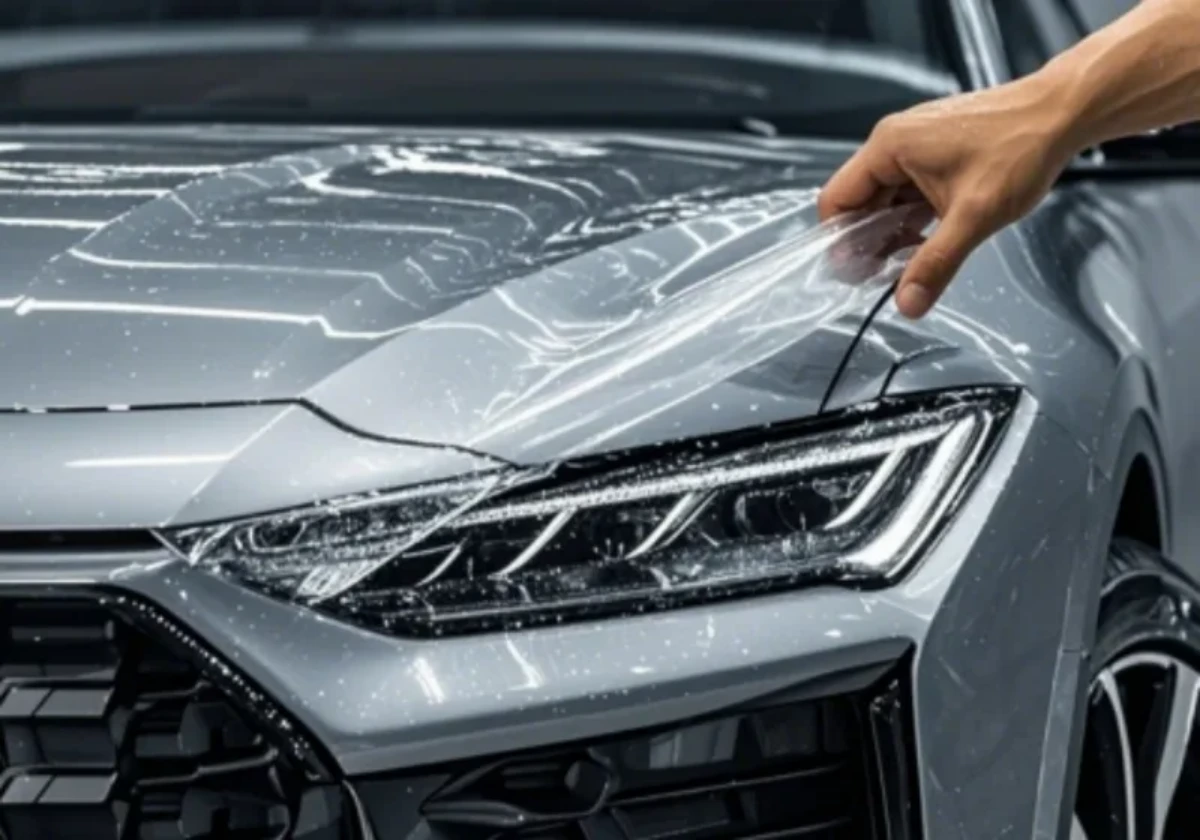
autoli TPU PPF Applied to all brand car models as Rolls-Royce、Chevrolet、Dodge、ds.Our factory cooperates with PPF wholesaler、PPF brand、AutoZone and all so in many countries and regions around the world,like Poland,Denmark,Iran,England,Warranty: 10 years.Our advantages:Collaborate for Lucrative Returns: Source factory;Our customers are all over the world;Short production cycle, quick delivery;Perfect after-sales service;Efficient production reduces costs.Our factory also provides Window Film、car film、TPU PPF、vinyl car wrapping.