

PPF’s transparency allows paint’s natural depth to show through, unlike thick films that dull the finish.,Edge sealing technology for longevity.,PPF Wraps: Factory with Competitive Pricing, Fast Turnaround & Multiple Certifications.
The user pain points of PPF and their solutions:
- Long Installation Downtime – Reduced to 1–2 days with pre-cut kits and rapid-cure adhesives (24-hour bonding).
- Confusion About Maintenance Products – Solved by brand-specific cleaning kits and “approved products” lists to avoid topcoat damage.
- Poor Hydrophobicity Over Time – Restored by SiO? sealant boosters, reviving water repellency every 3–6 months.
- Difficulty Matching Vehicle Contours – Addressed by 3D-scanned, vehicle-specific pre-cut patterns for complex curves (fenders, mirrors).
- Long Installation Downtime – Reduced to 1–2 days with pre-cut kits and rapid-cure adhesives (24-hour bonding).
- Yellowing Over Time – Solved by anti-yellowing formulations with HALS stabilizers and UV absorbers, maintaining clarity for 10 years.
- Uncertainty About Lifespan – Resolved by clear warranty durations (5–15 years) and real-world durability data from field tests.
- Warranty Void Due to DIY Installation – Resolved by offering “DIY-friendly” kits with warranty coverage for proper application.
- Poor Performance in Cold Climates – Fixed with cold-flexible TPU (-40°C tolerance) and frost-resistant adhesives to avoid cracking.
The long-term monitoring and maintenance system after the installation of PPF:
- Summer Heat Protection – Parking in shade or using car covers with UV protection to reduce topcoat oxidation in 35°C weather.
- Seasonal Ceramic Coating Boosts – Applying PPF-compatible ceramic sprays (SiO? content ≥30%) to enhance hydrophobicity.
- Bi-Monthly Edge Lifting Checks – Inspecting door edges, hood seams, and wheel arches with a feeler gauge to detect 0.1mm lifts before water intrusion.
- Humidity Effect Checks – Monitoring for mold growth under PPF in high-humidity regions, especially around door jambs and wheel wells.
- 24-Hour Bird Dropping Protocol – Spraying droppings with water, letting sit 5 minutes, then wiping with microfiber to avoid etching.
- Bi-Weekly Two-Bucket Washing – Using grit guards in separate wash and rinse buckets to avoid reintroducing debris to PPF.
The cutting-edge technology research and development of PPF:
- Multilayer Barrier Films – Nanolaminate structures with alternating TPU and ceramic layers resist chemical corrosion from road salt and bird droppings.
- 3D-Printed Customization – Selective Absorption Fusion (SAF?) 3D printing allows complex PPF geometries with integrated channels for thermal management.
- Smart Sensor Integration – MEMS-based pressure and temperature sensors embedded in PPF monitor impact forces and environmental conditions in real-time.
- Smart UV Indicators – Photochromic dyes in PPF change color when UV exposure exceeds safe levels, alerting users to replacement needs.
- Multifunctional Nanocomposites – Black phosphorus nanosheets in PPF bone cements combine osteogenic activity with photothermal tumor ablation.
- Superhydrophobic Nanostructures – Laser-ablated micro-nano textures on PPF surfaces achieve contact angles >160°, repelling water and debris in extreme weather.
The production supply chain and quality control system of PPF:
- Coating Equipment Sourcing – Procurement of ceramic and self-healing coating lines from specialized industrial machinery providers.
- Adhesion Testing – Peel strength measurements (180°/90°) on sample cuts to verify adhesive bond strength.
- Quality Metrics Dashboard – Real-time monitoring of PPM (parts per million) defects, yield rates, and CPK values.
- Field Testing Programs – Real-world installations monitoring performance over 1–5 years in diverse climates.
- Customs Broker Partnerships – Global logistics firms managing import/export documentation to comply with regional regulations.
- Water Recycling Systems – Closed-loop water usage in cooling processes, sourced from local utilities with treatment partnerships.
- Design for Quality (DFQ) – Quality requirements integrated into new product development from concept stage.
- Digital Quality Records – Cloud-based storage of test results and audit reports for regulatory compliance and traceability.
- Batch Testing Protocols – Random sampling of finished rolls (1 per 50) for full performance characterization.
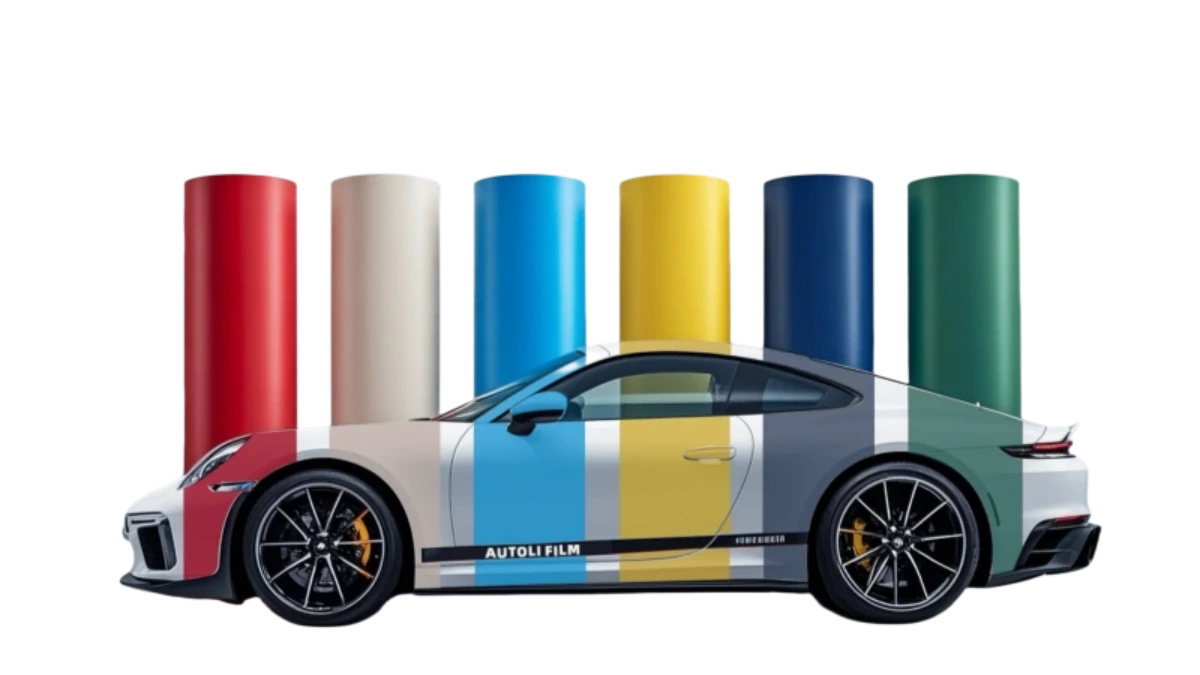
TPU PPF VS PET PPF:
- Impact Energy Absorption – TPU PPF’s viscoelastic properties dissipate 60% of impact energy, while PET PPF’s rigid structure absorbs only 25%.
- High-Humidity Performance – TPU PPF resists mold growth in 90% humidity, while PET PPF may develop mildew under film in tropical climates.
- Removability – TPU PPF peels cleanly after 5 years, whereas PET PPF often leaves adhesive residue requiring professional removal.
- Anti-Fog Properties – Hydrophilic TPU PPF options prevent headlight fogging, a feature absent in PET PPF.
- EV Compatibility – Heat-resistant TPU PPF protects battery zones up to 120°C, while PET PPF degrades above 80°C.
- Weather Adaptability – TPU PPF performs in coastal salt spray, while PET PPF shows corrosion under film in high-humidity environments.
- Industrial Chemical Resistance – TPU PPF resists oil and coolant spills, while PET PPF swells and discolors upon contact with industrial fluids.
- Storm Resilience – TPU PPF withstands hailstones up to 12mm, whereas PET PPF cracks under 8mm hail impacts.
- Long-Term Adhesion – TPU PPF maintains 90% adhesion after 7 years, while PET PPF’s adhesion drops to 50% after 4 years.
The extension of PPF’s functions:
- Before: Front air dam with road rash from low ground clearance; After: Thick PPF lines the dam, hiding existing damage and absorbing impact from road debris.
- Before: Windshield cowl with leaves and debris trapped, causing stains; After: PPF covers cowl, hiding stains and simplifying debris removal.
- Before: Door window weatherstripping with paint worn where it contacts glass; After: PPF lines contact areas, hiding wear and reducing friction damage.
- Before: Rear wiper blade pivot point with rust; After: PPF seals the pivot, covering rust and preventing water from accelerating corrosion.
- Before: Wheel well liners with paint transfer from tires; After: PPF lines liners, hiding transfer and preventing rubber from damaging paint further.
- Before: Wheel valve stem caps with faded color; After: PPF covers caps, preserving color and resisting scratches from tire pressure checks.
The construction and maintenance of PPF:
- Pre-Cut Alignment – Laser-precut films are aligned using registration marks to match vehicle contours exactly.
- Minor Bubble Repair – Using a heat gun and squeegee to reactivate adhesives and push out small bubbles post-installation.
- Post-Cut Edge Deburring – Trimming excess film with a fresh blade removes sharp edges that could catch dirt or lift over time.
- Emblem Masking with Low-Tack Tape – Removable tape protects badges from accidental cutting or adhesive residue during installation.
- Post-Repair Curing – Allowing 24 hours after minor repairs (e.g., bubble removal) before washing to ensure adhesion.
- Humidity-Controlled Workspace – Maintaining 40–60% humidity during installation prevents rapid adhesive drying and ensures proper bonding.
The user scenarios and value validation of PPF:
- Desert Dwellers – Blocks UV-induced fading in Dubai and Phoenix, keeping paint vibrant 3x longer than unprotected vehicles in 45°C heat.
- Performance Car Drivers – Shields Porsche GT3 and BMW M4 hoods from brake dust and tire debris during track days, reducing post-event detailing time by 2 hours.
- New Car Buyers – Guards fresh factory paint on brand-new vehicles, with 98% of users avoiding “first scratch” frustration in the first 6 months.
- Antique Fire Truck Collectors – Preserves vintage 1950s fire engine paint while allowing parade use, with reversible PPF preventing permanent damage.
- Luxury Yacht Tenders – Guards small boat hulls from dock collisions, with marine-grade PPF reducing gel coat repairs by 60% in saltwater environments.
- RV and Camper Owners – Protects travel trailer exteriors from highway debris, reducing “road rash” damage by 70% during cross-country trips.
- Agricultural Vehicle Users – Shields tractor cabs from crop debris and mud, maintaining visibility and reducing cleaning time by 30% per week.
The environmental protection and sustainability of PPF:
- Mycelium Packaging Inserts – Mushroom-based packaging protects PPF during shipping, decomposing in 45 days without chemicals.
- Bulk Roll Distribution – Supplying large rolls to installers reduces packaging waste by 70% compared to pre-cut kit packaging.
- Environmental Product Declarations (EPDs) – Public EPDs disclose carbon footprint and resource use, enabling informed consumer choices.
- Thin-Film Technology – 6-mil PPF matches 8-mil protection, using 25% less material while maintaining performance.
- Low-Impact Installation – Water-based application solutions replace harsh solvents, minimizing environmental harm during professional installation.
AUTOLI(CN) PPF(Paint Protection Film) oem manufacturer
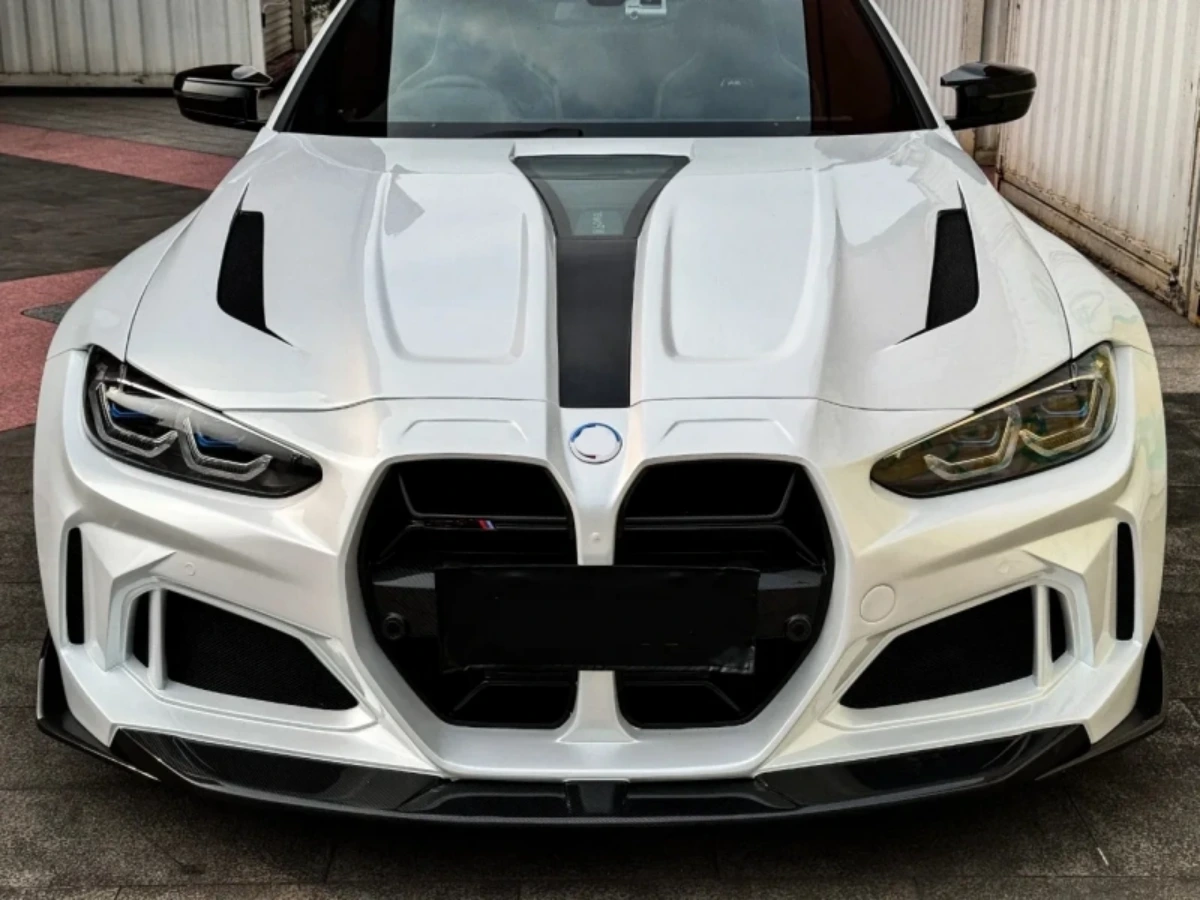
autoli TPU PPF Applied to all brand car models as Maserati、Toyota、Lamborghini、Bugatti.Our factory cooperates with Auto Detailing service、Auto Detailing Shop、PPF trading、ppf installation、Car Customization Shop and all so in many countries and regions around the world,like Australia,Cyprus,Poland,Brazil,Warranty: 10 years.Our advantages:Perfect after-sales service;Your Key to Profitable PPF Ventures;Short production cycle, quick delivery.Our factory also provides PPF Vinyl Car Wrap、Vinyl wrapping.