

PPF’s application on door handles prevents nail scratches from entry/exit, a high-touch area prone to wear.,Shields paint from scratches with durable TPU material.,Link Up with Us: High – Quality, Style – Laden PPF, Cost – Saving Deals.
Say Goodbye to Car Scratches: Self-Healing PPF Revealed!:
- Self-healing properties work year-round, from summer sun triggering rapid repairs to winter garage warmth gradually fixing cold-weather scratches.
- Work truck scratches from tools or equipment heal, preserving paint on vehicles used daily for labor.
- Self-healing PPF reduces the need for expensive “paint correction” services, saving hundreds annually in maintenance.
- Even after 5 years of use, self-healing PPF retains 80% of its repair efficiency, extending its aesthetic lifespan beyond basic protection.
- Self-healing PPF’s topcoat works with its TPU layer to ensure repairs don’t compromise water resistance or gloss.
- Self-healing technology withstands 10,000 repair cycles, ensuring long-term performance for high-mileage vehicles.
- Fine scratches from dust or dry wiping vanish, making low-effort maintenance safe for preserving your car’s finish.
- Microfiber drying scratches vanish, making DIY cleaning safer for preserving your car’s finish.
- Scratches from automatic car washes—even with soft brushes—heal quickly, eliminating the need to avoid convenient cleaning options.
- TPU’s molecular structure “remembers” its original form, reforming even after repeated minor damage over time.
The production supply chain and quality control system of PPF:
- Extrusion Process Management – Real-time monitoring of temperature, pressure, and speed to ensure consistent film thickness.
- Audit Schedules – Internal audits quarterly, external audits annually to verify QMS effectiveness.
- Cost Optimization – Annual renegotiation of supplier contracts with volume-based discounts for raw materials.
- Defect Classification System – Categorization of flaws (pinholes, bubbles, streaks) by severity to guide corrective actions.
- Packaging Material Supply – Partnerships with recyclable packaging manufacturers to align with sustainability goals.
- Pre-Shipment Inspections – Final quality checks before dispatch, including roll dimensions, labeling, and packaging integrity.
- Just-In-Time Inventory – Raw material delivery aligned with production schedules, reducing warehouse costs by 20–30%.
- FIFO Inventory Rotation – First-in, first-out storage to ensure PPF rolls are shipped within optimal shelf life (12–18 months).
The market trends and industry changes of PPF:
- Commercial Fleet Adoption – Delivery giants like Amazon and JD.com are equipping 70% of new vans with PPF, reducing fleet repaint costs by $300 per vehicle annually.
- Nano-Edge Sealing – Nanoscale adhesives in edge layers prevent water ingress, reducing edge lifting by 75% compared to traditional sealing methods.
- Southeast Asia Market Surge**- Indonesia and Vietnam’s PPF markets are growing at 11% CAGR, driven by rising middle-class car ownership and demand for affordable protection packages.
- Premiumization Amid Inflation – Luxury PPF prices rose 12% in 2024, while budget options stayed stable, as brands prioritize high-margin segments.
- Integration of Ceramic Coatings – PPF-safe ceramic coatings applied post-installation (e.g., Onyx PPF Nano Coat) boost scratch resistance by 40%, creating hybrid protection solutions.
- Regulatory Push for Transparency – The EU’s Digital Product Passport initiative requires PPF manufacturers to disclose material composition and recycling options, driving supply chain accountability.
- Regional Market Expansion in Asia-Pacific – The Asia-Pacific PPF market is growing at a 6.6% CAGR, led by China and India, where rising vehicle ownership and premium car sales drive demand for long-lasting protection solutions.
Why TPU PPF:
- Lightweight Construction – Aluminum’s low density (2.7 g/cm3) simplifies installation, requiring fewer structural supports than wooden alternatives.
- Low Maintenance – Eliminates need for painting, staining, or sealing, reducing upkeep costs by 70% vs. wood.
- Marine-Grade Options – 6061-T6 aluminum alloys resist saltwater corrosion for coastal properties.
- Adjustable Roof Options – Compatible with louvered systems for rain/sun control (manual or motorized).
- DIY-Friendly Instructions – Step-by-step manuals with diagrams for homeowner installation.
- Year-Round Use – Can be enclosed with glass or plastic panels for winter protection.
- Export-Friendly – Lightweight packaging reduces international shipping damage risks.
- Customizable Sizes – Available in standard (3m×4m) to large (6m×10m) dimensions, with modular designs for expansion.
- Color Retention – UV-stable pigments resist fading, maintaining appearance in direct sunlight.
The product classification and selection logic of PPF:
- Finish Sensitivity Matching – Using matte-specific PPF to prevent gloss distortion on specialty paint jobs.
- Abrasion Resistance Needs – Upgrading to ceramic-infused PPF for high-traffic areas (door handles, step plates).
- Weathering Resistance Needs – Selecting multi-layer PPF with ceramic topcoats for extended hydrophobicity in rainy regions.
- Finish Enhancement Goals – Selecting high-gloss PPF to amplify paint shine for show vehicles or luxury cars.
- Application-Specific Lines – Categorized for automotive, motorcycle, marine, or industrial use, each optimized for their environment.
- Edge Seal Technology Selection – Upgrading to heat-sealable PPF for car wash frequenters to prevent edge lifting.
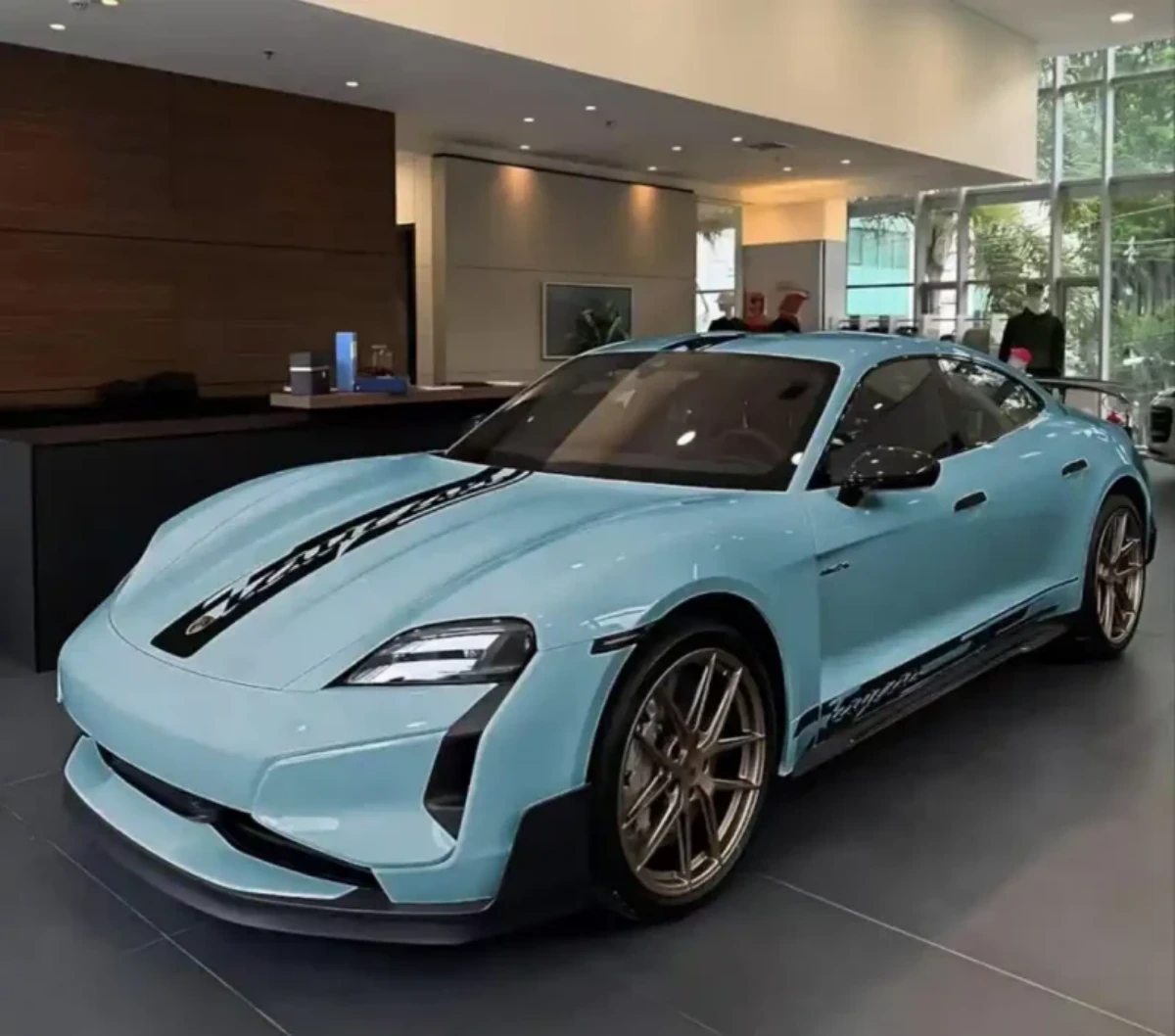
TPU PPF VS PET PPF:
- Petroleum Dependency – TPU PPF offers 30% bio-based options, while PET PPF remains 100% petroleum-derived with no sustainable alternatives.
- Moisture Barrier – TPU PPF prevents water intrusion for 72 hours, while PET PPF allows moisture penetration after 24 hours at edges.
- Installation Waste – TPU PPF generates 30% less scrap during installation than PET PPF due to better cutability.
- Impact Energy Absorption – TPU PPF’s viscoelastic properties dissipate 60% of impact energy, while PET PPF’s rigid structure absorbs only 25%.
- Thickness Options – TPU PPF ranges 6–15mil for tailored protection, whereas PET PPF is limited to 4–8mil due to brittleness at greater thicknesses.
- Dust Repellency – TPU PPF’s nano-textured surfaces reduce dust adhesion by 40%, while PET PPF attracts 25% more surface dust.
The cutting-edge technology research and development of PPF:
- AI-Powered Quality Control – Machine vision systems with deep learning algorithms detect sub-micron defects in real-time, achieving 99.9% accuracy in production lines.
- Graphene-Reinforced Composites – Graphene oxide nanoplatelets (GONPs) and molybdenum disulfide (MoS?) nanoparticles increase PPF tensile strength by 262% and compressive modulus by 108%.
- AI-Optimized Formulations – Machine learning models predict material performance across 10,000 TPU variants, accelerating R&D cycles by 60%.
- Nano-Structured Anti-Graffiti Coatings – Superhydrophobic and oleophobic surfaces repel spray paint, allowing easy removal with water rinsing.
- Bio-Based Antioxidants – Rosemary extract and tocopherol derivatives replace synthetic stabilizers, extending PPF lifespan by 30% in UV exposure.
- AI-Powered Predictive Maintenance – Machine learning models analyze sensor data to predict PPF degradation, scheduling replacements before failure.
- Nano-Textured Anti-Icing Surfaces – Laser-induced nanostructures reduce ice adhesion strength by 80%, preventing snow accumulation on vehicles.
- Dynamic Mechanical Response Coatings – Shape memory polyurethanes with programmable stress-strain curves adapt to impact forces in automotive collisions.
- AI-Powered Predictive Maintenance – Machine learning models analyze sensor data to predict PPF degradation, scheduling replacements before failure.
The regulations of PPF and after-sales services:
- Regional Regulatory Exemptions – Medical device packaging and hazardous goods transportation are exempt from EU PPWR’s recyclability rules, affecting niche PPF applications .
- India’s BIS Certification for PP Materials – Polypropylene (PP) used in PPF production must meet India’s BIS certification under IS 10951:2020, ensuring quality and safety for domestic and export markets .
- Nano-Coating Warranty Bundles – Hybrid solutions combining PPF with ceramic coatings (e.g., Onyx PPF Nano Coat) offer extended warranties covering both layers .
- Solvent-Free Adhesive Requirements – EU REACH and California CARB regulations push PPF producers to adopt solvent-free adhesives, reducing carbon footprints by up to 80% .
- Regional Warranty Variations – PPF warranties often differ by region; for example, monsoon-prone areas may offer extended coverage for water ingress issues .
- Anti-Yellowing Guarantees – Brands like Aegis Eternal 400 offer 15-year warranties against yellowing, using HALS stabilizers to maintain optical clarity over extended periods .
- EU PPWR Packaging Mandates – The EU’s Packaging and Packaging Waste Regulation (PPWR) requires PPF packaging to be recyclable by 2030 and prohibits PFAS in food-contact packaging, impacting material choices and disposal practices .
- China’s Consumer Complaint Channels – PPF buyers in China can file quality-related disputes through the national 12315 hotline, facilitating regulatory oversight and resolution .
- Australia’s UV Protection Standards – PPFs sold in Australia/NZ must comply with AS/NZS 4399 for UV protection, requiring UPF ratings ≥15 and transparency in labeling .
AUTOLI(CN) PPF(Paint Protection Film) factory
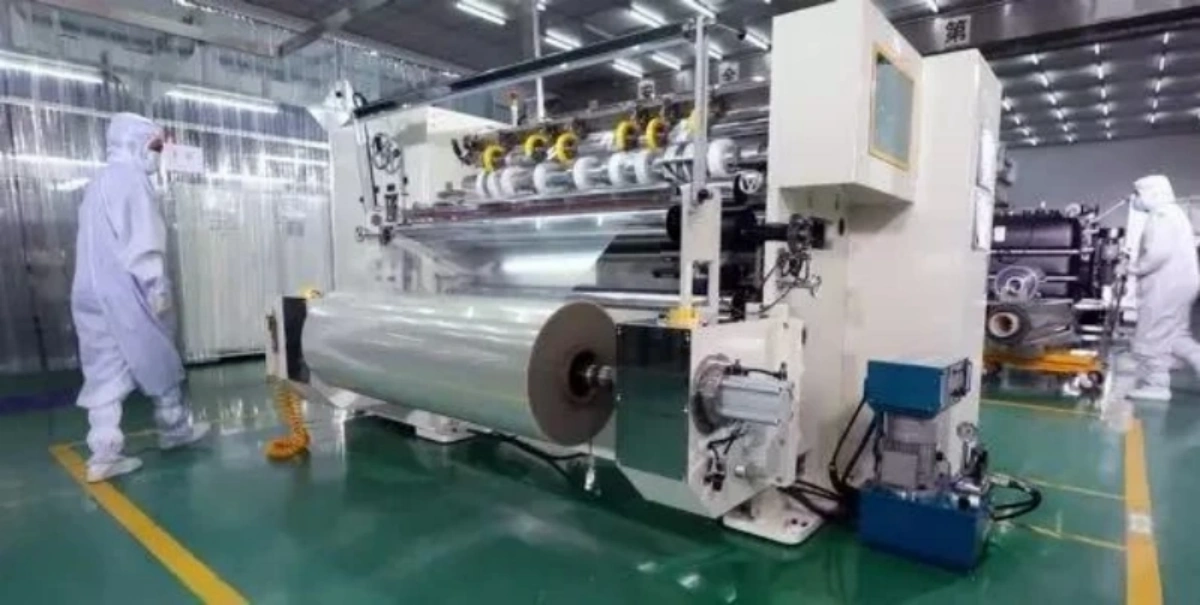
autoli TPU PPF Applied to all brand car models as Nissan、Chrysler、Honda、ds、byd、mini.Our factory cooperates with PPF installer、Auto Spa、Car Customization Shop、PPF wholesale and all so in many countries and regions around the world,like Luxembourg,Mexico,Macedonia,Uruguay,Warranty: 10 years.Our advantages:Raw material purchasing advantage;Efficient production reduces costs;Short production cycle, quick delivery;Unlock Business Growth with Our Factory’s PPF.Our factory also provides Windshield Protection Film、Window Film.