

PPF’s precise cutting around badges avoids unsightly edges, maintaining the vehicle’s original design aesthetics.,Minimizes dealer transport scratches on new cars.,Power Business Expansion: Low – Priced PPF Wraps, Prompt Shipments, Reputable Certifications.
The protective performance of PPF:
- **Mechanical Abrasion Protection** – Protects against abrasions from objects rubbing against the vehicle, such as shopping carts in a parking lot or branches brushing against the side during off – road driving.
- Stone Chip Protection – Shields against chips and dents caused by stones, gravel, and other road debris.
- Tree Sap and Bird Dropping Resistance – Resists etching and staining from tree sap, bird droppings, and other organic substances.
- **Self – Healing under Artificial Heat Sources** – Besides sunlight, PPF can also self – heal when exposed to artificial heat sources like a hairdryer, quickly repairing minor scratches.
- Longevity – Offers long-term protection, with warranties ranging from 5 to 10 years depending on the product.
- **Enhanced Surface Smoothness** – PPF creates a smooth surface, which not only improves the appearance but also reduces the friction that could potentially cause scratches or abrasions.
- Transferable Warranty – Enhances resale appeal by extending coverage to subsequent owners, adding value.
The product classification and selection logic of PPF:
- Usage Pattern Matching – Opting for 10 mil thick PPF for highway commuters vs. 6–8mil for urban drivers with lower debris exposure.
- Environmental Value Selection – Prioritizing bio-based or recyclable PPF for eco-conscious buyers despite higher upfront costs.
- Long-Term Storage Consideration – Opting for breathable PPF for vehicles in long-term storage to prevent moisture trapping.
- Wear Pattern Prediction – Selecting thicker PPF for historically high-wear areas based on vehicle model data.
- Low-Temperature Flexibility – Choosing cold-resistant PPF for regions with sub-zero winters to prevent cracking.
The environmental protection and sustainability of PPF:
- Biodegradable Release Liners – Plant-based paper liners replace plastic, decomposing in 6 months and reducing packaging waste by 60%.
- Mycelium Packaging Inserts – Mushroom-based packaging protects PPF during shipping, decomposing in 45 days without chemicals.
- LED Lighting in Factories – Energy-efficient LED lighting cuts factory electricity use by 40% compared to fluorescent systems.
- Water Conservation in Production – Closed-loop water systems in manufacturing reduce freshwater usage by 70%, limiting strain on local water resources.
- Non-Toxic Disposal – PVC-free PPF avoids toxic chlorine release during incineration, making disposal safer for waste management workers.
- Waterless Cleaning Compatibility – PPF works with waterless wash sprays, saving 100 gallons per cleaning session versus traditional washing.
- Plant-Derived UV Stabilizers – Natural antioxidants replace synthetic HALS, maintaining anti-yellowing performance with 60% renewable content.
- Energy Recovery from Waste PPF – Non-recyclable PPF is converted to energy via waste-to-energy plants, reducing reliance on fossil fuels.
- Recyclable PPF Materials – End-of-life TPU films are recyclable into secondary products like industrial mats, diverting 80% from landfills under closed-loop programs.
How TPU Redefines PPF:
- Anti-Yellowing Innovation – TPU blended with HALS stabilizers redefined PPF from yellowing-prone films to clear protectors maintaining transparency for decades.
- Eco-Friendly Evolution – Recyclable TPU redefined PPF from single-use plastic waste to circular economy products with end-of-life material recovery.
- Material Safety Shift – TPU’s non-toxic composition redefined PPF from PVC-based films (with harmful plasticizers) to eco-friendly options meeting global safety standards.
- Future-Proofing – TPU’s adaptability to new technologies redefined PPF from static products to evolving solutions compatible with AI, IoT, and next-gen vehicle systems.
- Inclusive Design – TPU’s compatibility with all vehicle makes/models redefined PPF from luxury-only products to accessible protection for economy cars and classics.
- Matte Finish Compatibility – TPU’s texture-preserving formulations redefined PPF from gloss-only products to matte-safe films that maintain specialty paint textures.
The user perception and consumption misconceptions of PPF:
- Consumer Misconception: “Matte PPF Holds More Dirt” – Avoiding matte finishes due to perceived maintenance issues, not realizing their texture repels dust better than gloss.
- Consumer Misconception: “PPF Blocks Car Washes” – Avoiding automated washes due to fear of damage, when brushless systems are actually safe for properly installed PPF.
- Correct Perception: Interior PPF Benefits – Users protect dashboards and touchscreens, reducing UV fading and scratch visibility by 80%.
- Correct Perception: Matte Finish Compatibility – Educated buyers seek matte-specific PPF, avoiding gloss films that ruin specialty paint textures.
- Correct Perception: Self-Healing Efficacy – Most users recognize PPF can repair minor scratches (≤3μm) with heat, though many underestimate the need for 40°C activation temperatures.
- Consumer Misconception: “All PPFs Are Identical” – Many buyers assume no quality difference between $500 and $3,000 PPF, neglecting TPU vs. PVC material distinctions.
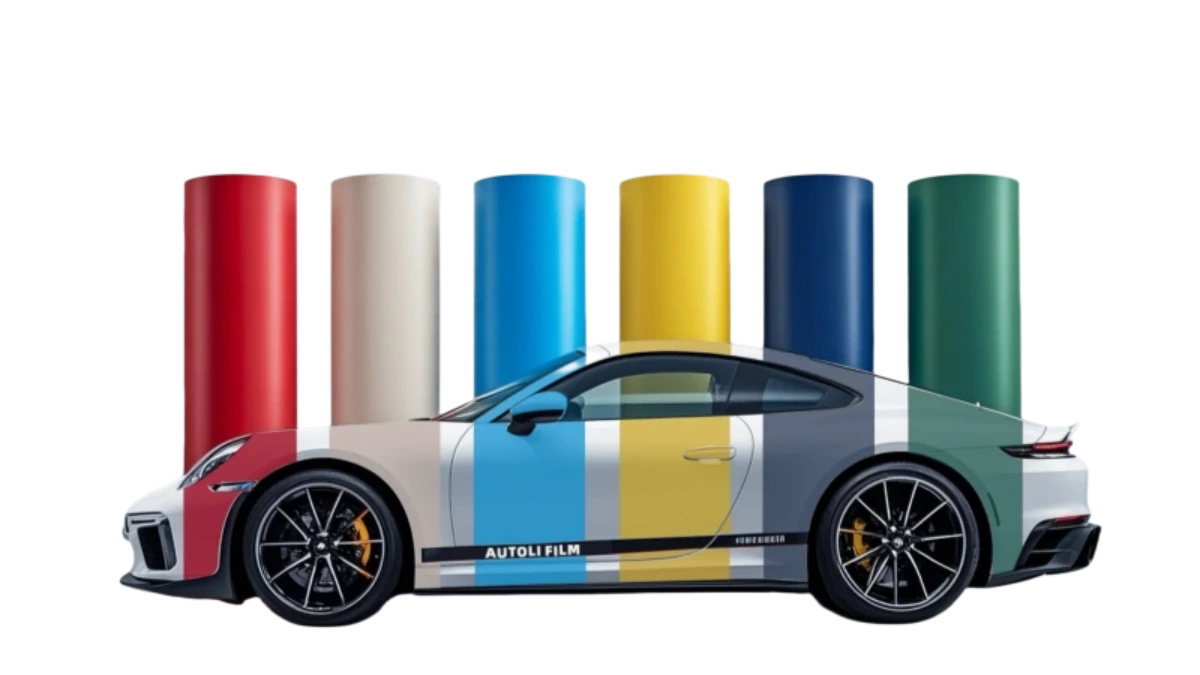
The materials and technologies of PPF:
- Fire-resistant coating: Passes UL94 V-0 certification with flame spread rate <10mm/min, meeting automotive safety standards.
- Anti-static and dust-proof technology: The surface coating adds long-lasting anti-static agents, reducing the electrostatic adsorption force on the film surface, decreasing the frequency of dust and particle adhesion, and prolonging the cleaning cycle.
- Dynamic impact dispersion technology: Integrates micro-elastic buffers within the TPU matrix to分散 and absorb impact energy from high-speed debris, reducing paint indentation risk by over 60%.
- Energy-harvesting film: Integrates photovoltaic cells to generate 0.5W/m2 of power for vehicle electronics.
- Impact memory retention: Maintains 98% of original impact resistance after 10,000 cycles of thermal cycling (-40°C to 80°C).
- UV-responsive fluorescence: Glows under UV light for enhanced visibility in low-light conditions, ideal for emergency vehicles.
- Anti-microbial coating infusion: Incorporates silver-ion nanoparticles to inhibit 99% of bacteria and mold growth on film surfaces in humid climates.
Why TPU PPF:
- Corrosion Resistance – Aluminum alloy pergolas resist rust and oxidation, outperforming steel in humid or coastal environments.
- Cost Predictability – Fixed material costs avoid price fluctuations of lumber markets.
- Noise Reduction – Damped connections minimize creaking sounds in windy conditions.
- Energy Efficiency – Shaded areas reduce air conditioning loads for adjacent buildings by 15%.
- Integration with Accessories – Pre-drilled holes for lights, fans, and shade systems (retractable awnings, curtains).
- Storm Resilience – Quick-disconnect accessories prevent damage during severe weather.
- Fastening Flexibility – Accepts screws, bolts, and rivets for secure accessory attachment.
- Multi-Zone Use – Can cover dining, lounging, and cooking areas in large outdoor spaces.
- Transport Efficiency – Lightweight components reduce shipping costs by 40% vs. steel structures.
The horizontal comparison of PPF with other protection methods:
- PPF vs. Fabric Protectors – Fabric protectors repel stains on interiors, while PPF defends exterior paint, with both using hydrophobic tech but on different materials.
- PPF vs. Chrome Polish – Chrome polish removes tarnish but doesn’t prevent future damage, while PPF on chrome trims resists scratches and maintains shine long-term.
- PPF vs. Anti-Fade Treatments – Anti-fade treatments slow UV damage but don’t prevent scratches, unlike PPF which blocks UV rays and shields against physical wear.
- PPF vs. Multi-Surface Sealants – Multi-surface sealants offer mild protection across materials, while PPF provides specialized, high-impact defense for painted surfaces alone.
- PPF vs. Clear Enamel – Clear enamel is a permanent paint layer that cracks under impact, whereas PPF flexes to absorb collisions and can be replaced if damaged.
- PPF vs. Acrylic Sealants – Acrylic sealants offer temporary gloss (3–6 months) without impact resistance, while PPF adds a physical layer shielding against chips and scratches.
The market trends and industry changes of PPF:
- Online Certification Courses – Platforms like PPF University offer $99 online installer certifications, increasing skilled labor availability in underserved markets.
- Commercial Fleet Adoption – Delivery giants like Amazon and JD.com are equipping 70% of new vans with PPF, reducing fleet repaint costs by $300 per vehicle annually.
- Tropical UV Protection Boost – Films for equatorial regions include 5% more UV absorbers, extending anti-fading performance by 3 years in intense sunlight.
- E-Bike/Scooter PPF Demand – 40% of e-mobility retailers offer PPF for scooter bodies, protecting against urban scratches and extending resale value.
- Heat-Activated Self-Healing Advancements – Next-gen TPU films activate self-healing at lower temperatures (45°C), repairing 98% of micro-scratches within 8 minutes, enhancing consumer appeal.
- Thinner Yet Stronger Films – 6-mil PPF films now match the durability of 8-mil predecessors, reducing material use by 25% while maintaining impact resistance.
The differentiated user group needs matching of PPF:
- Mobile Fitness Studios – Prefer sweat-resistant PPF for interior surfaces, withstanding frequent cleaning and equipment movement.
- Tropical Climate Users – Demand 99% UV-blocking PPF with enhanced HALS stabilizers to prevent paint fading in intense sunlight and humidity.
- Off-Grid Adventurers – Prioritize puncture-resistant PPF with 500% elongation, withstanding brush scratches during remote expeditions.
- Ride-Share Drivers – Opt for durable 8mil PPF with quick-healing properties to resist passenger-related scratches and maintain vehicle appearance.
- Wildlife Research Vehicles – Choose low-gloss PPF that reduces vehicle visibility to animals, while protecting paint from brush and mud in remote areas.
- Electric Scooter Fleets – Use ultra-thin 5mil PPF for lightweight protection, shielding plastic bodies from urban curb impacts and weathering.
- Luxury Yacht Tenders – Choose marine-grade PPF resistant to saltwater and UV, protecting fiberglass hulls from dock collisions and sun damage.
- Rally Racing Teams – Prioritize puncture-resistant PPF with 600% elongation, withstanding extreme terrain impacts during cross-country rallies.
- Drag Racing Vehicles – Require heat-resistant PPF for wheel wells and undercarriages, withstanding high temperatures from tire friction and exhaust.
AUTOLI(CN) PPF(Paint Protection Film) factory
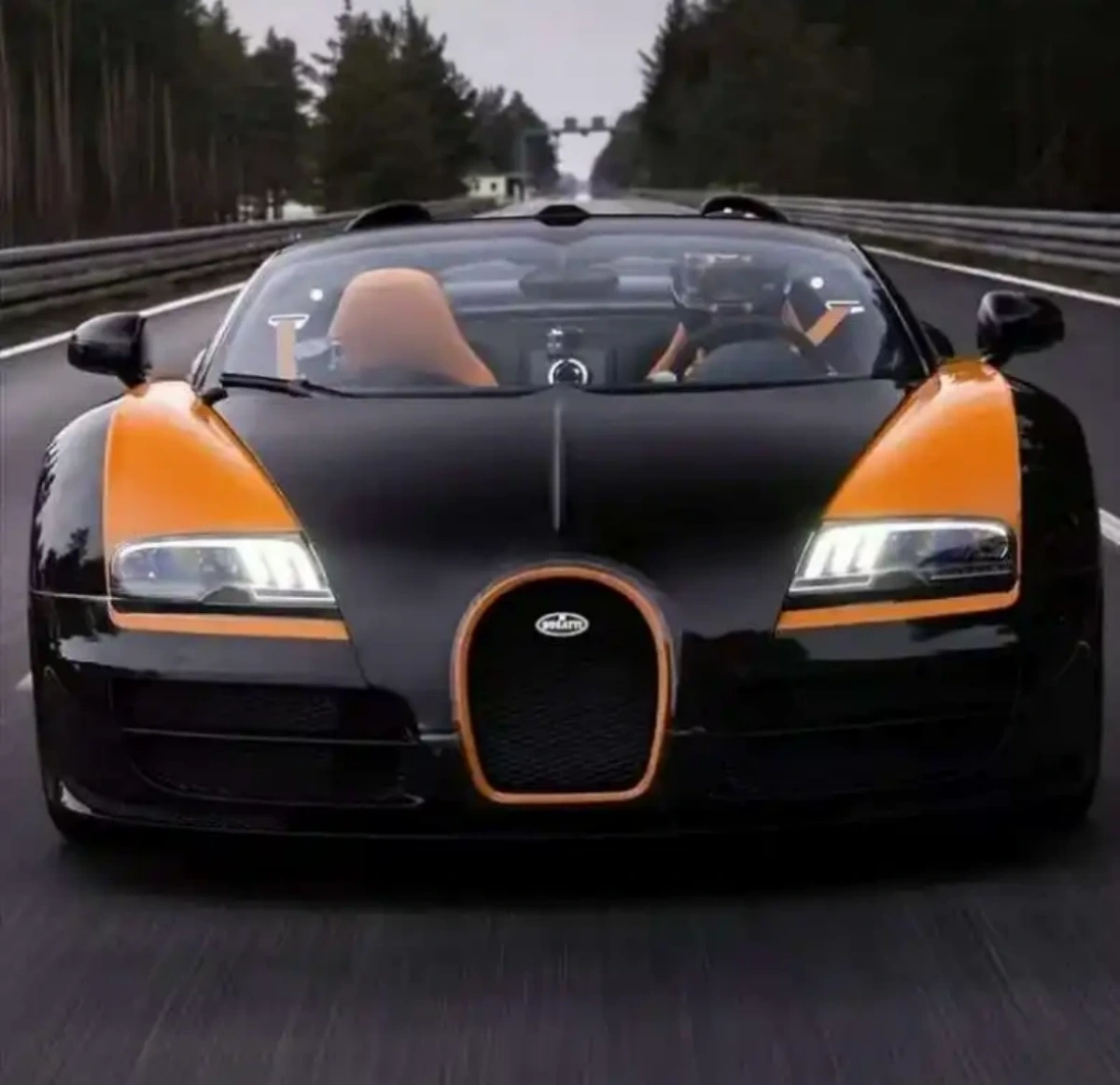
autoli TPU PPF Applied to all brand car models as ds、Mazda、Ferrari、byd.Our factory cooperates with ppf installation、PPF distributor、car Detail and all so in many countries and regions around the world,like Italy,Venezuela,Thailand,Canada,Warranty: 10 years.Our advantages:Our customers are all over the world;Raw material purchasing advantage;High quality raw materials and advanced technology;Our customers are all over the world;Unlock Business Growth with Our Factory’s PPF.Our factory also provides Vinyl Car Wrap、Car PPF.