

PPF withstands -40℃ to 80℃ temps, maintaining flexibility to avoid cracking in cold or warping in extreme heat.,Withstands -40℃ to 80℃ extreme temperatures.,Upgrade to Our Factory’s PPF: Quality Beyond Compare, Business Growth Guaranteed.
The environmental protection and sustainability of PPF:
- Energy-Efficient Curing Ovens – Infrared curing reduces energy use by 50% compared to traditional convection ovens in production.
- Environmental Product Declarations (EPDs) – Public EPDs disclose carbon footprint and resource use, enabling informed consumer choices.
- Energy-Efficient Production – Manufacturers using solar-powered facilities reduce carbon emissions by 40% compared to traditional manufacturing processes.
- Natural Anti-Microbial Additives – Tea tree oil extracts replace synthetic biocides, maintaining hygiene with renewable ingredients.
- Non-Toxic Disposal – PVC-free PPF avoids toxic chlorine release during incineration, making disposal safer for waste management workers.
- Mycelium Packaging Inserts – Mushroom-based packaging protects PPF during shipping, decomposing in 45 days without chemicals.
The differentiated user group needs matching of PPF:
- Cold-Climate Drivers – Need low-temperature flexible PPF (-40°C tolerance) to prevent cracking in frost, snow, and extreme thermal swings.
- Luxury Vehicle Owners – Demand 8.5 mil multi-layer PPF with 10 year anti-yellowing warranties to preserve factory paint and maintain resale value.
- Classic Muscle Car Racers – Opt for heat-dissipating PPF on hoods, reducing under-hood temperatures during vintage races.
- Historic Military Jeep Collectors – Choose olive-drab compatible PPF that preserves original paint while hiding minor scratches from display and transport.
- Classic Car Collectors – Opt for low-tack, reversible PPF that preserves original paint while allowing removal for concours events and inspections.
- Vintage Train Car Owners – Use large-format PPF to protect metal exteriors from rust and paint fading during outdoor display and limited use.
- Coastal Residents – Choose saltwater-resistant PPF with anti-corrosion additives to combat salt spray and humidity-induced oxidation.
- Desert Off-Road Racers – Require sand-resistant PPF with anti-abrasion topcoats, preventing paint damage from blowing sand during races.
- Antique Fire Truck Collectors – Use reversible PPF that preserves vintage red paint while allowing removal for parade展示和 judging.
Before & After: How PPF Transforms a 10-Year-Old Car:
- Before: Roof antenna cable entry point with paint peeling around it; After: PPF seals the entry point, hiding peeling and preventing water intrusion into the cabin.
- Before: Rear tail light gaskets with paint peeling where they meet the body; After: PPF lines gasket edges, hiding peeling and preventing water intrusion.
- Before: Door edge guards with peeling rubber and exposed paint; After: PPF wraps edges, covering exposed areas and preventing further guard deterioration.
- Before: Front license plate bracket with rust and paint loss; After: PPF covers bracket edges, hiding rust and preventing water from worsening corrosion.
- Before: Antenna base with rust spreading to surrounding paint; After: PPF seals the base, covering rust and preventing moisture from worsening corrosion.
- Before: Door window weatherstripping with paint worn where it contacts glass; After: PPF lines contact areas, hiding wear and reducing friction damage.
- Before: Rear tail light wiring harness entry points with paint peeling; After: PPF seals entry points, hiding peeling and preventing water damage to wiring.
- Before: Hood prop rod mounting point with paint worn from contact; After: PPF covers mounting area, hiding wear and reducing friction damage from prop rod.
- Before: Roof rack crossbars with scratched paint from cargo; After: PPF covers bars, hiding scratches and reducing friction damage from cargo movement.
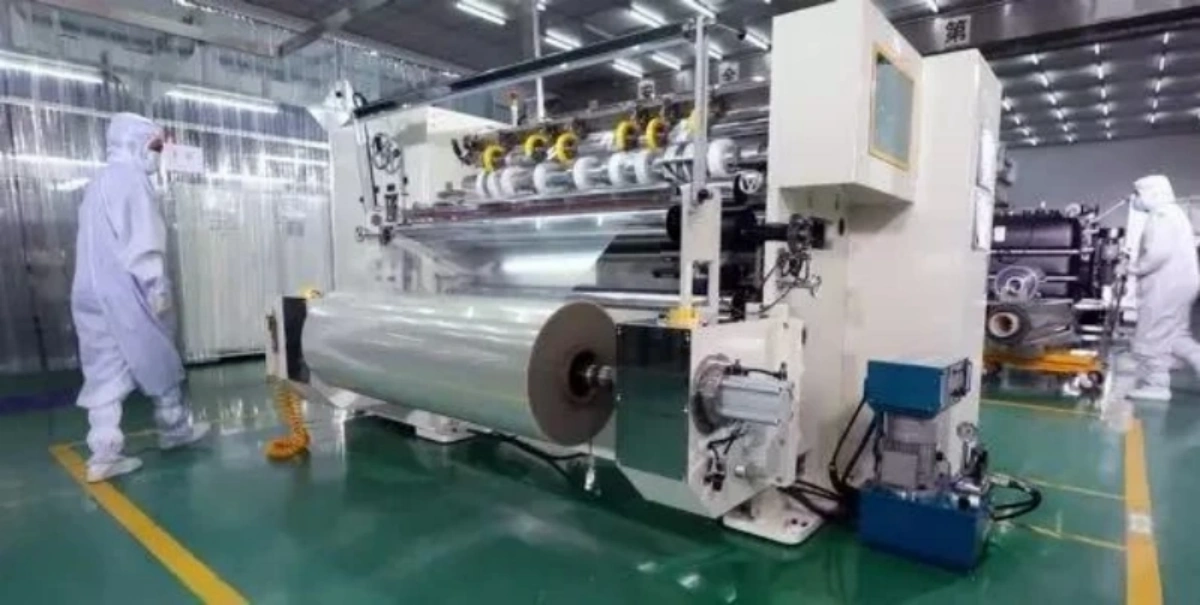
The regulations of PPF and after-sales services:
- Class Action Liability – Manufacturers face potential litigation for non-compliant PPFs, as seen in cases involving PFAS contamination or false warranty claims .
- Customer Support Hotlines – Brands like NAR PPF provide dedicated hotlines (4008 8181 07) for warranty claims, requiring vehicle details and installation records for processing .
- IoT-Enabled Performance Monitoring – Emerging PPFs with embedded sensors monitor UV exposure and damage levels, providing real-time data for predictive maintenance and warranty claims .
- Regulatory Updates for EVs – EV-specific PPFs must comply with OEM heat resistance standards (e.g., 120°C for battery zones) to avoid delamination .
- Australia’s UV Protection Standards – PPFs sold in Australia/NZ must comply with AS/NZS 4399 for UV protection, requiring UPF ratings ≥15 and transparency in labeling .
- Post-Installation Inspections – Professional installers like NAR PPF conduct post-installation checks to ensure edge sealing and material adherence, minimizing warranty claims .
The user pain points of PPF and their solutions:
- Poor Hydrophobicity Over Time – Restored by SiO? sealant boosters, reviving water repellency every 3–6 months.
- Uncertainty About Lifespan – Resolved by clear warranty durations (5–15 years) and real-world durability data from field tests.
- Bird Dropping Etching – Addressed through acid-resistant topcoats and 24-hour removal guidelines to prevent permanent damage.
- Discoloration on Dark Paint – Solved by high-clarity TPU with low-iron content, preventing blue/green tint on black vehicles.
- DIY Installation Failures – Resolved with pre-cut laser patterns, air-release adhesives, and step-by-step video tutorials.
- Fading in Extreme Sunlight – Fixed by 99% UV-blocking films with enhanced carbon black pigments for tropical climates.
How TPU Redefines PPF:
- Aesthetic Enhancement – High-gloss TPU topcoats redefined PPF from invisible protectors to shine-boosting films increasing paint gloss by 20%.
- Future-Proofing – TPU’s adaptability to new technologies redefined PPF from static products to evolving solutions compatible with AI, IoT, and next-gen vehicle systems.
- Disaster Recovery – TPU’s protection during storms redefined PPF from daily-use products to emergency preparedness tools reducing post-storm repair costs.
- Anti-Static Properties – Carbon-infused TPU redefined PPF from dust-attracting films to static-dissipating solutions reducing dirt buildup.
- Industrial Versatility – Heavy-duty TPU redefined PPF from automotive-only products to industrial solutions for machinery, boats, and aerospace equipment.
- Inclusive Design – TPU’s compatibility with all vehicle makes/models redefined PPF from luxury-only products to accessible protection for economy cars and classics.
- Edge Seal Innovation – TPU’s heat-sealable edges redefined PPF from edge-lifting prone films to long-lasting solutions with 75% reduced lifting in car washes.
TPU PPF VS PET PPF:
- Scratch Hardness – TPU PPF with ceramic topcoats achieves 9H hardness, while PET PPF maxes at 6H, showing more visible scratches.
- Biodegradable Options – Some TPU PPF variants biodegrade in 3–5 years, while PET PPF is non-biodegradable with no eco-friendly alternatives.
- Adhesive Aging – TPU PPF’s adhesive retains 80% strength after 5 years, while PET PPF’s adhesive loses 50% strength in 3 years.
- Color Stability – TPU PPF retains tinted colors for 5 years, while PET PPF tint fades 40% within 18 months.
- Weight Difference – TPU PPF adds 1.2kg per vehicle (full wrap), while PET PPF adds 0.8kg due to lower density but reduced coverage efficiency.
The construction and maintenance of PPF:
- Pre-Installation Paint Thickness Gauging – Using a paint meter ensures PPF application won’t exceed safe layers on thin factory paint finishes.
- Masking Non-Target Areas – Using painter’s tape to protect glass, rubber trim, and emblems during cutting and application.
- Monthly Top-Coat Boost – Applying a PPF-specific sealant enhances hydrophobicity and restores gloss over time.
- Tri-Stage Surface Cleaning – Washing, clay barring, and alcohol wipe-downs ensure 99% contaminant removal before PPF application.
- Post-Installation Gassing Period – Allowing 24–48 hours for water evaporation prevents bubbles from forming post-installation.
- Regular Edge Inspections – Checking quarterly for lifting edges allows prompt heat-sealing to prevent further damage.
- Avoid Abrasive Cleaners – Steering clear of compounds, polishes with abrasives, or acidic wheel cleaners protects the topcoat.
- PPF-Safe Adhesive Removers – Specialized solvents clean up installation mistakes without damaging the underlying paint.
- Silicone-Free Cleaners – Avoiding silicone-based products prevents glossy residue that attracts dust to PPF surfaces.
- Avoid Automated Car Washes with Brushes – Brushless washes prevent abrasive contact that can scratch PPF.
AUTOLI(CN) PPF(Paint Protection Film) factory
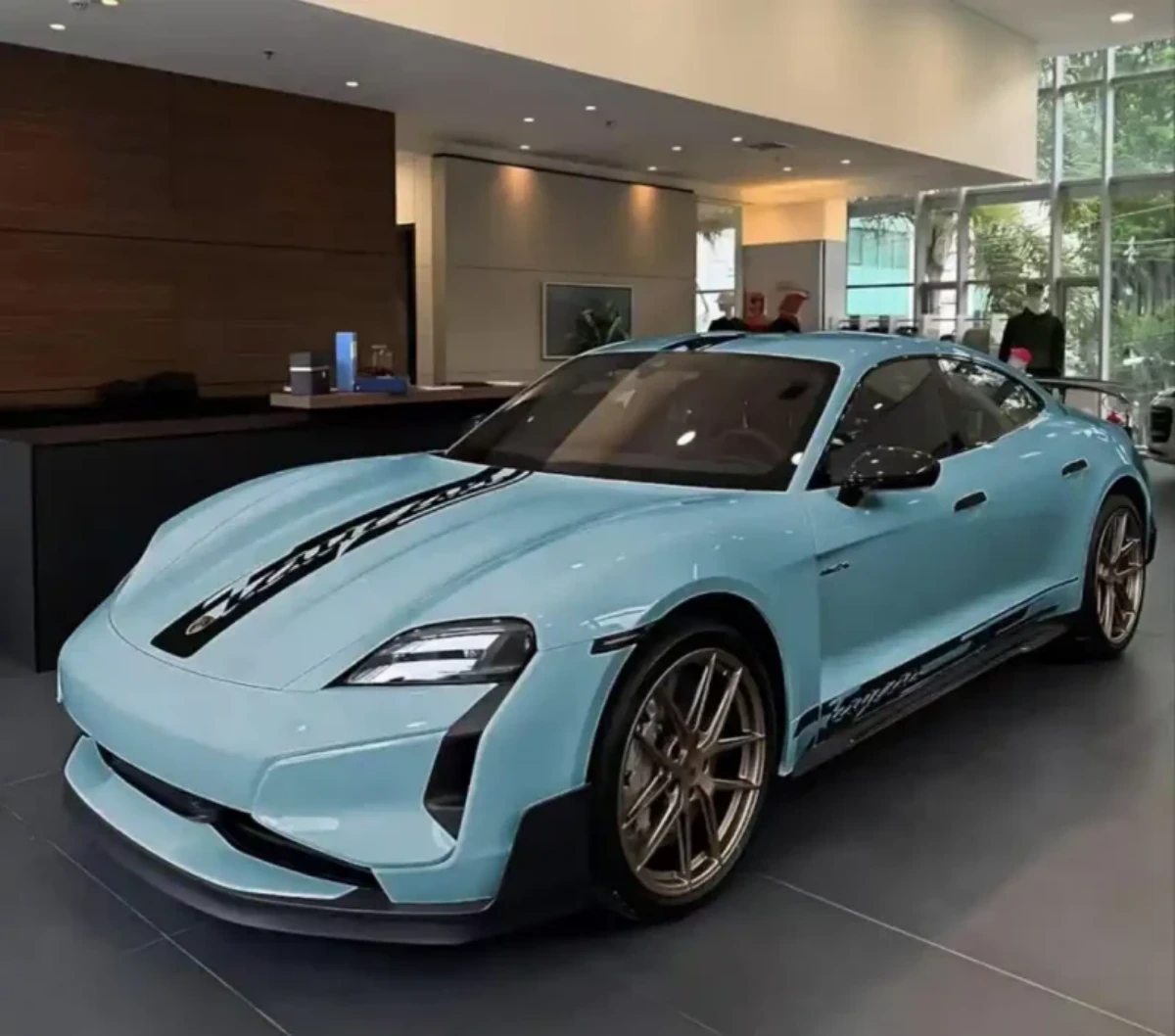
autoli TPU PPF Applied to all brand car models as Buick、Benz、Volkswagen、Rolls-Royce.Our factory cooperates with Auto Detailing service、Car Customization Shop、car Detail and all so in many countries and regions around the world,like Singapore,Poland,Norway,Paraguay,Brunei Darussalam,Colombia,Warranty: 10 years.Our advantages:Efficient production reduces costs;Collaborate for Lucrative Returns: Source factory;Our customers are all over the world.Our factory also provides car wrapping、carwraps.