

PPF’s database of 10k car models ensures perfect fits, avoiding trimming on sensitive areas like logos or emblems.,No aerodynamic impact on vehicle performance.,Partner with Us: Enjoy High – Quality PPF, Diverse Colors, and Unbeatable Prices.
The construction and maintenance of PPF:
- Avoid Parking Near Construction – Reducing exposure to heavy dust, gravel, or paint overspray preserves PPF integrity.
- Ceramic Coating Compatibility – Applying a PPF-safe ceramic coating after 30 days enhances scratch resistance by 40%.
- Overlap Management – Minimal (1–2mm) overlaps on panel seams are heat-sealed to prevent water intrusion and peeling.
- Adhesive Activation Heat Range – Applying 65–75°C heat to edges activates adhesives without damaging the PPF’s topcoat.
- Controlled Environment Setup – Installation in dust-free, temperature-controlled (20–25°C) shops minimizes airborne particle interference.
- Avoid Parking Under Trees – Reducing exposure to sap, berries, and debris minimizes cleaning frequency and potential stains.
The user pain points of PPF and their solutions:
- Uncertainty About Lifespan – Resolved by clear warranty durations (5–15 years) and real-world durability data from field tests.
- Uncertainty About Product Quality – Resolved by third-party certifications (ECOCERT, ISO 9001) and transparent material disclosure.
- Salt Corrosion in Coastal Areas – Mitigated by anti-corrosion additives and salt-resistant adhesives reducing rust under film.
- Difficulty Removing Old PPF – Simplified with low-tack, residue-free adhesives and professional heat-assisted removal services.
- Incompatibility with Custom Paint – Addressed by color-stable PPF formulated for matte, chameleon, and metallic finishes.
- Poor Hydrophobicity Over Time – Restored by SiO? sealant boosters, reviving water repellency every 3–6 months.
The horizontal comparison of PPF with other protection methods:
- PPF vs. Car Covers – PPF provides 24/7 protection during driving/parking, unlike covers that only work when stationary and risk scratching paint during removal.
- PPF vs. Alloy Wheel Sealants – Wheel sealants resist brake dust, while PPF on wheels adds scratch protection, with PPF better handling curb impacts.
- PPF vs. Tire Dressing – Dressing enhances tire shine, while PPF has no role in tire care, illustrating their focus on separate vehicle components.
- PPF vs. Clear Enamel – Clear enamel is a permanent paint layer that cracks under impact, whereas PPF flexes to absorb collisions and can be replaced if damaged.
- PPF vs. Plastic Trim Restorers – Restorers revive faded trim, while PPF prevents UV damage and scratches on trim, maintaining appearance without frequent reapplication.
- PPF vs. Nano-Ceramic Sprays – Nano-sprays enhance chemical resistance for 1–2 years but offer no physical defense, whereas PPF adds a protective barrier against impacts.
- PPF vs. Bug Remover Coatings – Bug coatings make cleanup easier, while PPF resists insect acid etching, with PPF offering proactive protection vs. reactive cleaning aid.
- PPF vs. Rubberized Undercoating – Undercoating protects metal from rust, while PPF defends painted surfaces from road debris, with non-overlapping application zones.
- PPF vs. Polymer Sealants – Polymer sealants offer 3–6 months of chemical resistance but no physical defense, while PPF provides both for 5 years.
The production supply chain and quality control system of PPF:
- Adhesion Testing – Peel strength measurements (180°/90°) on sample cuts to verify adhesive bond strength.
- Lean Manufacturing Practices – 5S and waste reduction initiatives improving consistency and reducing defects.
- Coating Equipment Sourcing – Procurement of ceramic and self-healing coating lines from specialized industrial machinery providers.
- Distribution Network Optimization – Regional hubs in NA, EU, and APAC reducing delivery times to installers by 30–40%.
- Color Stability Verification – Spectrophotometer measurements ensuring ΔE < 2 after accelerated UV exposure.
- Raw Material Testing Protocols – Incoming TPU resin inspections for melt flow rate, tensile strength, and impurity levels.
- Extrusion Process Management – Real-time monitoring of temperature, pressure, and speed to ensure consistent film thickness.
- Quality Metrics Dashboard – Real-time monitoring of PPM (parts per million) defects, yield rates, and CPK values.
- Quality Incentives – Employee bonuses tied to quality metrics (e.g., first-pass yield, defect reduction).
The product classification and selection logic of PPF:
- Cost-Per-Lifespan Analysis – Choosing premium PPF with lower annualized costs despite higher upfront investment.
- Color Stability Prioritization – Selecting tinted PPF with fade-resistant pigments for color-enhancing applications.
- Eco-Friendly Segmentation – Grouped as petroleum-based, bio-based, or recyclable PPF to align with sustainability priorities.
- Weathering Resistance Needs – Selecting multi-layer PPF with ceramic topcoats for extended hydrophobicity in rainy regions.
- Damage Risk Evaluation – Upgrading to impact-resistant PPF for off-road vehicles or high-debris work environments.
- Specialty Surface Matching – Using chrome-specific PPF to prevent pitting and tarnishing on metallic trim.
The cost structure and price composition of PPF:
- OEM Partnership Pricing – Factory-installed PPF sold at 15–20% below aftermarket due to bulk production deals.
- Replacement Part Pricing – Small repair patches cost 2–3x per square foot vs. full rolls due to handling costs.
- Installation Training Costs – Certified installer programs add $50–$100 per vehicle to cover technician certification.
- Scrap Recycling Revenue – Production scrap sold for recycling offsets 1–2% of raw material costs.
- Quality Control Expenses – Automated inspection systems add 3–5% to production costs but reduce warranty claims by 40%.
- Bio-Based TPU Premium – Plant-derived TPU increases raw material costs by 15–20% but supports premium pricing.
- Regional Labor Rate Differences – Installation labor costs 30–50% more in North America vs. Southeast Asia.
The user perception and consumption misconceptions of PPF:
- Correct Perception: Climate-Specific Formulas – Users in deserts seek UV-enhanced PPF, while coastal buyers prioritize saltwater resistance, matching products to environments.
- Correct Perception: Ceramic Coating Enhances PPF Life – Users layer ceramic coatings over PPF, extending topcoat longevity by 2–3 years.
- Consumer Misconception: “New Car Paint Is ‘Protected’ from Factory” – Trusting factory clear coats alone, unaware they lack the impact resistance of PPF.
- Consumer Misconception: “PPF Yellowing Is Inevitable” – Fearing all PPF yellows, unaware that modern anti-yellowing formulas with HALS stabilizers last 10 years clear.
- Correct Perception: Brand Certification Matters – Buyers seek installers certified by brands like XPEL, linking training to better long-term results.
The user scenarios and value validation of PPF:
- Snowmobile Trail Groomers – Resists ice and salt corrosion on heavy machinery, reducing rust formation by 55% in cold-weather operations.
- ,句子结尾加
,各用一句话概括,用英文
- Vintage Motorcycle Collectors – Preserves patina on 1950s Triumphs while preventing further wear, with reversible PPF allowing original condition display.
- Agricultural Vehicle Users – Shields tractor cabs from crop debris and mud, maintaining visibility and reducing cleaning time by 30% per week.
- Ride-Share Drivers – Protects Uber and Lyft vehicles from passenger-related scratches, with 90% of drivers avoiding “excessive wear” lease penalties.
- Coastal Residents – Defends against salt spray corrosion in Miami and Sydney, with PPF-treated vehicles showing 70% less rust formation on lower panels.
- Urban Commuters – Resists parking lot dings and shopping cart scratches in cities like Tokyo, with 85% of users reporting no visible paint damage after 1 year.
- Performance Car Drivers – Shields Porsche GT3 and BMW M4 hoods from brake dust and tire debris during track days, reducing post-event detailing time by 2 hours.
- Off-Grid Adventurers – Shields overland vehicles from brush scratches during remote expeditions, avoiding costly field repairs in inaccessible areas.
The protective performance of PPF:
- Commercial Vehicle Anti-Graffiti – Repels spray paint and markers, allowing quick removal without damaging fleet vehicle finishes.
- **Anti – Static Property** – PPF has anti – static properties, which means it attracts less dust and dirt compared to non – protected surfaces, helping to keep the vehicle cleaner.
- **Moisture Barrier** – PPF acts as a moisture barrier, preventing water from seeping into the paint and potentially causing rust or corrosion, especially in areas with high humidity or salty road conditions.
- Professional Installation Training – Certified installers ensure bubble-free application and optimal edge sealing.
- Easy Interior Maintenance – Wipes clean with mild soap and water, requiring minimal effort to keep surfaces spotless.
- Weather Resistance – Withstands extreme temperatures, humidity, rain, snow, and other harsh weather conditions.
- Yellowing Resistance – Prevents discoloration caused by UV exposure, environmental pollutants, and natural aging processes.
- Low-Friction Surface – Smooth texture reduces friction from日常 use, minimizing abrasions and scratches.
- High-Speed Debris Impact Resistance – Thickened formulations like Suntek Ultra Defense shield against gravel and high-velocity road debris at highway speeds.
- 10-Year Warranty Coverage – Protects against yellowing, cracking, delamination, and bubbling for decade-long peace of mind.
AUTOLI(CN) PPF(Paint Protection Film) oem manufacturer
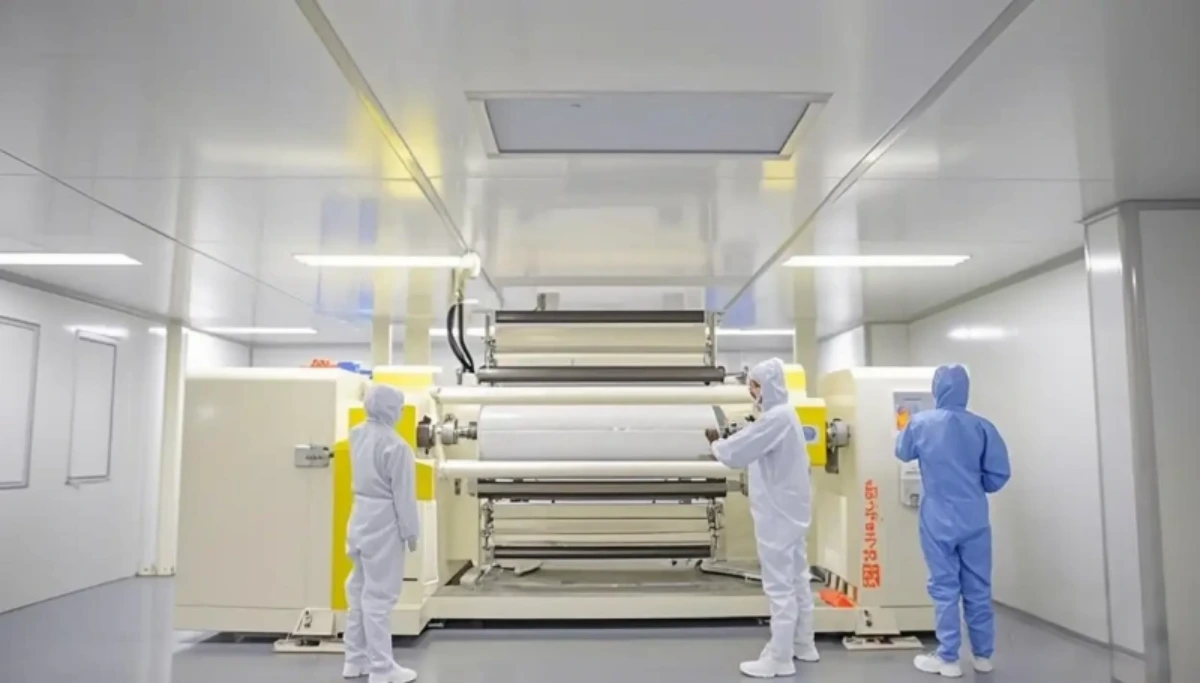
autoli TPU PPF Applied to all brand car models as Buick、Dodge、volvo、ford、Rolls-Royce、Maserati.Our factory cooperates with Auto Detailing service、PPF distributor、Auto Repair Center and all so in many countries and regions around the world,like United States,Holland,Ecuador,Japan,Warranty: 10 years.Our advantages:Efficient production reduces costs;Our customers are all over the world;Your Key to Profitable PPF Ventures;SGS, ASTM, REACH, UL and other certifications.Our factory also provides Car Wrap Vinyl、PPF FILM、Vinyl wrapping.