

PPF’s resistance to chemical spills (like gasoline) prevents paint damage, a benefit for drivers who refuel frequently.,Resists gasoline spills on paint surfaces.,Our Factory Offers: Certified PPF, Competitive Rates.
The protective performance of PPF:
- Self-Healing in Low-Temperature Conditions – Advanced films like CarPro Immortal? activate self-healing even at -20°C without external heat.
- Carbon Fiber & Piano Black Protection – Shields high-wear interior surfaces like carbon fiber and glossy trims from scratches.
- Brake Dust Chemical Resistance – Resists etching from iron-rich brake dust, maintaining wheel and fender clarity in high-performance vehicles.
- High-Speed Debris Impact Resistance – Thickened formulations like Suntek Ultra Defense shield against gravel and high-velocity road debris at highway speeds.
- Ceramic Coating Compatibility – Optional ceramic layers enhance hydrophobicity for easier cleaning and water repellency.
- Efficient Installation Process – Pre-cut kits and dry/wet application methods reduce installation time by 30% compared to traditional wraps.
- **Protection against Minor Keying** – In the unfortunate event of minor keying, PPF can absorb some of the impact and minimize the damage to the underlying paint.
- Yellowing Resistance – Prevents discoloration caused by UV exposure, environmental pollutants, and natural aging processes.
- Easy Maintenance – Requires minimal cleaning and upkeep, reducing the need for frequent waxing or polishing.
The user pain points of PPF and their solutions:
- Bird Dropping Etching – Addressed through acid-resistant topcoats and 24-hour removal guidelines to prevent permanent damage.
- Uncertainty About Lifespan – Resolved by clear warranty durations (5–15 years) and real-world durability data from field tests.
- Warranty Claim Denials – Prevented by transparent warranty terms, certified installer networks, and digital claim tracking.
- DIY Installation Failures – Resolved with pre-cut laser patterns, air-release adhesives, and step-by-step video tutorials.
- Matte Paint Distortion – Solved by matte-specific PPF (20–30% gloss) designed to preserve texture without shine spots.
- Complex Maintenance – Simplified via pH-neutral cleaning kits, hydrophobic topcoats, and quarterly sealant boosters.
The cost structure and price composition of PPF:
- Equipment Depreciation – Extrusion machines (5–10 year lifespan) contribute 5–7% to per-unit costs annually.
- Small-Batch Premium – Custom colors or finishes cost 30–50% more due to low-volume production inefficiencies.
- Inventory Holding Costs – Warehousing and stock rotation add 2–5% annually to total inventory value.
- Volume Discounts – Fleet purchases reduce per-unit prices by 10–15% for orders over 50 vehicles.
- Material Thickness Pricing – Each mil increase (6→10mil) adds $1–$2 per square foot due to higher material usage.
- Topcoat Quality Impact – Ceramic-infused topcoats add $0.50–$1.00 per square foot but enable 10–15% price premiums.
Say Goodbye to Car Scratches: Self-Healing PPF Revealed!:
- Morning scratches from your commute can vanish by afternoon sunlight, keeping your car looking pristine throughout the day.
- Commercial vehicles (taxis, delivery vans) stay presentable longer, reducing fleet downtime for appearance maintenance.
- Top brands back self-healing PPF with 5–15 year warranties, guaranteeing repair performance for the film’s lifespan.
- Car dealerships keep demo vehicles looking new with self-healing PPF, reducing reconditioning costs between test drives.
- Self-healing repair is chemical-free, using only heat to trigger natural molecular reformation in the TPU film.
- Self-healing PPF’s topcoat works with its TPU layer to ensure repairs don’t compromise water resistance or gloss.
- Jewelry scratches on door handles (from watches, bracelets) heal, preserving appearance in high-touch areas.
- Scratches from bicycle racks or roof carriers on SUVs and trucks heal, preserving paint on utility-focused vehicles.
- Consistent repair quality across flat and curved panels ensures your entire vehicle maintains a flawless appearance.
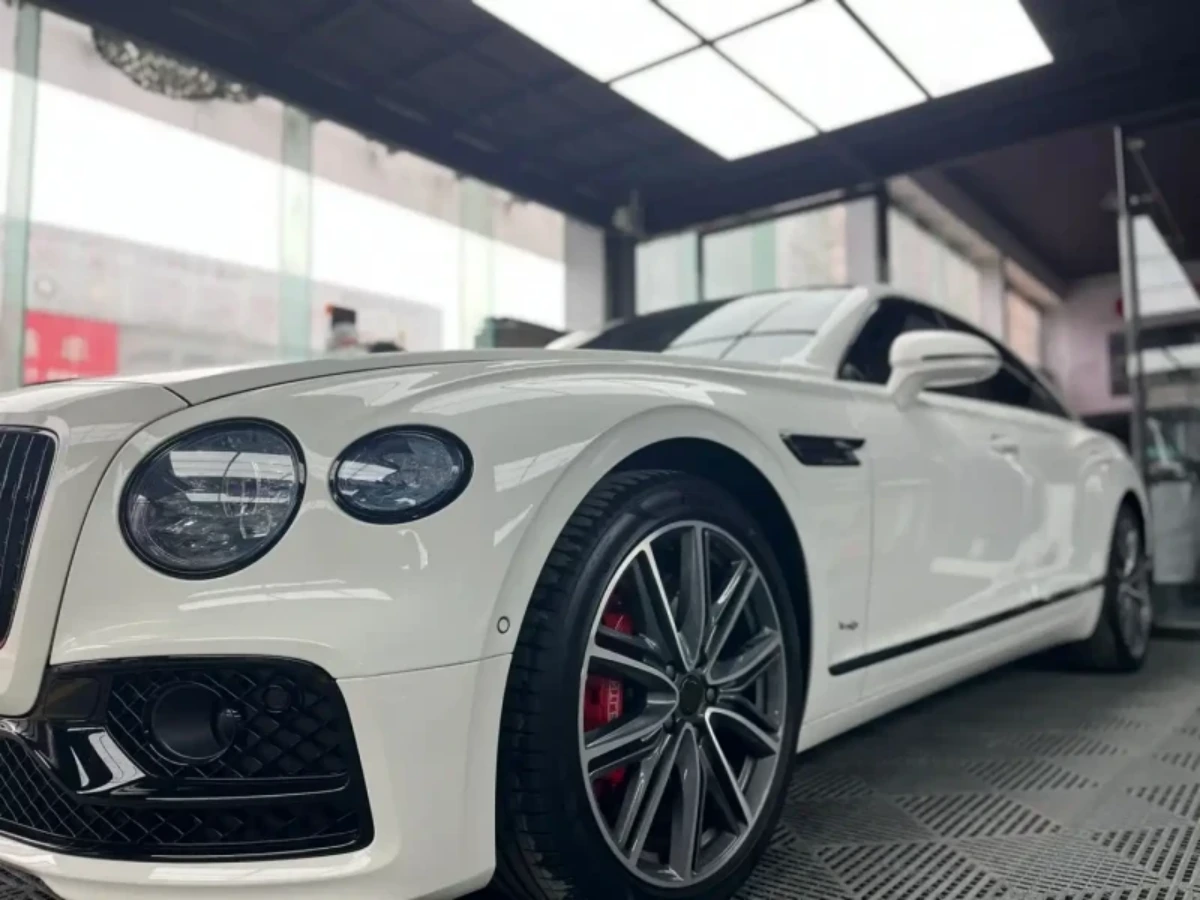
TPU PPF VS PET PPF:
- Weight Difference – TPU PPF adds 1.2kg per vehicle (full wrap), while PET PPF adds 0.8kg due to lower density but reduced coverage efficiency.
- Production Efficiency – TPU PPF’s continuous extrusion reduces waste by 40%, while PET PPF’s batch production generates 25% more scrap.
- Moisture Barrier – TPU PPF prevents water intrusion for 72 hours, while PET PPF allows moisture penetration after 24 hours at edges.
- Custom Cutting – TPU PPF laser-cuts cleanly for complex curves, while PET PPF tends to crack during precision cutting on sharp angles.
- Resale Value Impact – TPU PPF-preserved vehicles retain 5–10% more value, while PET PPF’s shorter lifespan offers minimal resale benefit.
- Impact Energy Absorption – TPU PPF’s viscoelastic properties dissipate 60% of impact energy, while PET PPF’s rigid structure absorbs only 25%.
- Edge Lifting Resistance – TPU PPF’s heat-sealed edges reduce lifting by 75%, whereas PET PPF edges lift 30% more frequently in car washes.
- Thermal Expansion Coefficient – TPU PPF’s low expansion reduces edge lifting in heat, while PET PPF’s higher expansion causes 2x more seasonal lifting.
- Heat-Activated Bonding – TPU PPF’s adhesive strengthens with heat curing, while PET PPF’s bond weakens under prolonged heat exposure.
The long-term monitoring and maintenance system after the installation of PPF:
- pH Testing of Cleaning Products – Verifying cleaners have pH 6–8 with test strips to avoid chemical damage to PPF.
- Drying Cloth Maintenance – Washing microfiber cloths in mild detergent (no fabric softener) to preserve lint-free properties.
- 6-Month Bubble Detection – Using polarized light to identify subsurface bubbles invisible to the naked eye, especially post-installation.
- Post-Repair Sealing – Applying heat (60–70°C) with a heat gun after edge re-sealing to ensure adhesive reactivation.
- Smart Film Data Logging – IoT-enabled PPF recording daily UV doses, temperature fluctuations, and impact events for trend analysis.
- Low-Pressure Rinse Angles – Directing water at 45° angles to panels to avoid forcing water under edges during rinsing.
The environmental protection and sustainability of PPF:
- Recycled Water in Production – Closed-loop water systems reuse 90% of process water, limiting freshwater withdrawals.
- Reduced Repaint Frequency – PPF’s 5–10 year protection cuts automotive repaint cycles, saving 3 gallons of paint per vehicle over its lifespan.
- Low-Offgassing Adhesives – Adhesives emitting <0.1mg/m3 of VOCs meet indoor air quality standards, reducing health risks during installation.
- End-of-Life Takeback Programs – Manufacturers like XPEL offer PPF recycling initiatives, collecting old films for repurposing into new polymer products.
- Reusable Installation Tools – Brands provide washable microfiber squeegees instead of single-use plastic tools, cutting installer waste.
- 30% Recycled TPU Blends – Films incorporating recycled TPU reduce virgin plastic use, with mechanical properties matching 100% virgin materials.
The production supply chain and quality control system of PPF:
- Abrasion Resistance – Taber abrasion tests (CS-10 wheel, 1kg load) measuring weight loss to validate durability.
- Global Raw Material Network – Multi-region sourcing of TPU to mitigate supply risks from geopolitical or logistical disruptions.
- Production Planning – AI-driven demand forecasting to optimize production runs and reduce material waste.
- Incoming Material Inspection – 100% testing of TPU resin for melt index, density, and impurity levels before production.
- Color Stability Verification – Spectrophotometer measurements ensuring ΔE < 2 after accelerated UV exposure.
- Document Control System – Version-controlled procedures, work instructions, and test methods accessible to all staff.
- Warranty Claim Analysis – Tracking failure patterns to identify systemic issues requiring process adjustments.
How TPU Redefines PPF:
- Thermal Stability – TPU’s heat resistance redefined PPF from exterior-only products to under-hood protectors for EV battery zones and engine bays.
- Warranty Transferability – TPU’s documented performance redefined PPF warranties from non-transferable to resale-boosting benefits for vehicle owners.
- Impact Absorption – TPU’s energy-dispersing structure redefined PPF from scratch-only protection to rock chip-resistant barriers reducing paint damage by 75%.
- Self-Healing Revolution – TPU’s microstructural recovery under heat redefined PPF from static protection to dynamic, scratch-repairing films that mend 3μm scratches automatically.
- Minimal Waste – TPU’s pre-cut precision redefined PPF from high-waste products to material-efficient options with 40% less scrap vs. hand-cut sheets.
AUTOLI(CN) PPF(Paint Protection Film) manufacturer
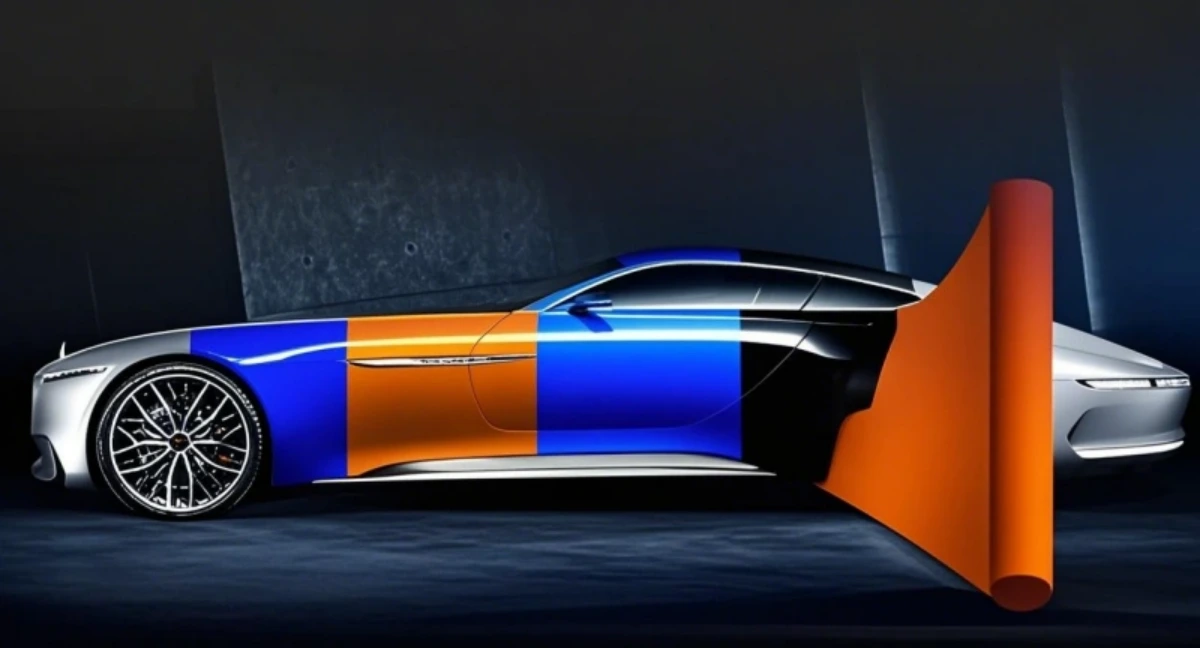
autoli TPU PPF Applied to all brand car models as Toyota、Land Rover、Cadillac、binli.Our factory cooperates with Auto Spa、PPF wholesale、PPF trading、AutoZone、PPF agent and all so in many countries and regions around the world,like Slovenia,Czech,United States,Luxembourg,Warranty: 10 years.Our advantages:Strict quality control system;Short production cycle, quick delivery;SGS, ASTM, REACH, UL and other certifications.Our factory also provides Car Paint Protection Film、PPF Vinyl Car Wrap.