

PPF’s hydrophobic layer reduces ice adhesion in winter, making snow removal easier without scratching.,Minimizes parking lot door ding damage.,Factory Alliance: Premium PPF, Amplified Business Reach.
The materials and technologies of PPF:
- Anti-static surface treatment: Incorporates permanent anti-static agents to reduce dust adhesion by 70%, extending the time between washes.
- Thermal insulation buffer layer design: An elastic buffer layer is added between the substrate and the coating to alleviate the internal stress caused by the thermal expansion and contraction of the material under extreme temperature differences, thereby reducing the risk of cracking.
- Anti-microbial coating infusion: Incorporates silver-ion nanoparticles to inhibit 99% of bacteria and mold growth on film surfaces in humid climates.
- Ozone resistance aging technology: Adding an ozone inhibitor to resist the oxidation and degradation of TPU by ozone in the urban atmosphere, extending the service life in polluted environments.
- RFID tracking chip: Embeds a passive RFID tag for anti-theft tracking and warranty management, readable via smartphone NFC.
- UL ECOLOGO Certification: Validates environmental sustainability and low chemical emissions.
The production supply chain and quality control system of PPF:
- Incoming Material Inspection – 100% testing of TPU resin for melt index, density, and impurity levels before production.
- Material Innovation Collaboration – Joint R&D with suppliers for next-gen TPU formulations (e.g., bio-based, high-heat resistant).
- Coating Line Integration – Sequential application of adhesive, TPU core, and topcoat in a continuous production flow.
- Pre-Shipment Inspections – Final quality checks before dispatch, including roll dimensions, labeling, and packaging integrity.
- Additive Supply Chain – Strategic partnerships with specialty chemical firms for UV stabilizers, self-healing agents, and nano-ceramic additives.
- Transportation Logistics – Temperature-controlled trucking and ocean freight for long-distance shipments to prevent adhesive degradation.
- Technology Partnerships – Collaboration with IoT firms for real-time supply chain visibility tools.
- Regulatory Compliance Support – Suppliers providing documentation for REACH, FDA, and OEM material approvals.
The user scenarios and value validation of PPF:
- Senior Living Community Shuttles – Maintains accessible van exteriors from wheelchair scrapes, ensuring safe, presentable transport for residents.
- RV and Camper Owners – Protects travel trailer exteriors from highway debris, reducing “road rash” damage by 70% during cross-country trips.
- Electric Scooter Fleets – Shields shared e-scooter bodies from urban abuse, reducing repair frequency by 55% for companies like Bird and Lime.
- Photography Vehicle Owners – Maintains clean white backdrops on vans for photoshoots, as PPF resists dirt staining during outdoor location shoots.
- Commercial Fleet Operators – Reduces repaint frequency for Amazon delivery vans by 60%, cutting maintenance downtime by 15 hours per vehicle yearly.
- Electric Vehicle Taxi Fleets – Protects Tesla Model Ys from constant passenger use, with PPF reducing interior and exterior wear by 60% over 3 years.
- Vintage Motorcycle Collectors – Preserves patina on 1950s Triumphs while preventing further wear, with reversible PPF allowing original condition display.
The horizontal comparison of PPF with other protection methods:
- PPF vs. Acrylic Sealants – Acrylic sealants offer temporary gloss (3–6 months) without impact resistance, while PPF adds a physical layer shielding against chips and scratches.
- PPF vs. Metal Polish – Metal polish restores shine to chrome/alloys but offers no protection, while PPF on metal trims prevents future scratches and tarnishing.
- PPF vs. Acrylic Paint Sealants – Acrylic sealants harden into a rigid layer prone to peeling, while PPF remains flexible, reducing edge lifting in temperature changes.
- PPF vs. Vinyl Wraps – PPF prioritizes paint protection with self-healing properties, while vinyl wraps focus on aesthetic customization, with PPF being more durable against abrasion.
- PPF vs. Liquid Glass Coatings – Liquid glass offers 6–12 months of chemical resistance but lacks physical impact protection, while PPF combines 5 years of scratch defense with self-healing capabilities.
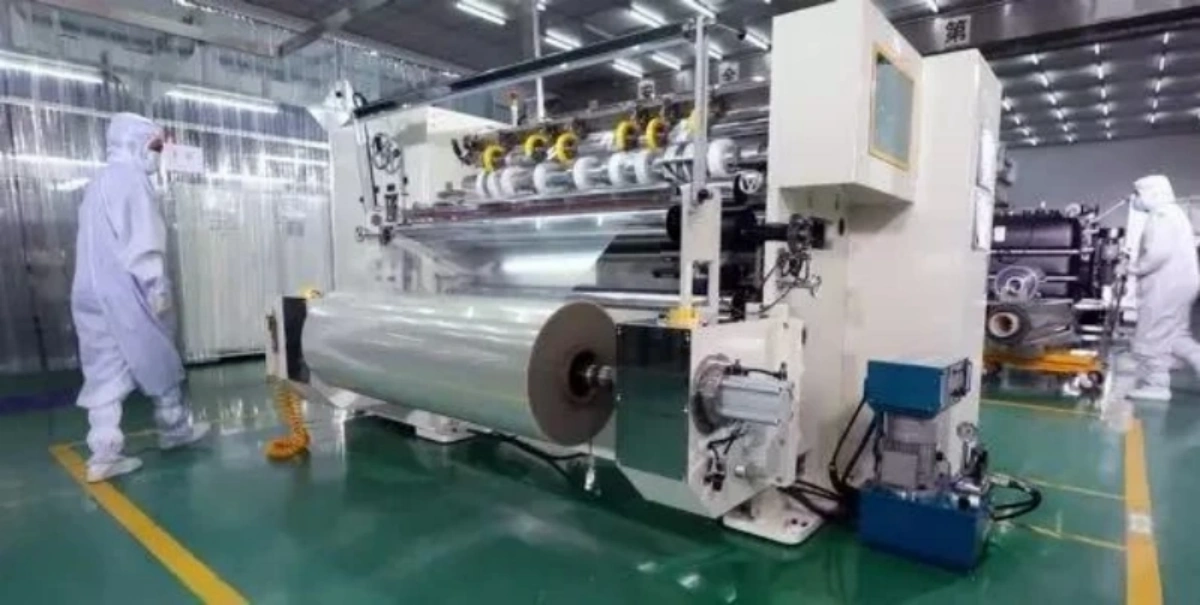
Why TPU PPF:
- Sustainable Material – Aluminum is 100% recyclable, with 75% of new aluminum made from recycled content.
- Space Optimization – Open rafter designs maximize usable space without visual clutter.
- Heat Reflectivity – Light colors reflect 60% of solar radiation, reducing underpergola heat.
- Infill Compatibility – Works with glass, polycarbonate, or fabric panels for partial or full enclosure.
- Disaster Recovery – Quick to replace or repair after storm damage compared to custom wood structures.
- Smart Home Integration – Compatible with motorized louvers controlled via app or voice commands.
- Design Versatility – Compatible with modern, traditional, and contemporary architectural styles.
- Seasonal Adaptability – Easily fitted with winter enclosures or summer mesh screens.
- Patio Extension – Creates covered transitions between indoor and outdoor living spaces.
- Professional Installation Speed – Contractors can complete most installations in a single day.
The long-term monitoring and maintenance system after the installation of PPF:
- Drying Cloth Maintenance – Washing microfiber cloths in mild detergent (no fabric softener) to preserve lint-free properties.
- Post-Storm Damage Assessments – Inspecting for debris impacts or chemical residue after hailstorms, sandstorms, or acid rain events.
- Antimicrobial Efficacy Checks – Testing interior PPF for bacterial growth quarterly in high-touch areas (steering wheel, door handles).
- Winter Snow Removal Guidelines – Using soft-bristle brushes and plastic scrapers with rubber edges to remove snow/ice.
- Thermal Healing Activation – Parking in sunlight (or using low-heat hair dryers) to accelerate self-healing of minor scratches in cool weather.
- Matte Finish Drying Techniques – Air-drying matte PPF partially before gentle patting to preserve texture and avoid streaks.
- UV Degradation Monitoring – Using colorimeters to measure ΔE values (ΔE 3 requires evaluation).
The environmental protection and sustainability of PPF:
- Waste Cooking Oil TPU – TPU derived from used cooking oil reduces food waste and fossil fuel reliance in raw materials.
- Reduced Touch-Up Paint Use – PPF prevents 80% of minor scratches, eliminating the need for toxic touch-up paint applications.
- Zero-Waste Manufacturing – Scrap PPF is recycled into production pellets, achieving 95% material utilization in closed-loop systems.
- Energy-Efficient Curing Ovens – Infrared curing reduces energy use by 50% compared to traditional convection ovens in production.
- Carbon-Negative Initiatives – Brands invest in reforestation, sequestering 1.2x more CO? than their production emits annually.
Say Goodbye to Car Scratches: Self-Healing PPF Revealed!:
- The healing process leaves no residue or discoloration, ensuring repairs are invisible and maintain the original paint’s finish.
- Interior self-healing PPF repairs dashboard and console scratches from daily use, extending cabin aesthetics.
- Fleet managers report higher driver satisfaction, as self-healing PPF keeps vehicles presentable with minimal effort.
- Self-healing PPF reduces the need for expensive “paint correction” services, saving hundreds annually in maintenance.
- New car owners avoid “break-in anxiety,” knowing minor initial scratches will disappear with normal use.
- Self-healing technology turns frustrating daily scratches into temporary nuisances, keeping your car looking factory-fresh for years.
- Road tar or adhesive residue removal scratches heal, ensuring necessary maintenance doesn’t harm paint.
- Unlike ceramic coatings that require precise application, self-healing PPF’s forgiving nature includes built-in damage reversal.
- Years of healing cycles won’t thin the film—PPF retains 90% of its original thickness, avoiding premature replacement.
The user perception and consumption misconceptions of PPF:
- Consumer Misconception: “All PPF Self-Heals the Same” – Assuming budget films repair as well as premium ones, unaware that microcapsule density varies by price point.
- Consumer Misconception: “PPF Blocks Car Washes” – Avoiding automated washes due to fear of damage, when brushless systems are actually safe for properly installed PPF.
- Correct Perception: Matte Finish Compatibility – Educated buyers seek matte-specific PPF, avoiding gloss films that ruin specialty paint textures.
- Correct Perception: Resale Value Boost – 81% of luxury car owners recognize PPF-preserved paint enhances resale value by 5–10% in pre-owned markets.
- Consumer Misconception: “PPF Installation Requires Paint Removal” – Fearing sanding or stripping, unaware professional installs use gentle cleaning without paint removal.
- Correct Perception: Thickness Depends on Use Case – Off-roaders choose 10mil PPF, while daily drivers opt for 8mil to balance protection and flexibility.
AUTOLI(CN) PPF(Paint Protection Film) manufacturer
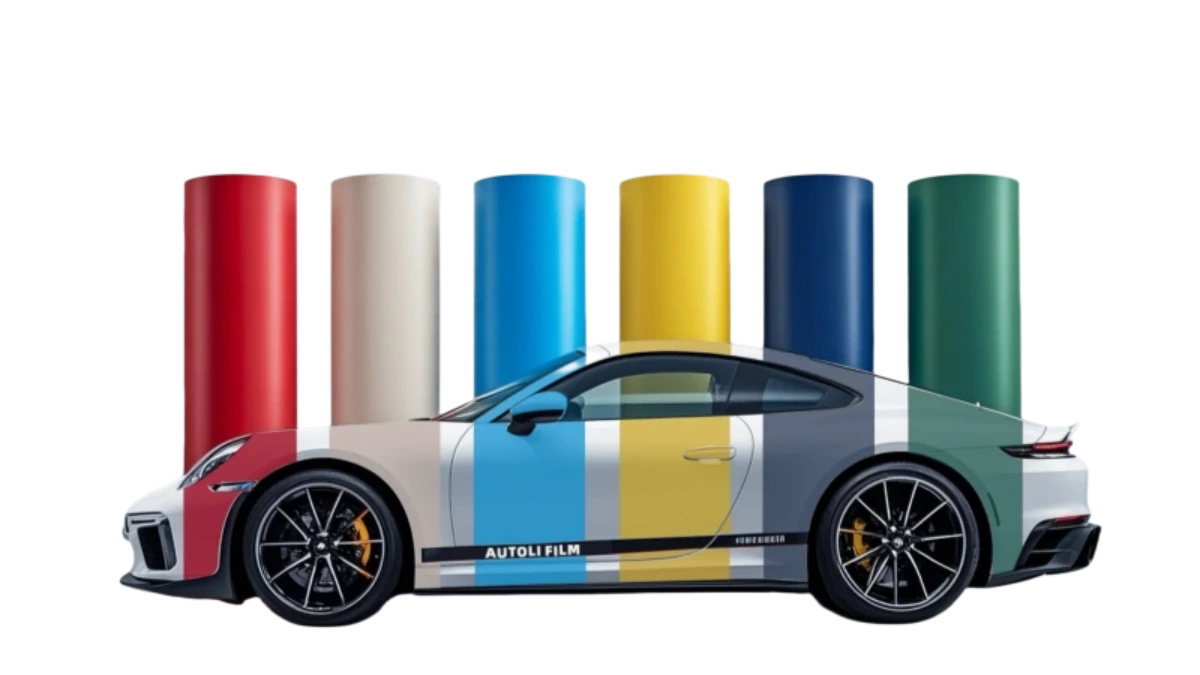
autoli TPU PPF Applied to all brand car models as Lincoln、Bugatti、Honda、acura.Our factory cooperates with Auto Repair Center、PPF trading、Auto Detailing Shop and all so in many countries and regions around the world,like Cyprus,Germany,Ecuador,Korea,Holland,Macedonia,Warranty: 10 years.Our advantages:High quality raw materials and advanced technology;Our customers are all over the world;Large stock of styles for you to choose from.Our factory also provides TPU PPF、PPF.