

PPF’s flexibility conforms to complex curves like side mirrors, ensuring full coverage without bubbles or lifts.,Avoids blade contact with paint during cutting.,Your Ideal PPF Wrap Factory Partner.
The extension of PPF’s functions:
- Before: Front license plate bracket with rust and paint loss; After: PPF covers bracket edges, hiding rust and preventing water from worsening corrosion.
- Before: Side mirror turn signal lenses with scratches; After: Clear PPF covers lenses, hiding scratches and maintaining visibility of turn signals.
- Before: Tailgate with faded decals and paint transfer from loading; After: PPF covers decals to preserve them and resists paint transfer, maintaining graphics.
- Before: Front license plate bracket mounting holes with rust around them; After: PPF covers hole perimeters, hiding rust and preventing corrosion spread.
- Before: Rear window wiper motor cover with faded paint; After: PPF covers cover, restoring color and protecting against weathering damage.
- Before: Front bumper parking sensor housings with paint chipping; After: PPF covers housings, hiding chips and preventing debris from damaging sensors.
- Before: Roof antenna cable entry point with paint peeling around it; After: PPF seals the entry point, hiding peeling and preventing water intrusion into the cabin.
The market trends and industry changes of PPF:
- Circular Economy Initiatives – Closed-loop recycling programs for end-of-life PPF are being piloted, with companies like MBA Polymers achieving 80% carbon reduction in recycled PP production.
- Regulatory Compliance in Manufacturing – Stringent environmental regulations (e.g., EU REACH) are pushing PPF producers to adopt solvent-free adhesives and energy-efficient production processes, reducing carbon footprints by up to 80%.
- Social Proof-Driven Sales – 65% of consumers cite online reviews and before/after videos as key factors in PPF brand selection, fueling influencer marketing growth.
- Personalization Trends in Aesthetics – Demand for matte finishes, colored PPF, and custom textures is surging, with TPU-based films offering UV-resistant, self-healing properties to meet consumer preferences for vehicle customization.
- Digital Print Integration – UV-curable digital printing on PPF allows custom graphics/logos, with 35% of commercial fleets now using branded PPF for marketing.
- OEM Integration and EV Demand – Original equipment manufacturers (OEMs) are increasingly factory-installing PPF, particularly for electric vehicles (EVs), which represent 19% of OEM PPF applications due to their premium paint protection needs.
- 15-Year Anti-Yellowing Warranties – Premium brands now offer 15-year guarantees against yellowing, using advanced HALS stabilizers to outlast traditional 10-year warranties.
- Social Proof-Driven Sales – 65% of consumers cite online reviews and before/after videos as key factors in PPF brand selection, fueling influencer marketing growth.
- Supply Chain Localization – Regional production hubs in Asia-Pacific are emerging to reduce reliance on Western suppliers, with China and India scaling TPU film manufacturing to meet domestic demand.
The long-term monitoring and maintenance system after the installation of PPF:
- Seasonal Yellowing Assessments – Comparing paint color with a reference sample using spectrophotometers to track ΔE values under varying UV exposure.
- Monthly Visual Inspections – Regular checks using LED lights to identify edge lifting, micro-scratches, or water intrusion around panel seams.
- Multi-Layer Film Maintenance – Using gentler pressure on multi-layer PPF to avoid separating layers during cleaning.
- Rainwater Rinse Benefits – Allowing light rain to rinse surfaces, as natural water is softer than tap water in many regions.
- Thermal Stress Monitoring – Documenting film performance after extreme heat (>35°C) or cold (<0°C) to identify temperature-related degradation.
- Microfiber Cloth Rotation – Using separate cloths for tops, sides, and lower panels to prevent cross-contamination with grit.
The user pain points of PPF and their solutions:
- Poor Hydrophobicity Over Time – Restored by SiO? sealant boosters, reviving water repellency every 3–6 months.
- Complex Maintenance – Simplified via pH-neutral cleaning kits, hydrophobic topcoats, and quarterly sealant boosters.
- Discoloration on Dark Paint – Solved by high-clarity TPU with low-iron content, preventing blue/green tint on black vehicles.
- Bubbles After Installation – Prevented by air-release adhesive channels and certified installers using dust-free environments.
- Bird Dropping Etching – Addressed through acid-resistant topcoats and 24-hour removal guidelines to prevent permanent damage.
- High Heat Damage (EV Batteries) – Solved by heat-resistant PPF (120°C ) with thermal conductivity for battery zone protection.
Before & After: How PPF Transforms a 10-Year-Old Car:
- Before: Side skirts with scrapes from curbs and speed bumps; After: Thick PPF hides scrapes and absorbs impact energy, preventing new damage on low-hanging parts.
- Before: Wheel center caps with faded logos and scratches; After: Clear PPF covers caps, preserving logos and resisting scratches from cleaning.
- Before: Wheel wells with rust starting to show through paint; After: PPF’s moisture barrier covers early rust and blocks water/salt from accelerating corrosion.
- Before: Front license plate frame with rust staining; After: PPF covers frame edges, hiding stains and preventing rust from spreading to bumper paint.
- Before: Rear tail light wiring harness entry points with paint peeling; After: PPF seals entry points, hiding peeling and preventing water damage to wiring.
- Before: Side vent louvers with paint chipping on edges; After: PPF covers louver edges, hiding chips and preventing debris from catching and causing more damage.
- Before: Door edge guards with peeling rubber and exposed paint; After: PPF wraps edges, covering exposed areas and preventing further guard deterioration.
- Before: Under-hood battery terminals with corrosion staining nearby; After: PPF covers surrounding area, hiding stains and protecting against acid damage.
- Before: Door latch striker plates with paint worn from contact; After: PPF lines striker areas, hiding wear and reducing friction between metal and paint.

The user perception and consumption misconceptions of PPF:
- Consumer Misconception: “New Car Paint Is ‘Protected’ from Factory” – Trusting factory clear coats alone, unaware they lack the impact resistance of PPF.
- Consumer Misconception: “PPF Removes Easily Without Residue” – Assuming all PPF peels cleanly, neglecting that old or low-quality films often leave adhesive residue requiring professional removal.
- Consumer Misconception: “PPF Installation Takes Days” – Avoiding PPF due to perceived downtime, not knowing modern pre-cut kits reduce professional installs to 1–2 days.
- Consumer Misconception: “PPF Makes Paint Shiny Forever” – Expecting permanent gloss, not realizing topcoat wear requires periodic sealant reapplication to maintain shine.
- Consumer Misconception: “PPF Yellowing Is Inevitable” – Fearing all PPF yellows, unaware that modern anti-yellowing formulas with HALS stabilizers last 10 years clear.
- Correct Perception: Temperature Tolerance – Cold-climate users seek flexible PPF, avoiding cracking in sub-zero conditions unlike rigid alternatives.
- Consumer Misconception: “PPF Installation Requires Paint Removal” – Fearing sanding or stripping, unaware professional installs use gentle cleaning without paint removal.
- Correct Perception: Brand Reputation Matters – Discerning buyers choose established brands, associating 3M or XPEL with consistent quality over generic alternatives.
- Correct Perception: UV Protection Value – Users increasingly link PPF to preventing paint fading, with 72% citing UV resistance as a key purchase driver.
Say Goodbye to Car Scratches: Self-Healing PPF Revealed!:
- Light scratches from tree branches, gravel, or dust buildup heal quickly, preserving your car’s appearance between professional details.
- Consistent repair quality across flat and curved panels ensures your entire vehicle maintains a flawless appearance.
- Luxury car owners appreciate invisible repairs that maintain prestige, avoiding visible touch-ups on high-end finishes.
- Unlike temporary fillers, self-healing repairs strengthen the film, maintaining its protective barrier against future damage.
- Existing minor scratches fade over time with repeated thermal exposure, making self-healing PPF a retroactive solution for pre-installation damage.
- Unlike ceramic coatings that require precise application, self-healing PPF’s forgiving nature includes built-in damage reversal.
The construction and maintenance of PPF:
- Emblem Masking with Low-Tack Tape – Removable tape protects badges from accidental cutting or adhesive residue during installation.
- Long-Term Replacement Planning – Scheduling replacement before topcoat failure (typically 5–10 years) avoids adhesive residue buildup.
- Annual Professional Inspection – Certified installers check for hidden damage, edge wear, or topcoat degradation.
- Heat Gun Distance Control – Keeping heat guns 15–20cm from edges prevents film shrinkage during edge sealing.
- Post-Heat Curing – A final pass with a heat gun (80–100°C) on edges accelerates adhesive curing for immediate durability.
- Oxidation Correction Pre-Install – Polishing oxidized paint ensures PPF adheres smoothly to uniform surfaces.
The regulations of PPF and after-sales services:
- Recall Protocols for Defects – In cases of material defects (e.g., delamination), manufacturers like PurePPF coordinate nationwide recalls and replacements via authorized installers .
- EU REACH Compliance – PPF manufacturers must adhere to EU REACH regulations, ensuring all chemicals used in production meet strict safety and environmental standards, particularly for PFAS substances like C9-C14 PFCAs, which are restricted to ≤25 ppb in materials .
- Solvent-Free Adhesive Requirements – EU REACH and California CARB regulations push PPF producers to adopt solvent-free adhesives, reducing carbon footprints by up to 80% .
- Japan’s Window Tinting Restrictions – Japanese regulations ban PPF installation on front driver/passenger windows and mandate partial windshield film transparency to ensure unobstructed visibility .
- Supply Chain Traceability – EU PPWR mandates tracking PPF materials from production to disposal, ensuring compliance with recycled content targets (e.g., 30% by 2030) .
- India’s BIS Certification for PP Materials – Polypropylene (PP) used in PPF production must meet India’s BIS certification under IS 10951:2020, ensuring quality and safety for domestic and export markets .
- Lifetime Warranty Programs – Premium PPF brands like 3M offer 7-year warranties on Pro Series films, covering defects like delamination and yellowing, while excluding wear and tear or improper installation .
The differentiated user group needs matching of PPF:
- Electric Vehicle Taxi Fleets – Require fast-healing PPF to hide minor scratches from constant passenger use, maintaining vehicle appearance.
- Luxury Vehicle Owners – Demand 8.5 mil multi-layer PPF with 10 year anti-yellowing warranties to preserve factory paint and maintain resale value.
- Snowmobile/ATV Riders – Need cold-flexible PPF (-30°C tolerance) to resist cracking from ice, snow, and trail debris during winter adventures.
- Mobile Business Vans – Select logo-friendly clear PPF to protect brand graphics from road wear while maintaining visibility of company messaging.
- Horse Trailer Owners – Choose scratch-resistant PPF for aluminum exteriors, preventing damage from hoof kicks and hay bale impacts.
AUTOLI(CN) PPF(Paint Protection Film) oem manufacturer
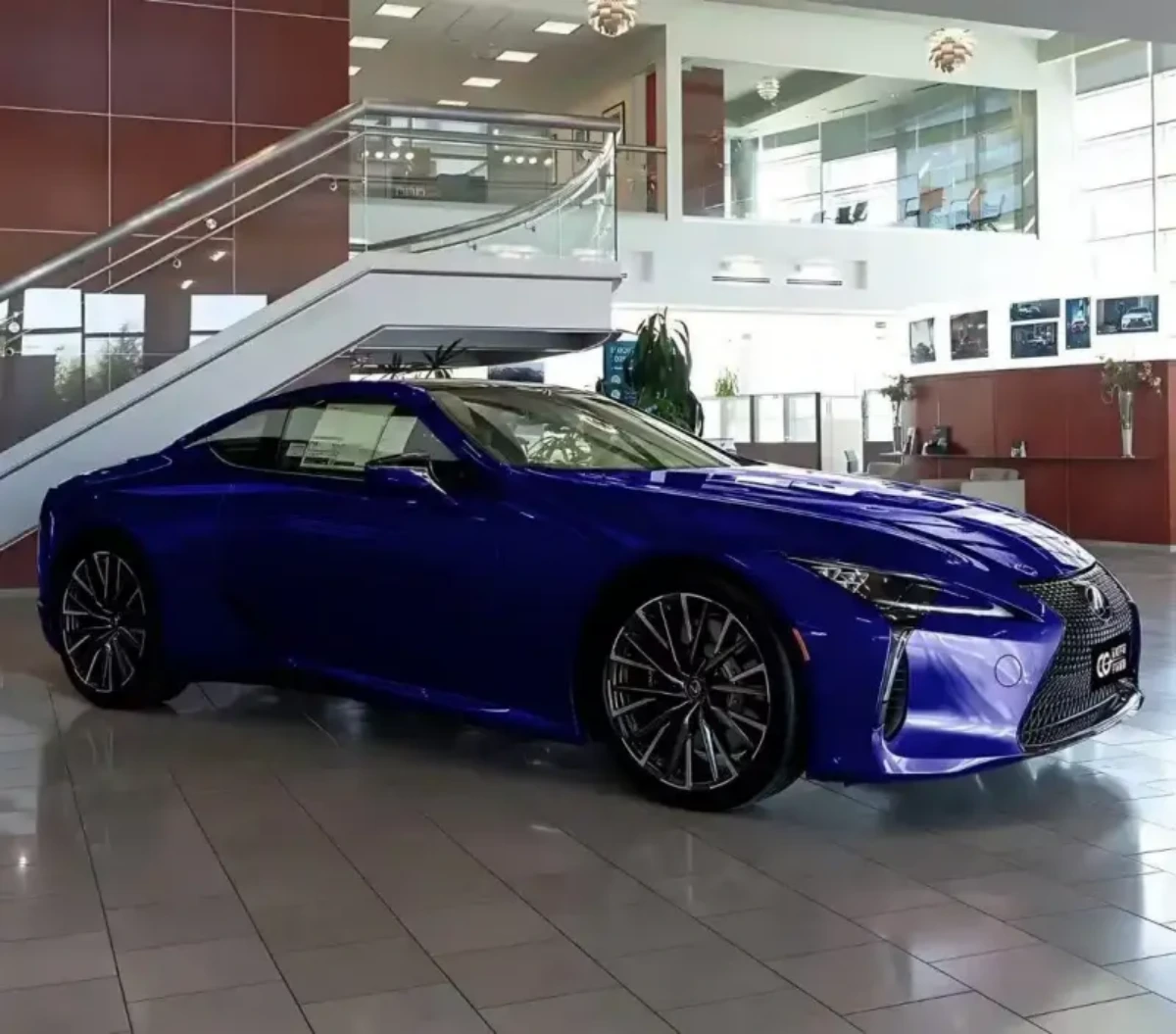
autoli TPU PPF Applied to all brand car models as ds、Alfa Romeo、Dodge、Benz.Our factory cooperates with Auto Detailing Shop、PPF brand、PPF installer、Car Customization Shop and all so in many countries and regions around the world,like Cyprus,Singapore,New Zealand,Portugal,Warranty: 10 years.Our advantages:Our customers are all over the world;Large stock of styles for you to choose from;Raw material purchasing advantage;Short production cycle, quick delivery.Our factory also provides PPF Vinyl Car Wrap、vinyl car wrapping.