

PPF’s scratch depth reduction by 60% via “hard-soft segment” TPU structure minimizes damage from keys or accidental scrapes.,Compatible with all vehicle types (EVs, SUVs).,Self-Healing PPF – 10-Year Warranty, OEM Support.
The materials and technologies of PPF:
- EV-specific lightweight optimization: Reduces base material density by 15% for electric vehicles, minimizing added weight impact on battery range.
- Energy-harvesting film: Integrates photovoltaic cells to generate 0.5W/m2 of power for vehicle electronics.
- Warm water activation adhesive: Enables repositioning for up to 24 hours post-installation using only water, reducing reliance on chemicals.
- 3D-printed micro-channel network: Utilizes selective laser sintering (SLS) to create breathable micro-channels that enhance heat dissipation and reduce condensation under the film.
- Medical-grade anti-microbial film: Meets ISO 22196 standards for bacterial reduction, suitable for ambulance and healthcare vehicles.
- Extreme UV durability enhancement: Uses dual UV absorbers (organic and inorganic) to maintain 90% of original performance after 10,000 hours of accelerated UV testing.
TPU PPF VS PET PPF:
- Low-Light Visibility – TPU PPF’s clarity enhances nighttime visibility for headlights, while PET PPF can create slight haze reducing light output.
- Pest Resistance – TPU PPF’s non-organic composition resists rodent chewing, while PET PPF is occasionally gnawed by pests seeking nesting materials.
- Heat Dissipation – TPU PPF’s thermal conductivity reduces under-hood temperatures by 3–5°C, while PET PPF traps 10% more heat.
- Impact Resistance – TPU PPF absorbs 75% of rock chip energy at 60km/h, while PET PPF transfers 60% of impact force to underlying paint.
- Global Compliance – TPU PPF meets REACH, FDA, and CARB standards, while some PET PPF formulations exceed VOC limits in strict regions.
- Production Efficiency – TPU PPF’s continuous extrusion reduces waste by 40%, while PET PPF’s batch production generates 25% more scrap.
The long-term monitoring and maintenance system after the installation of PPF:
- Bi-Annual Hydrophobicity Tests – Spraying water to check contact angles (>110° indicates effective topcoat; re-seal if below 90°).
- Thermal Stability Testing – Assessing film performance after extreme temperature swings (e.g., -20°C to 40°C) for cracking or delamination.
- Post-Repair Cure Monitoring – Allowing 48-hour curing after bubble removal or edge re-sealing before washing.
- Impact Damage Documentation – Taking timestamped photos of chips/scratches to monitor self-healing progress over weeks.
- Professional Decontamination Annually – Scheduling iron removal, clay bar treatment, and tar cleanup by certified detailers.
- Self-Healing Activation in Cold Weather – Parking in sunlight on mild days or using a hair dryer (low heat, 30cm distance) to repair micro-scratches.
The differentiated user group needs matching of PPF:
- Ambulance Fleets – Need chemical-resistant PPF to withstand disinfectant exposure, maintaining markings and paint integrity during emergencies.
- Police Vehicle Fleets – Require high-visibility PPF for markings, resisting graffiti and maintaining reflectivity for emergency response.
- Mobile Craft Workshop Vans – Prefer durable PPF for work surfaces and exteriors, withstanding tool impacts and material transport during events.
- Daily Urban Commuters – Seek 7–8mil UV-stabilized PPF for scratch resistance against parking lot dings and road debris during city driving.
- Mobile Blood Donation Vans – Prefer easy-to-sanitize PPF for interior surfaces, maintaining hygiene standards between donor appointments.
- Beachside Rental Car Fleets – Choose sand-resistant PPF with enhanced hydrophobicity, reducing cleaning time between rentals in coastal areas.
- Ride-Share Drivers – Opt for durable 8mil PPF with quick-healing properties to resist passenger-related scratches and maintain vehicle appearance.
- Matte Paint Owners – Select matte-specific PPF (20–30% gloss) to preserve texture without altering the factory matte finish or causing shine spots.
- DIY Enthusiasts – Prefer pre-cut PPF kits with air-release adhesives for bubble-free application without professional tools or training.
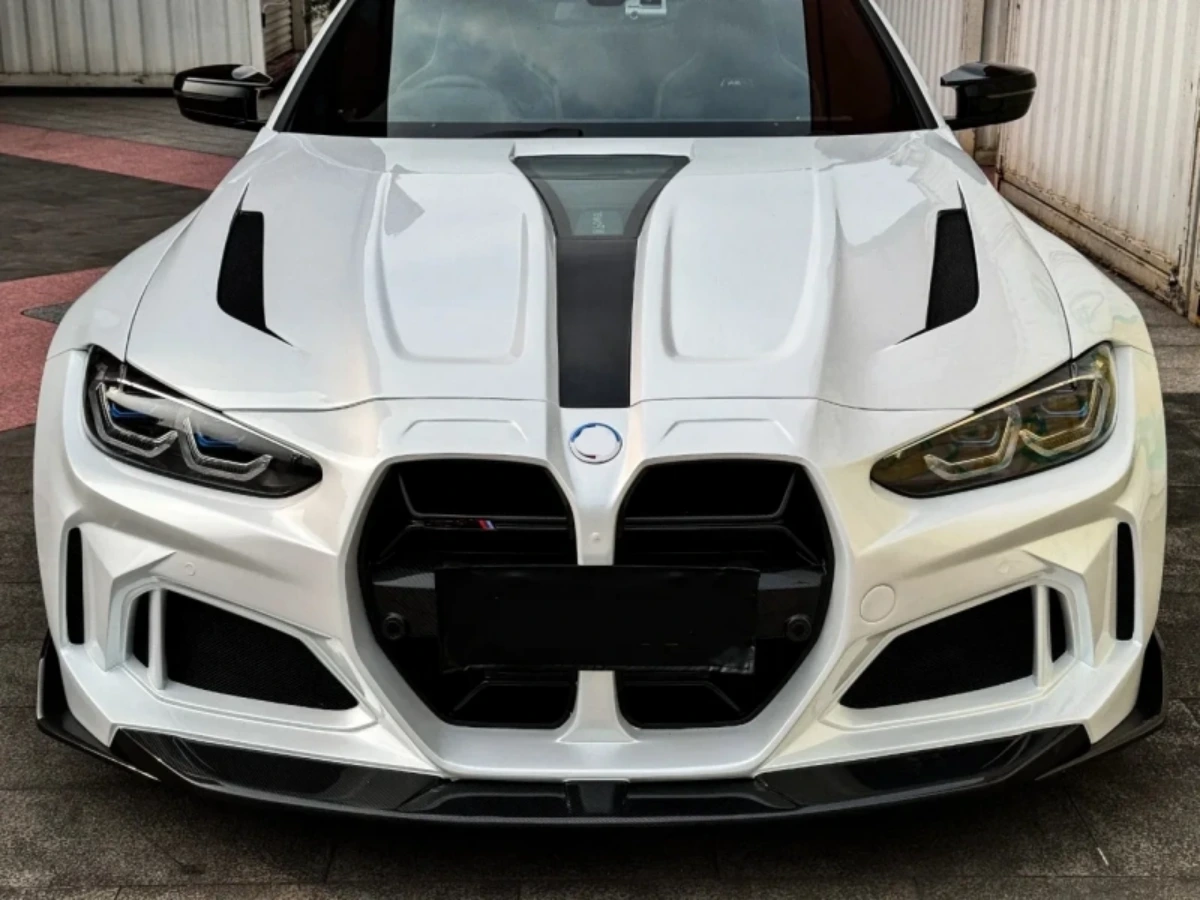
The horizontal comparison of PPF with other protection methods:
- PPF vs. Nano Glass Coatings – Glass coatings excel on windows for water repellency, while PPF protects painted surfaces from physical damage, with minimal overlap in application.
- PPF vs. Acrylic Paint Sealants – Acrylic sealants harden into a rigid layer prone to peeling, while PPF remains flexible, reducing edge lifting in temperature changes.
- PPF vs. Anti-Static Sprays – Sprays reduce dust attraction temporarily, while PPF’s anti-static properties last for years, with both aiding cleanliness but PPF offering more durability.
- PPF vs. Anti-Scratch Sprays – Sprays offer mild scratch resistance for 1–3 months, while PPF provides robust defense against deep scratches for 5 years.
- PPF vs. Metal Polish – Metal polish restores shine to chrome/alloys but offers no protection, while PPF on metal trims prevents future scratches and tarnishing.
- PPF vs. TPU Sprays – TPU sprays form a thin protective layer but lack the thickness for impact absorption, while PPF’s multi-layer design dissipates collision energy.
- PPF vs. Teflon Coatings – Teflon coatings reduce friction but lack self-healing, unlike PPF which repairs micro-scratches and resists abrasion better in high-wear areas.
- PPF vs. Traditional Wax – PPF provides long-term scratch/dent defense (5 years) compared to wax’s 2–3 months of mild UV protection and gloss enhancement.
- PPF vs. Stone Guard Films (Thin) – Thin stone guards protect against small debris but lack self-healing, while PPF handles larger impacts and repairs minor damage automatically.
How TPU Redefines PPF:
- Edge Seal Innovation – TPU’s heat-sealable edges redefined PPF from edge-lifting prone films to long-lasting solutions with 75% reduced lifting in car washes.
- Low Thermal Expansion – TPU’s stable dimensions redefined PPF from warping-prone films to temperature-stable protectors avoiding edge lifting in heat.
- High-Speed Protection – TPU’s impact-dispersing properties redefined PPF from urban-use products to highway-ready shields resisting high-velocity rock chips.
- Easy Removal – TPU’s residue-free adhesives redefined PPF from permanent modifications to temporary protection safe for classic cars and leases.
- Repairability Focus – TPU’s patchable design redefined PPF from full-replacement products to partially repairable systems cutting maintenance costs.
- Aesthetic Enhancement – High-gloss TPU topcoats redefined PPF from invisible protectors to shine-boosting films increasing paint gloss by 20%.
The market trends and industry changes of PPF:
- Rise of Mobile Installation Services – On-demand PPF installation units equipped with portable dust-free booths are gaining traction, targeting busy urban consumers who prefer doorstep service.
- Rapid Growth of High-End PPF Market – The high-end PPF market is projected to reach $4.2 billion by 2033 at an 8% CAGR, driven by luxury vehicle ownership and demand for advanced protection features like self-healing technology.
- Heat-Activated Self-Healing Advancements – Next-gen TPU films activate self-healing at lower temperatures (45°C), repairing 98% of micro-scratches within 8 minutes, enhancing consumer appeal.
- Automation in Production Processes – Laser cutting technologies (e.g., GCC RX II) with 600g cutting force enable precise, waste-reducing PPF customization, improving material utilization efficiency to 94%.
- Commercial Fleet Adoption – Delivery giants like Amazon and JD.com are equipping 70% of new vans with PPF, reducing fleet repaint costs by $300 per vehicle annually.
- Detailing Chain Partnerships – PPF brands are collaborating with chains like Detail Garage, offering co-branded training and product bundles to expand reach.
- AI Quality Control in Production – Machine vision systems inspect 100% of PPF rolls for defects, reducing post-installation warranty claims by 45%.
The user pain points of PPF and their solutions:
- Salt Corrosion in Coastal Areas – Mitigated by anti-corrosion additives and salt-resistant adhesives reducing rust under film.
- Warranty Claim Denials – Prevented by transparent warranty terms, certified installer networks, and digital claim tracking.
- Incompatibility with Custom Paint – Addressed by color-stable PPF formulated for matte, chameleon, and metallic finishes.
- DIY Installation Failures – Resolved with pre-cut laser patterns, air-release adhesives, and step-by-step video tutorials.
- Confusion About Maintenance Products – Solved by brand-specific cleaning kits and “approved products” lists to avoid topcoat damage.
- Poor Hydrophobicity Over Time – Restored by SiO? sealant boosters, reviving water repellency every 3–6 months.
- Unclear Warranty Coverage – Clarified via digital warranty passports detailing exclusions (wear, improper maintenance) and inclusions.
- Uncertainty About Product Quality – Resolved by third-party certifications (ECOCERT, ISO 9001) and transparent material disclosure.
- Fading in Extreme Sunlight – Fixed by 99% UV-blocking films with enhanced carbon black pigments for tropical climates.
The cutting-edge technology research and development of PPF:
- Smart Sensor Integration – MEMS-based pressure and temperature sensors embedded in PPF monitor impact forces and environmental conditions in real-time.
- Multifunctional Smart Films – Integrated humidity sensors and pH indicators in PPF provide real-time environmental monitoring for agricultural applications.
- Superhydrophobic Nanostructures – Laser-ablated micro-nano textures on PPF surfaces achieve contact angles >160°, repelling water and debris in extreme weather.
- Energy-Efficient Curing – Infrared curing systems reduce energy consumption by 50% compared to convection ovens, aligning with ISO 14001 sustainability standards.
- Biodegradable Conductive PPF – Carbon nanotube-doped bioplastics enable flexible electronics integration with 2-year composting capability.
- Bio-Based Flame Retardants – Chitosan-functionalized ammonium polyphosphate (CS-APP) and phenylphosphonic difurfurylamine (PPDF) provide V-0 rating in UL 94 tests with <1% loading.
AUTOLI(CN) PPF(Paint Protection Film) oem manufacturer
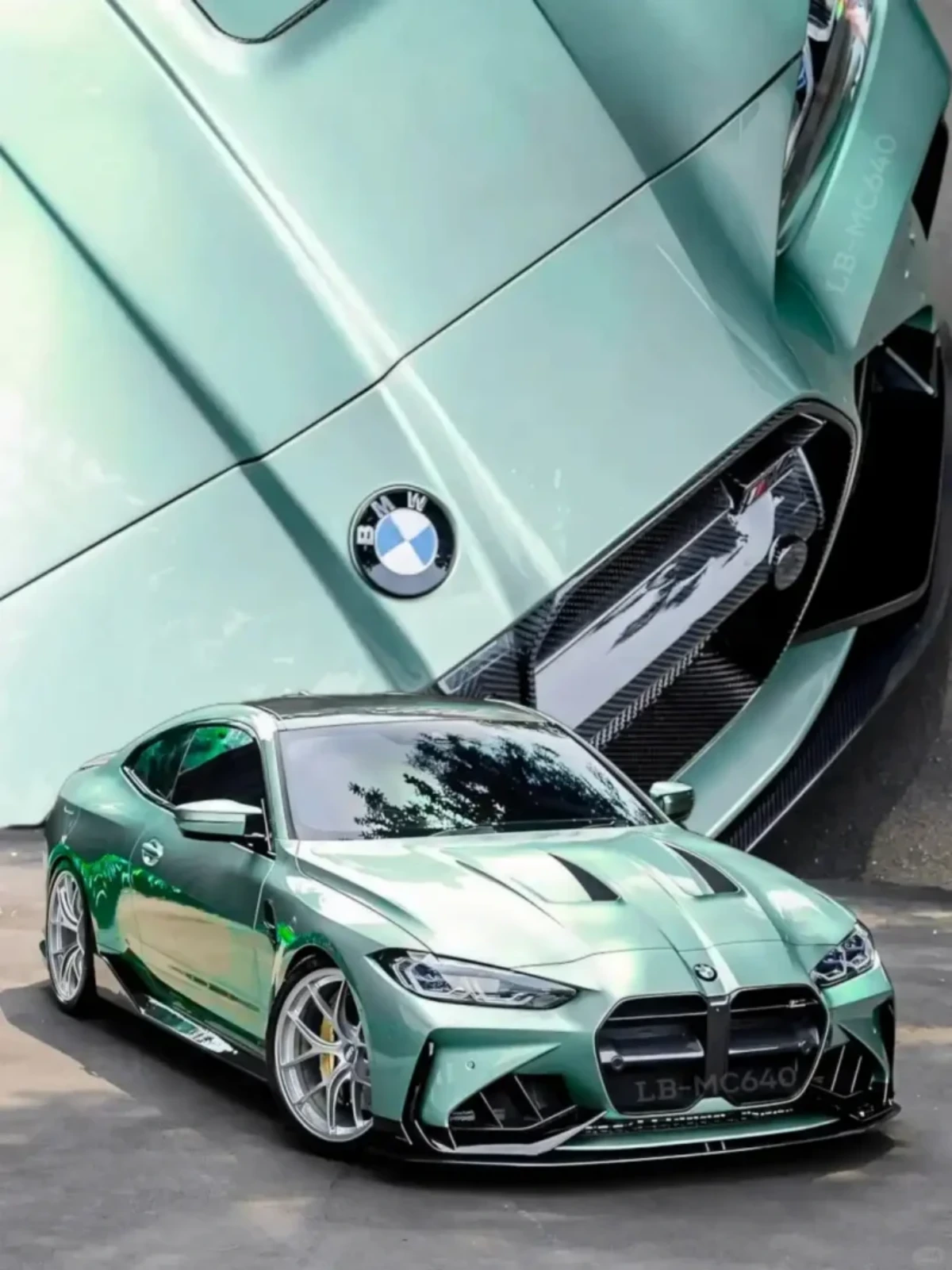
autoli TPU PPF Applied to all brand car models as mini、ford、Alfa Romeo、jeep.Our factory cooperates with PPF installer、Auto Detailing、Auto Detailing service、ppf installation、Auto Detailing and all so in many countries and regions around the world,like Greece,Czech,Iraq,Brunei Darussalam,Malta,Warranty: 10 years.Our advantages:Large stock of styles for you to choose from;Perfect after-sales service;Short production cycle, quick delivery;Large stock of styles for you to choose from;Raw material purchasing advantage.Our factory also provides Paint Protection Film、Car PPF.