

PPF’s edge sealing technology prevents water ingress, a common cause of film lifting on poorly installed products.,Resists coastal salt spray corrosion.,Factory – Direct Advantage: Certified PPF, Speedy Deliveries.
The materials and technologies of PPF:
- Thermal insulation buffer layer design: An elastic buffer layer is added between the substrate and the coating to alleviate the internal stress caused by the thermal expansion and contraction of the material under extreme temperature differences, thereby reducing the risk of cracking.
- Anti-chemical corrosion technology: Incorporating acid and alkali resistant components to resist erosion from substances like acid rain, bird droppings, and tree sap, protecting the vehicle paint from chemical damage.
- Electromagnetic interference (EMI) shielding: Integrates graphene nanosheets to block 99% of electromagnetic radiation, critical for electric vehicle electronics.
- Ceramic coating compatibility: Features a receptive top layer that bonds seamlessly with ceramic coatings, creating a hybrid protection system with enhanced scratch resistance.
- Solvent-free adhesive process: The adhesive uses a 100% solvent-free pressure-sensitive adhesive formula, eliminating the risk of solvent evaporation residue and enhancing the environmental friendliness and long-term adhesion stability of the construction.
- Anti-static surface treatment: Incorporates permanent anti-static agents to reduce dust adhesion by 70%, extending the time between washes.
- Hydrophobic-hydrophilic bilayer design: Combines a superhydrophobic top layer (water contact angle >150°) and a hydrophilic sub-layer to prevent water spotting and improve cleaning efficiency.
- Extreme UV durability enhancement: Uses dual UV absorbers (organic and inorganic) to maintain 90% of original performance after 10,000 hours of accelerated UV testing.
The user perception and consumption misconceptions of PPF:
- Correct Perception: Brand Certification Matters – Buyers seek installers certified by brands like XPEL, linking training to better long-term results.
- Consumer Misconception: “DIY Installation Saves Money” – Consumers underestimate skill requirements, with 45% of DIY installs requiring professional correction due to bubbles or misalignment.
- Consumer Misconception: “PPF Installation Takes Days” – Avoiding PPF due to perceived downtime, not knowing modern pre-cut kits reduce professional installs to 1–2 days.
- Consumer Misconception: “Once Applied, No Maintenance Needed” – A common myth that PPF requires zero upkeep, ignoring the need for pH-neutral cleaning to preserve hydrophobicity.
- Correct Perception: Lease Protection Value – Leaseholders use PPF to avoid $500 end-of-term fees, with 95% passing inspections without paint-related charges.
- Correct Perception: PPF Preserves Custom Paint Investments – Owners of $5k custom paint jobs use PPF, avoiding costly touch-ups from minor damage.
The user scenarios and value validation of PPF:
- Wine Tour Vehicles – Protects luxury SUVs from grape juice spills and gravel roads, ensuring client-facing vehicles stay presentable year-round.
- Desert Dwellers – Blocks UV-induced fading in Dubai and Phoenix, keeping paint vibrant 3x longer than unprotected vehicles in 45°C heat.
- Cold-Climate Users – Prevents salt and ice melt damage in Stockholm and Toronto, with PPF-treated bumpers showing 50% less winter-related etching.
- EV Owners – Protects Tesla and Rivian battery hoods from stone chips, maintaining thermal efficiency and avoiding warranty-related paint damage claims.
- Cold-Climate Users – Prevents salt and ice melt damage in Stockholm and Toronto, with PPF-treated bumpers showing 50% less winter-related etching.
- Limousine Services – Maintains pristine black paint on Lincoln Town Cars, with PPF reducing swirl marks from frequent client pickups by 80%.
- Luxury Vehicle Owners – Preserves factory paint on high-end cars like Mercedes-Maybach, with 92% of owners reporting retained resale value after 3 years of PPF use.
The environmental protection and sustainability of PPF:
- Minimalist Packaging – Brands eliminate unnecessary plastic inserts, using 40% less packaging material while maintaining product protection.
- Non-Toxic Disposal – PVC-free PPF avoids toxic chlorine release during incineration, making disposal safer for waste management workers.
- Waterless Cleaning Compatibility – PPF works with waterless wash sprays, saving 100 gallons per cleaning session versus traditional washing.
- Reduced Cleaning Chemicals – Hydrophobic PPF reduces washing frequency by 50%, cutting water usage and detergent runoff into waterways.
- Reduced Microplastic Shedding – Durable TPU sheds 90% less microplastics than short-lived waxes or sealants that degrade quickly.
The horizontal comparison of PPF with other protection methods:
- PPF vs. Anti-Corrosion Sprays – Sprays inhibit rust on bare metal but don’t protect paint, whereas PPF blocks corrosion triggers (salt, moisture) from reaching painted surfaces.
- PPF vs. Spray-On Protective Coatings – PPF is removable and repairable, unlike permanent spray coatings that require full repaint for damage correction.
- PPF vs. Teflon Coatings – Teflon coatings reduce friction but lack self-healing, unlike PPF which repairs micro-scratches and resists abrasion better in high-wear areas.
- PPF vs. Matte Paint Sealants – PPF preserves matte paint texture while adding scratch resistance, whereas matte sealants focus on maintaining finish but lack impact defense.
- PPF vs. Silicone Coatings – Silicone coatings repel water but degrade quickly (1–2 years) under UV exposure, whereas PPF maintains hydrophobicity for 5 years with UV stabilizers.
- PPF vs. Ceramic Waxes – Ceramic waxes boost hydrophobicity for 6–12 months but lack impact protection, whereas PPF combines water repellency with scratch resistance.
- PPF vs. Rust Proofing Treatments – PPF shields exterior paint from corrosion triggers (salt/sand), while rust proofing targets metal undercarriages, with complementary roles in full protection.
- PPF vs. TPU Sprays – TPU sprays form a thin protective layer but lack the thickness for impact absorption, while PPF’s multi-layer design dissipates collision energy.
- PPF vs. Paint Correction – Paint correction fixes existing swirls/scratches, while PPF prevents future damage, with PPF often applied post-correction to preserve results.
- PPF vs. Rubber Gasket Protectants – Gasket protectants prevent drying/cracking, while PPF has no role in rubber maintenance, highlighting their non-overlapping functions.
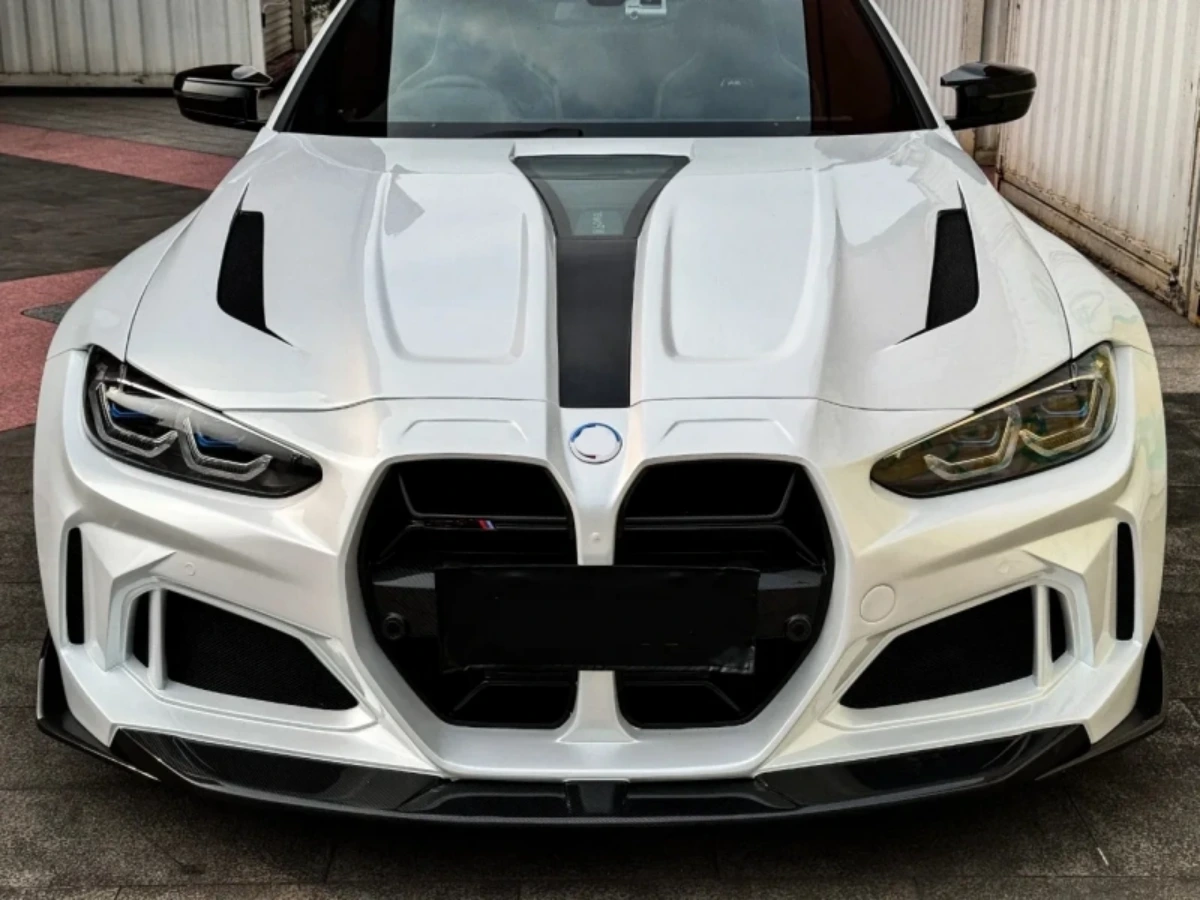
Why TPU PPF:
- Weather Durability – Withstands extreme temperatures (-40°C to 60°C) without warping, cracking, or rotting.
- Low Maintenance – Eliminates need for painting, staining, or sealing, reducing upkeep costs by 70% vs. wood.
- Custom Cutouts – Optional decorative laser-cut panels for personalized design elements.
- Design Versatility – Compatible with modern, traditional, and contemporary architectural styles.
- Minimal Site Disruption – Lightweight components require smaller foundation footings than steel.
- Cold Climate Performance – No seasonal cracking or splitting in freezing temperatures.
- Low-Effort Cleaning – Pressure washable surfaces remove dirt and debris in minutes.
- Non-Toxic Materials – Free from formaldehyde, arsenic, or other harmful chemicals in wood treatments.
The differentiated user group needs matching of PPF:
- Forestry Service Trucks – Need debris-resistant PPF for cabs and beds, withstanding tree branches and wood chips during forest management.
- Senior Drivers – Prefer easy-maintenance PPF with hydrophobic properties to reduce washing frequency and hide minor parking mishaps.
- Luxury Vehicle Owners – Demand 8.5 mil multi-layer PPF with 10 year anti-yellowing warranties to preserve factory paint and maintain resale value.
- Classic Truck Restorers – Prefer low-gloss PPF that matches vintage paint sheen, preserving patina while preventing further wear.
- Custom Paint Owners – Choose color-stable PPF that preserves matte, chameleon, or metallic finishes without altering hue or texture.
- Mobile Farmers Market Vans – Need produce-safe PPF that resists fruit/vegetable juice stains, maintaining clean exteriors during market days.
- Matte Paint Owners – Select matte-specific PPF (20–30% gloss) to preserve texture without altering the factory matte finish or causing shine spots.
The production supply chain and quality control system of PPF:
- Supplier Qualification – Rigorous audits of material suppliers, evaluating quality management systems and sustainability practices before approval.
- Distribution Network Optimization – Regional hubs in NA, EU, and APAC reducing delivery times to installers by 30–40%.
- Continuous Improvement Teams – Cross-functional groups analyzing quality data to implement process enhancements.
- UV Resistance Testing – Accelerated weathering (QUV testing) for 1,000 hours to validate anti-yellowing performance.
- Six Sigma Projects – DMAIC methodology applied to reduce variation in critical processes (e.g., coating uniformity).
- Quality Management System (QMS) – ISO 9001-certified processes governing all stages from raw material to finished product.
- Calibration Schedules – Regular verification of testing equipment (gages, spectrometers) to ensure measurement accuracy.
- Third-Party Certification – Independent labs (e.g., SGS, Intertek) validating performance claims for warranties and marketing.
- Packaging Optimization – Collaborative design with logistics firms for space-efficient palletization, reducing transport emissions.
The cutting-edge technology research and development of PPF:
- 3D Laser Cutting – Femtosecond laser ablation creates intricate patterns with <10-micron precision, optimizing material usage by 95%.
- AI-Optimized Formulations – Machine learning models predict material performance across 10,000 TPU variants, accelerating R&D cycles by 60%.
- AI-Powered Predictive Maintenance – Machine learning models analyze sensor data to predict PPF degradation, scheduling replacements before failure.
- Bio-Based Flame Retardant Coatings – Chitosan and ammonium polyphosphate composites provide V-0 rating in UL 94 tests with <1% loading.
- Smart Sensor Integration – MEMS-based pressure and temperature sensors embedded in PPF monitor impact forces and environmental conditions in real-time.
- Multifunctional Smart Films – Integrated humidity sensors and pH indicators in PPF provide real-time environmental monitoring for agricultural applications.
AUTOLI(CN) PPF(Paint Protection Film) oem manufacturer
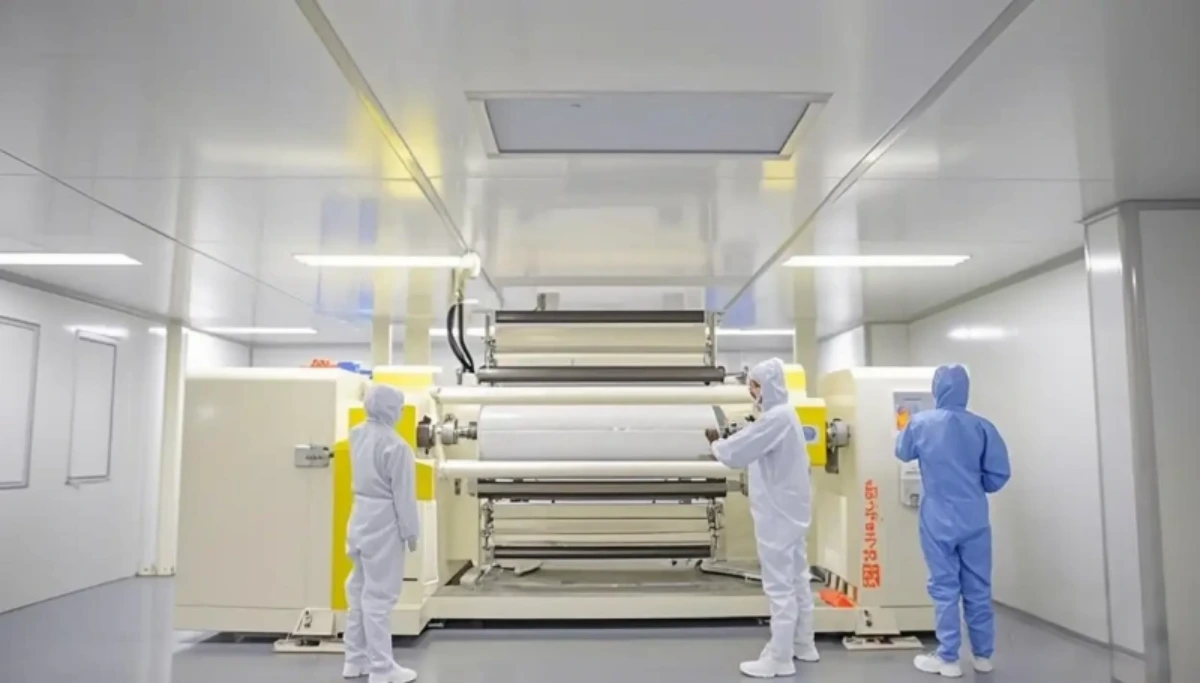
autoli TPU PPF Applied to all brand car models as Maserati、AstonMartin、McLaren、jeep.Our factory cooperates with AutoZone、Auto Repair Center、PPF installer、PPF agent、Auto Detailing and all so in many countries and regions around the world,like Macedonia,Chile,Netherlands,Poland,Warranty: 10 years.Our advantages:Efficient production reduces costs;Short production cycle, quick delivery;High quality raw materials and advanced technology.Our factory also provides TPU PPF、Car PPF.