

PPF’s non-yellowing formula ensures consistent appearance, avoiding uneven color changes across the vehicle.,Reduces need for spot-free car washes.,Make the Right Choice: Factory – Made PPF, Lower Costs, Higher Returns.
TPU PPF VS PET PPF:
- Surface Preparation – TPU PPF requires minimal paint correction, while PET PPF amplifies existing swirl marks due to lower flexibility.
- Low-Light Visibility – TPU PPF’s clarity enhances nighttime visibility for headlights, while PET PPF can create slight haze reducing light output.
- Thermal Cycling Performance – TPU PPF survives 500 freeze-thaw cycles, while PET PPF shows cracking after 200 cycles.
- Pressure Washing Resistance – TPU PPF withstands 2,000 psi pressure washes, while PET PPF lifts at edges above 1,500 psi.
- Resale Value Impact – TPU PPF-preserved vehicles retain 5–10% more value, while PET PPF’s shorter lifespan offers minimal resale benefit.
- Color Stability – TPU PPF retains tinted colors for 5 years, while PET PPF tint fades 40% within 18 months.
The long-term monitoring and maintenance system after the installation of PPF:
- Post-Repair Cure Monitoring – Allowing 48-hour curing after bubble removal or edge re-sealing before washing.
- Hard Water Spot Prevention – Using deionized water for final rinses or applying water spot removers weekly in hard-water areas.
- Color Stability Tracking – Comparing colored PPF to original swatches annually to detect fading, especially in red/blue films.
- Chemical Exposure Audits – Checking for discoloration or softening after contact with gasoline, brake fluid, or industrial cleaners.
- Self-Healing Activation in Cold Weather – Parking in sunlight on mild days or using a hair dryer (low heat, 30cm distance) to repair micro-scratches.
- Microfiber Cloth Protocol – Using lint-free, 300 GSM cloths for drying to avoid micro-scratches from debris in cheaper fabrics.
- Professional Edge Re-Sealing – Having certified installers re-heat seal edges at 12–18 months to prevent early lifting.
- Avoid Silicone-Based Products – Steering clear of silicone sprays that leave glossy residues attracting dust to PPF surfaces.
- Bi-Weekly Basic Cleaning – Rinsing with low-pressure water to remove surface dirt, preventing abrasive particle buildup.
The regulations of PPF and after-sales services:
- DIY Installation Void Policies – Most warranties, including PurePPF and 3M, void coverage for self-installed films, emphasizing the need for certified professional application .
- Anti-Yellowing Guarantees – Brands like Aegis Eternal 400 offer 15-year warranties against yellowing, using HALS stabilizers to maintain optical clarity over extended periods .
- Lifetime Warranty Programs – Premium PPF brands like 3M offer 7-year warranties on Pro Series films, covering defects like delamination and yellowing, while excluding wear and tear or improper installation .
- WEEE Directive Compliance – End-of-life PPF must be recycled in accordance with the EU’s WEEE directive, promoting circular economy practices for electronic and automotive waste .
- Recall Protocols for Defects – In cases of material defects (e.g., delamination), manufacturers like PurePPF coordinate nationwide recalls and replacements via authorized installers .
- EU PPWR Packaging Mandates – The EU’s Packaging and Packaging Waste Regulation (PPWR) requires PPF packaging to be recyclable by 2030 and prohibits PFAS in food-contact packaging, impacting material choices and disposal practices .
- China’s Consumer Complaint Channels – PPF buyers in China can file quality-related disputes through the national 12315 hotline, facilitating regulatory oversight and resolution .
- Cross-Industry Regulatory Alignment – PPFs used in electronics or aerospace must comply with sector-specific standards (e.g., FCC for electronics), expanding regulatory complexity .
- California CARB VOC Limits – PPF adhesives sold in California must comply with CARB’s strict VOC regulations, reducing harmful emissions during installation to align with regional air quality standards .
How TPU Redefines PPF:
- Winter Resilience – TPU’s resistance to ice scrapers and de-icing salts redefined PPF from seasonal products to winter-ready protectors in cold regions.
- Radar Compatibility – Non-metallic TPU formulations redefined PPF from ADAS-interfering products to sensor-safe films preserving 99.9% signal transmission.
- Quick Healing – TPU’s 24-hour scratch recovery redefined PPF from damage-accumulating films to self-renewing protectors maintaining appearance over time.
- Thin Yet Tough – High-strength TPU allowed 6–8mil films to match 10–12mil PVC protection, redefining PPF as lightweight yet durable.
- Low-Maintenance Design – TPU’s self-cleaning properties redefined PPF from high-upkeep products to “set-it-and-forget-it” solutions requiring minimal care.
- Customization Capability – TPU’s laser-cuttable nature redefined PPF from generic sheets to vehicle-specific kits with precision fits for complex curves.
The cutting-edge technology research and development of PPF:
- AI-Driven Process Optimization – Reinforcement learning algorithms adjust extrusion temperature and pressure in real-time, reducing waste by 60%.
- Nano-Composite Barrier Films – Layered double hydroxides (LDHs) in PPF block oxygen and water vapor transmission by 99.9% for food packaging.
- Superelastic PPF – Shape memory alloys (SMAs) integrated into TPU films recover from 500% elongation without permanent deformation.
- Nano-Ceramic Reinforced PPF – Zirconia and alumina nanoparticles increase PPF hardness to 9H while maintaining 85% transparency.
- Smart UV Indicators – Photochromic dyes in PPF change color when UV exposure exceeds safe levels, alerting users to replacement needs.
- Shape Memory Adhesives – Adhesives with thermally activated shape recovery allow repositioning during installation without residue.

The materials and technologies of PPF:
- RFID tracking chip: Embeds a passive RFID tag for anti-theft tracking and warranty management, readable via smartphone NFC.
- Self-repair technology: TPU molecules have memory properties, allowing for the automatic repair of minor scratches through environmental temperature or slight pressure, maintaining surface integrity.
- Multi-layer co-extrusion process: Through the co-extrusion of multiple layers of materials, a wear-resistant layer, a buffer layer, and an adhesive layer are integrated, balancing protective strength and adhesion.
- Closed-loop recycling system: Integrates physical recycling processes for TPU waste, achieving 95% material recovery rate while maintaining mechanical properties.
- UV-stabilized adhesive: Resists yellowing and degradation under prolonged sunlight exposure, backed by 10-year adhesion warranties.
- Ceramic coating compatibility: Features a receptive top layer that bonds seamlessly with ceramic coatings, creating a hybrid protection system with enhanced scratch resistance.
- Rapid curing adhesive technology: Enables full adhesive strength development within 24 hours (vs. 48-72 hours for conventional adhesives), shortening post-installation care time.
The user perception and consumption misconceptions of PPF:
- Consumer Misconception: “PPF Is Only for Exteriors” – Overlooking interior applications, missing opportunities to protect door sills and touchscreens.
- Consumer Misconception: “PPF Yellowing Is Inevitable” – Fearing all PPF yellows, unaware that modern anti-yellowing formulas with HALS stabilizers last 10 years clear.
- Consumer Misconception: “Matte PPF Holds More Dirt” – Avoiding matte finishes due to perceived maintenance issues, not realizing their texture repels dust better than gloss.
- Consumer Misconception: “PPF Removes Easily Without Residue” – Assuming all PPF peels cleanly, neglecting that old or low-quality films often leave adhesive residue requiring professional removal.
- Correct Perception: Lease Protection Value – Leaseholders use PPF to avoid $500 end-of-term fees, with 95% passing inspections without paint-related charges.
The differentiated user group needs matching of PPF:
- Police Vehicle Fleets – Require high-visibility PPF for markings, resisting graffiti and maintaining reflectivity for emergency response.
- Vintage Scooter Collectors – Use ultra-thin 5mil PPF to conform to curved fenders and fuel tanks, preserving retro paint jobs from scratches.
- Mountain Bike Shuttle Vans – Choose mud-resistant PPF for lower panels, withstanding dirt and debris from bike transport and trail access.
- Farm Equipment Operators – Apply heavy-duty 12mil PPF to tractor hoods and cabs, resisting crop debris, mud, and chemical splatters.
- Tropical Climate Users – Demand 99% UV-blocking PPF with enhanced HALS stabilizers to prevent paint fading in intense sunlight and humidity.
- Budget-Conscious Commuters – Opt for 6–7mil single-layer PPF with basic self-healing to balance protection and affordability for daily use.
- Off-Road Racing Trucks – Prioritize impact-dispersing multi-layer PPF, absorbing high-speed rock impacts during desert races like Baja 1000.
- Mobile Craft Workshop Vans – Prefer durable PPF for work surfaces and exteriors, withstanding tool impacts and material transport during events.
- High-Mileage Highway Drivers – Need stone chip-resistant PPF with thick top layers to absorb impacts from high-speed road debris on highways.
- Delivery Drivers – Need high-abrasion 10mil PPF for rear bumpers and door edges, enduring frequent loading and curbside impacts.
Why TPU PPF:
- Adjustable Roof Options – Compatible with louvered systems for rain/sun control (manual or motorized).
- Transport Efficiency – Lightweight components reduce shipping costs by 40% vs. steel structures.
- Wildlife Resistant – No organic materials to attract birds, squirrels, or bees.
- Recyclability at End-of-Life – 95% of components can be recycled, reducing landfill waste.
- Minimal Waste – Pre-cut components reduce on-site cutting and material waste by 80%.
- Space Optimization – Open rafter designs maximize usable space without visual clutter.
Say Goodbye to Car Scratches: Self-Healing PPF Revealed!:
- Key scratches on door edges vanish, saving drivers from costly repairs to high-contact areas.
- Scratches from automatic car washes—even with soft brushes—heal quickly, eliminating the need to avoid convenient cleaning options.
- Bike rack or cargo carrier scratches on SUVs heal, preserving paint on vehicles used for outdoor activities.
- Even in cooler climates, garage warmth or body heat can trigger healing, ensuring scratch repair isn’t limited to hot weather.
- Fine scratches from dust or dry wiping vanish, making low-effort maintenance safe for preserving your car’s finish.
- Work truck scratches from tools or equipment heal, preserving paint on vehicles used daily for labor.
- Unlike rigid PVC films that crack, TPU-based self-healing PPF maintains flexibility to absorb impacts and repair the resulting damage.
- Self-healing PPF’s topcoat is engineered to withstand repeated healing cycles without thinning or losing its protective capabilities.
- Pet owners benefit from scratch repair on door panels and trims, as claw marks disappear with mild heat from sunlight or interior warmth.
AUTOLI(CN) PPF(Paint Protection Film) oem factory
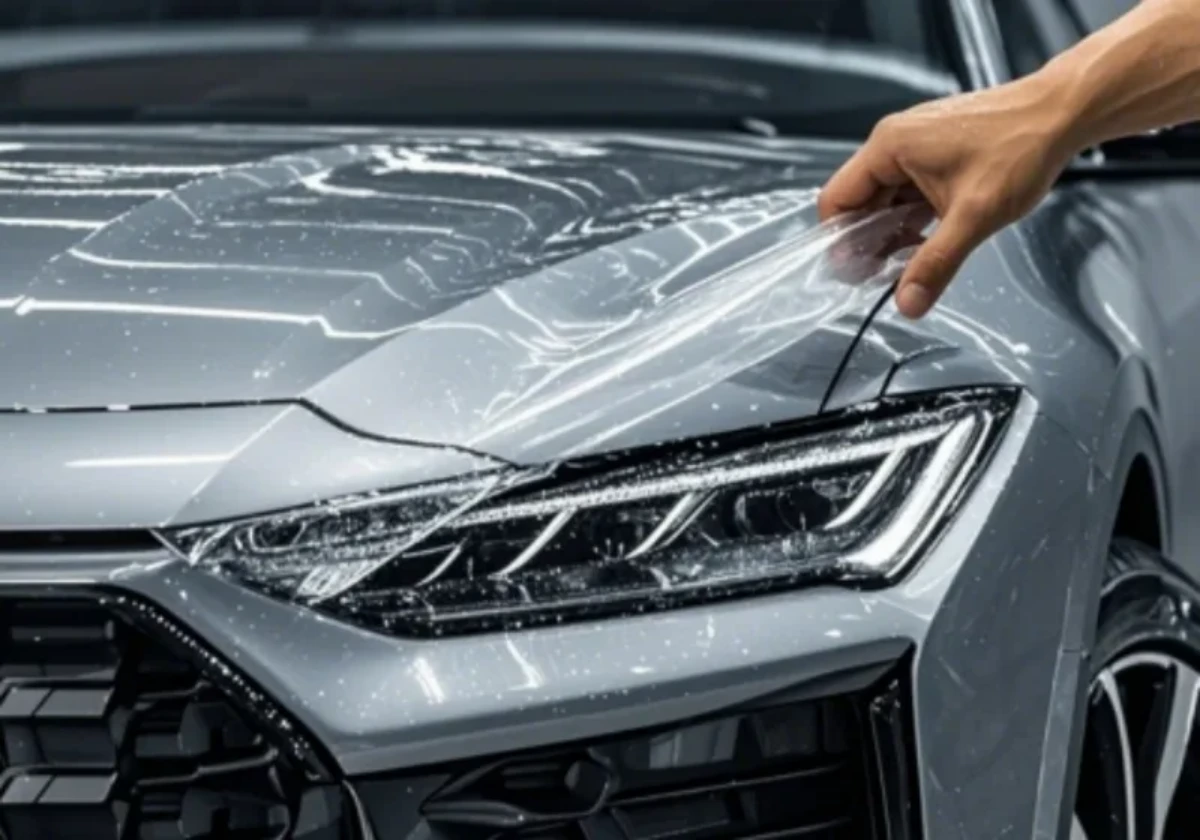
autoli TPU PPF Applied to all brand car models as Nissan、Lincoln、Toyota、Bugatti.Our factory cooperates with Auto Detailing、car Detail、PPF installer and all so in many countries and regions around the world,like Spain,Turkey,Paraguay,Greece,Malta,Iraq,Warranty: 10 years.Our advantages:High quality raw materials and advanced technology;Efficient production reduces costs;Raw material purchasing advantage.Our factory also provides Car Wraps、Car Wrap Vinyl.