

PPF’s removal doesn’t damage factory paint, making it reversible for owners who want to revert to original finish later.,Non-toxic for households with kids/pets.,Bridge to Business Greatness: Collaborate with Our Factory’s Certified PPF.
Say Goodbye to Car Scratches: Self-Healing PPF Revealed!:
- Soft-brush car washes leave no lasting marks, as self-healing PPF erases contact scratches within hours.
- Scratches from parking sensors or automatic door closers heal, maintaining a clean look on tech-integrated cars.
- Self-healing technology keeps PPF “invisible” over time, as scratches don’t accumulate to create a cloudy appearance.
- Newer self-healing formulations repair deeper scratches (up to 5μm), expanding their damage-reversal capabilities.
- Fine scratches from dust or dry wiping vanish, making low-effort maintenance safe for preserving your car’s finish.
- Key scratches on door edges vanish, saving drivers from costly repairs to high-contact areas.
- Swirl marks from improper drying or washing fade away, simplifying DIY car care and reducing the risk of accidental damage.
The protective performance of PPF:
- Colored PPF Durability – Features durable topcoats and self-healing tech to maintain vibrant colors and protection.
- Flexible Impact Resistance – Balances elasticity with toughness to absorb impacts while conforming to curves.
- Acid Rain Protection – Neutralizes acidic contaminants in rainwater to prevent paint damage and corrosion.
- Efficient Installation Process – Pre-cut kits and dry/wet application methods reduce installation time by 30% compared to traditional wraps.
- Abrasion Resistance – Resists wear and tear from repeated contact with car wash brushes, dirt, and sand.
The market trends and industry changes of PPF:
- Personalization Trends in Aesthetics – Demand for matte finishes, colored PPF, and custom textures is surging, with TPU-based films offering UV-resistant, self-healing properties to meet consumer preferences for vehicle customization.
- Recyclable Packaging Mandates – 80% of PPF brands now use recycled cardboard and biodegradable film wrap for packaging, aligning with EU packaging laws.
- E-Bike/Scooter PPF Demand – 40% of e-mobility retailers offer PPF for scooter bodies, protecting against urban scratches and extending resale value.
- Aerospace PPF Expansion – Lightweight PPF is being tested on aircraft exteriors, protecting against bird strikes and UV degradation in high-altitude environments.
- Subscription-Based PPF Services – Startups offer monthly PPF maintenance subscriptions, including cleaning and inspections, with 20% renewal rates after the first year.
- Regulatory Push for Transparency – The EU’s Digital Product Passport initiative requires PPF manufacturers to disclose material composition and recycling options, driving supply chain accountability.
- Aftermarket Warranty Innovations – Lifetime warranties on select PPF products (e.g., Aegis Eternal 400) are becoming standard, reflecting manufacturer confidence in material durability and performance.
- Commercial Fleet Adoption – Delivery giants like Amazon and JD.com are equipping 70% of new vans with PPF, reducing fleet repaint costs by $300 per vehicle annually.
- Regulatory Compliance in Manufacturing – Stringent environmental regulations (e.g., EU REACH) are pushing PPF producers to adopt solvent-free adhesives and energy-efficient production processes, reducing carbon footprints by up to 80%.
The regulations of PPF and after-sales services:
- EU Digital Product Passport – PPF manufacturers must disclose material composition and recycling details via the EU’s Digital Product Passport, enhancing supply chain transparency .
- Certified Installer Networks – Brands like Eastman (DragonFilm) enforce tiered certification programs (e.g., 1-star to 7-star) to ensure standardized installation practices and warranty validity .
- China’s Consumer Complaint Channels – PPF buyers in China can file quality-related disputes through the national 12315 hotline, facilitating regulatory oversight and resolution .
- Solvent-Free Adhesive Requirements – EU REACH and California CARB regulations push PPF producers to adopt solvent-free adhesives, reducing carbon footprints by up to 80% .
- Regional Regulatory Exemptions – Medical device packaging and hazardous goods transportation are exempt from EU PPWR’s recyclability rules, affecting niche PPF applications .
- Post-Installation Inspections – Professional installers like NAR PPF conduct post-installation checks to ensure edge sealing and material adherence, minimizing warranty claims .
The user pain points of PPF and their solutions:
- Matte Paint Distortion – Solved by matte-specific PPF (20–30% gloss) designed to preserve texture without shine spots.
- Confusion About Maintenance Products – Solved by brand-specific cleaning kits and “approved products” lists to avoid topcoat damage.
- Unclear Warranty Coverage – Clarified via digital warranty passports detailing exclusions (wear, improper maintenance) and inclusions.
- Warranty Void Due to DIY Installation – Resolved by offering “DIY-friendly” kits with warranty coverage for proper application.
- Scratches from Automated Car Washes – Prevented by scratch-resistant topcoats (9H hardness) and “brushless wash safe” certifications.
- Damage from Road Debris – Mitigated by impact-dispersing multi-layer films, reducing stone chips by 70% at highway speeds.
- DIY Installation Failures – Resolved with pre-cut laser patterns, air-release adhesives, and step-by-step video tutorials.
The materials and technologies of PPF:
- Nanometer-level functional coating technology: The surface is covered with a hydrophobic and oleophobic coating, reducing the adhesion of stains and enhancing scratch resistance. Some contain UV-resistant particles to improve weather resistance.
- Smart damage detection layer: Embeds micro-sensors that interact with smartphone apps to alert users of hidden impacts or coating wear via subtle color shifts.
- Thermochromic color-shifting film: Changes color with temperature variations (e.g., blue at 25°C, red at 35°C), adding dynamic visual appeal.
- Self-healing temperature threshold optimization: Activates repair mechanisms at 30°C (vs. 40°C traditionally), enabling faster recovery in mild climates.
- Self-healing touch-up pen: Provides a portable solution for repairing localized scratches, leveraging the same TPU memory technology as the film.
- Anti-static and dust-proof technology: The surface coating adds long-lasting anti-static agents, reducing the electrostatic adsorption force on the film surface, decreasing the frequency of dust and particle adhesion, and prolonging the cleaning cycle.
- Edge sealing reinforcement technology: Using a micro-groove lock-edge process and special sealing glue, water and dust can be prevented from seeping into the edge of the film, avoiding problems such as warping and bubbles.
- Dynamic impact dispersion technology: Integrates micro-elastic buffers within the TPU matrix to分散 and absorb impact energy from high-speed debris, reducing paint indentation risk by over 60%.
- pH-responsive anti-corrosion layer: Activates protective agents when exposed to acidic environments (e.g., acid rain).
The user perception and consumption misconceptions of PPF:
- Consumer Misconception: “PPF Works on Rusty Surfaces” – Applying PPF over existing rust, unaware it traps moisture and accelerates corrosion.
- Correct Perception: Edge Coverage Prevents Lifting – Opting for “full edge” wraps that fold film over panel edges, reducing wear from debris.
- Correct Perception: Interior PPF Benefits – Users protect dashboards and touchscreens, reducing UV fading and scratch visibility by 80%.
- Consumer Misconception: “PPF Yellowing Is Visible Immediately” – Expecting instant discoloration, not realizing quality films take 5 years to show subtle yellowing.
- Consumer Misconception: “PPF Is Only for Exteriors” – Overlooking interior applications, missing opportunities to protect door sills and touchscreens.
- Correct Perception: Resale Value Boost – 81% of luxury car owners recognize PPF-preserved paint enhances resale value by 5–10% in pre-owned markets.
The differentiated user group needs matching of PPF:
- Mobile Pet Adoption Vans – Use pet-friendly scratch-resistant PPF, withstanding claw marks and frequent door use during adoption events.
- Desert Dwellers – Require sand-resistant PPF with anti-abrasion topcoats to prevent paint damage from blowing sand and extreme UV radiation.
- Off-Road Racing Trucks – Prioritize impact-dispersing multi-layer PPF, absorbing high-speed rock impacts during desert races like Baja 1000.
- Vintage Camper Van Owners – Opt for heat-reflective PPF on roofs to reduce interior temperatures, while protecting paint from tree sap and rain.
- Snowmobile/ATV Riders – Need cold-flexible PPF (-30°C tolerance) to resist cracking from ice, snow, and trail debris during winter adventures.
- Vintage Scooter Collectors – Use ultra-thin 5mil PPF to conform to curved fenders and fuel tanks, preserving retro paint jobs from scratches.
The horizontal comparison of PPF with other protection methods:
- PPF vs. Stone Guard Films (Thin) – Thin stone guards protect against small debris but lack self-healing, while PPF handles larger impacts and repairs minor damage automatically.
- PPF vs. Rubberized Undercoating – Undercoating protects metal from rust, while PPF defends painted surfaces from road debris, with non-overlapping application zones.
- PPF vs. Spray-On Protective Coatings – PPF is removable and repairable, unlike permanent spray coatings that require full repaint for damage correction.
- PPF vs. Teflon Coatings – Teflon coatings reduce friction but lack self-healing, unlike PPF which repairs micro-scratches and resists abrasion better in high-wear areas.
- PPF vs. Paint Sealant Sprays – Sealant sprays offer 6–9 months of UV protection but no scratch defense, while PPF combines both for extended durability.
- PPF vs. Bug Remover Coatings – Bug coatings make cleanup easier, while PPF resists insect acid etching, with PPF offering proactive protection vs. reactive cleaning aid.
- PPF vs. UV-Blocking Window Tints – Tints reduce interior UV exposure, while PPF blocks exterior paint UV damage, with both addressing UV risks but on different surfaces.
- PPF vs. Fiberglass Coatings – Fiberglass coatings add rigid strength to surfaces but can’t conform to curves, unlike PPF which adapts to vehicle contours seamlessly.
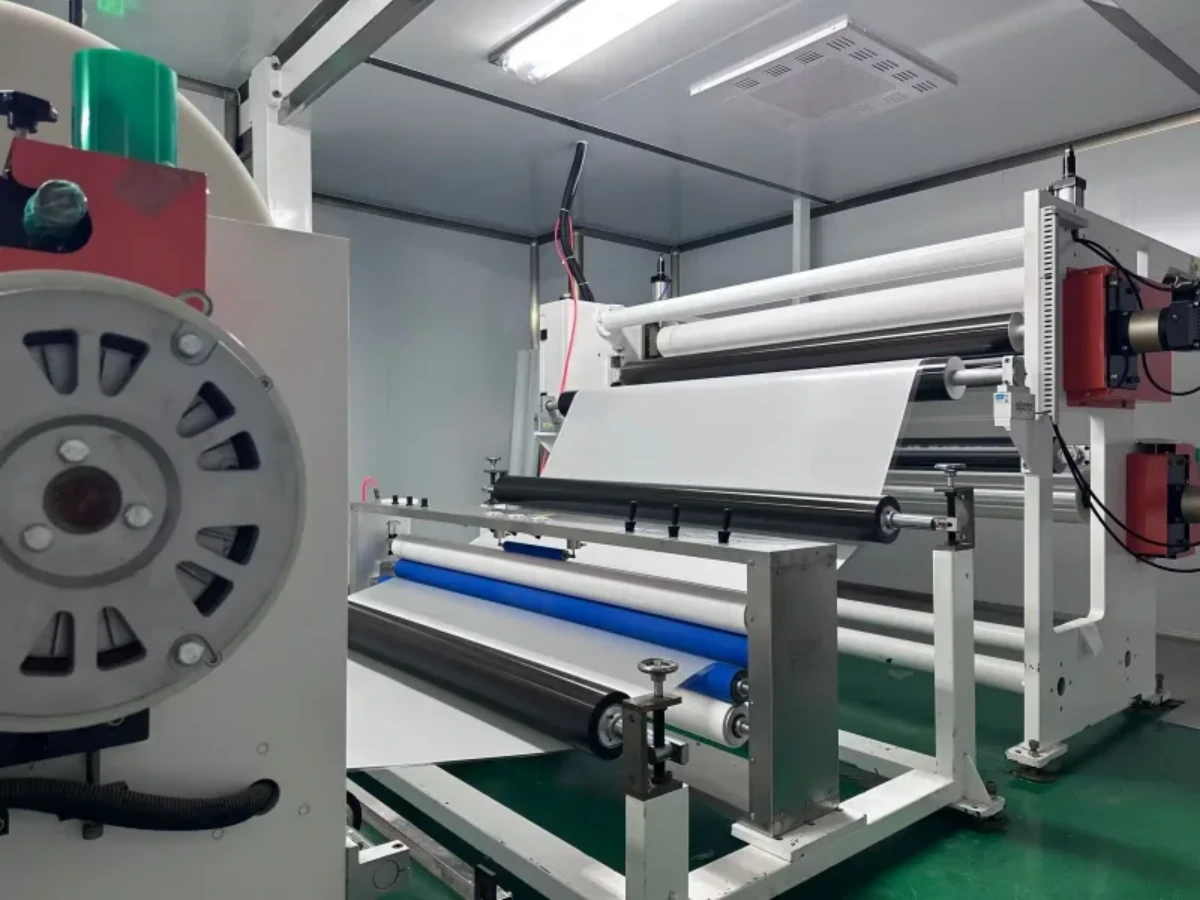
AUTOLI(CN) PPF(Paint Protection Film) oem factory
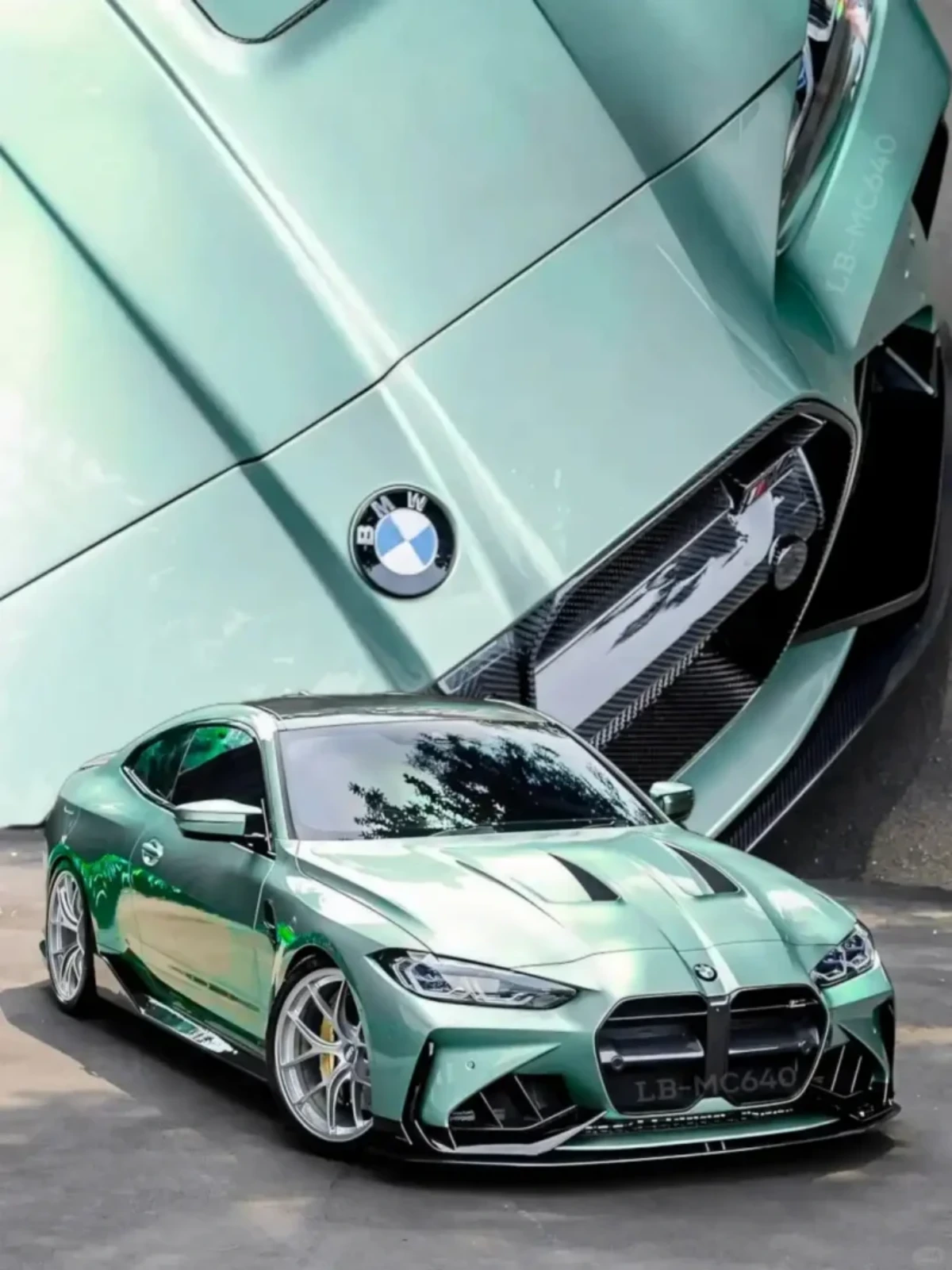
autoli TPU PPF Applied to all brand car models as Nissan、Infiniti、jeep、Lamborghini.Our factory cooperates with PPF wholesaler、PPF installer、Car Customization Shop and all so in many countries and regions around the world,like Iran,Brazil,Luxembourg,Denmark,Warranty: 10 years.Our advantages:Collaborate for Lucrative Returns: Source factory;Perfect after-sales service;Short production cycle, quick delivery;Raw material purchasing advantage;Efficient production reduces costs.Our factory also provides Vinyl wrapping、vinyl Wraps.