

PPF’s anti-static properties repel dust during application, ensuring a cleaner finish in the final product.,Safe for enclosed garages with poor ventilation.,PPF Production in 7 Days – Free Samples Available.
The user pain points of PPF and their solutions:
- Discoloration on Dark Paint – Solved by high-clarity TPU with low-iron content, preventing blue/green tint on black vehicles.
- Long Installation Downtime – Reduced to 1–2 days with pre-cut kits and rapid-cure adhesives (24-hour bonding).
- Salt Corrosion in Coastal Areas – Mitigated by anti-corrosion additives and salt-resistant adhesives reducing rust under film.
- High Heat Damage (EV Batteries) – Solved by heat-resistant PPF (120°C ) with thermal conductivity for battery zone protection.
- Bird Dropping Etching – Addressed through acid-resistant topcoats and 24-hour removal guidelines to prevent permanent damage.
- Difficulty Removing Old PPF – Simplified with low-tack, residue-free adhesives and professional heat-assisted removal services.
- Fading in Extreme Sunlight – Fixed by 99% UV-blocking films with enhanced carbon black pigments for tropical climates.
- Unclear Warranty Coverage – Clarified via digital warranty passports detailing exclusions (wear, improper maintenance) and inclusions.
The long-term monitoring and maintenance system after the installation of PPF:
- Post-Application Cure Period Compliance – Following 30-day no-wash guidelines after installation to ensure full adhesive bonding.
- Hand-Drying Post-Wash – Patting dry instead of air-drying to eliminate water spots, especially in hard-water regions.
- DIY Bubble Repair Guidelines – Using a needle to puncture bubbles, then applying heat and gentle pressure with a microfiber cloth.
- Humidity-Triggered Cleaning Adjustments – Increasing cleaning frequency by 50% in ≥70% humidity to prevent mold under PPF.
- 6-Month Bubble Detection – Using polarized light to identify subsurface bubbles invisible to the naked eye, especially post-installation.
- Bi-Weekly Basic Cleaning – Rinsing with low-pressure water to remove surface dirt, preventing abrasive particle buildup.
- Impact Damage Assessment – Documenting rock chips or abrasions with photos to track self-healing efficacy over 6–12 months.
The horizontal comparison of PPF with other protection methods:
- PPF vs. Headlight Restoration Kits – Restoration fixes yellowing, while PPF prevents UV damage and rock chips on headlights, extending clarity 3x longer than restored lenses alone.
- PPF vs. Chrome Polish – Chrome polish removes tarnish but doesn’t prevent future damage, while PPF on chrome trims resists scratches and maintains shine long-term.
- PPF vs. Clear Enamel – Clear enamel is a permanent paint layer that cracks under impact, whereas PPF flexes to absorb collisions and can be replaced if damaged.
- PPF vs. Car Covers – PPF provides 24/7 protection during driving/parking, unlike covers that only work when stationary and risk scratching paint during removal.
- PPF vs. Bug Remover Coatings – Bug coatings make cleanup easier, while PPF resists insect acid etching, with PPF offering proactive protection vs. reactive cleaning aid.
- PPF vs. Vinyl Protectants – Vinyl protectants prevent cracking in vinyl wraps but don’t shield against impacts, unlike PPF which adds scratch resistance to wrapped surfaces.
- PPF vs. Nano Glass Coatings – Glass coatings excel on windows for water repellency, while PPF protects painted surfaces from physical damage, with minimal overlap in application.
- PPF vs. Silicone Spray – Silicone spray repels water temporarily but attracts dust, unlike PPF’s long-lasting hydrophobicity that resists dirt buildup.
- PPF vs. Hydrophobic Sprays – Sprays offer temporary water repellency (2–3 months), while PPF combines hydrophobicity with long-term scratch/impact protection (5 years).
Say Goodbye to Car Scratches: Self-Healing PPF Revealed!:
- Self-healing properties remain effective across the entire film, from large panels like hoods to detailed areas like door handles and mirrors.
- Microfiber drying scratches vanish, making DIY cleaning safer for preserving your car’s finish.
- Self-healing PPF minimizes “witness marks” from minor collisions, reducing the visual impact until professional repairs are possible.
- Family cars stay presentable as scratches from children’s toys or pet claws heal quickly, even with daily use.
- Unlike touch-up paints that create color mismatches, self-healing PPF repairs scratches while preserving your car’s original hue.
- Newer self-healing formulations repair deeper scratches (up to 5μm), expanding their damage-reversal capabilities.
The differentiated user group needs matching of PPF:
- Matte Paint Owners – Select matte-specific PPF (20–30% gloss) to preserve texture without altering the factory matte finish or causing shine spots.
- Mobile Hair Salon Vans – Select chemical-resistant PPF to protect exteriors from hair dye and product spills, maintaining professional appearance.
- Beachside Rental Car Fleets – Choose sand-resistant PPF with enhanced hydrophobicity, reducing cleaning time between rentals in coastal areas.
- Budget-Conscious Commuters – Opt for 6–7mil single-layer PPF with basic self-healing to balance protection and affordability for daily use.
- Limousine Services – Select mirror-finish PPF for black exteriors, minimizing swirl marks from frequent client pickups and drop-offs.
- Coastal Residents – Choose saltwater-resistant PPF with anti-corrosion additives to combat salt spray and humidity-induced oxidation.
Why TPU PPF:
- Recyclability at End-of-Life – 95% of components can be recycled, reducing landfill waste.
- Multi-Zone Use – Can cover dining, lounging, and cooking areas in large outdoor spaces.
- Weatherproof Connections – Gasketed joints prevent water infiltration at beam intersections.
- Non-Combustible – Aluminum is fire-resistant, meeting building codes in wildfire-prone regions.
- Resale Value Boost – Adds outdoor living space appeal, increasing home value by 3–5%.
- Color Options – Available in 20 powder-coat colors, including white, black, bronze, and wood grain finishes.
- Custom Rafter Spacing – 400mm–600mm spacing options balance shade coverage and material efficiency.
- Electric Integration – Pre-wired channels for lighting, speakers, and heating systems.
- Fire Rating Compliance – Achieves Class A fire rating, meeting strict building codes in fire zones.
The protective performance of PPF:
- Longevity – Offers long-term protection, with warranties ranging from 5 to 10 years depending on the product.
- Stone Chip Protection – Shields against chips and dents caused by stones, gravel, and other road debris.
- Self-Healing in Low-Temperature Conditions – Advanced films like CarPro Immortal? activate self-healing even at -20°C without external heat.
- **Impact Absorption** – PPF can absorb the impact energy from small collisions, like hitting a small pothole or a light tap in a parking lot, reducing the chance of paint damage.
- **Resistance to Abrasion from Pet Claws** – For those who transport pets in their vehicles, PPF protects the interior and exterior surfaces from scratches caused by pet claws.
- Pre-Cut Interior Patterns – Precise-fit films for door handles, dashboards, and trims, ensuring hassle-free installation.
- Nano-Ceramic Reinforcement – Hybrid films combine TPU with ceramic particles for increased hardness (9H) and scratch resistance.
- RAPID EDGE? Technology – Simplifies installation with warm water activation, reducing chemical reliance and securing edges efficiently.
- **Anti – Static Property** – PPF has anti – static properties, which means it attracts less dust and dirt compared to non – protected surfaces, helping to keep the vehicle cleaner.
Before & After: How PPF Transforms a 10-Year-Old Car:
- Before: Tailgate latch area with paint worn from opening/closing; After: PPF covers latch perimeter, hiding wear and reducing friction-related damage.
- Before: Front air dam with road rash from low ground clearance; After: Thick PPF lines the dam, hiding existing damage and absorbing impact from road debris.
- Before: Rear bumper reflectors with paint chipping around edges; After: PPF covers reflector perimeters, hiding chips and maintaining consistent appearance.
- Before: Door striker plates with paint worn from contact; After: PPF lines striker areas, covering wear and reducing friction between metal and paint.
- Before: Roof antenna with cracked paint from weathering; After: PPF’s flexible layer covers cracks and protects against rain/snow intrusion.
- Before: Under-hood fuse box cover with faded plastic; After: Interior PPF covers plastic, restoring color and protecting against oil and dust damage.
The production supply chain and quality control system of PPF:
- Localization Strategies – Regional production for large markets (e.g., China, US) to reduce shipping costs and tariffs.
- Abrasion Resistance – Taber abrasion tests (CS-10 wheel, 1kg load) measuring weight loss to validate durability.
- Failure Mode and Effects Analysis (FMEA) – Proactive risk assessment of production processes to prevent failures.
- Corrective Action Plans – Documented steps to address out-of-spec results, with timelines for implementation and verification.
- Waste Management Partnerships – Collaboration with recycling firms to process production scrap into secondary TPU materials.
- Self-Healing Efficacy – Controlled scratch tests (3μm depth) followed by heat activation to verify 95% repair rate.
AUTOLI(CN) PPF(Paint Protection Film) oem manufacturer
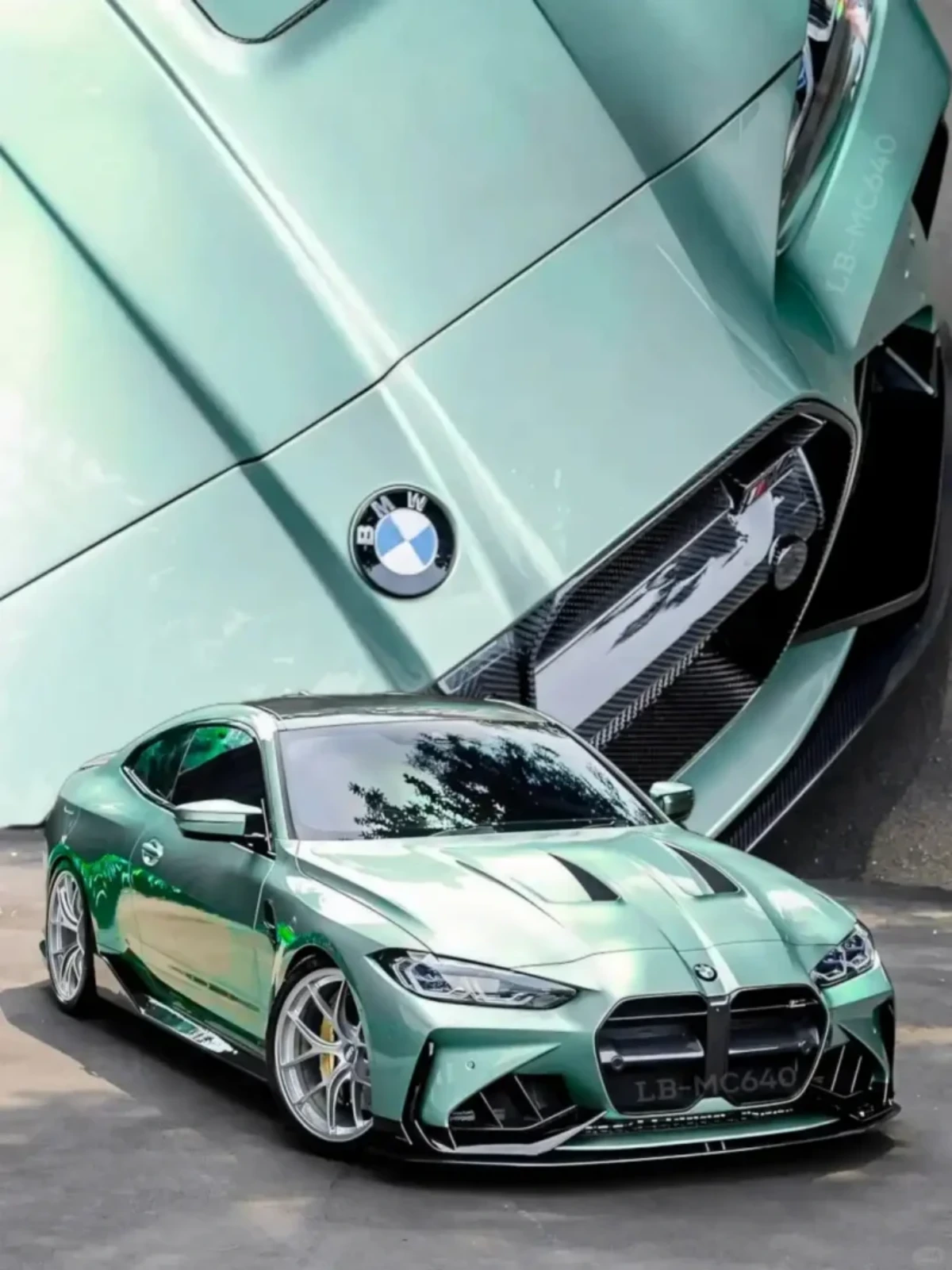
autoli TPU PPF Applied to all brand car models as mini、Rolls-Royce、Audi、Buick.Our factory cooperates with AutoZone、PPF installer、Auto Spa、PPF wholesaler、Car Customization Shop and all so in many countries and regions around the world,like Cyprus,Ireland,Indonesia,Malaysia,Warranty: 10 years.Our advantages:Short production cycle, quick delivery;Your Key to Profitable PPF Ventures;Short production cycle, quick delivery;Strict quality control system;Collaborate for Lucrative Returns: Source factory.Our factory also provides carwraps、Window Film、vinyl car wrapping.