

PPF’s resistance to chemical cleaners allows safe use of car wash soaps without damaging the protective layer.,Transparent, no color distortion on paint.,Supercharge Business Growth: Discounted PPF, Rapid Production Cycles, Premier Certifications.
The differentiated user group needs matching of PPF:
- Electric Vehicle Taxi Fleets – Require fast-healing PPF to hide minor scratches from constant passenger use, maintaining vehicle appearance.
- Ambulance Fleets – Need chemical-resistant PPF to withstand disinfectant exposure, maintaining markings and paint integrity during emergencies.
- Daily Urban Commuters – Seek 7–8mil UV-stabilized PPF for scratch resistance against parking lot dings and road debris during city driving.
- Desert Dwellers – Require sand-resistant PPF with anti-abrasion topcoats to prevent paint damage from blowing sand and extreme UV radiation.
- Golf Course Maintenance Vehicles – Choose grass-stain-resistant PPF for lower panels, simplifying cleanup of clippings and fertilizer splatters.
- Mobile Tailgating Vehicles – Choose spill-resistant PPF for exteriors, simplifying cleanup of food, drinks, and grilling debris during events.
The production supply chain and quality control system of PPF:
- Extrusion Process Management – Real-time monitoring of temperature, pressure, and speed to ensure consistent film thickness.
- Coating Line Integration – Sequential application of adhesive, TPU core, and topcoat in a continuous production flow.
- Document Control System – Version-controlled procedures, work instructions, and test methods accessible to all staff.
- Carbon Footprint Tracking – Lifecycle analysis of supply chain emissions, with reduction targets for transportation and production.
- Pre-Shipment Inspections – Final quality checks before dispatch, including roll dimensions, labeling, and packaging integrity.
- High-Temperature Stability – Oven testing at 80°C for 1,000 hours to check for adhesive failure or discoloration.
- Abrasion Resistance – Taber abrasion tests (CS-10 wheel, 1kg load) measuring weight loss to validate durability.
- Batch Testing Protocols – Random sampling of finished rolls (1 per 50) for full performance characterization.
TPU PPF VS PET PPF:
- Surface Preparation – TPU PPF requires minimal paint correction, while PET PPF amplifies existing swirl marks due to lower flexibility.
- Durability Rating – TPU PPF achieves 50,000 Taber abrasion cycles, compared to PET PPF’s 15,000-cycle rating.
- Installation Ease – TPU PPF’s air-release adhesives allow repositioning, while PET PPF’s aggressive adhesives make alignment errors irreversible.
- Resale Value Impact – TPU PPF-preserved vehicles retain 5–10% more value, while PET PPF’s shorter lifespan offers minimal resale benefit.
- Chemical Cleaning Compatibility – TPU PPF tolerates iron removers and tar cleaners, while PET PPF may discolor with aggressive decontamination products.
- High-Speed Performance – TPU PPF resists stone chips at 120km/h, while PET PPF fails at 80km/h in highway tests.
- Weight-Bearing Capacity – TPU PPF supports accessory mounting (e.g., light bars) with minimal sagging, while PET PPF distorts under similar weight.
The user pain points of PPF and their solutions:
- Incompatibility with Custom Paint – Addressed by color-stable PPF formulated for matte, chameleon, and metallic finishes.
- ADAS Sensor Interference – Prevented by radar-transparent PPF (99.9% signal transmission) tested with OEM systems.
- Scratches from Automated Car Washes – Prevented by scratch-resistant topcoats (9H hardness) and “brushless wash safe” certifications.
- Poor Performance in Cold Climates – Fixed with cold-flexible TPU (-40°C tolerance) and frost-resistant adhesives to avoid cracking.
- Fading in Extreme Sunlight – Fixed by 99% UV-blocking films with enhanced carbon black pigments for tropical climates.
- Confusion About Maintenance Products – Solved by brand-specific cleaning kits and “approved products” lists to avoid topcoat damage.
- Warranty Void Due to DIY Installation – Resolved by offering “DIY-friendly” kits with warranty coverage for proper application.
- Unclear Warranty Coverage – Clarified via digital warranty passports detailing exclusions (wear, improper maintenance) and inclusions.
- Long Installation Downtime – Reduced to 1–2 days with pre-cut kits and rapid-cure adhesives (24-hour bonding).
The regulations of PPF and after-sales services:
- Nano-Coating Warranty Bundles – Hybrid solutions combining PPF with ceramic coatings (e.g., Onyx PPF Nano Coat) offer extended warranties covering both layers .
- Regulatory Updates for EVs – EV-specific PPFs must comply with OEM heat resistance standards (e.g., 120°C for battery zones) to avoid delamination .
- IoT-Enabled Performance Monitoring – Emerging PPFs with embedded sensors monitor UV exposure and damage levels, providing real-time data for predictive maintenance and warranty claims .
- EU Digital Product Passport – PPF manufacturers must disclose material composition and recycling details via the EU’s Digital Product Passport, enhancing supply chain transparency .
- Australia’s UV Protection Standards – PPFs sold in Australia/NZ must comply with AS/NZS 4399 for UV protection, requiring UPF ratings ≥15 and transparency in labeling .
- Cross-Industry Regulatory Alignment – PPFs used in electronics or aerospace must comply with sector-specific standards (e.g., FCC for electronics), expanding regulatory complexity .
The construction and maintenance of PPF:
- Tapered Overlap Seams – Feathered edge overlaps (≤0.5mm) create invisible, water-resistant seams between panel sections.
- Dust Mitigation – HEPA filters and air ionizers in the workspace reduce dust particles that cause bubbles or imperfections.
- Avoid Parking Under Trees – Reducing exposure to sap, berries, and debris minimizes cleaning frequency and potential stains.
- Post-Heat Curing – A final pass with a heat gun (80–100°C) on edges accelerates adhesive curing for immediate durability.
- Adhesive Priming – Using tack promoters on low-energy surfaces (e.g., plastic trim) enhances adhesion in challenging areas.
- High-Temperature Tolerance Care – Parking in shaded areas during extreme heat (≥35°C) reduces topcoat oxidation risk.
- Avoid High-Pressure Direct Sprays – Keeping pressure washers 30cm from edges prevents water from lifting film edges.
The horizontal comparison of PPF with other protection methods:
- PPF vs. Tire Dressing – Dressing enhances tire shine, while PPF has no role in tire care, illustrating their focus on separate vehicle components.
- PPF vs. Multi-Surface Sealants – Multi-surface sealants offer mild protection across materials, while PPF provides specialized, high-impact defense for painted surfaces alone.
- PPF vs. Vinyl Wraps – PPF prioritizes paint protection with self-healing properties, while vinyl wraps focus on aesthetic customization, with PPF being more durable against abrasion.
- PPF vs. Rubberized Undercoating – Undercoating protects metal from rust, while PPF defends painted surfaces from road debris, with non-overlapping application zones.
- PPF vs. Glass Coatings – Glass coatings excel on windows for clarity but don’t protect paint, whereas PPF is engineered specifically for automotive painted surfaces.
- PPF vs. Fabric Protectors – Fabric protectors repel stains on interiors, while PPF defends exterior paint, with both using hydrophobic tech but on different materials.
- PPF vs. Matte Paint Sealants – PPF preserves matte paint texture while adding scratch resistance, whereas matte sealants focus on maintaining finish but lack impact defense.
The user perception and consumption misconceptions of PPF:
- Consumer Misconception: “All PPF Installers Are Equal” – Choosing based on price alone, ignoring differences in training, tools, and workspace quality.
- Correct Perception: Pre-Cut vs. Hand-Cut Tradeoffs – Users understand pre-cut kits save time, while hand-cut offers better precision on complex curves.
- Correct Perception: Quick Healing for Minor Damage – Users appreciate sunlight-activated healing, with 85% reporting scratches disappearing within 24 hours in warm weather.
- Consumer Misconception: “Thicker PPF = Better Protection” – Assuming 10mil PPF is always superior, ignoring that excessive thickness can cause edge lifting on curved surfaces.
- Consumer Misconception: “PPF Is Only for Luxury Cars” – Overlooking value for mainstream vehicles, where PPF still cuts repair costs by $300–$800 annually.
- Consumer Misconception: “All Warranties Cover Everything” – Misreading warranties to include damage from accidents or improper cleaning, leading to denied claims.
- Consumer Misconception: “Lifetime Warranty Means Forever” – Misunderstanding that “lifetime” warranties cover all damage, when most exclude improper maintenance or extreme impacts.
- Consumer Misconception: “PPF Hides Existing Paint Damage” – A false belief that PPF covers swirl marks or chips, when pre-installation paint correction is actually required.
- Consumer Misconception: “PPF Installation Requires Paint Removal” – Fearing sanding or stripping, unaware professional installs use gentle cleaning without paint removal.
The protective performance of PPF:
- Industrial Pollution Defense – Protects against acid rain, salt spray, and airborne contaminants in harsh environments.
- **Anti-Graffiti Resistance** – It makes it difficult for graffiti to stick to the vehicle’s surface, and if any is applied, it can be removed more easily without harming the paint.
- Carbon Fiber & Piano Black Protection – Shields high-wear interior surfaces like carbon fiber and glossy trims from scratches.
- Acid Rain Etching Resistance – Neutralizes acidic pollutants in rain, preventing pitting and corrosion on painted surfaces.
- High-Impact Energy Absorption – Multi-layer TPU films disperse collision forces, protecting against deep dents from rocks or debris.
- 99% UV Blocking – Advanced UV inhibitors shield paint from fading and oxidation caused by prolonged sunlight.
AUTOLI(CN) PPF(Paint Protection Film) oem factory
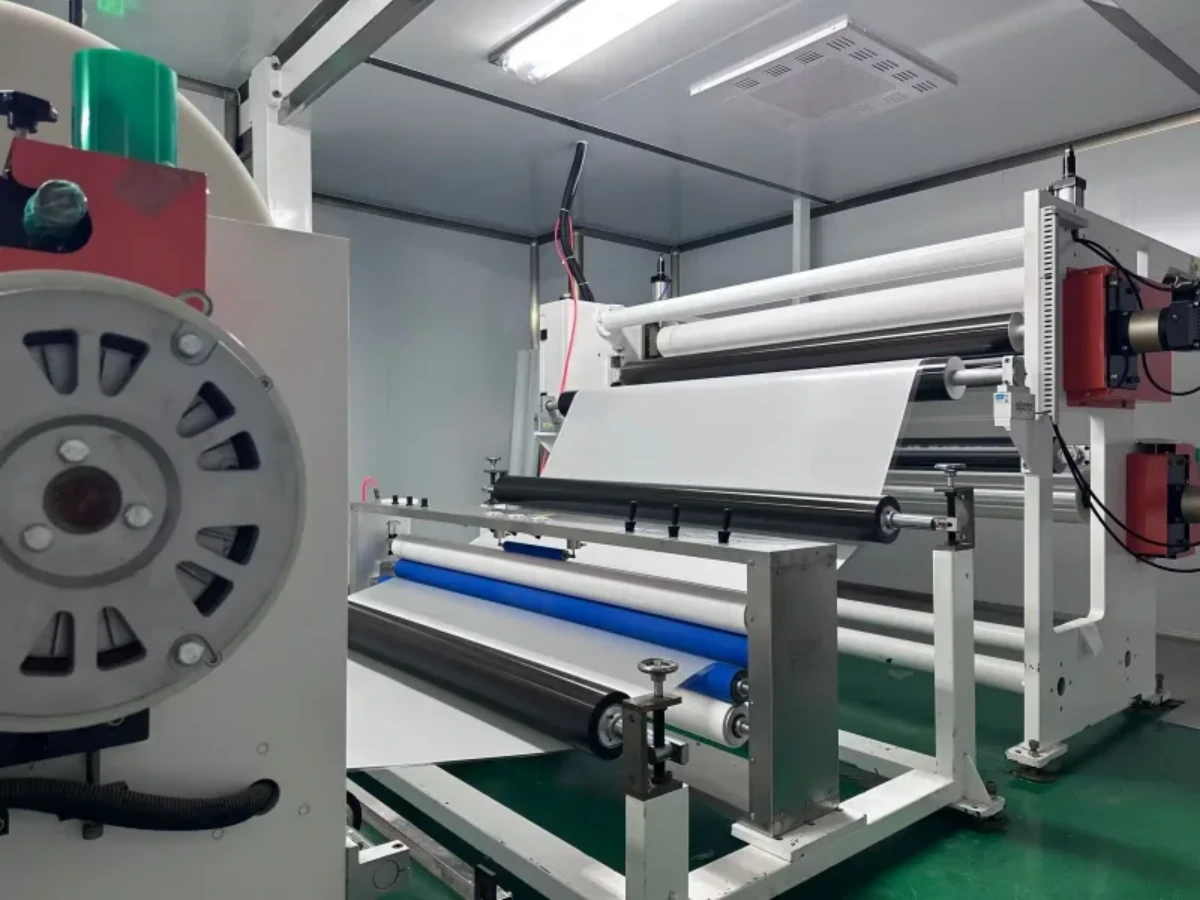
autoli TPU PPF Applied to all brand car models as AstonMartin、Bugatti、Porsche、AstonMartin.Our factory cooperates with Auto Repair Center、Auto Detailing Shop、Auto Detailing and all so in many countries and regions around the world,like Iran,Indonesia,Chile,Australia,Finland,Greece,Warranty: 10 years.Our advantages:High quality raw materials and advanced technology;Collaborate for Lucrative Returns: Source factory;Short production cycle, quick delivery.Our factory also provides Car Paint Protection Film、PPF Vinyl Car Wrap.