

PPF’s thick 8-10mil build absorbs minor dents from small impacts, reducing the risk of paint chipping on rough roads.,Self-heals hairline scratches at 40-60℃ temperature.,Multiply Your Wealth: Bargain – Priced PPF, Speedy Manufacturing, Stringent Certifications.
The production supply chain and quality control system of PPF:
- Packaging Optimization – Collaborative design with logistics firms for space-efficient palletization, reducing transport emissions.
- Color Stability Verification – Spectrophotometer measurements ensuring ΔE < 2 after accelerated UV exposure.
- Emergency Supply Protocols – Backup production facilities activated during primary plant downtime to maintain supply continuity.
- OEM Compliance Testing – Meeting automaker specifications (e.g., Tesla, BMW) for paint compatibility and performance.
- Corrective Action Plans – Documented steps to address out-of-spec results, with timelines for implementation and verification.
- Ethical Sourcing Policies – Prohibition of materials from conflict zones or suppliers with labor violations.
- Distribution Network Optimization – Regional hubs in NA, EU, and APAC reducing delivery times to installers by 30–40%.
- Waste Management Partnerships – Collaboration with recycling firms to process production scrap into secondary TPU materials.
- Production Planning – AI-driven demand forecasting to optimize production runs and reduce material waste.
The user perception and consumption misconceptions of PPF:
- Consumer Misconception: “PPF Blocks Radar and GPS Signals” – Fearing interference with ADAS, unaware modern PPF is engineered for 99% signal transparency.
- Correct Perception: Edge Sealing Importance – Savvy users check for heat-sealed edges, knowing proper sealing reduces lifting by 80% in car washes.
- Consumer Misconception: “PPF Can Be Applied in Rainy Weather” – Attempting installation in humid conditions, increasing bubble risks due to moisture trapped under film.
- Correct Perception: Thickness Depends on Use Case – Off-roaders choose 10mil PPF, while daily drivers opt for 8mil to balance protection and flexibility.
- Consumer Misconception: “PPF Is Only for Luxury Cars” – Overlooking value for mainstream vehicles, where PPF still cuts repair costs by $300–$800 annually.
- Correct Perception: Edge Coverage Prevents Lifting – Opting for “full edge” wraps that fold film over panel edges, reducing wear from debris.
Why TPU PPF:
- Disaster Recovery – Quick to replace or repair after storm damage compared to custom wood structures.
- Accessibility Compliance – Can be integrated with wheelchair-accessible pathways and ramps.
- Long Lifespan – 25–50 year service life, doubling the longevity of pressure-treated wood pergolas.
- Heavy-Duty Models – Industrial-grade 80mm×80mm beams for commercial high-traffic areas.
- Drought Resistance – Requires no water for maintenance, unlike wooden pergolas needing periodic sealing.
- Eco-Friendly Production – Aluminum manufacturing emits 90% less CO? when using recycled materials.
The horizontal comparison of PPF with other protection methods:
- PPF vs. Glass Polish – Polish removes water spots from glass, while PPF on paint prevents spots via hydrophobicity, with distinct surface applications.
- PPF vs. Multi-Surface Sealants – Multi-surface sealants offer mild protection across materials, while PPF provides specialized, high-impact defense for painted surfaces alone.
- PPF vs. TPU Sprays – TPU sprays form a thin protective layer but lack the thickness for impact absorption, while PPF’s multi-layer design dissipates collision energy.
- PPF vs. Alloy Wheel Sealants – Wheel sealants resist brake dust, while PPF on wheels adds scratch protection, with PPF better handling curb impacts.
- PPF vs. Ceramic Waxes – Ceramic waxes boost hydrophobicity for 6–12 months but lack impact protection, whereas PPF combines water repellency with scratch resistance.
- PPF vs. Powder Coating – Powder coating provides durable metal protection but is rigid and permanent, unlike PPF’s flexible, removable barrier for painted surfaces.
- PPF vs. Traditional Wax – PPF provides long-term scratch/dent defense (5 years) compared to wax’s 2–3 months of mild UV protection and gloss enhancement.
The extension of PPF’s functions:
- Before: Rear wiper blade pivot point with rust; After: PPF seals the pivot, covering rust and preventing water from accelerating corrosion.
- Before: A-pillars with tree branch scratches from off-road use; After: PPF’s scratch-resistant topcoat hides marks and protects during future trail adventures.
- Before: Antenna base with rust spreading to surrounding paint; After: PPF seals the base, covering rust and preventing moisture from worsening corrosion.
- Before: Front air intake vents with paint chipping on edges; After: PPF covers vent edges, hiding chips and preventing debris from causing further damage.
- Before: Fog light surrounds with yellowing and stone chips; After: PPF covers discoloration and shields against debris, maintaining consistent appearance.
The user pain points of PPF and their solutions:
- Unclear Warranty Coverage – Clarified via digital warranty passports detailing exclusions (wear, improper maintenance) and inclusions.
- Complex Warranty Transfers – Simplified via blockchain-based systems enabling easy ownership transfers with digital validation.
- Damage from Road Debris – Mitigated by impact-dispersing multi-layer films, reducing stone chips by 70% at highway speeds.
- Scratches from Automated Car Washes – Prevented by scratch-resistant topcoats (9H hardness) and “brushless wash safe” certifications.
- Matte Paint Distortion – Solved by matte-specific PPF (20–30% gloss) designed to preserve texture without shine spots.
- Uncertainty About Product Quality – Resolved by third-party certifications (ECOCERT, ISO 9001) and transparent material disclosure.
- Poor Hydrophobicity Over Time – Restored by SiO? sealant boosters, reviving water repellency every 3–6 months.
- DIY Installation Failures – Resolved with pre-cut laser patterns, air-release adhesives, and step-by-step video tutorials.
- Bubbles After Installation – Prevented by air-release adhesive channels and certified installers using dust-free environments.
The long-term monitoring and maintenance system after the installation of PPF:
- Monthly Iron Particle Removal – Applying pH-neutral iron removers to dissolve rail dust that etches topcoats over time.
- Multi-Layer Film Maintenance – Using gentler pressure on multi-layer PPF to avoid separating layers during cleaning.
- AI-Powered Image Analysis – Uploading photos to brand apps for algorithmic detection of imperceptible defects (e.g., subsurface bubbles).
- Post-Repair Cure Monitoring – Allowing 48-hour curing after bubble removal or edge re-sealing before washing.
- LED Light Panel Inspections – Using 6000K LED panels to highlight swirl marks and micro-scratches during monthly checks.
- Humidity-Triggered Cleaning Adjustments – Increasing cleaning frequency by 50% in ≥70% humidity to prevent mold under PPF.
TPU PPF VS PET PPF:
- Impact Indication – Some TPU PPF uses color-changing layers to show hidden damage, a feature unavailable in PET PPF.
- Cold-Weather Flexibility – TPU PPF remains flexible at -30°C, while PET PPF cracks when bent at -10°C.
- Longevity Testing – TPU PPF shows 80% performance retention after 7 years, while PET PPF retains only 30% functionality after the same period.
- Low-Light Visibility – TPU PPF’s clarity enhances nighttime visibility for headlights, while PET PPF can create slight haze reducing light output.
- Low-VOC Formulations – TPU PPF manufacturing emits 50% fewer VOCs than PET PPF production processes.
- Installation Waste – TPU PPF generates 30% less scrap during installation than PET PPF due to better cutability.
The user pain points of PPF and their solutions:
- Unclear Warranty Coverage – Clarified via digital warranty passports detailing exclusions (wear, improper maintenance) and inclusions.
- Complex Warranty Transfers – Simplified via blockchain-based systems enabling easy ownership transfers with digital validation.
- Damage from Road Debris – Mitigated by impact-dispersing multi-layer films, reducing stone chips by 70% at highway speeds.
- Scratches from Automated Car Washes – Prevented by scratch-resistant topcoats (9H hardness) and “brushless wash safe” certifications.
- Matte Paint Distortion – Solved by matte-specific PPF (20–30% gloss) designed to preserve texture without shine spots.
- Uncertainty About Product Quality – Resolved by third-party certifications (ECOCERT, ISO 9001) and transparent material disclosure.
- Poor Hydrophobicity Over Time – Restored by SiO? sealant boosters, reviving water repellency every 3–6 months.
- DIY Installation Failures – Resolved with pre-cut laser patterns, air-release adhesives, and step-by-step video tutorials.
- Bubbles After Installation – Prevented by air-release adhesive channels and certified installers using dust-free environments.
AUTOLI(CN) PPF(Paint Protection Film) oem factory
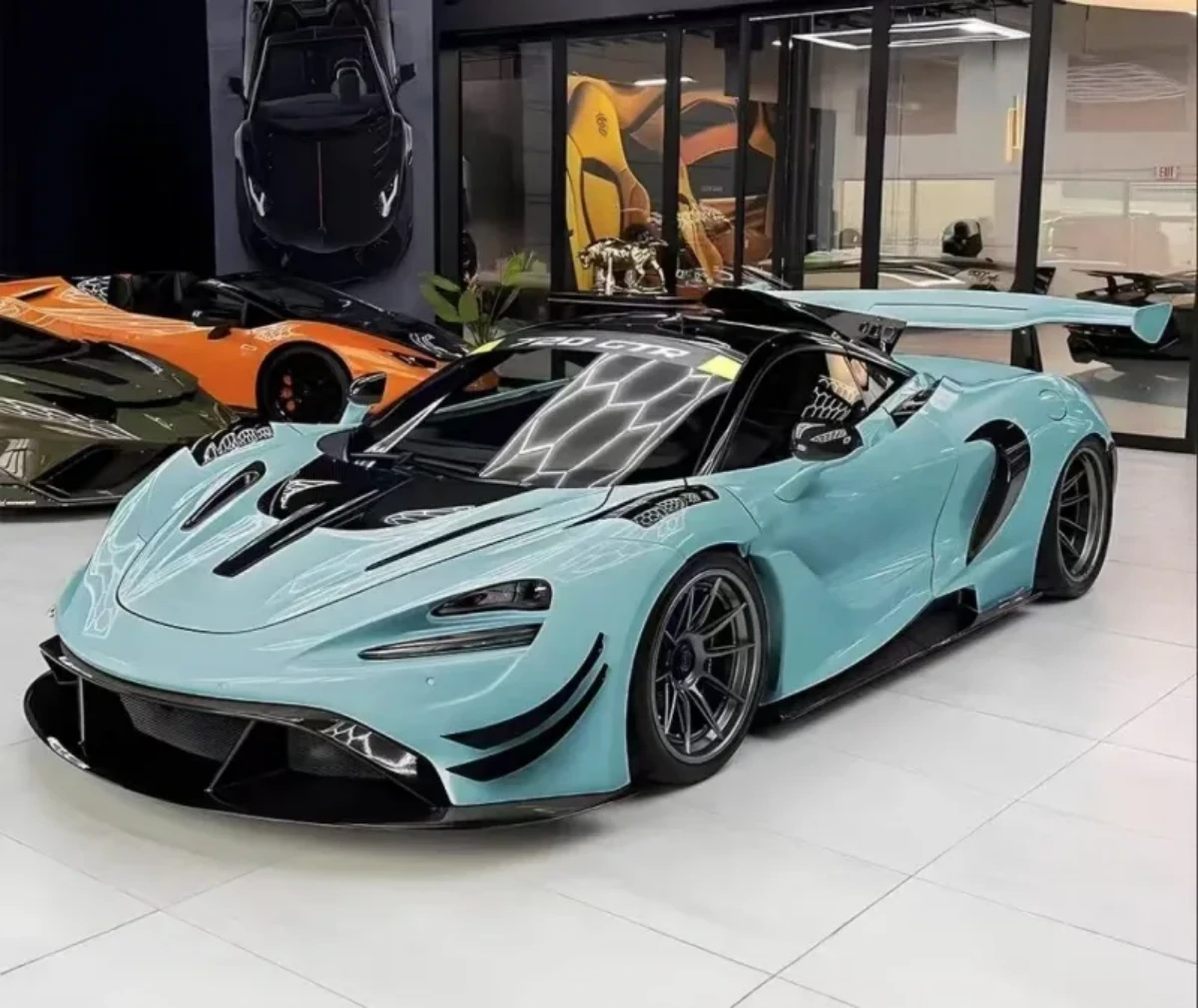
autoli TPU PPF Applied to all brand car models as volvo、Volkswagen、Dodge、Bugatti.Our factory cooperates with ppf installation、PPF trading、PPF wholesaler and all so in many countries and regions around the world,like Australia,Italy,Macedonia,Mexico,Czech Republic,Portugal,Warranty: 10 years.Our advantages:Short production cycle, quick delivery;Strict quality control system;Efficient production reduces costs.Our factory also provides PPF Vinyl Car Wrap、Vinyl Car Wrap.