

PPF’s scratch resistance maintains resale appeal, as potential buyers value unmarked original paint highly.,Recyclable TPU material for eco-friendliness.,Secure Your Business Future: Partner with Our Factory’s Value – Driven PPF.
The product classification and selection logic of PPF:
- Lightweight Design Priority – Opting for thin yet strong PPF for electric vehicles to maximize range efficiency.
- Installation Method Groups – Divided into DIY pre-cut kits, professional bulk rolls, and hybrid options balancing ease and precision.
- Wear Pattern Prediction – Selecting thicker PPF for historically high-wear areas based on vehicle model data.
- Installation Tool Compatibility – Choosing PPF optimized for specific tools (squeegees, heat guns) used by installers.
- Regional Regulation Compliance – Selecting REACH/FDA-compliant PPF for markets with strict chemical safety standards.
- Cleaning Compatibility Logic – Choosing PPF compatible with automated car washes for owners using convenience services.
- Function-Centric Categories – Segmented into self-healing, UV-resistant, anti-yellowing, and hydrophobic variants based on core benefits.
- Specialty Function Lines – Categorized for ADAS compatibility, fire resistance, or antimicrobial properties for niche needs.
- Installation Access Logic – Choosing hybrid PPF with air-release adhesives for hard-to-reach areas requiring repositioning.
- Climate-Specific Formulations – Categorized for tropical, cold, coastal, or desert climates, with additives addressing regional challenges.
The cost structure and price composition of PPF:
- Currency Fluctuation Impact – Dollar/Euro volatility adds 3–5% price variability for cross-border transactions.
- Warranty Administration Fees – Digital warranty systems add $0.05–$0.10 per square foot but reduce claim processing time.
- Replacement Part Pricing – Small repair patches cost 2–3x per square foot vs. full rolls due to handling costs.
- Damage Waiver Fees – Optional $50–$100 waivers cover minor installation errors, adding 2–3% to revenue.
- Regulatory Compliance – REACH/EPA certifications add $0.20–$0.40 per square foot for market access in strict regions.
- R&D Recoupment – New technologies (e.g., graphene reinforcement) add 5–10% to prices for 2–3 years post-launch.
Before & After: How PPF Transforms a 10-Year-Old Car:
- Before: Door edges with countless scratch marks from parking mishaps; After: PPF’s self-healing layer covers scratches and resists new ones, creating crisp, unmarked edges.
- Before: Fender flares with paint peeling at the edges; After: PPF wraps flare edges, hiding peeling and preventing water from getting under the paint.
- Before: A 10-year-old car shows extensive swirl marks and sun fade; After: PPF application hides defects and restores 90% of original gloss, making it look 5 years newer.
- Before: Antenna base with rust spreading to surrounding paint; After: PPF seals the base, covering rust and preventing moisture from worsening corrosion.
- Before: Hood latch area with accumulated dirt and paint wear; After: PPF covers the area, hiding grime stains and reducing friction-related wear.
- Before: Windshield cowl with leaves and debris trapped, causing stains; After: PPF covers cowl, hiding stains and simplifying debris removal.
- Before: Tailgate hinge areas with paint worn from movement; After: PPF covers hinges, hiding wear and reducing friction during tailgate operation.
- Before: Rear window trim with black paint turning gray; After: PPF’s color-stable film covers faded trim, restoring uniform black appearance.
- Before: Side mirror turn signal lenses with scratches; After: Clear PPF covers lenses, hiding scratches and maintaining visibility of turn signals.
The regulations of PPF and after-sales services:
- EU REACH Compliance – PPF manufacturers must adhere to EU REACH regulations, ensuring all chemicals used in production meet strict safety and environmental standards, particularly for PFAS substances like C9-C14 PFCAs, which are restricted to ≤25 ppb in materials .
- Australia’s UV Protection Standards – PPFs sold in Australia/NZ must comply with AS/NZS 4399 for UV protection, requiring UPF ratings ≥15 and transparency in labeling .
- Cross-Industry Regulatory Alignment – PPFs used in electronics or aerospace must comply with sector-specific standards (e.g., FCC for electronics), expanding regulatory complexity .
- Anti-Yellowing Guarantees – Brands like Aegis Eternal 400 offer 15-year warranties against yellowing, using HALS stabilizers to maintain optical clarity over extended periods .
- EU Digital Product Passport – PPF manufacturers must disclose material composition and recycling details via the EU’s Digital Product Passport, enhancing supply chain transparency .
- California CARB VOC Limits – PPF adhesives sold in California must comply with CARB’s strict VOC regulations, reducing harmful emissions during installation to align with regional air quality standards .
- Blockchain Warranty Verification – 3M utilizes blockchain to secure digital warranties, enabling traceable ownership transfers and fraud prevention .
- Supply Chain Traceability – EU PPWR mandates tracking PPF materials from production to disposal, ensuring compliance with recycled content targets (e.g., 30% by 2030) .
- India’s BIS Certification for PP Materials – Polypropylene (PP) used in PPF production must meet India’s BIS certification under IS 10951:2020, ensuring quality and safety for domestic and export markets .
The cutting-edge technology research and development of PPF:
- Dynamic Wettability Coatings – pH-responsive surfaces switch between superhydrophobic and hydrophilic states to adapt to varying environmental conditions.
- 5G-Enabled IoT Monitoring – Edge computing nodes in PPF transmit real-time data to cloud platforms for predictive maintenance and impact analysis.
- Energy-Efficient Curing – Infrared curing systems reduce energy consumption by 50% compared to convection ovens, aligning with ISO 14001 sustainability standards.
- Nano-Ceramic Reinforced PPF – Zirconia and alumina nanoparticles increase PPF hardness to 9H while maintaining 85% transparency.
- Graphene-Reinforced Composites – Graphene oxide nanoplatelets (GONPs) and molybdenum disulfide (MoS?) nanoparticles increase PPF tensile strength by 262% and compressive modulus by 108%.
- Multifunctional Smart Films – Integrated humidity sensors and pH indicators in PPF provide real-time environmental monitoring for agricultural applications.
The horizontal comparison of PPF with other protection methods:
- PPF vs. Matte Paint Sealants – PPF preserves matte paint texture while adding scratch resistance, whereas matte sealants focus on maintaining finish but lack impact defense.
- PPF vs. Plastic Trim Restorers – Restorers revive faded trim, while PPF prevents UV damage and scratches on trim, maintaining appearance without frequent reapplication.
- PPF vs. Rust Converter Products – Converters treat existing rust, while PPF prevents rust triggers (moisture/salt) on painted surfaces, with complementary roles in corrosion management.
- PPF vs. Paint Sealant Sprays – Sealant sprays offer 6–9 months of UV protection but no scratch defense, while PPF combines both for extended durability.
- PPF vs. UV-Blocking Window Tints – Tints reduce interior UV exposure, while PPF blocks exterior paint UV damage, with both addressing UV risks but on different surfaces.
- PPF vs. Ceramic Waxes – Ceramic waxes boost hydrophobicity for 6–12 months but lack impact protection, whereas PPF combines water repellency with scratch resistance.
- PPF vs. Silicone Coatings – Silicone coatings repel water but degrade quickly (1–2 years) under UV exposure, whereas PPF maintains hydrophobicity for 5 years with UV stabilizers.
TPU PPF VS PET PPF:
- Pest Resistance – TPU PPF’s non-organic composition resists rodent chewing, while PET PPF is occasionally gnawed by pests seeking nesting materials.
- Thermal Cycling Performance – TPU PPF survives 500 freeze-thaw cycles, while PET PPF shows cracking after 200 cycles.
- Light Transmission – TPU PPF maintains 98% light transmission for headlights, while PET PPF reduces light output by 5–8%.
- Material Flexibility – TPU PPF offers 500% elongation for contour-hugging application, while PET PPF provides <100% elongation, limiting use on curved surfaces.
- Production Waste – TPU PPF manufacturing generates 25% less waste than PET PPF production processes.
The product classification and selection logic of PPF:
- Lightweight Design Priority – Opting for thin yet strong PPF for electric vehicles to maximize range efficiency.
- Installation Method Groups – Divided into DIY pre-cut kits, professional bulk rolls, and hybrid options balancing ease and precision.
- Wear Pattern Prediction – Selecting thicker PPF for historically high-wear areas based on vehicle model data.
- Installation Tool Compatibility – Choosing PPF optimized for specific tools (squeegees, heat guns) used by installers.
- Regional Regulation Compliance – Selecting REACH/FDA-compliant PPF for markets with strict chemical safety standards.
- Cleaning Compatibility Logic – Choosing PPF compatible with automated car washes for owners using convenience services.
- Function-Centric Categories – Segmented into self-healing, UV-resistant, anti-yellowing, and hydrophobic variants based on core benefits.
- Specialty Function Lines – Categorized for ADAS compatibility, fire resistance, or antimicrobial properties for niche needs.
- Installation Access Logic – Choosing hybrid PPF with air-release adhesives for hard-to-reach areas requiring repositioning.
- Climate-Specific Formulations – Categorized for tropical, cold, coastal, or desert climates, with additives addressing regional challenges.
AUTOLI(CN) PPF(Paint Protection Film) manufacturer
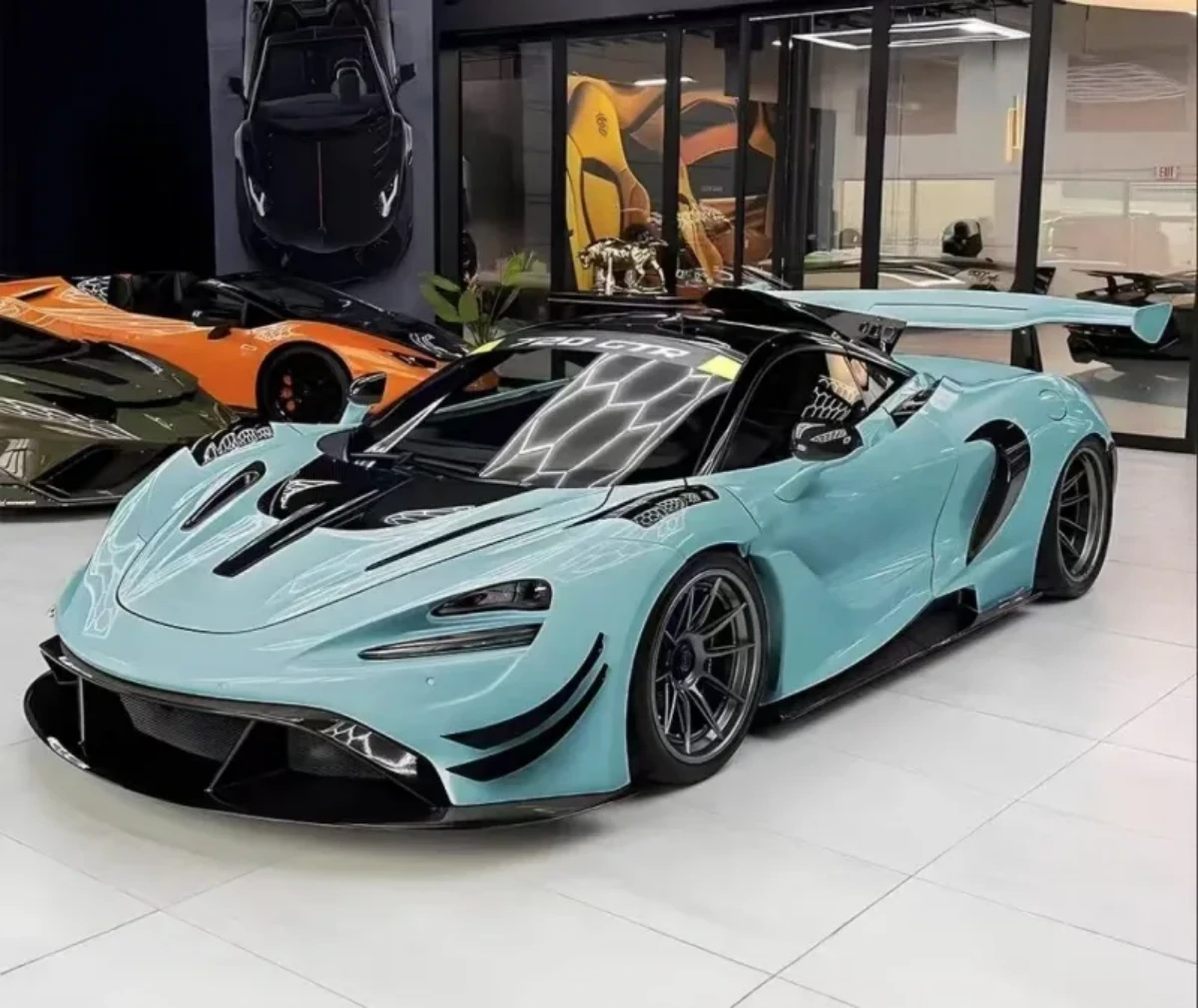
autoli TPU PPF Applied to all brand car models as acura、Dodge、Lexus、binli.Our factory cooperates with PPF trading、PPF agent、Auto Spa and all so in many countries and regions around the world,like Netherlands,Slovakia,Cyprus,Belgium,Bulgaria,Warranty: 10 years.Our advantages:Your Key to Profitable PPF Ventures;High quality raw materials and advanced technology;Perfect after-sales service;Our customers are all over the world;Raw material purchasing advantage.Our factory also provides carwraps、vinyl Wrap、Car Wrap Vinyl、Paint Protection Film.