

PPF uses PFAS-free materials, passing EU REACH 173 tests; VOC emissions <0.1mg/m3, safe for cars.,Warranty includes labor for film repairs.,Elevate Your Business Game: Factory – Supplied PPF, Swift and Superior.
The materials and technologies of PPF:
- Precision cutting technology: Relying on digital pattern data, it enables precise, non-destructive cutting for different vehicle surfaces, reducing membrane stretching damage during installation.
- Low-temperature shaping flexible technology: Through optimizing the molecular structure of the substrate, it enables curved surface shaping at temperatures ranging from 0 to 15 degrees Celsius, suitable for complex arc-shaped bodywork construction, and reducing stress damage caused by heating contraction.
- Unique surface-cutting algorithm for vehicle models: Based on 3D vehicle model scanning data, an adaptive cutting logic has been developed to precisely match the body’s waistline, curvature, and other complex surfaces, reducing manual trimming errors.
- High-humidity stability: Incorporates water-resistant crosslinkers to prevent delamination in tropical climates.
- The core substrate is thermoplastic polyurethane (TPU): It is highly flexible and impact-resistant, serving as the fundamental material for PPF to provide protection and self-repair capabilities, outperforming traditional PVC.
- Rapid curing adhesive technology: Enables full adhesive strength development within 24 hours (vs. 48-72 hours for conventional adhesives), shortening post-installation care time.
- Energy-harvesting film: Integrates photovoltaic cells to generate 0.5W/m2 of power for vehicle electronics.
- Extreme temperature stability technology: The material has undergone high and low temperature cycling tests and remains non-shrinking and non-cracking in environments ranging from -40°C to 80°C, adapting to various climates.
- ISO 12646 Color Management Certification: Ensures color accuracy and consistency across production batches.
The cost structure and price composition of PPF:
- Material Thickness Pricing – Each mil increase (6→10mil) adds $1–$2 per square foot due to higher material usage.
- Brand Premium – Established brands (3M, XPEL) command 20–30% higher prices than generic alternatives for similar quality.
- Installation Training Costs – Certified installer programs add $50–$100 per vehicle to cover technician certification.
- Minimum Order Quantities – MOQs (500 sq ft) reduce per-unit costs by 10–15% for commercial buyers.
- Referral Program Incentives – $50–$100 discounts for referrals reduce net prices by 3–5% but lower acquisition costs.
- Entry-Level PPF Pricing – 6–7mil single-layer films retail at $5–$8 per square foot, with 30–40% gross margins.
The user perception and consumption misconceptions of PPF:
- Correct Perception: Thickness Depends on Use Case – Off-roaders choose 10mil PPF, while daily drivers opt for 8mil to balance protection and flexibility.
- Correct Perception: Warranty Transfer Adds Value – Sellers highlight transferable warranties, knowing they boost resale appeal for next owners.
- Correct Perception: EV-Specific PPF Benefits – EV owners prioritize heat-resistant PPF for battery zones, reducing thermal damage risks during charging.
- Consumer Misconception: “PPF Installation Takes Days” – Avoiding PPF due to perceived downtime, not knowing modern pre-cut kits reduce professional installs to 1–2 days.
- Consumer Misconception: “PPF Ruins Paint When Removed” – Fearing damage during removal, not realizing modern adhesives peel cleanly if removed within warranty periods.
- Correct Perception: Brand Reputation Matters – Discerning buyers choose established brands, associating 3M or XPEL with consistent quality over generic alternatives.
The long-term monitoring and maintenance system after the installation of PPF:
- Rainwater Rinse Benefits – Allowing light rain to rinse surfaces, as natural water is softer than tap water in many regions.
- Professional Detailing Partnerships – Scheduling annual professional decontamination (iron removal, tar cleanup) to preserve topcoat.
- pH Testing of Cleaning Products – Verifying cleaners have pH 6–8 with test strips to avoid chemical damage to PPF.
- Monthly Impact Zone Inspections – Focusing on high-risk areas (front bumper, hood leading edge) for rock chip accumulation and self-healing effectiveness.
- Seasonal Ceramic Coating Boosts – Applying PPF-compatible ceramic sprays (SiO? content ≥30%) to enhance hydrophobicity.
- Humidity-Controlled Storage – Covering vehicles with breathable covers in humid climates to reduce mold risk under PPF.
- Avoid Automated Brush Washes – Opting for touchless or hand washes to prevent brush-induced swirl marks on topcoats.
- Chemical Exposure Audits – Checking for discoloration or softening after contact with gasoline, brake fluid, or industrial cleaners.
- Quarterly Edge Seal Audits – Inspecting heat-sealed edges with 10x magnification to detect early lifting before water ingress occurs.
The environmental protection and sustainability of PPF:
- Energy-Efficient Curing Ovens – Infrared curing reduces energy use by 50% compared to traditional convection ovens in production.
- 30% Recycled TPU Blends – Films incorporating recycled TPU reduce virgin plastic use, with mechanical properties matching 100% virgin materials.
- Water Conservation in Production – Closed-loop water systems in manufacturing reduce freshwater usage by 70%, limiting strain on local water resources.
- PFAS-Free Formulations – Eliminating per- and polyfluoroalkyl substances reduces environmental persistence, aligning with EU PFAS restrictions (2025 phase-out).
- Natural Anti-Microbial Additives – Tea tree oil extracts replace synthetic biocides, maintaining hygiene with renewable ingredients.
- Compostable Instruction Guides – Manuals printed on seed paper grow into plants, eliminating paper waste from disposal.
- Paper Installation Masks – Disposable paper masks replace plastic, biodegrading in 30 days and reducing installer waste.
- Energy-Efficient Production – Manufacturers using solar-powered facilities reduce carbon emissions by 40% compared to traditional manufacturing processes.
- Reduced Microplastic Shedding – Durable TPU sheds 90% less microplastics than short-lived waxes or sealants that degrade quickly.
The protective performance of PPF:
- Commercial Vehicle Anti-Graffiti – Repels spray paint and markers, allowing quick removal without damaging fleet vehicle finishes.
- Colored PPF Durability – Features durable topcoats and self-healing tech to maintain vibrant colors and protection.
- Compatibility with Vehicle Wraps – Safely applied over vinyl wraps while preserving their aesthetics, though removal requires professional care to avoid damage.
- Professional Installation Training – Certified installers ensure bubble-free application and optimal edge sealing.
- **Abrasion Resistance from Towing Accessories** – If a vehicle is used for towing and has accessories like tow hitches or straps that might rub against the body, PPF protects against abrasion from these items.
- Rapid Self-Healing Activation – Minor scratches heal within minutes under sunlight or low heat (40-60°C), restoring a flawless finish.
How TPU Redefines PPF:
- Aging Gracefully – TPU’s slow degradation redefined PPF from quickly obsolescent products to long-term investments maintaining performance over decades.
- Durability Redefined – TPU’s resistance to UV, chemicals, and impact extended PPF lifespans from 1–2 years to 5–10 years, redefining long-term protection.
- Eco-Friendly Evolution – Recyclable TPU redefined PPF from single-use plastic waste to circular economy products with end-of-life material recovery.
- Smart Maintenance – TPU’s IoT sensor integration redefined PPF from passive films to connected systems alerting owners to needed repairs or cleaning.
- Low-Labor Requirements – TPU’s forgiving installation redefined PPF from skilled-labor-dependent products to accessible services requiring less training.
- Pest Resistance – TPU’s non-organic composition redefined PPF from insect-attracting products to pest-safe solutions avoiding termite or rodent damage.
The user scenarios and value validation of PPF:
- Mobile Veterinary Vans – Shields interiors from animal fluids and scratches, with PPF making sanitization 30% more efficient between appointments.
- Off-Road Enthusiasts – Shields Jeep Wrangler and Ford Bronco fenders from trail rocks and branches, reducing paint repair costs by $800 annually.
- Art Car Enthusiasts – Preserves custom murals and decals from weathering, with removable PPF allowing art updates without damaging the base design.
- Photography Vehicle Owners – Maintains clean white backdrops on vans for photoshoots, as PPF resists dirt staining during outdoor location shoots.
- Beachside Rental Cars – Resists sand abrasion and salt spray in三亚 and Malibu, keeping rental fleets rentable with 40% fewer cosmetic repairs.
- Vintage Motorcycle Collectors – Preserves patina on 1950s Triumphs while preventing further wear, with reversible PPF allowing original condition display.
- Classic Car Dealers – Enhances showroom appeal of Jaguar E-Types, with glossy PPF boosting perceived value by 10% during client viewings.
The regulations of PPF and after-sales services:
- 3M’s Warranty Exclusions – 3M’s warranty explicitly excludes watermarks, improper maintenance, and non-authorized products, emphasizing the need for professional installation and genuine materials .
- Regulatory Updates for EVs – EV-specific PPFs must comply with OEM heat resistance standards (e.g., 120°C for battery zones) to avoid delamination .
- Warranty Transferability – Transferred vehicle ownership often requires warranty re-registration, with brands like 3M requiring updated documentation to maintain coverage .
- Supply Chain Traceability – EU PPWR mandates tracking PPF materials from production to disposal, ensuring compliance with recycled content targets (e.g., 30% by 2030) .
- EU Digital Product Passport – PPF manufacturers must disclose material composition and recycling details via the EU’s Digital Product Passport, enhancing supply chain transparency .
AUTOLI(CN) PPF(Paint Protection Film) oem manufacturer
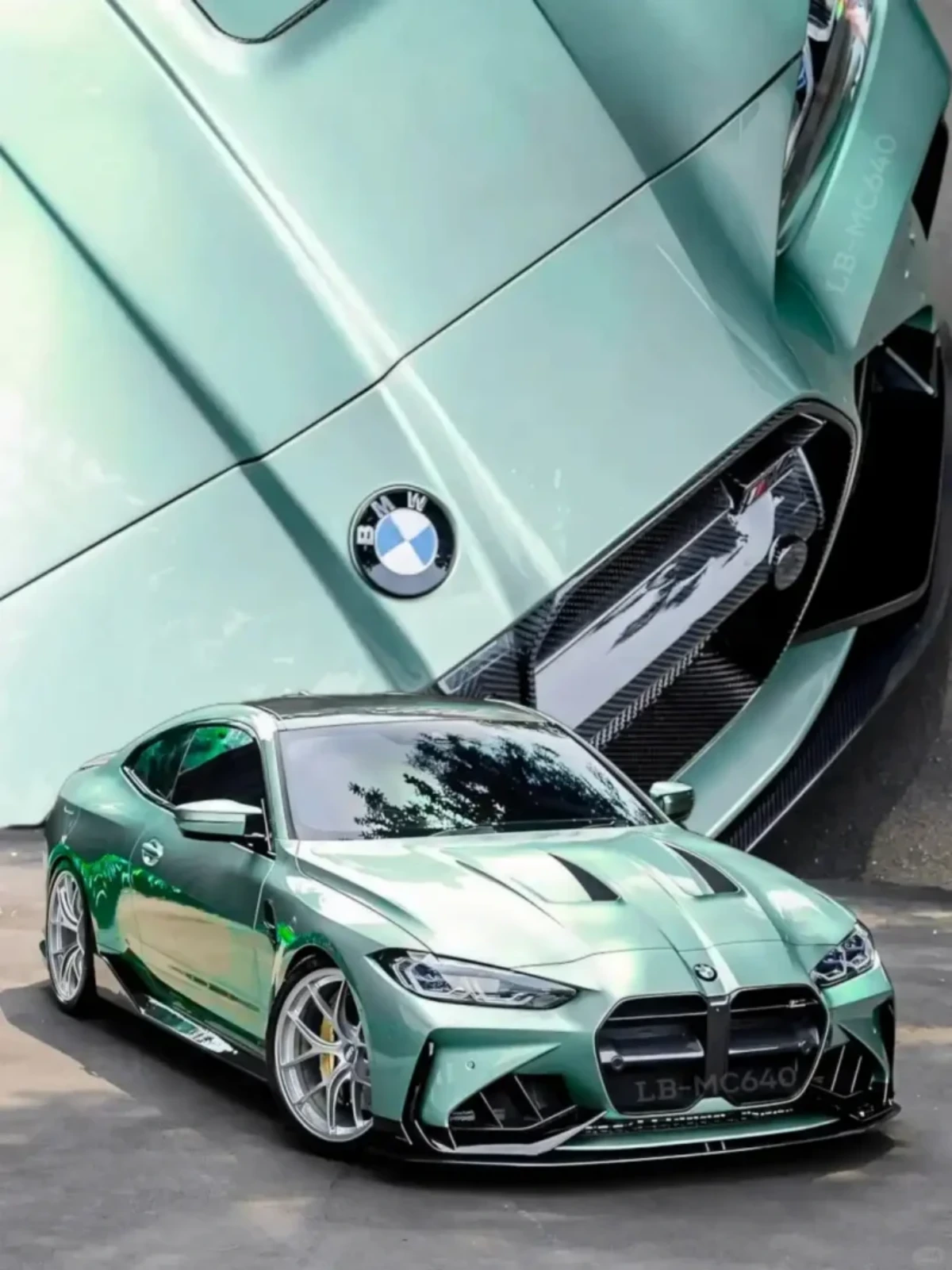
autoli TPU PPF Applied to all brand car models as Nissan、Toyota、AstonMartin、Tesla.Our factory cooperates with PPF wholesaler、Auto Spa、PPF brand and all so in many countries and regions around the world,like Finland,Australia,Macedonia,Venezuela,Spain,New Zealand,Warranty: 10 years.Our advantages:SGS, ASTM, REACH, UL and other certifications;Our customers are all over the world;Large stock of styles for you to choose from.Our factory also provides Car Paint Protection Film、TPU PPF.