

PPF’s precise cutting avoids blade contact with paint, eliminating swirl marks from traditional hand-cutting methods.,High resale appeal with unmarked paint.,Our Factory’s PPF: Your Ticket to Unprecedented Profit Bonanzas.
Say Goodbye to Car Scratches: Self-Healing PPF Revealed!:
- Unlike touch-up paints that create color mismatches, self-healing PPF repairs scratches while preserving your car’s original hue.
- Parking lot dings, shopping cart brushes, and accidental scrapes heal automatically, reducing the need for costly detailing or touch-ups.
- Consistent repair quality across flat and curved panels ensures your entire vehicle maintains a flawless appearance.
- Self-healing PPF outperforms “scratch-resistant” claims by actively reversing damage rather than just delaying visible wear.
- Heat from drive-through tunnels or heated garages triggers healing, making repairs effortless during daily routines.
- Car dealerships keep demo vehicles looking new with self-healing PPF, reducing reconditioning costs between test drives.
- Traditional waxes and sealants require constant reapplication to mask scratches, while self-healing PPF repairs damage autonomously for 5–10 years.
- Fine scratches from dust or dry wiping vanish, making low-effort maintenance safe for preserving your car’s finish.
- Unlike temporary fillers, self-healing repairs strengthen the film, maintaining its protective barrier against future damage.
The extension of PPF’s functions:
- Before: Gas cap door with faded paint from sun exposure; After: PPF’s UV protection covers fading and maintains color consistency with the rest of the car.
- Before: Exhaust tip surrounds with heat discoloration; After: High-temperature PPF covers blueing and resists heat damage, maintaining appearance.
- Before: Gas cap hinge with rust and paint peeling; After: PPF covers hinge area, hiding rust and preventing moisture from worsening damage.
- Before: Door window trim with peeling black paint; After: PPF’s color-stable film covers trim, restoring uniform appearance and preventing further peeling.
- Before: Door panel armrests (exterior) with paint worn from leaning; After: PPF wraps armrests, covering wear and maintaining comfort without damage.
- Before: Matte finish dulled by oxidation and fine scratches; After: Matte-specific PPF preserves texture while restoring vibrancy, eliminating “shiny spots” from wear.
The user scenarios and value validation of PPF:
- Mountain Road Drivers – Shields Subaru Outbacks and Toyota 4Runners from rock slides, with PPF reducing windshield and fender chip repairs by 65%.
- Car Show Competitors – Enhances gloss on show cars like Ferrari 488s, with judges noting 30% higher “paint finish” scores for PPF-protected entries.
- Boat Owners – Protects fiberglass hulls from dock scratches and saltwater staining, reducing annual detailing costs by $1,200 for 20 foot boats.
- Custom Paint Owners – Preserves expensive matte or chameleon finishes, with PPF preventing swirl marks that would ruin $5,000 custom paint jobs.
- RV and Camper Owners – Protects travel trailer exteriors from highway debris, reducing “road rash” damage by 70% during cross-country trips.
- Airport Ground Crew Vehicles – Resists jet fuel splatters and tarmac debris, reducing paint degradation on airport tugs by 70%.
The cutting-edge technology research and development of PPF:
- Bio-Based Antioxidants – Rosemary extract and tocopherol derivatives replace synthetic stabilizers, extending PPF lifespan by 30% in UV exposure.
- Shape Memory Adhesives – Adhesives with thermally activated shape recovery allow repositioning during installation without residue.
- Superhydrophobic Nanostructures – Laser-ablated micro-nano textures on PPF surfaces achieve contact angles >160°, repelling water and debris in extreme weather.
- Self-Healing Antimicrobial Coatings – Silver-doped microcapsules in PPF combine scratch repair with long-term bacterial inhibition for medical devices.
- Self-Healing Microcapsules – Microencapsulated healing agents embedded in TPU films automatically repair scratches upon impact, restoring surface integrity without external heat.
- Dynamic Wettability Coatings – pH-responsive surfaces switch between superhydrophobic and hydrophilic states to adapt to varying environmental conditions.
- Bio-Based Crosslinkers – Plant-derived citric acid and tannic acid replace toxic crosslinkers, achieving 100% biodegradability.
- Bio-Based Adhesives – Plant-derived lignin and starch-based adhesives replace petroleum-based alternatives, achieving 100% biodegradability.
- Photocatalytic Self-Cleaning – Titanium dioxide (TiO?) coatings decompose organic contaminants under UV light, reducing manual cleaning needs by 80%.
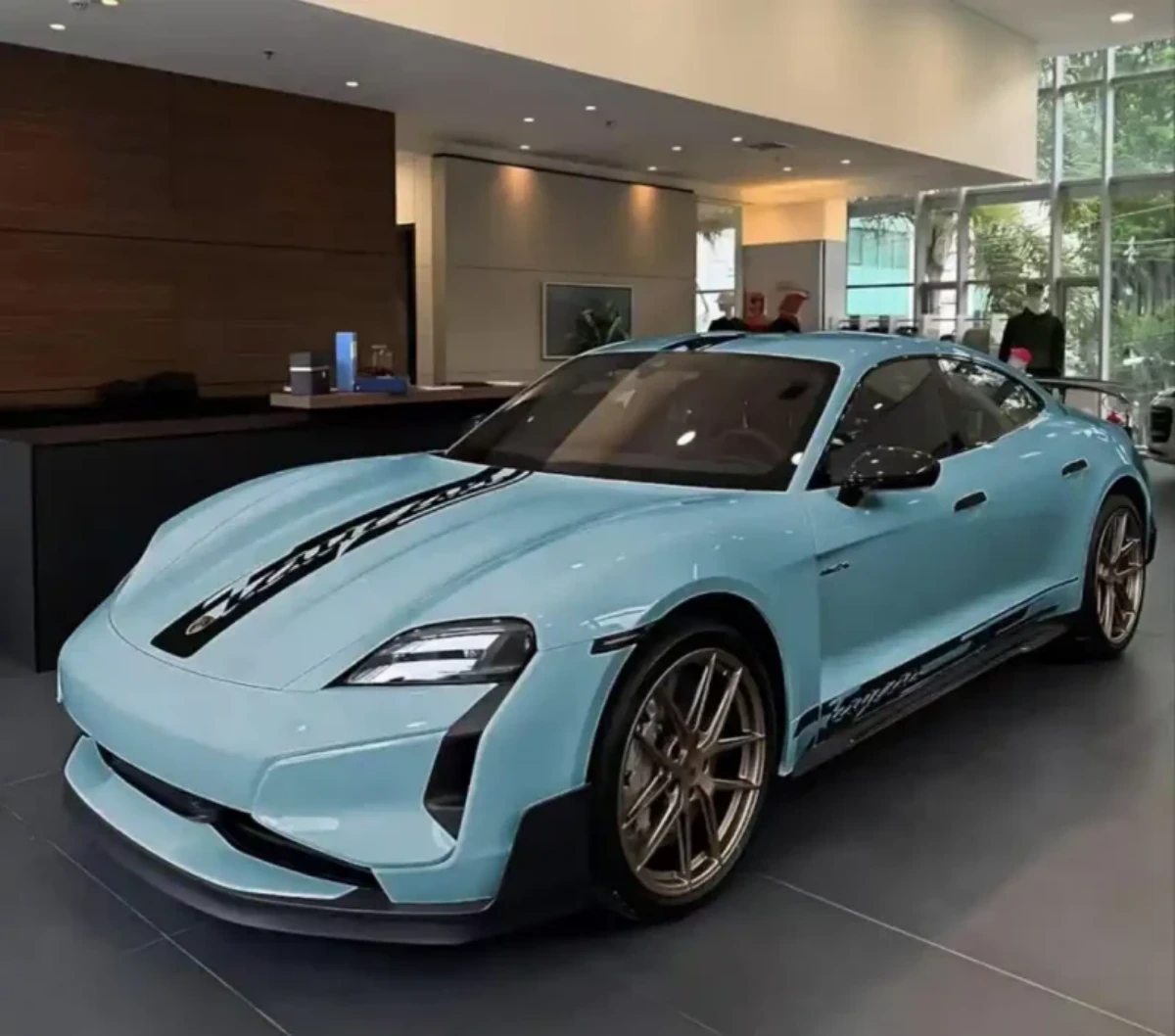
TPU PPF VS PET PPF:
- Anti-Microbial Options – Silver-ion TPU PPF inhibits bacteria growth, a feature not available in standard PET PPF formulations.
- Global Compliance – TPU PPF meets REACH, FDA, and CARB standards, while some PET PPF formulations exceed VOC limits in strict regions.
- Maintenance Needs – TPU PPF requires quarterly sealant boosts, while PET PPF needs monthly cleaning to maintain hydrophobicity.
- Thickness Options – TPU PPF ranges 6–15mil for tailored protection, whereas PET PPF is limited to 4–8mil due to brittleness at greater thicknesses.
- Biodegradable Options – Some TPU PPF variants biodegrade in 3–5 years, while PET PPF is non-biodegradable with no eco-friendly alternatives.
- Installation Training Requirements – TPU PPF requires 20 hours of training, while PET PPF needs 40 hours due to less forgiving application.
- Chemical Resistance – TPU PPF resists bird droppings and road salt for 72 hours, while PET PPF shows etching after 24 hours of exposure.
- Packaging Efficiency – TPU PPF rolls store flat without cracking, while PET PPF requires climate-controlled storage to prevent warping.
- Heat-Activated Bonding – TPU PPF’s adhesive strengthens with heat curing, while PET PPF’s bond weakens under prolonged heat exposure.
The product classification and selection logic of PPF:
- Warranty Needs Assessment – Selecting extended warranties (10 years) for high-value vehicles to protect resale value.
- Additive Priority Selection – Prioritizing anti-yellowing additives for white/light-colored vehicles to maintain brightness.
- Bulk vs. Pre-Cut Decision – Choosing bulk rolls for professional installers vs. pre-cut kits for consistent DIY results.
- Maintenance Capacity Matching – Opting for low-maintenance self-healing PPF for owners unable to perform frequent detailing.
- Coverage Scope Classes – Divided into partial (hood/fenders), full vehicle, or component-specific (headlights, trim) coverage options.
- Final Selection Synthesis – Balancing material, thickness, finish, and warranty to match specific vehicle needs, usage patterns, and budget constraints.
The protective performance of PPF:
- Road Tar Stain Resistance – Hydrophobic topcoats repel sticky road tar, allowing easy removal with mild solvents.
- Advanced Anti-Yellowing Formula – Incorporates UV inhibitors and stabilizers to prevent discoloration over 5 years of exposure.
- High-Impact Energy Absorption – Multi-layer TPU films disperse collision forces, protecting against deep dents from rocks or debris.
- Impact Absorption – Absorbs and disperses impact energy from collisions or debris, reducing stress on the underlying paint.
- UV Resistance – Blocks harmful UV rays to prevent paint fading, oxidation, and premature aging.
- 99% UV Blocking – Advanced UV inhibitors shield paint from fading and oxidation caused by prolonged sunlight.
The materials and technologies of PPF:
- Scratch repair efficiency optimization technology: By adjusting the crosslinking density of TPU molecules and the coating activity, the self-repair speed of scratches under low-temperature conditions is enhanced, and the repair response time is shortened.
- Multi-layer co-extrusion process: Through the co-extrusion of multiple layers of materials, a wear-resistant layer, a buffer layer, and an adhesive layer are integrated, balancing protective strength and adhesion.
- Low-temperature shaping flexible technology: Through optimizing the molecular structure of the substrate, it enables curved surface shaping at temperatures ranging from 0 to 15 degrees Celsius, suitable for complex arc-shaped bodywork construction, and reducing stress damage caused by heating contraction.
- Customizable hardness levels: Offers 6H-9H hardness options to balance scratch resistance and flexibility based on vehicle usage.
- Smart damage detection layer: Embeds micro-sensors that interact with smartphone apps to alert users of hidden impacts or coating wear via subtle color shifts.
- Solvent-free adhesive process: The adhesive uses a 100% solvent-free pressure-sensitive adhesive formula, eliminating the risk of solvent evaporation residue and enhancing the environmental friendliness and long-term adhesion stability of the construction.
- Anti-glare optical optimization: Through coating micro-textures, it reduces mirror reflection glare under direct sunlight, maintaining the visual clarity of the original paint color.
The production supply chain and quality control system of PPF:
- Supplier Quality Development – Workshops with suppliers to improve incoming material quality and reduce inspection efforts.
- Extrusion Line Suppliers – Collaboration with machinery firms (e.g., Reifenh?user) for precision extrusion equipment.
- Emergency Supply Protocols – Backup production facilities activated during primary plant downtime to maintain supply continuity.
- Supplier Qualification – Rigorous audits of material suppliers, evaluating quality management systems and sustainability practices before approval.
- Predictive Maintenance – IoT sensors on production equipment forecasting part failures to prevent unplanned downtime.
AUTOLI(CN) PPF(Paint Protection Film) oem manufacturer
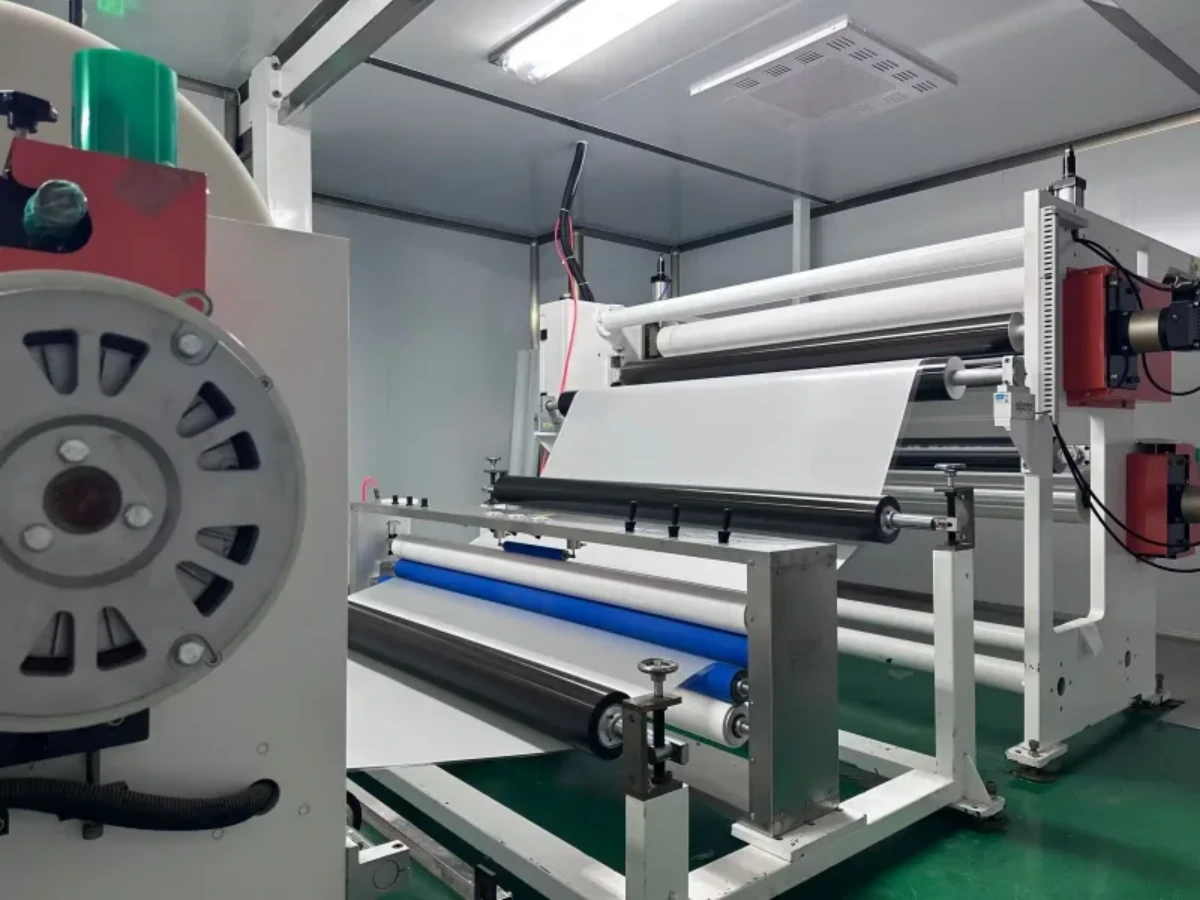
autoli TPU PPF Applied to all brand car models as Chrysler、ds、Bugatti、McLaren.Our factory cooperates with PPF installer、PPF wholesale、Auto Detailing Shop and all so in many countries and regions around the world,like Sweden,Macedonia,Ireland,Austria,Luxembourg,Portugal,Warranty: 10 years.Our advantages:Collaborate for Lucrative Returns: Source factory;SGS, ASTM, REACH, UL and other certifications;Your Key to Profitable PPF Ventures.Our factory also provides car film、Paint Protection Film.