

PPF’s compatibility with ceramic coatings allows layering, enhancing hydrophobicity and gloss for ultimate protection.,Prevents clear coat etching from acidic substances.,Partner with Factory: Diverse – Colored PPF, Unbeatable Prices.
The regulations of PPF and after-sales services:
- Regional Warranty Variations – PPF warranties often differ by region; for example, monsoon-prone areas may offer extended coverage for water ingress issues .
- Post-Installation Inspections – Professional installers like NAR PPF conduct post-installation checks to ensure edge sealing and material adherence, minimizing warranty claims .
- Australia’s UV Protection Standards – PPFs sold in Australia/NZ must comply with AS/NZS 4399 for UV protection, requiring UPF ratings ≥15 and transparency in labeling .
- Warranty Transferability – Transferred vehicle ownership often requires warranty re-registration, with brands like 3M requiring updated documentation to maintain coverage .
- Supply Chain Traceability – EU PPWR mandates tracking PPF materials from production to disposal, ensuring compliance with recycled content targets (e.g., 30% by 2030) .
- Anti-Yellowing Guarantees – Brands like Aegis Eternal 400 offer 15-year warranties against yellowing, using HALS stabilizers to maintain optical clarity over extended periods .
- Customer Support Hotlines – Brands like NAR PPF provide dedicated hotlines (4008 8181 07) for warranty claims, requiring vehicle details and installation records for processing .
- Lifetime Warranty Programs – Premium PPF brands like 3M offer 7-year warranties on Pro Series films, covering defects like delamination and yellowing, while excluding wear and tear or improper installation .
- Regional Regulatory Exemptions – Medical device packaging and hazardous goods transportation are exempt from EU PPWR’s recyclability rules, affecting niche PPF applications .
- Certified Installer Networks – Brands like Eastman (DragonFilm) enforce tiered certification programs (e.g., 1-star to 7-star) to ensure standardized installation practices and warranty validity .
The construction and maintenance of PPF:
- Quality Inspection – 48-hour post-installation checks for bubbles, misalignment, or edge lifting to address issues promptly.
- Avoid Automated Car Washes with Brushes – Brushless washes prevent abrasive contact that can scratch PPF.
- Oxidation Correction Pre-Install – Polishing oxidized paint ensures PPF adheres smoothly to uniform surfaces.
- Pre-Installation Paint Thickness Gauging – Using a paint meter ensures PPF application won’t exceed safe layers on thin factory paint finishes.
- Heat Gun Distance Control – Keeping heat guns 15–20cm from edges prevents film shrinkage during edge sealing.
- Avoid Parking Under Trees – Reducing exposure to sap, berries, and debris minimizes cleaning frequency and potential stains.
- Remove Bird Droppings Promptly – Cleaning acidic bird droppings within 24 hours prevents etching through the protective layer.
- Post-Heat Curing – A final pass with a heat gun (80–100°C) on edges accelerates adhesive curing for immediate durability.
The production supply chain and quality control system of PPF:
- Non-Conforming Material Handling – Quarantine, segregation, and disposition processes for defective materials/finished goods.
- Coating Line Integration – Sequential application of adhesive, TPU core, and topcoat in a continuous production flow.
- Material Traceability Systems – Blockchain-enabled tracking of TPU batches from resin production to finished PPF rolls.
- Quality Incentives – Employee bonuses tied to quality metrics (e.g., first-pass yield, defect reduction).
- Environmental Testing – Salt spray, humidity, and temperature cycle tests to validate durability in extreme climates.
- Packaging Optimization – Collaborative design with logistics firms for space-efficient palletization, reducing transport emissions.
- Lean Manufacturing Practices – 5S and waste reduction initiatives improving consistency and reducing defects.
The cost structure and price composition of PPF:
- Lead Time Premiums – Rush orders add 20–30% to prices to prioritize production and shipping.
- Post-Install Inspection Fees – 24-hour quality checks add $50–$100 per vehicle but reduce warranty claims by 20%.
- Training Program Investments – Installer certification programs cost $500–$1,000 per technician, recovered via service premiums.
- Automation Savings – AI quality control reduces labor costs by 5–8%, enabling 2–3% price reductions.
- Trade-In Valuation – PPF preservation adds 5–10% to vehicle resale value, justifying initial investment.
- Installation Training Costs – Certified installer programs add $50–$100 per vehicle to cover technician certification.
- Waste Allowance – 5–10% material waste factored into pricing, higher for complex vehicle shapes.
- Local Sourcing Savings – Regional TPU suppliers cut logistics costs by 10–15%, reflected in lower prices.
- High-Demand Model Premiums – PPF for popular vehicles (e.g., Tesla Model Y) costs 5–10% more due to demand.
TPU PPF VS PET PPF:
- Warranty Claims – TPU PPF has 30% fewer warranty claims than PET PPF due to superior durability and performance consistency.
- Industrial Chemical Resistance – TPU PPF resists oil and coolant spills, while PET PPF swells and discolors upon contact with industrial fluids.
- Historic Vehicle Use – TPU PPF’s reversible application protects classic car paint, unlike PET PPF which risks damaging vintage finishes.
- Pest Resistance – TPU PPF’s non-organic composition resists rodent chewing, while PET PPF is occasionally gnawed by pests seeking nesting materials.
- Adhesive Aging – TPU PPF’s adhesive retains 80% strength after 5 years, while PET PPF’s adhesive loses 50% strength in 3 years.
- Thermal Expansion Coefficient – TPU PPF’s low expansion reduces edge lifting in heat, while PET PPF’s higher expansion causes 2x more seasonal lifting.
Before & After: How PPF Transforms a 10-Year-Old Car:
- Before: Matte finish dulled by oxidation and fine scratches; After: Matte-specific PPF preserves texture while restoring vibrancy, eliminating “shiny spots” from wear.
- Before: Tailgate handle with paint worn from repeated use; After: PPF wraps the handle, covering wear patterns and maintaining grip without damage.
- Before: Front fenders with “spider web” cracks from age; After: PPF’s flexible layer covers fine cracks and reduces stress that causes further splitting.
- Before: Roof antenna base with paint peeling around the edges; After: PPF seals the base edge, hiding peeling and preventing water from getting under paint.
- Before: Door striker plates with paint worn from contact; After: PPF lines striker areas, covering wear and reducing friction between metal and paint.
- Before: Bumper with yellowed clear coat and road rash; After: PPF’s anti-yellowing formula covers discoloration and shields against future road debris damage.
The environmental protection and sustainability of PPF:
- Agricultural PPF Biodegradability – Films for farm equipment decompose after 5 years, avoiding plastic accumulation in rural areas.
- Compostable Instruction Guides – Manuals printed on seed paper grow into plants, eliminating paper waste from disposal.
- Carbon-Offset Shipping – Manufacturers offset delivery emissions via carbon credits, achieving net-zero transportation for EU and NA markets.
- Reusable Installation Tools – Brands provide washable microfiber squeegees instead of single-use plastic tools, cutting installer waste.
- Water Conservation in Production – Closed-loop water systems in manufacturing reduce freshwater usage by 70%, limiting strain on local water resources.
- Biodegradable Release Liners – Plant-based paper liners replace plastic, decomposing in 6 months and reducing packaging waste by 60%.
- Low-VOC Coatings – Topcoats with <50g/L VOCs meet strict EU limits, minimizing air pollution during curing and extending environmental compliance.
- Reusable Shipping Crates – Replacing single-use boxes with returnable crates cuts packaging waste by 80% in B2B distribution.
- Reduced Transportation Emissions – Regional production hubs cut shipping distances, lowering carbon emissions from product distribution by 35%.
How TPU Redefines PPF:
- Heritage Preservation – TPU’s reversible application redefined PPF from damaging products to safe protectors for classic car original paint during shows and storage.
- Sound Dampening Integration – Viscoelastic TPU layers redefined PPF from silent protectors to noise-reducing films cutting road noise by 3–5dB.
- Industrial Versatility – Heavy-duty TPU redefined PPF from automotive-only products to industrial solutions for machinery, boats, and aerospace equipment.
- Warranty Reliability – TPU’s consistent performance redefined PPF warranties from vague guarantees to 5–15 year commitments with clear coverage.
- Speed of Installation – TPU’s pre-cut kits and air-release adhesives redefined PPF installation from multi-day projects to 1–2 day professional jobs.
- Light Transmission – High-clarity TPU redefined PPF from headlight-dimming films to optical-grade protectors preserving 98% light output for visibility.
- Impact Indication – Color-changing TPU layers redefined PPF from silent protectors to damage-alert systems revealing hidden impacts.
- Sustainable End-of-Life – TPU’s recyclability redefined PPF from landfill-bound waste to closed-loop products reusable in secondary applications.
- Aesthetic Enhancement – High-gloss TPU topcoats redefined PPF from invisible protectors to shine-boosting films increasing paint gloss by 20%.
AUTOLI(CN) PPF(Paint Protection Film) oem factory

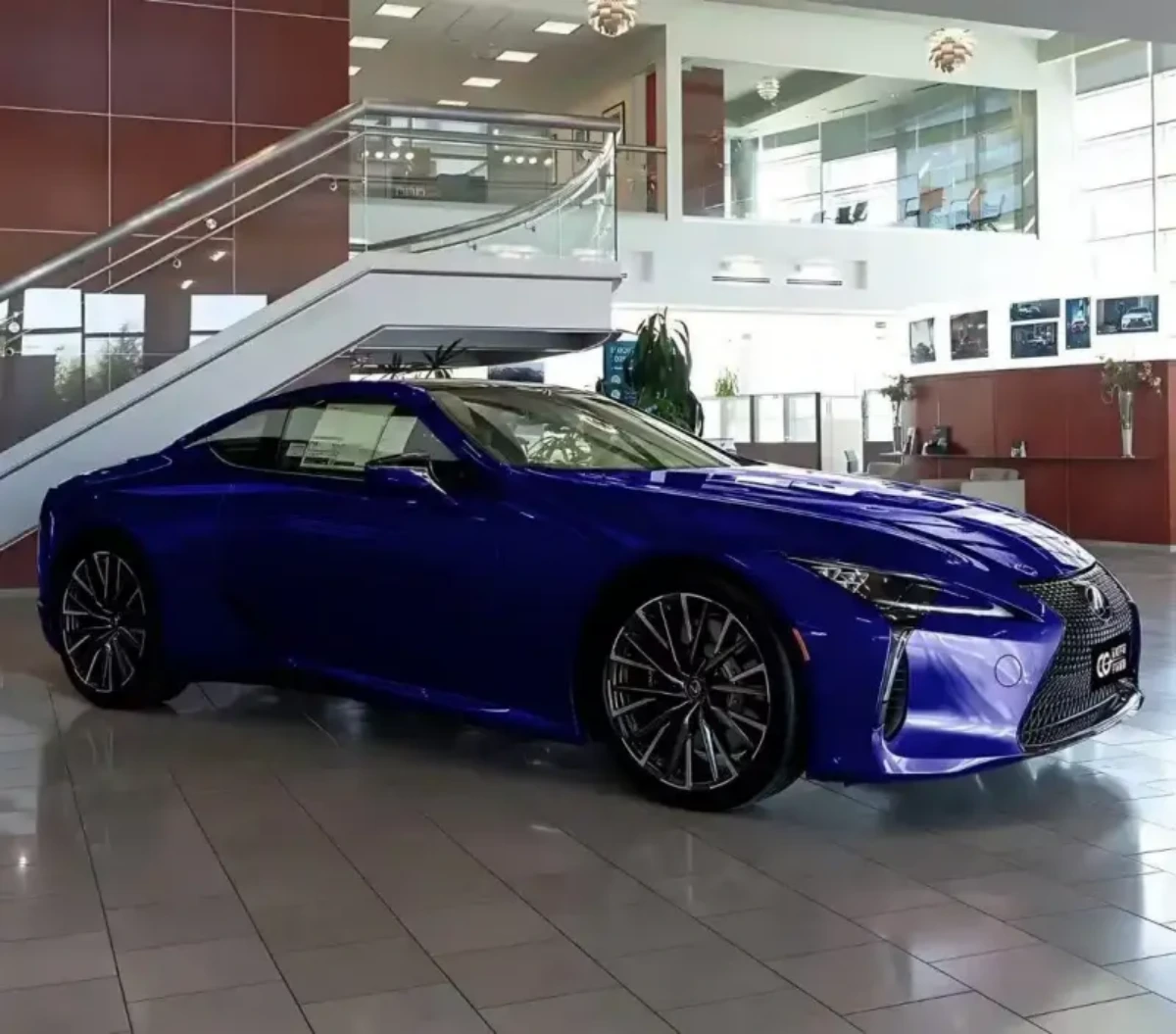
autoli TPU PPF Applied to all brand car models as Cadillac、mini、Chevrolet、Infiniti、Cadillac、Lexus.Our factory cooperates with ppf installation、PPF wholesaler、PPF wholesale and all so in many countries and regions around the world,like Slovakia,Turkey,USA,Poland,Malta,Warranty: 10 years.Our advantages:Perfect after-sales service;Raw material purchasing advantage;Collaborate for Lucrative Returns: Source factory;Efficient production reduces costs.Our factory also provides Window tint、Vinyl wrapping.