

PPF’s scratch depth reduction by 60% via “hard-soft segment” TPU structure minimizes damage from keys or accidental scrapes.,Withstands heavy rain without water damage.,Partner with Factory: Colorful PPF, Enhanced Competence.
Say Goodbye to Car Scratches: Self-Healing PPF Revealed!:
- Scratches from parking sensors or automatic door closers heal, maintaining a clean look on tech-integrated cars.
- Even in cooler climates, garage warmth or body heat can trigger healing, ensuring scratch repair isn’t limited to hot weather.
- Self-healing PPF works with ceramic topcoats, combining water repellency with scratch repair for enhanced protection.
- EV owners get scratch repair around charging ports, where frequent plugging/unplugging can cause minor damage.
- Rain or humidity won’t hinder the healing process—self-healing PPF remains effective regardless of weather conditions.
- Self-healing PPF reduces light diffraction from micro-scratches, keeping paint looking brighter and more reflective.
- Self-healing repair is chemical-free, using only heat to trigger natural molecular reformation in the TPU film.
- Highway gravel impacts leave temporary marks that heal, reducing long-term paint degradation from road debris.
The user scenarios and value validation of PPF:
- Boat Owners – Protects fiberglass hulls from dock scratches and saltwater staining, reducing annual detailing costs by $1,200 for 20 foot boats.
- Classic Muscle Car Racers – Protects 1970s Dodge Chargers during vintage races, with self-healing PPF hiding minor track debris impacts.
- Family Car Owners – Protects minivan door sills from kids’ shoes and pet claws, with 80% reporting “like-new” interior/exterior after 3 years of use.
- Mobile Veterinary Vans – Shields interiors from animal fluids and scratches, with PPF making sanitization 30% more efficient between appointments.
- Beachside Rental Cars – Resists sand abrasion and salt spray in三亚 and Malibu, keeping rental fleets rentable with 40% fewer cosmetic repairs.
- Ride-Share Drivers – Protects Uber and Lyft vehicles from passenger-related scratches, with 90% of drivers avoiding “excessive wear” lease penalties.
- Desert Dwellers – Blocks UV-induced fading in Dubai and Phoenix, keeping paint vibrant 3x longer than unprotected vehicles in 45°C heat.
The long-term monitoring and maintenance system after the installation of PPF:
- Monthly Deep Cleaning – Using pH-neutral (6–8) PPF-specific cleaners to dissolve road grime without damaging topcoats.
- Impact-Resistant Record Keeping – Logging maintenance dates, issues, and repairs to track performance over the warranty period.
- Chemical Exposure Audits – Checking for discoloration or softening after contact with gasoline, brake fluid, or industrial cleaners.
- 24-Hour Contaminant Removal – Promptly cleaning bird droppings, tree sap, or bug splatters with isopropyl alcohol (10–20% dilution).
- Coastal Region Salt Damage Checks – Monthly inspections for corrosion under PPF in saltwater zones, focusing on metal trim edges.
The user perception and consumption misconceptions of PPF:
- Correct Perception: Quick Healing for Minor Damage – Users appreciate sunlight-activated healing, with 85% reporting scratches disappearing within 24 hours in warm weather.
- Consumer Misconception: “PPF Blocks Radar and GPS Signals” – Fearing interference with ADAS, unaware modern PPF is engineered for 99% signal transparency.
- Consumer Misconception: “PPF Ruins Paint When Removed” – Fearing damage during removal, not realizing modern adhesives peel cleanly if removed within warranty periods.
- Correct Perception: Warranty Transfer Adds Value – Sellers highlight transferable warranties, knowing they boost resale appeal for next owners.
- Correct Perception: Environmental Adaptability – Users in coastal areas correctly prioritize saltwater-resistant PPF, reducing corrosion-related repairs by 60%.
- Consumer Misconception: “PPF Removes Easily Without Residue” – Assuming all PPF peels cleanly, neglecting that old or low-quality films often leave adhesive residue requiring professional removal.
- Consumer Misconception: “New Car Paint Is ‘Protected’ from Factory” – Trusting factory clear coats alone, unaware they lack the impact resistance of PPF.
- Correct Perception: UV Protection Value – Users increasingly link PPF to preventing paint fading, with 72% citing UV resistance as a key purchase driver.
- Correct Perception: Impact Absorption Benefits – Off-road enthusiasts correctly rely on PPF to disperse rock impacts, reducing paint chipping by 75%.
- Consumer Misconception: “Lifetime Warranty Means Forever” – Misunderstanding that “lifetime” warranties cover all damage, when most exclude improper maintenance or extreme impacts.
The regulations of PPF and after-sales services:
- Customer Support Hotlines – Brands like NAR PPF provide dedicated hotlines (4008 8181 07) for warranty claims, requiring vehicle details and installation records for processing .
- DIY Installation Void Policies – Most warranties, including PurePPF and 3M, void coverage for self-installed films, emphasizing the need for certified professional application .
- Supply Chain Traceability – EU PPWR mandates tracking PPF materials from production to disposal, ensuring compliance with recycled content targets (e.g., 30% by 2030) .
- Cross-Industry Regulatory Alignment – PPFs used in electronics or aerospace must comply with sector-specific standards (e.g., FCC for electronics), expanding regulatory complexity .
- IoT-Enabled Performance Monitoring – Emerging PPFs with embedded sensors monitor UV exposure and damage levels, providing real-time data for predictive maintenance and warranty claims .
- EU REACH Compliance – PPF manufacturers must adhere to EU REACH regulations, ensuring all chemicals used in production meet strict safety and environmental standards, particularly for PFAS substances like C9-C14 PFCAs, which are restricted to ≤25 ppb in materials .
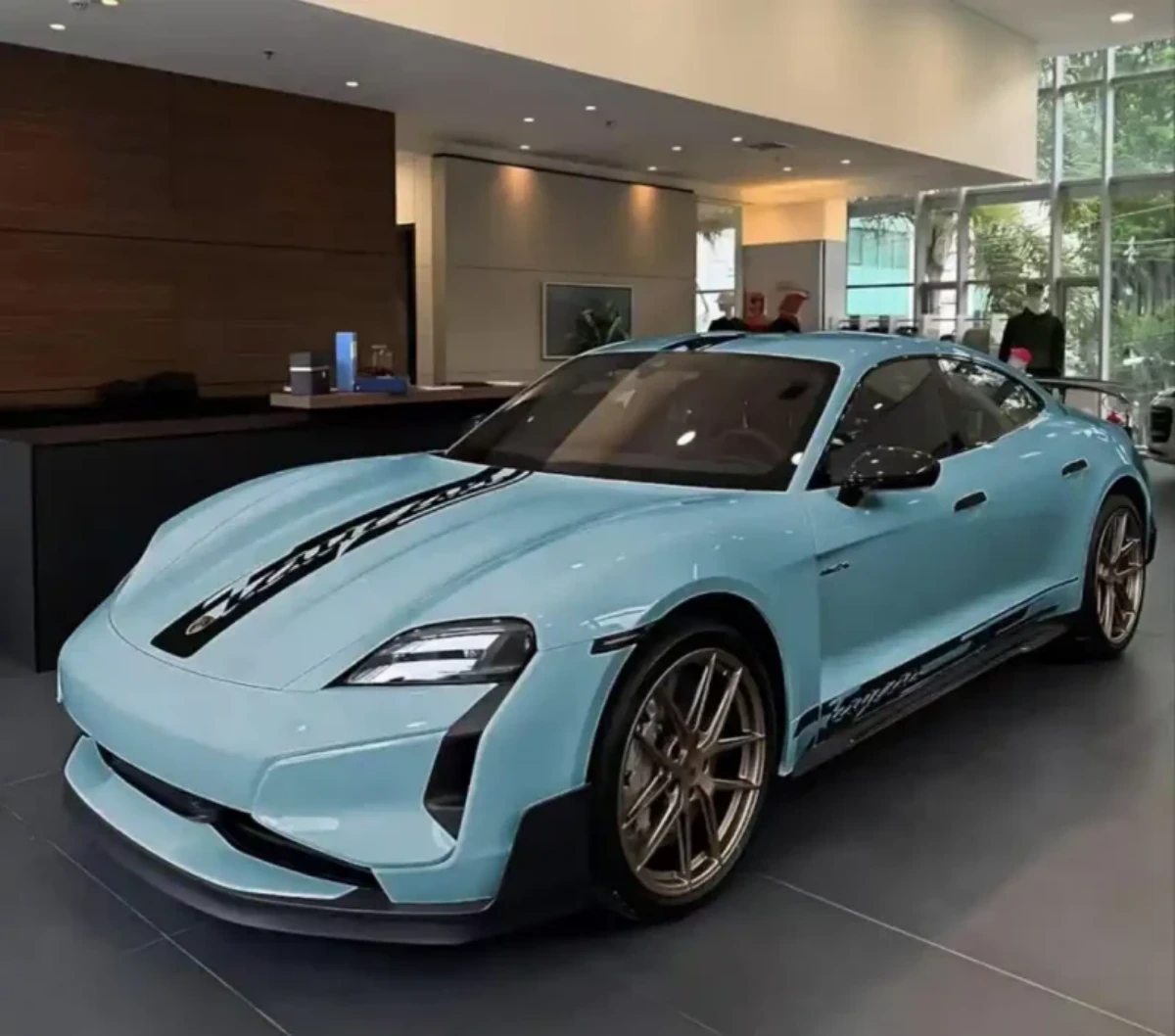
The user scenarios and value validation of PPF:
- Boat Owners – Protects fiberglass hulls from dock scratches and saltwater staining, reducing annual detailing costs by $1,200 for 20 foot boats.
- Classic Muscle Car Racers – Protects 1970s Dodge Chargers during vintage races, with self-healing PPF hiding minor track debris impacts.
- Family Car Owners – Protects minivan door sills from kids’ shoes and pet claws, with 80% reporting “like-new” interior/exterior after 3 years of use.
- Mobile Veterinary Vans – Shields interiors from animal fluids and scratches, with PPF making sanitization 30% more efficient between appointments.
- Beachside Rental Cars – Resists sand abrasion and salt spray in三亚 and Malibu, keeping rental fleets rentable with 40% fewer cosmetic repairs.
- Ride-Share Drivers – Protects Uber and Lyft vehicles from passenger-related scratches, with 90% of drivers avoiding “excessive wear” lease penalties.
- Desert Dwellers – Blocks UV-induced fading in Dubai and Phoenix, keeping paint vibrant 3x longer than unprotected vehicles in 45°C heat.
TPU PPF VS PET PPF:
- Thermal Expansion Coefficient – TPU PPF’s low expansion reduces edge lifting in heat, while PET PPF’s higher expansion causes 2x more seasonal lifting.
- Cold-Weather Flexibility – TPU PPF remains flexible at -30°C, while PET PPF cracks when bent at -10°C.
- Gloss Retention – TPU PPF maintains 90% gloss after 5 years, while PET PPF loses 40% gloss within 2 years of outdoor exposure.
- Anti-Static Properties – TPU PPF with carbon additives reduces dust attraction by 50%, while PET PPF accumulates 30% more surface dust.
- Lightweight Advantage – TPU PPF’s strength-to-weight ratio is 2x higher than PET PPF, allowing thinner films with equivalent protection.
- Moisture Barrier – TPU PPF prevents water intrusion for 72 hours, while PET PPF allows moisture penetration after 24 hours at edges.
- Marine Applications – Saltwater-resistant TPU PPF protects boats, while PET PPF degrades 3x faster in saltwater environments.
- High-Speed Performance – TPU PPF resists stone chips at 120km/h, while PET PPF fails at 80km/h in highway tests.
- Surface Preparation – TPU PPF requires minimal paint correction, while PET PPF amplifies existing swirl marks due to lower flexibility.
The production supply chain and quality control system of PPF:
- Ethical Sourcing Policies – Prohibition of materials from conflict zones or suppliers with labor violations.
- Dealer Inventory Management – Cloud-based systems tracking installer stock levels to trigger automatic reorders.
- Continuous Improvement Teams – Cross-functional groups analyzing quality data to implement process enhancements.
- Warranty Claim Analysis – Tracking failure patterns to identify systemic issues requiring process adjustments.
- Third-Party Certification – Independent labs (e.g., SGS, Intertek) validating performance claims for warranties and marketing.
- Maintenance Parts Logistics – Localized inventory of extrusion die parts and coating rollers to minimize downtime.
- Emergency Supply Protocols – Backup production facilities activated during primary plant downtime to maintain supply continuity.
- Energy Supply Chain – Contracts with renewable energy providers for factories, reducing carbon emissions from production.
- Six Sigma Projects – DMAIC methodology applied to reduce variation in critical processes (e.g., coating uniformity).
Before & After: How PPF Transforms a 10-Year-Old Car:
- Before: Fuel door with faded paint from repeated opening/closing; After: PPF covers wear patterns and reduces friction, maintaining a like-new appearance.
- Before: Under-hood fuse box cover with faded plastic; After: Interior PPF covers plastic, restoring color and protecting against oil and dust damage.
- Before: Headlight washer nozzles with paint chipping around edges; After: PPF covers nozzle perimeters, hiding chips and preventing debris damage.
- Before: Front bumper parking sensor housings with paint chipping; After: PPF covers housings, hiding chips and preventing debris from damaging sensors.
- Before: Side mirror housing gaskets with paint peeling at edges; After: PPF wraps gasket edges, hiding peeling and preventing water from getting under paint.
- Before: Fender flares with paint peeling at the edges; After: PPF wraps flare edges, hiding peeling and preventing water from getting under the paint.
AUTOLI(CN) PPF(Paint Protection Film) oem factory
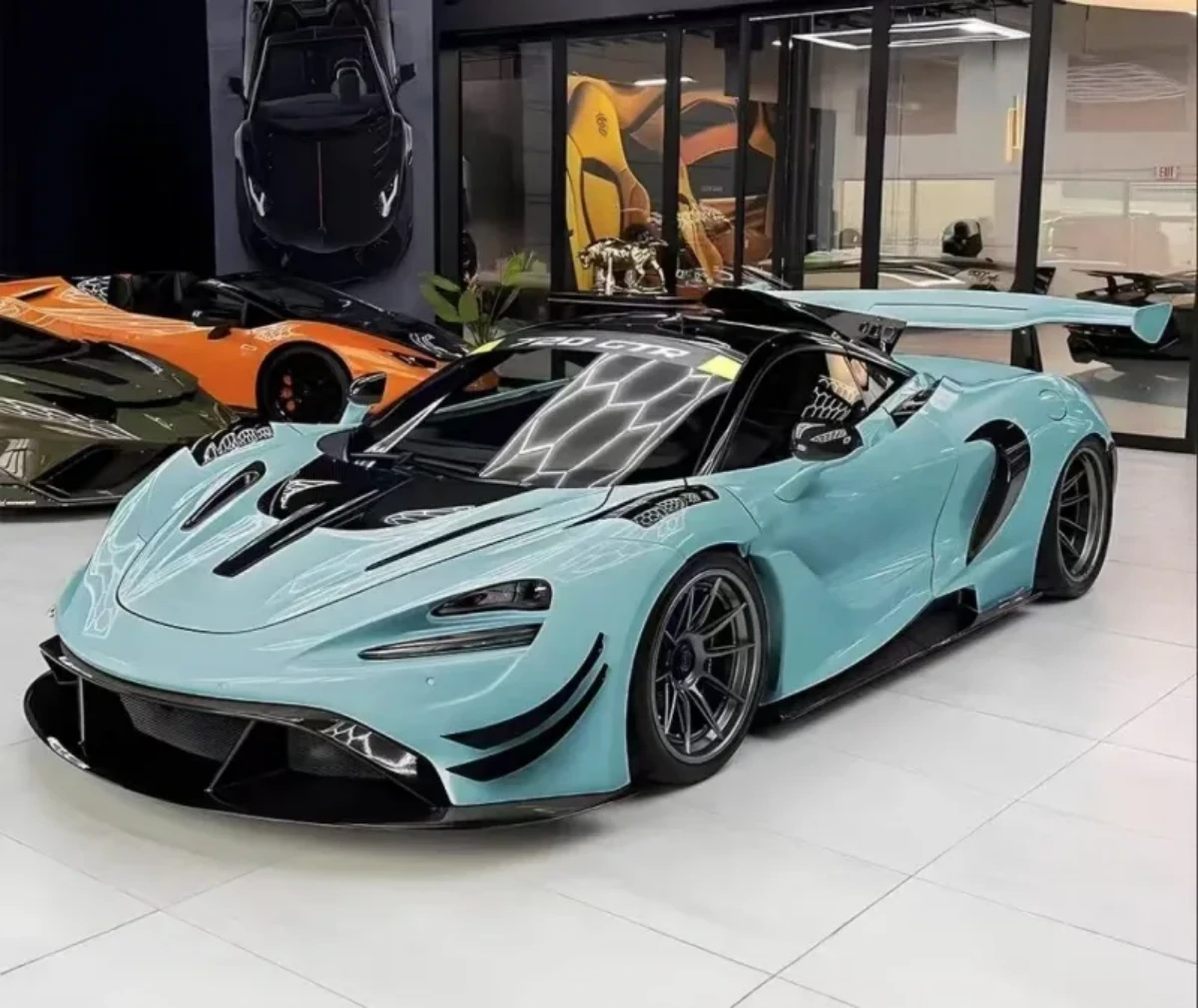
autoli TPU PPF Applied to all brand car models as Nissan、Bugatti、Nissan、Ferrari.Our factory cooperates with Auto Repair Center、PPF agent、Auto Detailing、Auto Detailing Shop、car Detail and all so in many countries and regions around the world,like Sweden,Maldives,Thailand,France,Warranty: 10 years.Our advantages:Our customers are all over the world;Collaborate for Lucrative Returns: Source factory;Raw material purchasing advantage;Our customers are all over the world;Efficient production reduces costs.Our factory also provides Car Wrap Vinyl、Window tint、Windshield Protection Film.