

PPF safeguards car paint from stone chips and scratches via durable TPU, absorbing over 90% of daily impact energy to preserve the original finish.,Reduces brake dust adhesion on wheel arches.,Partner for Prosperity: Our Factory’s PPF, Fueling Profit Expansion.
The product classification and selection logic of PPF:
- Multi-Surface Compatibility – Selecting PPF safe for paint, plastic, and chrome to enable full-vehicle protection with one product.
- Public Perception Consideration – Choosing invisible PPF over colored variants for professional or fleet vehicles.
- User Skill Level Matching – Choosing beginner-friendly PPF with forgiving adhesives for first-time DIY installers.
- Application-Specific Lines – Categorized for automotive, motorcycle, marine, or industrial use, each optimized for their environment.
- Material-Based Classification – Products categorized as TPU, PET, or PVC PPF based on base polymer, dictating flexibility, durability, and cost.
The cutting-edge technology research and development of PPF:
- Nano-Ceramic Coatings – Nano-ceramic-infused topcoats enhance scratch resistance by 300% while maintaining hydrophobicity and UV stability, ideal for extreme climates.
- Nano-Ceramic Reinforced PPF – Zirconia and alumina nanoparticles increase PPF hardness to 9H while maintaining 85% transparency.
- Bio-Based Flame Retardant Coatings – Chitosan and ammonium polyphosphate composites provide V-0 rating in UL 94 tests with <1% loading.
- High-Temperature Resistant PPF – Polyimide-TPU blends withstand 232°C (450°F) for automotive exhaust systems and industrial machinery.
- Biodegradable Conductive PPF – Carbon nanotube-doped bioplastics enable flexible electronics integration with 2-year composting capability.
- High-Aspect-Ratio Nanofibers – Electrospun TPU nanofibers with 100:1 aspect ratio enhance puncture resistance by 400% in industrial applications.
- Antifouling Coatings – Zwitterionic polymer brushes prevent marine biofouling and industrial scale formation on PPF surfaces.
- Superelastic PPF – Shape memory alloys (SMAs) integrated into TPU films recover from 500% elongation without permanent deformation.
- AI-Optimized Recycling – Machine learning algorithms sort end-of-life PPF by material composition, improving recycling efficiency to 95%.
The user perception and consumption misconceptions of PPF:
- Consumer Misconception: “New Car Paint Is ‘Protected’ from Factory” – Trusting factory clear coats alone, unaware they lack the impact resistance of PPF.
- Consumer Misconception: “PPF Traps Moisture Under Paint” – A false fear that PPF causes rust, ignoring that proper installation creates a moisture barrier preventing corrosion.
- Correct Perception: Pre-Cut vs. Hand-Cut Tradeoffs – Users understand pre-cut kits save time, while hand-cut offers better precision on complex curves.
- Consumer Misconception: “PPF Yellowing Is Visible Immediately” – Expecting instant discoloration, not realizing quality films take 5 years to show subtle yellowing.
- Correct Perception: Partial Coverage Value – Many opt for high-impact areas (hood, fenders) over full wraps, balancing protection and cost effectively.
- Consumer Misconception: “New Cars Don’t Need PPF Immediately” – Delaying installation, unaware that factory paint is most vulnerable to damage in the first 6 months of ownership.
- Correct Perception: Professional Installation Worth Cost – 90% of satisfied users attribute results to certified installers, valuing dust-free environments and precision tools.
- Correct Perception: TPU vs. PVC Durability – Informed buyers recognize TPU PPF offers 3x longer lifespan than PVC, prioritizing flexibility and self-healing over cost.
- Correct Perception: Long-Term Cost Savings – 68% of users understand PPF reduces repaint costs over 5 years, aligning with data showing $2,000 savings on luxury vehicles.
- Correct Perception: Self-Healing Efficacy – Most users recognize PPF can repair minor scratches (≤3μm) with heat, though many underestimate the need for 40°C activation temperatures.
Before & After: How PPF Transforms a 10-Year-Old Car:
- Before: Door window trim with peeling black paint; After: PPF’s color-stable film covers trim, restoring uniform appearance and preventing further peeling.
- Before: Wheel balance weights with rust staining around them; After: PPF covers weight areas, hiding stains and preventing rust from spreading under paint.
- Before: Side mirror turn signal lenses with scratches; After: Clear PPF covers lenses, hiding scratches and maintaining visibility of turn signals.
- Before: Wheel wells with rust starting to show through paint; After: PPF’s moisture barrier covers early rust and blocks water/salt from accelerating corrosion.
- Before: Door edge guards with peeling rubber and exposed paint; After: PPF wraps edges, covering exposed areas and preventing further guard deterioration.
- Before: Wheel valve stem caps with faded color; After: PPF covers caps, preserving color and resisting scratches from tire pressure checks.
- Before: Front bumper tow hook cover with lost paint; After: PPF covers the cover, hiding bare spots and maintaining a seamless bumper appearance.
- Before: Tailgate hinge areas with paint worn from movement; After: PPF covers hinges, hiding wear and reducing friction during tailgate operation.
- Before: Front bumper parking sensor housings with paint chipping; After: PPF covers housings, hiding chips and preventing debris from damaging sensors.
The cost structure and price composition of PPF:
- Online vs. Offline Pricing – E-commerce channels offer 5–10% lower prices due to reduced physical store overhead.
- End-of-Line Discounts – Discontinued models sold at 20–30% off to clear inventory.
- Automation Savings – AI quality control reduces labor costs by 5–8%, enabling 2–3% price reductions.
- Facility Overhead – Factory rent, utilities, and maintenance add $0.30–$0.60 per square foot to production costs.
- PVC vs. TPU Cost Gap – PVC raw materials cost 50% less than TPU but result in 30% lower售价 due to performance limitations.
- Cost of Quality Failures – Defective films add 3–5% to costs via rework and customer compensation.
- Inventory Holding Costs – Warehousing and stock rotation add 2–5% annually to total inventory value.
- Supply Chain Premiums – Post-pandemic, material shortages increased prices by 10–15% in 2023–2024.
- Mid-Range Price Points – 8mil self-healing PPF sells for $8–$12 per square foot, balancing quality and affordability.
The product classification and selection logic of PPF:
- Multi-Surface Compatibility – Selecting PPF safe for paint, plastic, and chrome to enable full-vehicle protection with one product.
- Public Perception Consideration – Choosing invisible PPF over colored variants for professional or fleet vehicles.
- User Skill Level Matching – Choosing beginner-friendly PPF with forgiving adhesives for first-time DIY installers.
- Application-Specific Lines – Categorized for automotive, motorcycle, marine, or industrial use, each optimized for their environment.
- Material-Based Classification – Products categorized as TPU, PET, or PVC PPF based on base polymer, dictating flexibility, durability, and cost.
How TPU Redefines PPF:
- High-Speed Protection – TPU’s impact-dispersing properties redefined PPF from urban-use products to highway-ready shields resisting high-velocity rock chips.
- Lightweight Advantage – TPU’s low density redefined PPF from heavy covers to fuel-efficient options reducing vehicle weight by 1–2kg vs. PVC alternatives.
- Brand Consistency – TPU’s uniform quality redefined PPF from variable products to consistent solutions with predictable performance across batches.
- Low Thermal Expansion – TPU’s stable dimensions redefined PPF from warping-prone films to temperature-stable protectors avoiding edge lifting in heat.
- Winter Resilience – TPU’s resistance to ice scrapers and de-icing salts redefined PPF from seasonal products to winter-ready protectors in cold regions.
- Fire Resistance – Flame-retardant TPU formulations redefined PPF from standard protectors to safety-enhancing films for high-risk environments.
The user perception and consumption misconceptions of PPF:
- Consumer Misconception: “New Car Paint Is ‘Protected’ from Factory” – Trusting factory clear coats alone, unaware they lack the impact resistance of PPF.
- Consumer Misconception: “PPF Traps Moisture Under Paint” – A false fear that PPF causes rust, ignoring that proper installation creates a moisture barrier preventing corrosion.
- Correct Perception: Pre-Cut vs. Hand-Cut Tradeoffs – Users understand pre-cut kits save time, while hand-cut offers better precision on complex curves.
- Consumer Misconception: “PPF Yellowing Is Visible Immediately” – Expecting instant discoloration, not realizing quality films take 5 years to show subtle yellowing.
- Correct Perception: Partial Coverage Value – Many opt for high-impact areas (hood, fenders) over full wraps, balancing protection and cost effectively.
- Consumer Misconception: “New Cars Don’t Need PPF Immediately” – Delaying installation, unaware that factory paint is most vulnerable to damage in the first 6 months of ownership.
- Correct Perception: Professional Installation Worth Cost – 90% of satisfied users attribute results to certified installers, valuing dust-free environments and precision tools.
- Correct Perception: TPU vs. PVC Durability – Informed buyers recognize TPU PPF offers 3x longer lifespan than PVC, prioritizing flexibility and self-healing over cost.
- Correct Perception: Long-Term Cost Savings – 68% of users understand PPF reduces repaint costs over 5 years, aligning with data showing $2,000 savings on luxury vehicles.
- Correct Perception: Self-Healing Efficacy – Most users recognize PPF can repair minor scratches (≤3μm) with heat, though many underestimate the need for 40°C activation temperatures.
The user scenarios and value validation of PPF:
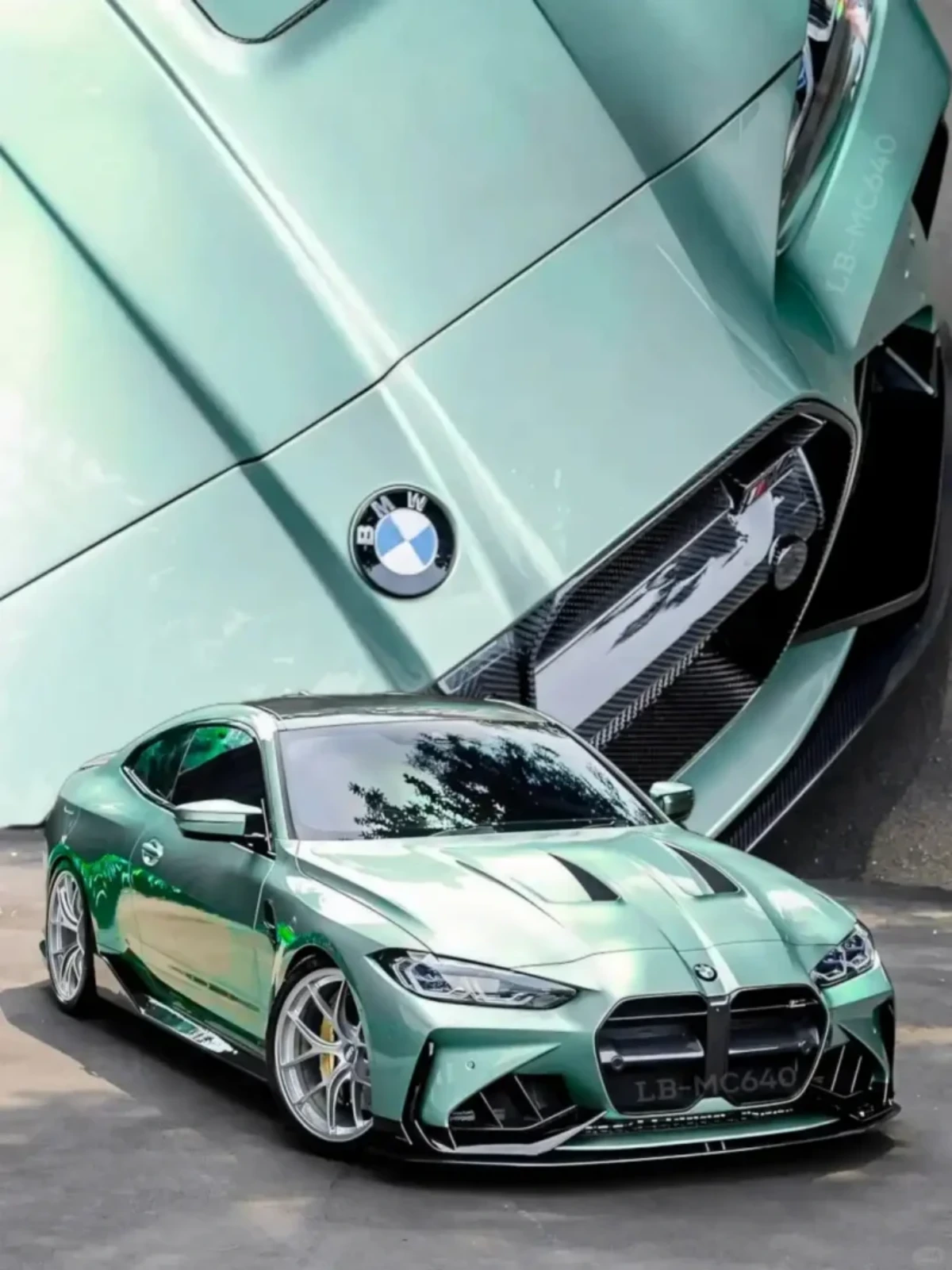
- Performance Car Drivers – Shields Porsche GT3 and BMW M4 hoods from brake dust and tire debris during track days, reducing post-event detailing time by 2 hours.
- Food Truck Operators – Protects mobile kitchen exteriors from road grime and food splatters, maintaining brand aesthetics for customer appeal.
- Limousine Services – Maintains pristine black paint on Lincoln Town Cars, with PPF reducing swirl marks from frequent client pickups by 80%.
- Wine Tour Vehicles – Protects luxury SUVs from grape juice spills and gravel roads, ensuring client-facing vehicles stay presentable year-round.
- Performance Car Drivers – Shields Porsche GT3 and BMW M4 hoods from brake dust and tire debris during track days, reducing post-event detailing time by 2 hours.
- New Car Buyers – Guards fresh factory paint on brand-new vehicles, with 98% of users avoiding “first scratch” frustration in the first 6 months.
The long-term monitoring and maintenance system after the installation of PPF:
- 24-Hour Contaminant Removal – Promptly cleaning bird droppings, tree sap, or bug splatters with isopropyl alcohol (10–20% dilution).
- Seasonal Salt Rinse Schedules – Weekly undercarriage and lower panel rinses in winter to remove road salt that degrades adhesives.
- Quarterly Tar and Sap Removal – Using citrus-based solvents to dissolve road tar and tree sap without damaging adhesives.
- Coastal Region Salt Damage Checks – Monthly inspections for corrosion under PPF in saltwater zones, focusing on metal trim edges.
- Eco-Friendly Cleaning Alternatives – Using vinegar-based solutions (5% dilution) for water spot removal on PPF-safe surfaces.
- Bi-Weekly Basic Cleaning – Rinsing with low-pressure water to remove surface dirt, preventing abrasive particle buildup.
- Warranty-Compliant Products – Using only brand-recommended cleaners (e.g., XPEL Fusion Plus) to maintain warranty validity.
- Adhesive Migration Checks – Using UV lights to detect adhesive bleed-out along edges, a precursor to delamination.
- Professional Inspection Scheduling – Booking certified installer checks every 12 months to catch early wear invisible to owners.
AUTOLI(CN) PPF(Paint Protection Film) oem manufacturer

autoli TPU PPF Applied to all brand car models as Alfa Romeo、ford、byd、Land Rover.Our factory cooperates with Auto Detailing service、ppf installation、PPF wholesale、Auto Detailing、Auto Detailing Shop and all so in many countries and regions around the world,like Sweden,Sudan,Malta,Chile,Warranty: 10 years.Our advantages:Raw material purchasing advantage;Unlock Business Growth with Our Factory’s PPF;Strict quality control system;Perfect after-sales service;SGS, ASTM, REACH, UL and other certifications.Our factory also provides Car Paint Protection Film、Window tint、PET FILM.