

PPF’s impact absorption reduces insurance claims for minor paint damage, keeping premiums lower over time.,Maintains “just detailed” look effortlessly.,Tired of Mediocrity? Our Factory’s Premium PPF, Your Path to Business Excellence.
The extension of PPF’s functions:
- Before: Front license plate bracket mounting holes with rust around them; After: PPF covers hole perimeters, hiding rust and preventing corrosion spread.
- Before: Door panel armrests (exterior) with paint worn from leaning; After: PPF wraps armrests, covering wear and maintaining comfort without damage.
- Before: Front air dam with road rash from low ground clearance; After: Thick PPF lines the dam, hiding existing damage and absorbing impact from road debris.
- Before: Running boards with worn paint from foot traffic; After: PPF’s durable layer covers wear and resists scuffs from shoes and boots.
- Before: Roof with bird dropping etchings and tree sap stains; After: PPF’s chemical-resistant topcoat hides stains and prevents new etching, creating a uniform surface.
- Before: Rear spoiler with cracked clear coat from sun exposure; After: UV-stable PPF covers cracks and prevents further clear coat breakdown.
- Before: Fuel door with faded paint from repeated opening/closing; After: PPF covers wear patterns and reduces friction, maintaining a like-new appearance.
- Before: Rear window wiper motor cover with faded paint; After: PPF covers cover, restoring color and protecting against weathering damage.
The differentiated user group needs matching of PPF:
- Forestry Service Trucks – Need debris-resistant PPF for cabs and beds, withstanding tree branches and wood chips during forest management.
- Solar Farm Maintenance Trucks – Use dust-resistant PPF to protect cabs from desert sand, maintaining visibility and reducing cleaning needs.
- Vintage Camper Van Owners – Opt for heat-reflective PPF on roofs to reduce interior temperatures, while protecting paint from tree sap and rain.
- Mobile Pet Grooming Vans – Select water-resistant PPF for exteriors, simplifying cleanup of pet hair, water, and grooming product splatters.
- Snowmobile/ATV Riders – Need cold-flexible PPF (-30°C tolerance) to resist cracking from ice, snow, and trail debris during winter adventures.
- Mobile Fitness Studios – Prefer sweat-resistant PPF for interior surfaces, withstanding frequent cleaning and equipment movement.
- Desert Off-Road Racers – Require sand-resistant PPF with anti-abrasion topcoats, preventing paint damage from blowing sand during races.
- Vintage Motorcycle Ralliers – Prefer UV-stabilized PPF for fuel tanks, preventing paint fading during long-distance rides in direct sunlight.
- Classic Car Dealers – Opt for showroom-grade PPF that enhances paint gloss for displays, with easy removal for test drives and sales.
The market trends and industry changes of PPF:
- AI Quality Control in Production – Machine vision systems inspect 100% of PPF rolls for defects, reducing post-installation warranty claims by 45%.
- IoT-Enabled Performance Monitoring – Smart PPF prototypes with embedded sensors are being tested to monitor UV exposure and damage levels, providing real-time data for predictive maintenance.
- Recyclable Packaging Mandates – 80% of PPF brands now use recycled cardboard and biodegradable film wrap for packaging, aligning with EU packaging laws.
- Online Certification Courses – Platforms like PPF University offer $99 online installer certifications, increasing skilled labor availability in underserved markets.
- Water-Based Adhesive Adoption – PPF manufacturers are shifting to water-based adhesives, reducing VOC emissions by 60% to meet EU and California air quality regulations.
The materials and technologies of PPF:
- Thermal insulation buffer layer design: An elastic buffer layer is added between the substrate and the coating to alleviate the internal stress caused by the thermal expansion and contraction of the material under extreme temperature differences, thereby reducing the risk of cracking.
- EV-specific lightweight optimization: Reduces base material density by 15% for electric vehicles, minimizing added weight impact on battery range.
- AI-driven precision cutting: Employs machine learning algorithms to analyze vehicle surfaces and generate custom-fit patterns with 0.1mm accuracy, minimizing material waste.
- Hydrographic printing integration: Allows custom patterns (e.g., carbon fiber, brushed metal) to be embedded within the film without compromising clarity.
- Anti-yellowing technology: Antioxidants and UV absorbers are added to inhibit oxidation and yellowing under long-term exposure to light, extending the appearance stability of the protective film.
- Anti-static surface treatment: Incorporates permanent anti-static agents to reduce dust adhesion by 70%, extending the time between washes.
- Anti-microbial coating infusion: Incorporates silver-ion nanoparticles to inhibit 99% of bacteria and mold growth on film surfaces in humid climates.
- Bio-based TPU formulation: Uses 30% plant-derived materials (e.g., castor oil) without compromising mechanical performance, certified by ASTM D6400.
- Water resistance stability technology: By adding water resistance agents to the TPU base material, it inhibits the breakage of molecular chains in humid environments, extending the service life of the film material in high-humidity areas.
- Anti-microbial coating infusion: Incorporates silver-ion nanoparticles to inhibit 99% of bacteria and mold growth on film surfaces in humid climates.
The protective performance of PPF:
- Digital Warranty Claims – Streamlines service requests with online submissions and proof of purchase.
- Industrial Pollution Defense – Protects against acid rain, salt spray, and airborne contaminants in harsh environments.
- Abrasion Resistance – Resists wear and tear from repeated contact with car wash brushes, dirt, and sand.
- Heat-Activated Self-Healing – Repairs minor scratches on colored PPF when exposed to sunlight or gentle heat.
- Pre-Cut Interior Patterns – Precise-fit films for door handles, dashboards, and trims, ensuring hassle-free installation.
- High Clarity – Maintains the vehicle’s original paint color and gloss without distortion or yellowing over time.
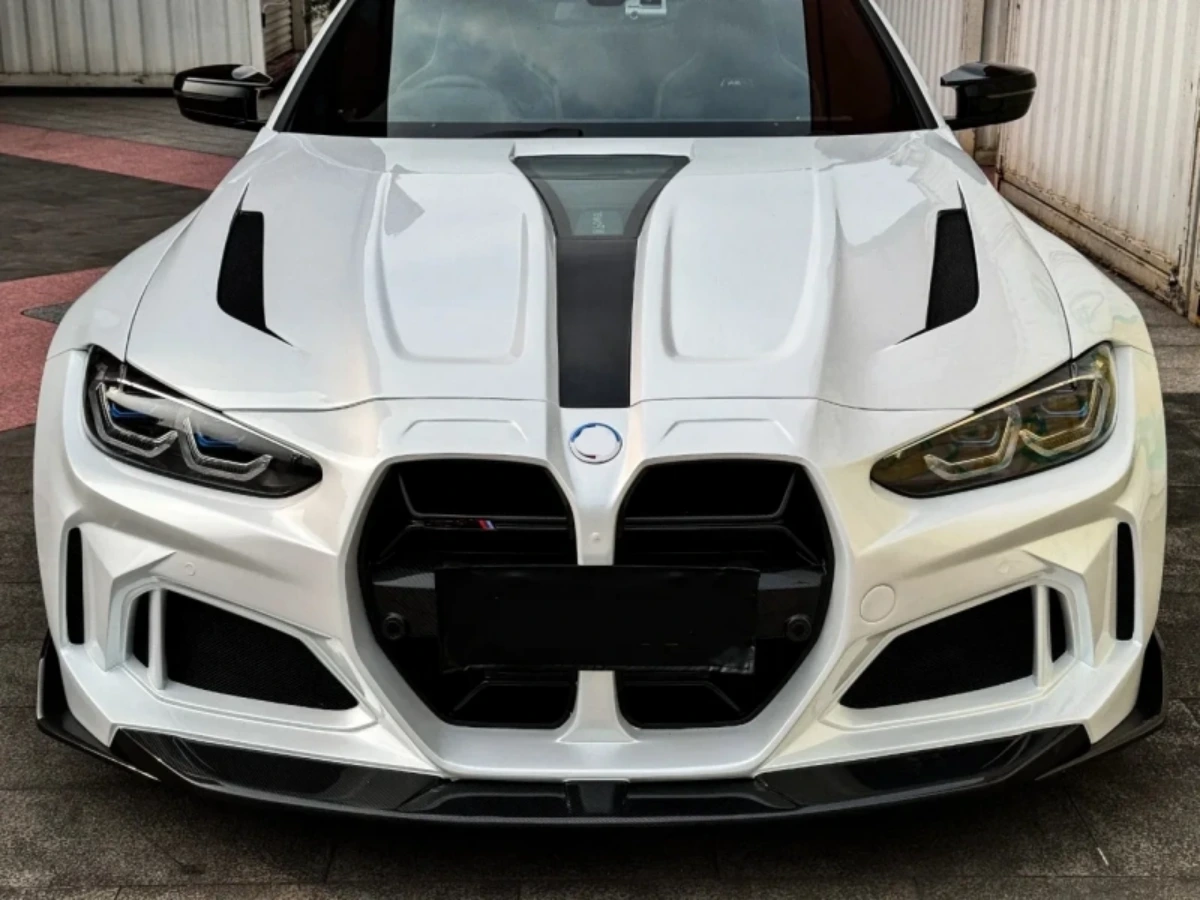
How TPU Redefines PPF:
- Structural Support – TPU’s reinforcement of weak points redefined PPF from surface-only protectors to structural aids preventing paint chipping on high-impact areas.
- Temperature Tolerance – TPU’s -40°C to 80°C stability redefined PPF from climate-limited products to all-weather solutions for extreme hot and cold regions.
- Adhesive Innovation – TPU’s low-tack yet strong adhesives redefined PPF from permanent-only films to removable options safe for lease vehicles.
- High-Speed Protection – TPU’s impact-dispersing properties redefined PPF from urban-use products to highway-ready shields resisting high-velocity rock chips.
- Edge Seal Innovation – TPU’s heat-sealable edges redefined PPF from edge-lifting prone films to long-lasting solutions with 75% reduced lifting in car washes.
- Low-Maintenance Design – TPU’s self-cleaning properties redefined PPF from high-upkeep products to “set-it-and-forget-it” solutions requiring minimal care.
- Durability Redefined – TPU’s resistance to UV, chemicals, and impact extended PPF lifespans from 1–2 years to 5–10 years, redefining long-term protection.
- High-Pressure Wash Safe – TPU’s strong adhesion redefined PPF from hand-wash-only films to pressure washer-compatible protectors simplifying cleaning.
- Weather Adaptability – TPU’s resistance to rain, snow, and sand redefined PPF from climate-specific products to global solutions for diverse environments.
The production supply chain and quality control system of PPF:
- Statistical Process Control (SPC) – Real-time monitoring of extrusion parameters with control charts to maintain CpK ≥ 1.33.
- Batch Testing Protocols – Random sampling of finished rolls (1 per 50) for full performance characterization.
- Technology Partnerships – Collaboration with IoT firms for real-time supply chain visibility tools.
- Cost Optimization – Annual renegotiation of supplier contracts with volume-based discounts for raw materials.
- Machine Vision Inspection – High-resolution cameras detecting micro-defects (≥20μm) in TPU films during production.
- Sustainability Audits – Annual assessments of suppliers’ carbon footprints and waste reduction efforts for eco-friendly sourcing.
- Global Raw Material Network – Multi-region sourcing of TPU to mitigate supply risks from geopolitical or logistical disruptions.
- Six Sigma Projects – DMAIC methodology applied to reduce variation in critical processes (e.g., coating uniformity).
- Incoming Material Inspection – 100% testing of TPU resin for melt index, density, and impurity levels before production.
The product classification and selection logic of PPF:
- Usage Pattern Matching – Opting for 10 mil thick PPF for highway commuters vs. 6–8mil for urban drivers with lower debris exposure.
- Bulk vs. Pre-Cut Decision – Choosing bulk rolls for professional installers vs. pre-cut kits for consistent DIY results.
- Function-Centric Categories – Segmented into self-healing, UV-resistant, anti-yellowing, and hydrophobic variants based on core benefits.
- Weathering Resistance Needs – Selecting multi-layer PPF with ceramic topcoats for extended hydrophobicity in rainy regions.
- Chemical Exposure Risk – Upgrading to solvent-resistant PPF for service vehicles exposed to fuels or industrial chemicals.
- Finish Protection Categories – Segmented into paint, matte, chrome, or plastic protection to match surface types.
The regulations of PPF and after-sales services:
- Heat-Activated Self-Healing Warranties – Brands guarantee self-healing performance (e.g., 98% micro-scratch repair within 8 minutes at 45°C) under warranty, reflecting confidence in material durability .
- Warranty Transferability – Transferred vehicle ownership often requires warranty re-registration, with brands like 3M requiring updated documentation to maintain coverage .
- EU REACH Compliance – PPF manufacturers must adhere to EU REACH regulations, ensuring all chemicals used in production meet strict safety and environmental standards, particularly for PFAS substances like C9-C14 PFCAs, which are restricted to ≤25 ppb in materials .
- Supply Chain Traceability – EU PPWR mandates tracking PPF materials from production to disposal, ensuring compliance with recycled content targets (e.g., 30% by 2030) .
- Nano-Coating Warranty Bundles – Hybrid solutions combining PPF with ceramic coatings (e.g., Onyx PPF Nano Coat) offer extended warranties covering both layers .
- Regional Warranty Variations – PPF warranties often differ by region; for example, monsoon-prone areas may offer extended coverage for water ingress issues .
AUTOLI(CN) PPF(Paint Protection Film) oem manufacturer
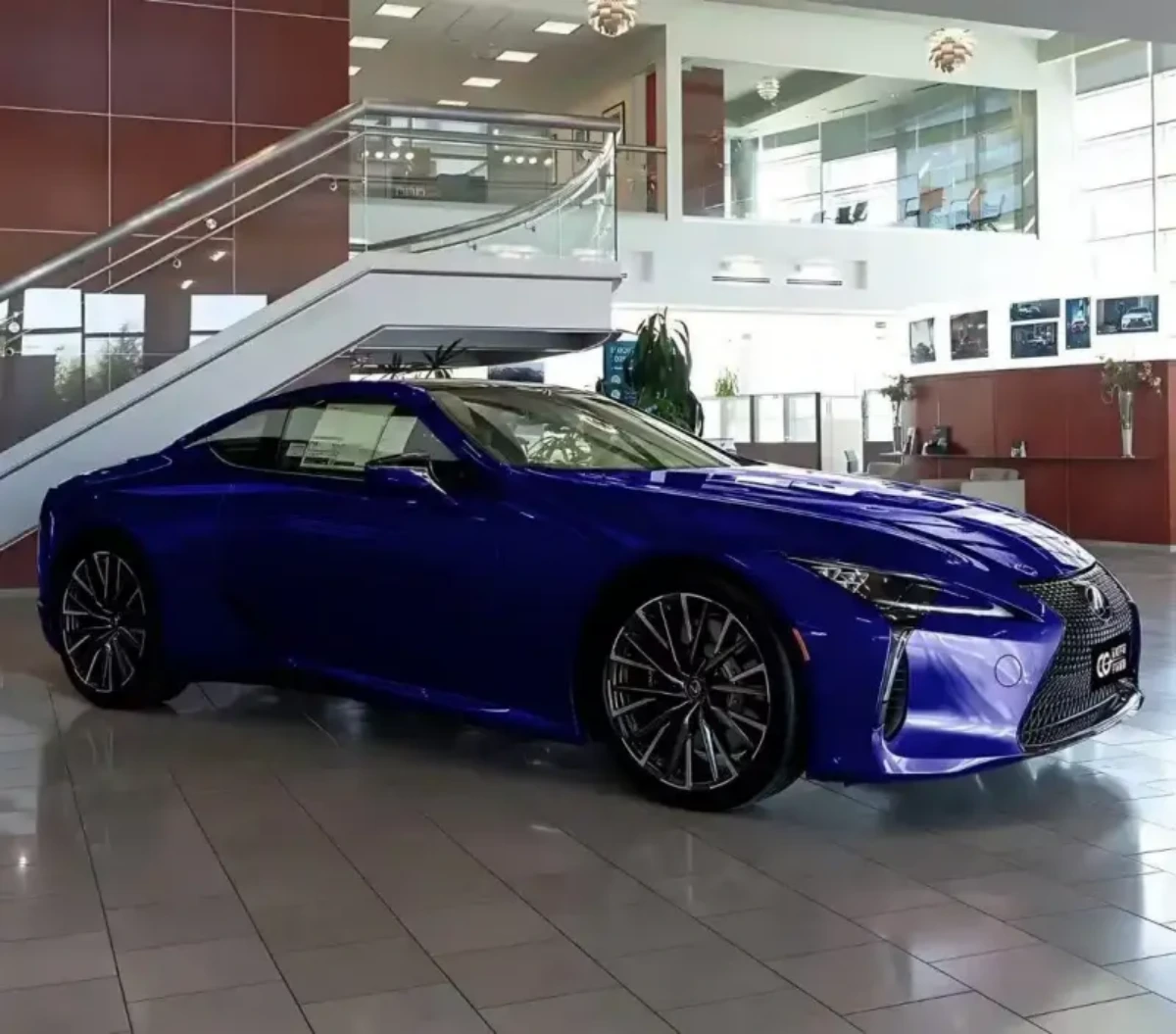
autoli TPU PPF Applied to all brand car models as Lincoln、Lamborghini、Jaguar、Volkswagen、Ferrari、Lexus.Our factory cooperates with PPF wholesaler、Auto Detailing、Auto Detailing Shop and all so in many countries and regions around the world,like Portugal,Costa Rica,England,United States,Warranty: 10 years.Our advantages:Perfect after-sales service;Your Key to Profitable PPF Ventures;Short production cycle, quick delivery;Raw material purchasing advantage;Perfect after-sales service.Our factory also provides Car Wrap Vinyl、PPF Vinyl Car Wrap、vinyl Wraps.