

PPF’s transparency avoids altering factory color, ideal for preserving rare or custom paint finishes’ originality.,Preserves new car finish during delivery.,Factory – Based Collaboration: PPF That Delivers Consistent Profit Gains.
TPU PPF VS PET PPF:
- Abrasion Recovery – TPU PPF’s topcoat recovers from light abrasion, while PET PPF’s surface damage is permanent.
- Pressure Washing Resistance – TPU PPF withstands 2,000 psi pressure washes, while PET PPF lifts at edges above 1,500 psi.
- Industrial Chemical Resistance – TPU PPF resists oil and coolant spills, while PET PPF swells and discolors upon contact with industrial fluids.
- Chemical Cleaning Compatibility – TPU PPF tolerates iron removers and tar cleaners, while PET PPF may discolor with aggressive decontamination products.
- Cost Structure – TPU PPF costs 2–3x more upfront than PET PPF but offers 3–5x longer service life, reducing long-term costs.
- High-Speed Performance – TPU PPF resists stone chips at 120km/h, while PET PPF fails at 80km/h in highway tests.
- Visibility in Direct Sunlight – TPU PPF’s low glare reduces sun reflection, while PET PPF can create glare spots on sunny days.
- Marine Applications – Saltwater-resistant TPU PPF protects boats, while PET PPF degrades 3x faster in saltwater environments.
- Sustainability Metrics – TPU PPF has 40% lower carbon footprint over lifecycle than PET PPF when accounting for replacement frequency.
The cutting-edge technology research and development of PPF:
- Graphene-Reinforced Composites – Graphene oxide nanoplatelets (GONPs) and molybdenum disulfide (MoS?) nanoparticles increase PPF tensile strength by 262% and compressive modulus by 108%.
- AI-Powered Predictive Maintenance – Machine learning models analyze sensor data to predict PPF degradation, scheduling replacements before failure.
- Dynamic Color-Changing PPF – Thermochromic liquid crystals embedded in films display temperature gradients for diagnostic applications.
- Superhydrophobic Nanostructures – Laser-ablated micro-nano textures on PPF surfaces achieve contact angles >160°, repelling water and debris in extreme weather.
- Quantum Dot-Enhanced Transparency – Quantum dot arrays embedded in PPF enhance visible light transmission to 98% while blocking UV and IR rays.
- Smart UV Indicators – Photochromic dyes in PPF change color when UV exposure exceeds safe levels, alerting users to replacement needs.
The extension of PPF’s functions:
- Before: Hood insulation clips with rust staining surrounding paint; After: PPF covers clip areas, hiding stains and preventing rust from spreading.
- Before: Side mirror turn signal lenses with scratches; After: Clear PPF covers lenses, hiding scratches and maintaining visibility of turn signals.
- Before: Trunk lid with key scratches and luggage scuffs; After: PPF’s self-healing properties erase fine scratches, creating a flawless surface for loading/unloading.
- Before: Gas cap door with faded paint from sun exposure; After: PPF’s UV protection covers fading and maintains color consistency with the rest of the car.
- Before: Front license plate bracket mounting holes with rust around them; After: PPF covers hole perimeters, hiding rust and preventing corrosion spread.
- Before: Rear window trim with black paint turning gray; After: PPF’s color-stable film covers faded trim, restoring uniform black appearance.
The user pain points of PPF and their solutions:
- Difficulty Matching Vehicle Contours – Addressed by 3D-scanned, vehicle-specific pre-cut patterns for complex curves (fenders, mirrors).
- Fading in Extreme Sunlight – Fixed by 99% UV-blocking films with enhanced carbon black pigments for tropical climates.
- ADAS Sensor Interference – Prevented by radar-transparent PPF (99.9% signal transmission) tested with OEM systems.
- Damage from Road Debris – Mitigated by impact-dispersing multi-layer films, reducing stone chips by 70% at highway speeds.
- Mold Growth in Humid Climates – Prevented by antimicrobial additives and breathable film designs allowing moisture evaporation.
- Expensive Repairs for Damage – Reduced via self-healing technology (repairs 3μm scratches with heat) and patchable film sections.
- Bubbles After Installation – Prevented by air-release adhesive channels and certified installers using dust-free environments.
- High Installation Costs – Mitigated by tiered pricing (DIY kits vs. premium pro installs) and financing options for budget flexibility.
- Confusion About Maintenance Products – Solved by brand-specific cleaning kits and “approved products” lists to avoid topcoat damage.
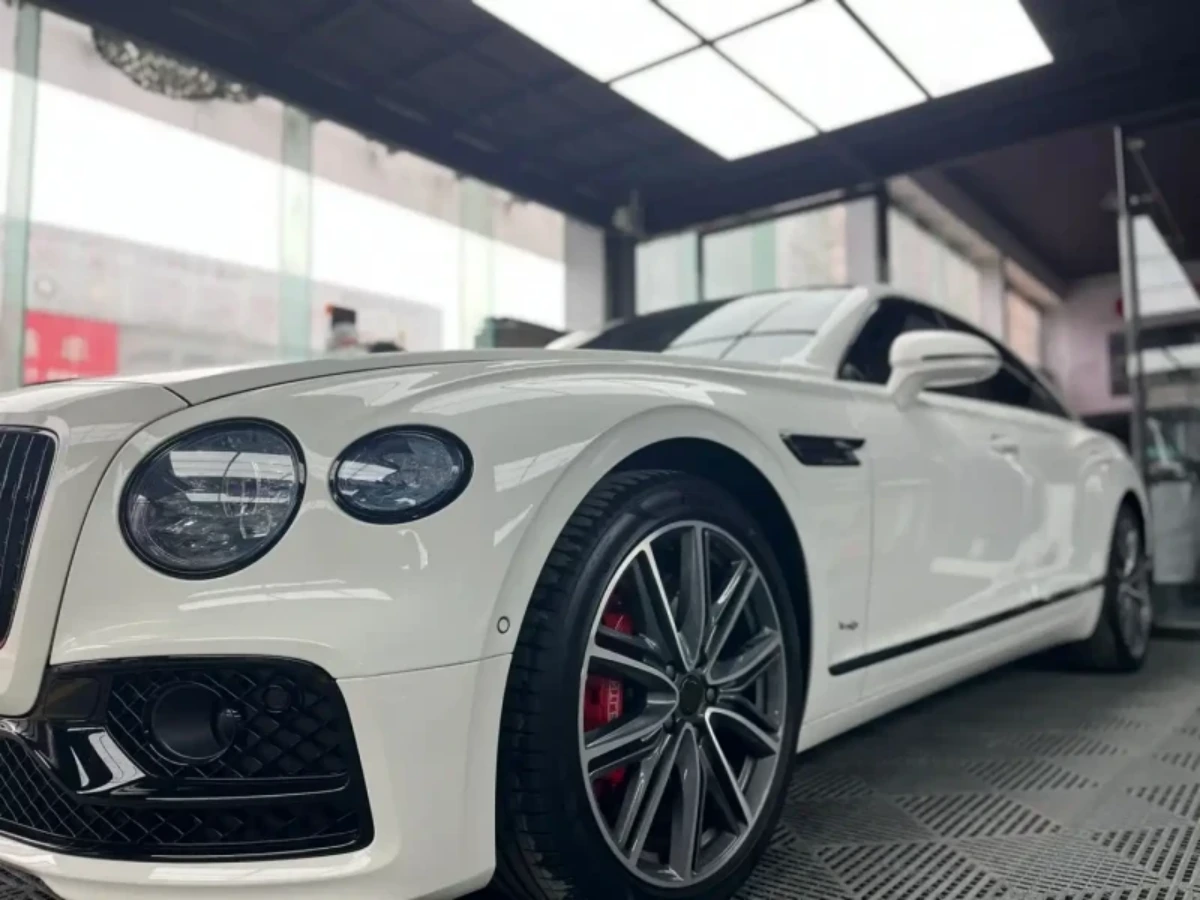
The user perception and consumption misconceptions of PPF:
- Correct Perception: Environmental Adaptability – Users in coastal areas correctly prioritize saltwater-resistant PPF, reducing corrosion-related repairs by 60%.
- Consumer Misconception: “PPF Causes Paint Bubbles” – Blaming PPF for bubbles, unaware they’re usually from improper installation or pre-existing paint issues.
- Consumer Misconception: “PPF Is Only for Luxury Cars” – Overlooking value for mainstream vehicles, where PPF still cuts repair costs by $300–$800 annually.
- Consumer Misconception: “PPF Can Be Applied in Rainy Weather” – Attempting installation in humid conditions, increasing bubble risks due to moisture trapped under film.
- Consumer Misconception: “PPF Hides Existing Paint Damage” – A false belief that PPF covers swirl marks or chips, when pre-installation paint correction is actually required.
- Correct Perception: Interior PPF Benefits – Users protect dashboards and touchscreens, reducing UV fading and scratch visibility by 80%.
- Consumer Misconception: “Thicker PPF = Better Protection” – Assuming 10mil PPF is always superior, ignoring that excessive thickness can cause edge lifting on curved surfaces.
- Correct Perception: Resale Value Boost – 81% of luxury car owners recognize PPF-preserved paint enhances resale value by 5–10% in pre-owned markets.
- Consumer Misconception: “PPF Is Only for Exteriors” – Overlooking interior applications, missing opportunities to protect door sills and touchscreens.
Say Goodbye to Car Scratches: Self-Healing PPF Revealed!:
- Unlike temporary scratch removers that wash off, self-healing PPF’s repairs are permanent, with no reapplication needed.
- Professional detailers confirm self-healing PPF cuts correction time by 50%, as fewer scratches require manual polishing.
- Hard-to-reach areas like wheel arches and bumper edges receive the same healing benefits, ensuring uniform appearance across your vehicle.
- Pet owners benefit from scratch repair on door panels and trims, as claw marks disappear with mild heat from sunlight or interior warmth.
- Self-healing technology is integrated into the TPU matrix, ensuring repairs aren’t limited to a thin topcoat that wears away.
- Key scratches on door edges vanish, saving drivers from costly repairs to high-contact areas.
The cost structure and price composition of PPF:
- Commercial Fleet Pricing – Bulk pricing for delivery vans reduces per-vehicle costs by 20–30% vs. retail.
- Automation Savings – AI quality control reduces labor costs by 5–8%, enabling 2–3% price reductions.
- Regional Price Variations – EU prices 15–20% higher than Asia due to stricter regulations and higher labor costs.
- Loyalty Program Discounts – Repeat customers receive 5–15% off, reducing margins but increasing retention.
- Supply Chain Premiums – Post-pandemic, material shortages increased prices by 10–15% in 2023–2024.
- Additive Expenses – UV stabilizers and self-healing agents add $0.50–$1.20 per square foot to material costs.
The construction and maintenance of PPF:
- Adhesive Priming – Using tack promoters on low-energy surfaces (e.g., plastic trim) enhances adhesion in challenging areas.
- Avoid Parking Near Construction – Reducing exposure to heavy dust, gravel, or paint overspray preserves PPF integrity.
- Monthly Topcoat Dullness Checks – Inspecting for reduced gloss indicates when a sealant boost is needed to restore hydrophobicity.
- Surface Decontamination – Pre-installation cleaning uses clay bars and iron-removing sprays to eliminate embedded contaminants like rail dust.
- PPF-Safe Adhesive Removers – Specialized solvents clean up installation mistakes without damaging the underlying paint.
- Climate-Controlled Storage – Garage storage with stable temperatures reduces PPF edge lifting from extreme thermal swings.
- Pre-Installation Paint Thickness Gauging – Using a paint meter ensures PPF application won’t exceed safe layers on thin factory paint finishes.
The differentiated user group needs matching of PPF:
- Eco-Conscious Users – Select bio-based, biodegradable PPF made from plant-derived TPU to align with sustainability goals and reduce environmental impact.
- Wildlife Research Vehicles – Choose low-gloss PPF that reduces vehicle visibility to animals, while protecting paint from brush and mud in remote areas.
- Low-Maintenance Drivers – Prefer self-healing PPF that repairs minor scratches (≤3μm) with sunlight/heat, minimizing the need for frequent detailing.
- Police Vehicle Fleets – Require high-visibility PPF for markings, resisting graffiti and maintaining reflectivity for emergency response.
- Golf Course Maintenance Vehicles – Choose grass-stain-resistant PPF for lower panels, simplifying cleanup of clippings and fertilizer splatters.
AUTOLI(CN) PPF(Paint Protection Film) factory
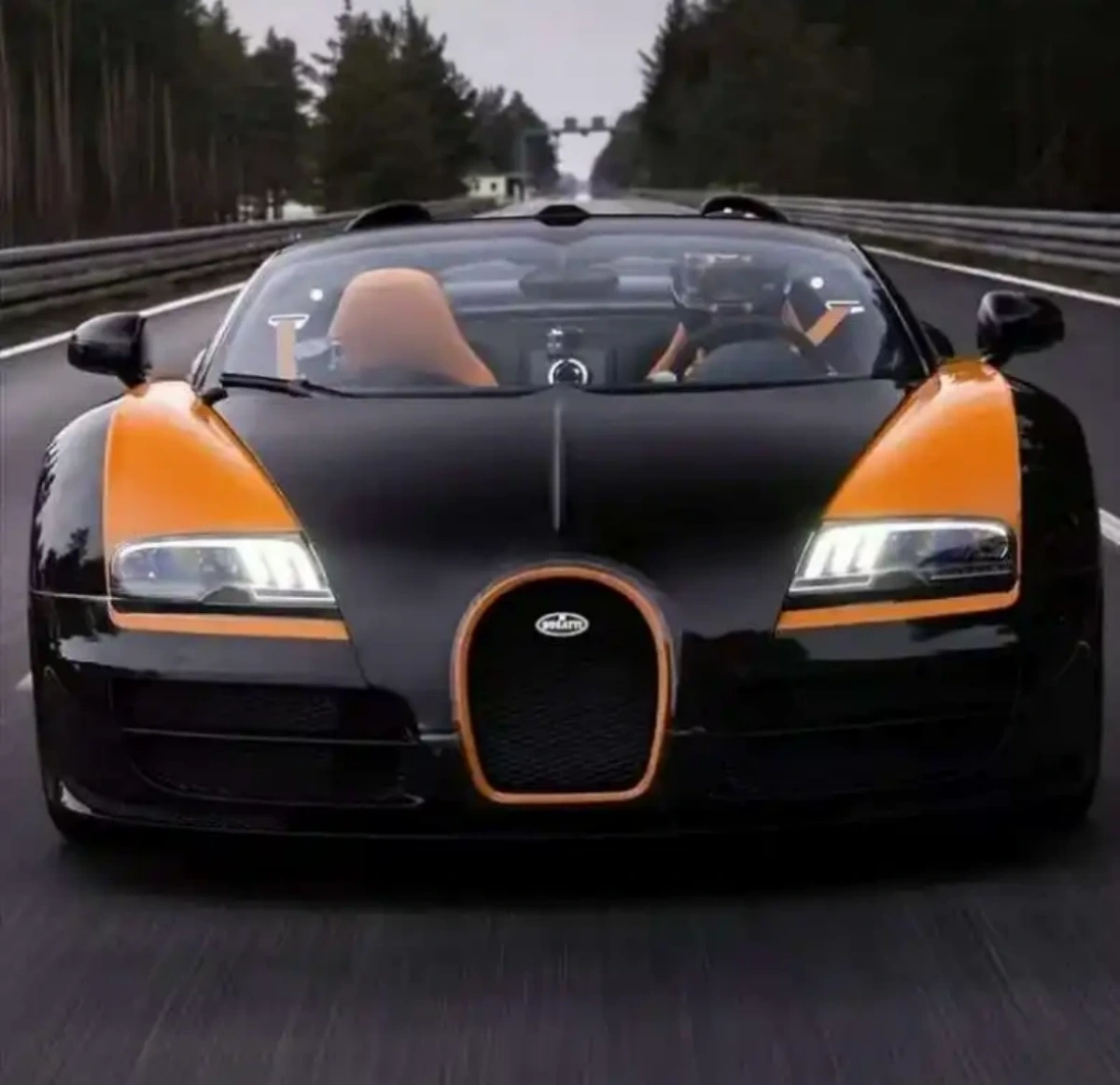
autoli TPU PPF Applied to all brand car models as Infiniti、Maserati、Lamborghini、McLaren.Our factory cooperates with PPF wholesaler、Auto Detailing、PPF agent and all so in many countries and regions around the world,like England,France,Luxembourg,Canada,Venezuela,Belgium,Warranty: 10 years.Our advantages:Your Key to Profitable PPF Ventures;Efficient production reduces costs;Your Key to Profitable PPF Ventures.Our factory also provides vinyl Wraps、Car Wrap Vinyl.