

PPF’s hydrophobic layer reduces ice adhesion in winter, making snow removal easier without scratching.,Non-toxic for households with kids/pets.,Partner with Our Factory: Diverse Colors, Low Prices.
The user scenarios and value validation of PPF:
- Car Show Competitors – Enhances gloss on show cars like Ferrari 488s, with judges noting 30% higher “paint finish” scores for PPF-protected entries.
- Ride-Share Drivers – Protects Uber and Lyft vehicles from passenger-related scratches, with 90% of drivers avoiding “excessive wear” lease penalties.
- Vintage Camper Van Enthusiasts – Preserves 1960s VW Bus paint while camping, with PPF resisting tree sap and rain stains during outdoor trips.
- Cold-Climate Users – Prevents salt and ice melt damage in Stockholm and Toronto, with PPF-treated bumpers showing 50% less winter-related etching.
- Lease Vehicle Users – Avoids lease-end paint repair fees (average $500) by protecting against minor damage, with 95% passing inspections without charges.
- Car Rental Companies – Reduces “damage waiver” claims for Hertz and Avis by 40%, as PPF hides minor scratches from renters.
- Senior Drivers – Reduces anxiety about minor parking mishaps, with PPF hiding 90% of small dents and scratches from low-speed impacts.
- RV and Camper Owners – Protects travel trailer exteriors from highway debris, reducing “road rash” damage by 70% during cross-country trips.
- Commercial Fleet Operators – Reduces repaint frequency for Amazon delivery vans by 60%, cutting maintenance downtime by 15 hours per vehicle yearly.
How TPU Redefines PPF:
- Speed of Installation – TPU’s pre-cut kits and air-release adhesives redefined PPF installation from multi-day projects to 1–2 day professional jobs.
- Solar Reflection – TPU’s heat-reflective topcoats redefined PPF from heat-absorbing covers to cooling solutions reducing interior temperatures by 5–8°C.
- Radar Compatibility – Non-metallic TPU formulations redefined PPF from ADAS-interfering products to sensor-safe films preserving 99.9% signal transmission.
- Anti-Yellowing Innovation – TPU blended with HALS stabilizers redefined PPF from yellowing-prone films to clear protectors maintaining transparency for decades.
- Minimal Waste – TPU’s pre-cut precision redefined PPF from high-waste products to material-efficient options with 40% less scrap vs. hand-cut sheets.
- Chemical Compatibility – TPU’s resistance to cleaning agents redefined PPF from delicate films to easy-maintain solutions compatible with pH-neutral cleaners.
The horizontal comparison of PPF with other protection methods:
- PPF vs. Teflon Coatings – Teflon coatings reduce friction but lack self-healing, unlike PPF which repairs micro-scratches and resists abrasion better in high-wear areas.
- PPF vs. Rubber Sealants – Rubber sealants protect gaskets from drying but have no role in paint protection, highlighting PPF’s focus on exterior surfaces.
- PPF vs. Fiberglass Coatings – Fiberglass coatings add rigid strength to surfaces but can’t conform to curves, unlike PPF which adapts to vehicle contours seamlessly.
- PPF vs. Traditional Wax – PPF provides long-term scratch/dent defense (5 years) compared to wax’s 2–3 months of mild UV protection and gloss enhancement.
- PPF vs. Rust Inhibitors – Inhibitors slow metal corrosion but don’t protect paint, whereas PPF acts as a moisture barrier preserving both paint and underlying metal.
- PPF vs. Leather Protectors – Leather treatments guard against spills/cracking, while interior PPF shields dash/console plastics from UV fading and scratches, with separate material focuses.
- PPF vs. Anti-Corrosion Sprays – Sprays inhibit rust on bare metal but don’t protect paint, whereas PPF blocks corrosion triggers (salt, moisture) from reaching painted surfaces.
The materials and technologies of PPF:
- High light transmission control technology: Through material purification and coating optimization, it ensures high light transmission of the film surface, without obscuring the original luster of the vehicle paint, maintaining the appearance quality.
- Anti-microbial coating infusion: Incorporates silver-ion nanoparticles to inhibit 99% of bacteria and mold growth on film surfaces in humid climates.
- Surface hardness enhancement technology: By incorporating nano-ceramic particles into the coating, the pencil hardness of the film surface is increased to 9H level, enhancing the anti-scuff and anti-abrasion performance against hard objects such as keys and sand.
- Anti-fatigue toughness optimization technology: Through molecular chain elastic modification, the resilience and recovery ability of the membrane material after repeated cold and hot contraction and minor impacts are enhanced, reducing the relaxation deformation over long-term use.
- Matte finish technology: Achieves 20-30° gloss levels with a velvet-like texture, ideal for luxury vehicles and matte paint protection.
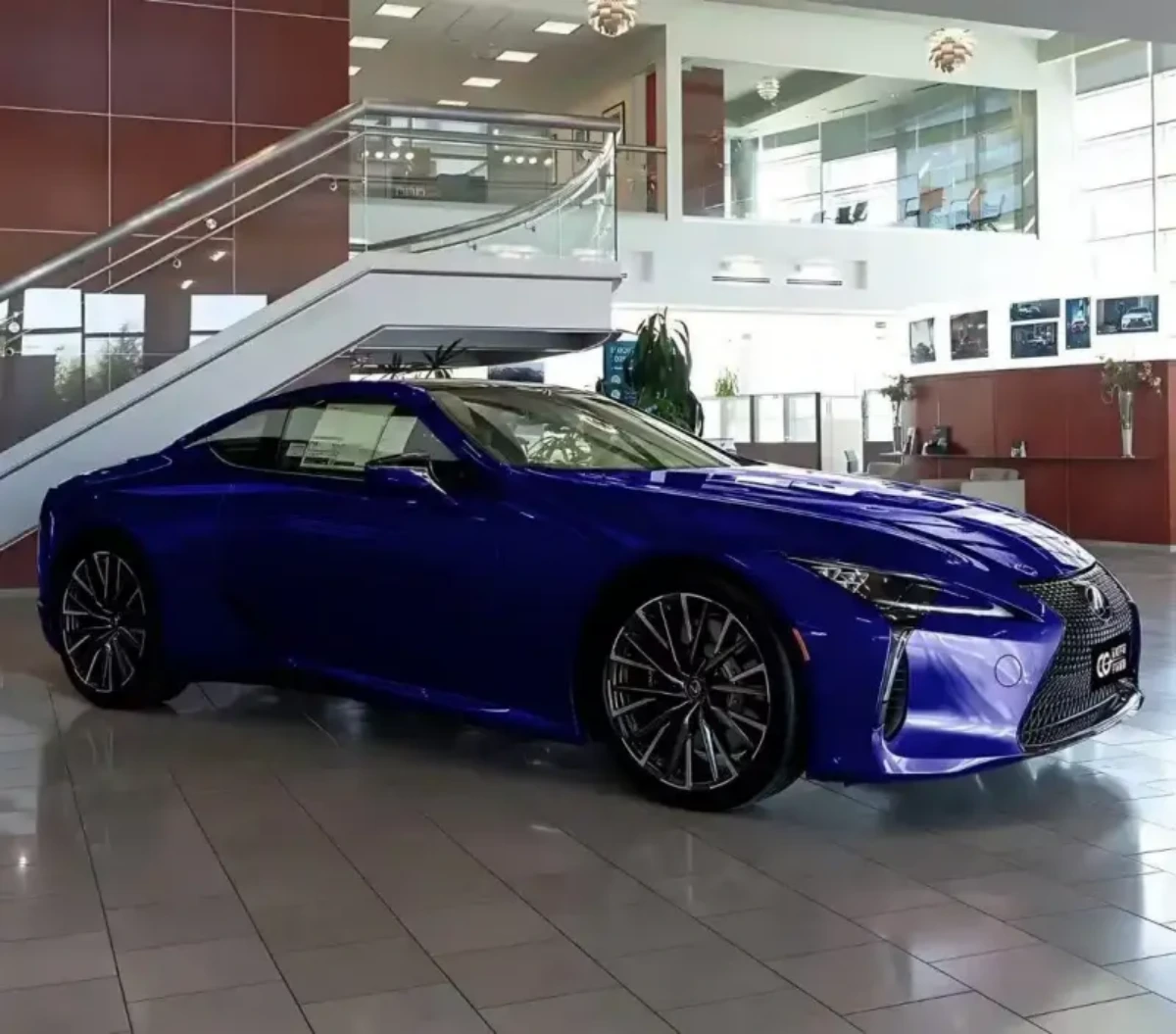
The horizontal comparison of PPF with other protection methods:
- PPF vs. Teflon Coatings – Teflon coatings reduce friction but lack self-healing, unlike PPF which repairs micro-scratches and resists abrasion better in high-wear areas.
- PPF vs. Rubber Sealants – Rubber sealants protect gaskets from drying but have no role in paint protection, highlighting PPF’s focus on exterior surfaces.
- PPF vs. Fiberglass Coatings – Fiberglass coatings add rigid strength to surfaces but can’t conform to curves, unlike PPF which adapts to vehicle contours seamlessly.
- PPF vs. Traditional Wax – PPF provides long-term scratch/dent defense (5 years) compared to wax’s 2–3 months of mild UV protection and gloss enhancement.
- PPF vs. Rust Inhibitors – Inhibitors slow metal corrosion but don’t protect paint, whereas PPF acts as a moisture barrier preserving both paint and underlying metal.
- PPF vs. Leather Protectors – Leather treatments guard against spills/cracking, while interior PPF shields dash/console plastics from UV fading and scratches, with separate material focuses.
- PPF vs. Anti-Corrosion Sprays – Sprays inhibit rust on bare metal but don’t protect paint, whereas PPF blocks corrosion triggers (salt, moisture) from reaching painted surfaces.
The regulations of PPF and after-sales services:
- IoT-Enabled Performance Monitoring – Emerging PPFs with embedded sensors monitor UV exposure and damage levels, providing real-time data for predictive maintenance and warranty claims .
- DIY Installation Void Policies – Most warranties, including PurePPF and 3M, void coverage for self-installed films, emphasizing the need for certified professional application .
- California CARB VOC Limits – PPF adhesives sold in California must comply with CARB’s strict VOC regulations, reducing harmful emissions during installation to align with regional air quality standards .
- Class Action Liability – Manufacturers face potential litigation for non-compliant PPFs, as seen in cases involving PFAS contamination or false warranty claims .
- EU REACH Compliance – PPF manufacturers must adhere to EU REACH regulations, ensuring all chemicals used in production meet strict safety and environmental standards, particularly for PFAS substances like C9-C14 PFCAs, which are restricted to ≤25 ppb in materials .
- Regional Regulatory Exemptions – Medical device packaging and hazardous goods transportation are exempt from EU PPWR’s recyclability rules, affecting niche PPF applications .
- EU PPWR Packaging Mandates – The EU’s Packaging and Packaging Waste Regulation (PPWR) requires PPF packaging to be recyclable by 2030 and prohibits PFAS in food-contact packaging, impacting material choices and disposal practices .
- WEEE Directive Compliance – End-of-life PPF must be recycled in accordance with the EU’s WEEE directive, promoting circular economy practices for electronic and automotive waste .
- Certified Installer Networks – Brands like Eastman (DragonFilm) enforce tiered certification programs (e.g., 1-star to 7-star) to ensure standardized installation practices and warranty validity .
The cutting-edge technology research and development of PPF:
- Nano-Ceramic Coatings – Nano-ceramic-infused topcoats enhance scratch resistance by 300% while maintaining hydrophobicity and UV stability, ideal for extreme climates.
- Biodegradable Conductive PPF – Carbon nanotube-doped bioplastics enable flexible electronics integration with 2-year composting capability.
- Quantum Dot UV Protection – Quantum dot-infused films block 99.9% of UV rays while enhancing color stability, preventing yellowing over 10 years.
- Smart UV Indicators – Photochromic dyes in PPF change color when UV exposure exceeds safe levels, alerting users to replacement needs.
- Antifouling Coatings – Zwitterionic polymer brushes prevent marine biofouling and industrial scale formation on PPF surfaces.
- Bio-Based Adhesives – Plant-derived lignin and starch-based adhesives replace petroleum-based alternatives, achieving 100% biodegradability.
- AI-Driven Material Design – Generative adversarial networks (GANs) create novel TPU formulations with tailored mechanical and thermal properties.
- Quantum Dot-Enhanced Transparency – Quantum dot arrays embedded in PPF enhance visible light transmission to 98% while blocking UV and IR rays.
- AI-Optimized Formulations – Machine learning models predict material performance across 10,000 TPU variants, accelerating R&D cycles by 60%.
- Dynamic Mechanical Response Coatings – Shape memory polyurethanes with programmable stress-strain curves adapt to impact forces in automotive collisions.
The materials and technologies of PPF:
- High light transmission control technology: Through material purification and coating optimization, it ensures high light transmission of the film surface, without obscuring the original luster of the vehicle paint, maintaining the appearance quality.
- Anti-microbial coating infusion: Incorporates silver-ion nanoparticles to inhibit 99% of bacteria and mold growth on film surfaces in humid climates.
- Surface hardness enhancement technology: By incorporating nano-ceramic particles into the coating, the pencil hardness of the film surface is increased to 9H level, enhancing the anti-scuff and anti-abrasion performance against hard objects such as keys and sand.
- Anti-fatigue toughness optimization technology: Through molecular chain elastic modification, the resilience and recovery ability of the membrane material after repeated cold and hot contraction and minor impacts are enhanced, reducing the relaxation deformation over long-term use.
- Matte finish technology: Achieves 20-30° gloss levels with a velvet-like texture, ideal for luxury vehicles and matte paint protection.
AUTOLI(CN) PPF(Paint Protection Film) manufacturer
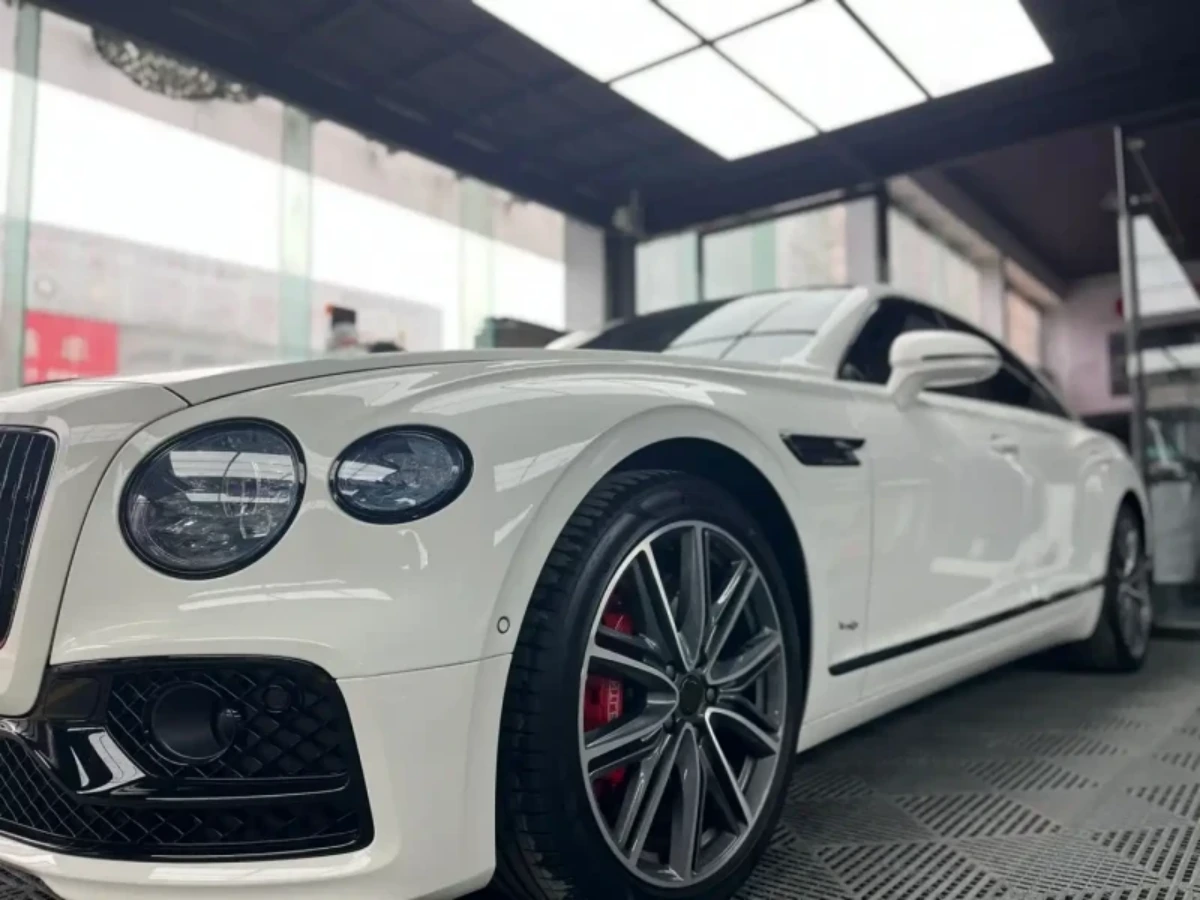
autoli TPU PPF Applied to all brand car models as Honda、AstonMartin、ford、Rolls-Royce、byd.Our factory cooperates with PPF agent、ppf installation、Auto Detailing Shop and all so in many countries and regions around the world,like SriLanka,Iceland,Czech Republic,Greece,Warranty: 10 years.Our advantages:Unlock Business Growth with Our Factory’s PPF;Raw material purchasing advantage;SGS, ASTM, REACH, UL and other certifications;Our customers are all over the world;Efficient production reduces costs.Our factory also provides Car Wrap Vinyl、PET FILM.