

PPF’s protection during off-roading shields paint from mud, rocks, and debris encountered on rough terrain.,Transparent, no color distortion on paint.,Premium PPF from Factory: Quality Assured.
Say Goodbye to Car Scratches: Self-Healing PPF Revealed!:
- Self-healing PPF works with ceramic topcoats, combining water repellency with scratch repair for enhanced protection.
- Morning scratches from your commute can vanish by afternoon sunlight, keeping your car looking pristine throughout the day.
- Winter scratches from road salt or sand heal once temperatures rise, preventing permanent damage in cold climates.
- Unlike rigid PVC films that crack, TPU-based self-healing PPF maintains flexibility to absorb impacts and repair the resulting damage.
- Self-healing properties remain effective across the entire film, from large panels like hoods to detailed areas like door handles and mirrors.
- Healing activates at temperatures as low as 30°C (86°F), making it effective in moderate climates without extreme heat.
The long-term monitoring and maintenance system after the installation of PPF:
- Annual Professional Inspections – Certified technicians using specialized tools to check adhesive bonding and topcoat integrity.
- Seasonal Salt Rinse Schedules – Weekly undercarriage and lower panel rinses in winter to remove road salt that degrades adhesives.
- Interior PPF Maintenance – Cleaning dashboard/console films with mild soap and microfiber to prevent UV fading and指纹 buildup.
- Daily Dust Removal – Using a static-free microfiber duster to remove surface dust, preventing scratches during wiping.
- pH Testing of Cleaning Products – Verifying cleaners have pH 6–8 with test strips to avoid chemical damage to PPF.
- Hard Water Spot Prevention – Using deionized water for final rinses or applying water spot removers weekly in hard-water areas.
- Humidity-Controlled Storage – Covering vehicles with breathable covers in humid climates to reduce mold risk under PPF.
- Humidity-Triggered Cleaning Adjustments – Increasing cleaning frequency by 50% in ≥70% humidity to prevent mold under PPF.
- Post-Application Cure Period Compliance – Following 30-day no-wash guidelines after installation to ensure full adhesive bonding.
The extension of PPF’s functions:
- Before: Side vent louvers with paint chipping on edges; After: PPF covers louver edges, hiding chips and preventing debris from catching and causing more damage.
- Before: Engine bay plastic components faded from heat; After: Heat-resistant PPF covers plastics, restoring color and blocking engine heat damage.
- Before: Wheel balance weights with rust staining around them; After: PPF covers weight areas, hiding stains and preventing rust from spreading under paint.
- Before: Rear bumper reflectors with scratched lenses; After: Clear PPF covers reflectors, hiding scratches and maintaining visibility for safety.
- Before: Side mirror turn signal lenses with scratches; After: Clear PPF covers lenses, hiding scratches and maintaining visibility of turn signals.
- Before: Windshield trim with peeling paint and cracks; After: PPF wraps trim edges, hiding peeling and preventing water intrusion that causes further damage.
- Before: Roof with bird dropping etchings and tree sap stains; After: PPF’s chemical-resistant topcoat hides stains and prevents new etching, creating a uniform surface.
- Before: Roof antenna with cracked paint from weathering; After: PPF’s flexible layer covers cracks and protects against rain/snow intrusion.
- Before: Door edge guards with peeling rubber and exposed paint; After: PPF wraps edges, covering exposed areas and preventing further guard deterioration.
The market trends and industry changes of PPF:
- Aftermarket Warranty Innovations – Lifetime warranties on select PPF products (e.g., Aegis Eternal 400) are becoming standard, reflecting manufacturer confidence in material durability and performance.
- Automotive Designer Collaborations – PPF brands work with OEM designers to create pre-cut patterns for concept cars, ensuring seamless protection on unique contours.
- Rapid Growth of High-End PPF Market – The high-end PPF market is projected to reach $4.2 billion by 2033 at an 8% CAGR, driven by luxury vehicle ownership and demand for advanced protection features like self-healing technology.
- Commercial Fleet Adoption – Delivery giants like Amazon and JD.com are equipping 70% of new vans with PPF, reducing fleet repaint costs by $300 per vehicle annually.
- Nano-Edge Sealing – Nanoscale adhesives in edge layers prevent water ingress, reducing edge lifting by 75% compared to traditional sealing methods.
- Rise of Professional Detailing Chains – Organized car care franchises in India and Thailand are offering PPF as a core service, bundling it with ceramic coatings and detailing packages to attract premium customers.
- Personalization Trends in Aesthetics – Demand for matte finishes, colored PPF, and custom textures is surging, with TPU-based films offering UV-resistant, self-healing properties to meet consumer preferences for vehicle customization.
- Consumer Education and Awareness – Social media campaigns and in-store demos are educating buyers on PPF benefits, with 72% of new luxury car owners now considering PPF as a must-have accessory.
- Sustainability-Driven Material Shifts – The EU’s Packaging and Packaging Waste Regulation (PPWR) mandates recyclable materials by 2030, prompting PPF manufacturers to adopt bio-based TPU and recycled polypropylene (PP) to reduce environmental impact.
- Circular Economy Initiatives – Closed-loop recycling programs for end-of-life PPF are being piloted, with companies like MBA Polymers achieving 80% carbon reduction in recycled PP production.
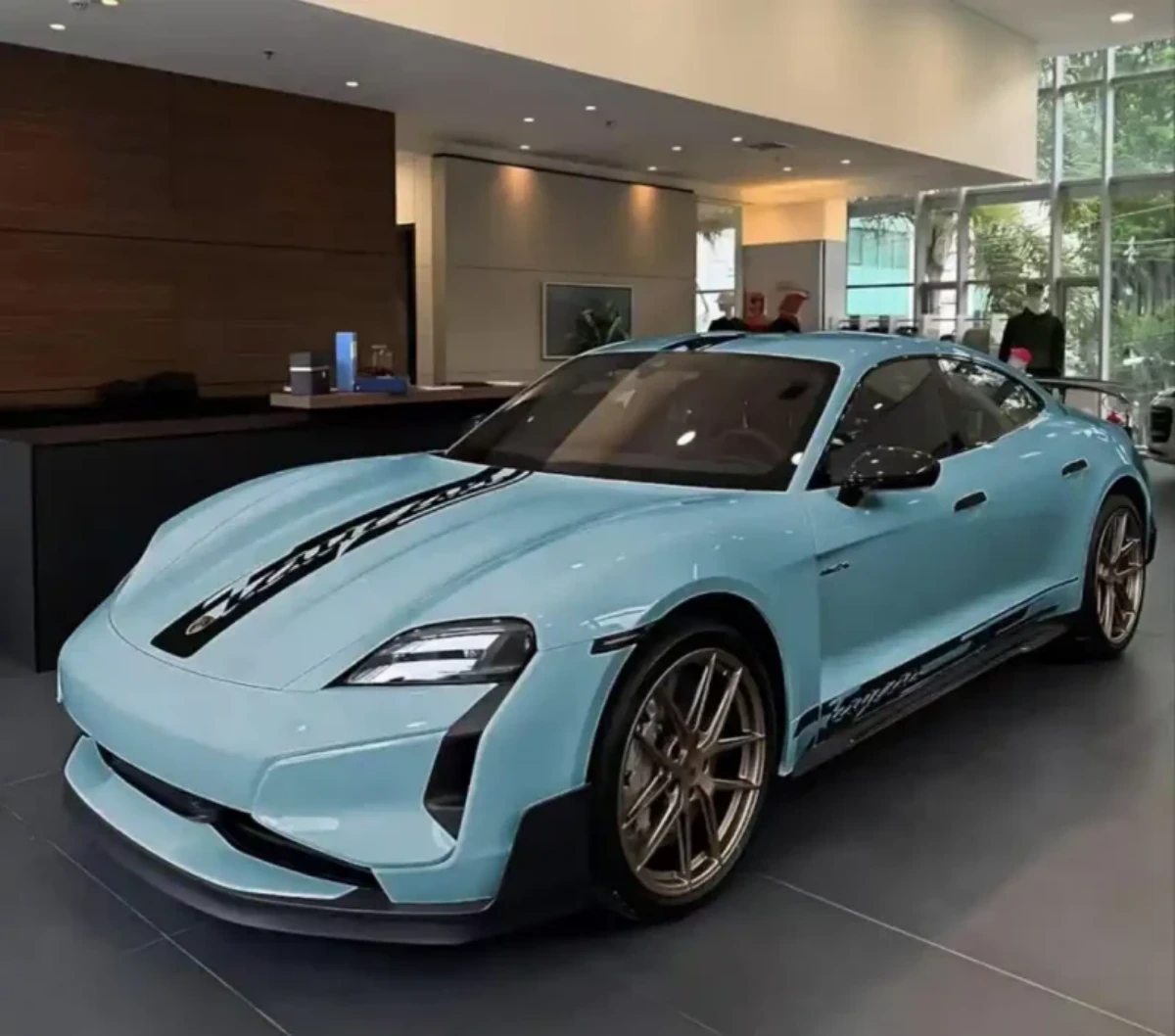
How TPU Redefines PPF:
- Low Thermal Expansion – TPU’s stable dimensions redefined PPF from warping-prone films to temperature-stable protectors avoiding edge lifting in heat.
- Disaster Resilience – TPU’s tear resistance redefined PPF from storm-vulnerable covers to hurricane and flood-resistant protectors for emergency vehicles.
- Solar Reflection – TPU’s heat-reflective topcoats redefined PPF from heat-absorbing covers to cooling solutions reducing interior temperatures by 5–8°C.
- Installation Ease – TPU’s air-release adhesives and repositionable properties redefined PPF installation from labor-intensive to DIY-friendly with minimal bubbles.
- Bio-Based Options – Plant-derived TPU redefined PPF from petroleum-reliant products to sustainable alternatives with 50% renewable content.
- Recycled Content Integration – TPU blends with 30% recycled material redefined PPF from virgin-only products to circular economy solutions.
- Light Transmission – High-clarity TPU redefined PPF from headlight-dimming films to optical-grade protectors preserving 98% light output for visibility.
- Fire Resistance – Flame-retardant TPU formulations redefined PPF from standard protectors to safety-enhancing films for high-risk environments.
- Brand Consistency – TPU’s uniform quality redefined PPF from variable products to consistent solutions with predictable performance across batches.
The production supply chain and quality control system of PPF:
- Lean Manufacturing Practices – 5S and waste reduction initiatives improving consistency and reducing defects.
- Impact Resistance Validation – Dart impact tests (160g at 3m) ensuring films resist punctures under standard conditions.
- Raw Material Sourcing – TPU resin procurement from certified suppliers (e.g., Lubrizol, BASF) with ISO 9001 certification for consistent polymer quality.
- Machine Vision Inspection – High-resolution cameras detecting micro-defects (≥20μm) in TPU films during production.
- UV Resistance Testing – Accelerated weathering (QUV testing) for 1,000 hours to validate anti-yellowing performance.
The construction and maintenance of PPF:
- Hand-Drying Post-Wash – Patting dry with microfiber towels instead of air-drying minimizes water spot formation.
- Post-Heat Curing – A final pass with a heat gun (80–100°C) on edges accelerates adhesive curing for immediate durability.
- Vinegar Solution for Water Spots – A mild vinegar rinse dissolves mineral deposits on PPF without harming the topcoat.
- Non-Acidic Wheel Cleaner Use – Acid-free wheel cleaners prevent overspray damage to adjacent PPF panels.
- Adhesive Priming – Using tack promoters on low-energy surfaces (e.g., plastic trim) enhances adhesion in challenging areas.
- pH-Neutral Cleaning – Using pH 6–8 car wash soap avoids damaging the PPF’s protective topcoat or weakening adhesives.
- Tri-Stage Surface Cleaning – Washing, clay barring, and alcohol wipe-downs ensure 99% contaminant removal before PPF application.
- Minor Bubble Repair – Using a heat gun and squeegee to reactivate adhesives and push out small bubbles post-installation.
- Temperature Adaptation – Adjusting installation speed in cold climates (below 15°C) to allow adhesives proper activation time.
- Tree Sap Removal – Using isopropyl alcohol on a microfiber cloth dissolves sap without harming PPF or paint.
The materials and technologies of PPF:
- Multi-layer optical coating: Combines anti-reflective and color-enhancing layers to boost paint color saturation by 5-8% while maintaining high light transmittance.
- Marine-grade corrosion resistance: Passes 5,000-hour salt spray testing (ASTM B117), protecting vehicles in coastal and winter road salt environments.
- AI-driven precision cutting: Employs machine learning algorithms to analyze vehicle surfaces and generate custom-fit patterns with 0.1mm accuracy, minimizing material waste.
- Anti-yellowing technology: Antioxidants and UV absorbers are added to inhibit oxidation and yellowing under long-term exposure to light, extending the appearance stability of the protective film.
- Water resistance stability technology: By adding water resistance agents to the TPU base material, it inhibits the breakage of molecular chains in humid environments, extending the service life of the film material in high-humidity areas.
- The core substrate is thermoplastic polyurethane (TPU): It is highly flexible and impact-resistant, serving as the fundamental material for PPF to provide protection and self-repair capabilities, outperforming traditional PVC.
- Closed-loop recycling system: Integrates physical recycling processes for TPU waste, achieving 95% material recovery rate while maintaining mechanical properties.
- Thickness gradient optimization design: The thickness is differentiated according to the protection requirements of different vehicle parts (e.g., thicker for the hood to resist impact and thinner for the sides for easier adhesion), balancing protection and workability.
The protective performance of PPF:
- Longevity – Offers long-term protection, with warranties ranging from 5 to 10 years depending on the product.
- Impact Protection – Guards against damage caused by high-speed debris, collisions, and road hazards.
- Motorcycle-Specific Abrasion Resistance – Durable films for motorcycles protect against chain slap, road debris, and frequent washings without yellowing.
- Harsh Chemical Resistance – Stands up to brake fluid, carb cleaner, and road salts without staining or damage.
- **Dust and Dirt Repellency** – PPF has a smooth surface that reduces the adhesion of dust and dirt, keeping the vehicle cleaner for longer periods between washes.
- Insect Residue Resistance – Repels and prevents staining from insect debris, such as bug splatters.
- **Resistance to Insect Acid** – The acidic substances in insect remains can damage paint. PPF resists the etching effect of insect acid, keeping the paint in good condition.
AUTOLI(CN) PPF(Paint Protection Film) factory
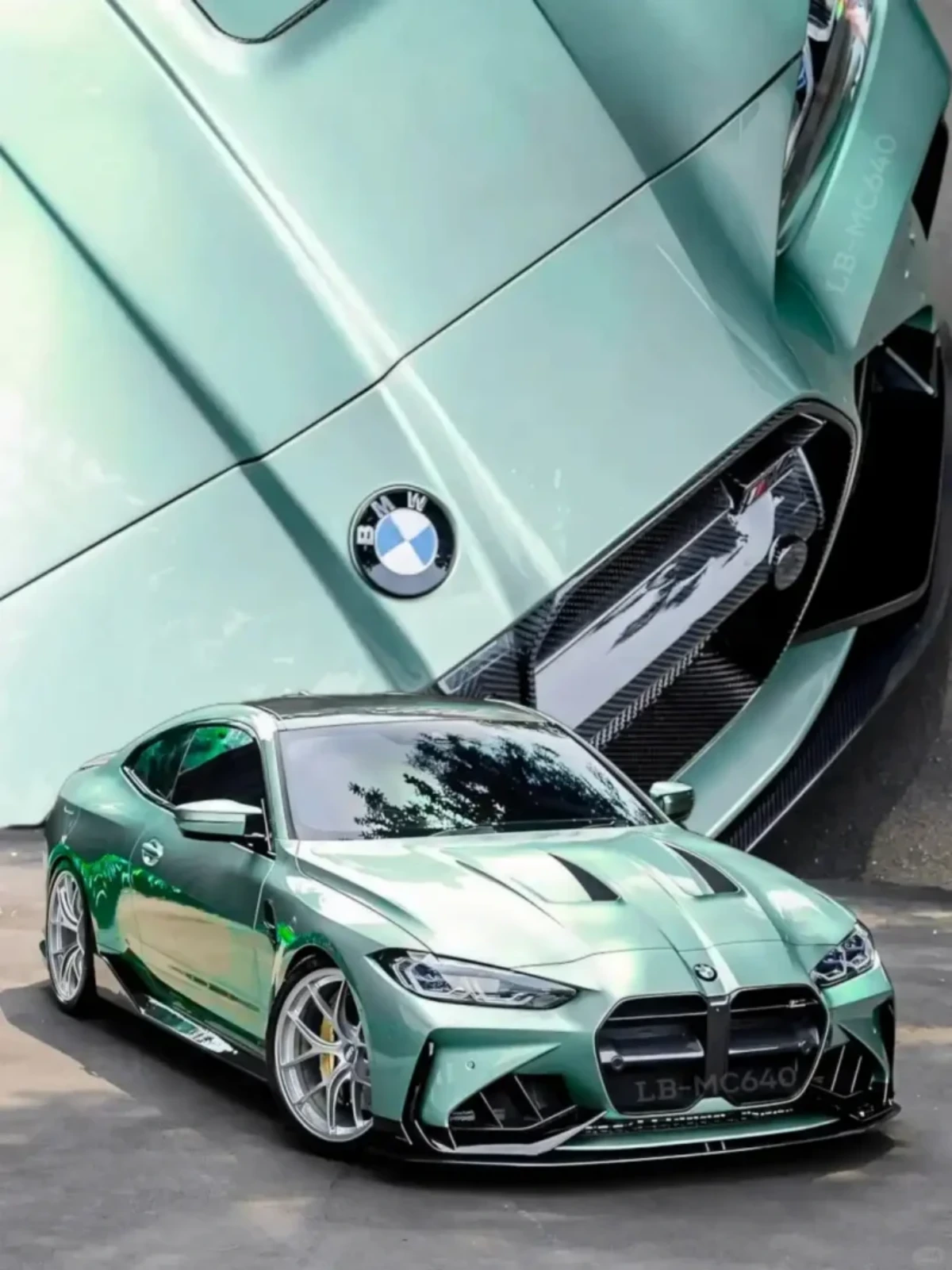
autoli TPU PPF Applied to all brand car models as Porsche、Volkswagen、Audi、Lincoln.Our factory cooperates with PPF distributor、Car Customization Shop、car Detail and all so in many countries and regions around the world,like Maldives,Spain,Malta,Italy,Czech Republic,Ireland,Warranty: 10 years.Our advantages:Your Key to Profitable PPF Ventures;SGS, ASTM, REACH, UL and other certifications;Raw material purchasing advantage;Perfect after-sales service;Efficient production reduces costs.Our factory also provides Window tint、PET FILM、vinyl car wrapping.