

PPF’s transparency doesn’t affect paint color perception, critical for color-matching in case of partial repaints.,Shields off-road vehicles from mud/debris.,Our Factory: Your One – Stop for High – Quality PPF.
The cost structure and price composition of PPF:
- Bio-Based TPU Premium – Plant-derived TPU increases raw material costs by 15–20% but supports premium pricing.
- Retailer Markup Structure – Wholesalers add 20–30%, retailers add 50–70% to cover overhead and profit.
- Military/First Responder Discounts – 10–15% price reductions, offset by tax benefits for businesses.
- Recycled Material Savings – 30% recycled TPU blends reduce raw material costs by 8–12% without significant quality loss.
- Energy-Efficient Production Savings – Solar-powered factories reduce energy costs by 20–30%, lowering unit prices marginally.
- Anti-Counterfeit Measures – Holographic labels and QR codes add $0.05–$0.10 per square foot to prevent piracy.
- Referral Program Incentives – $50–$100 discounts for referrals reduce net prices by 3–5% but lower acquisition costs.
- Topcoat Quality Impact – Ceramic-infused topcoats add $0.50–$1.00 per square foot but enable 10–15% price premiums.
- Small-Batch Premium – Custom colors or finishes cost 30–50% more due to low-volume production inefficiencies.
- Waste Allowance – 5–10% material waste factored into pricing, higher for complex vehicle shapes.
The environmental protection and sustainability of PPF:
- Compostable Instruction Guides – Manuals printed on seed paper grow into plants, eliminating paper waste from disposal.
- Bulk Roll Distribution – Supplying large rolls to installers reduces packaging waste by 70% compared to pre-cut kit packaging.
- Biodegradable Edge Trims – Paper-based edge trims on PPF rolls decompose naturally, avoiding plastic trim waste.
- Algae-Based TPU Blends – Experimental films use algae-derived polymers, reducing land use compared to plant-based alternatives.
- Low-VOC Coatings – Topcoats with <50g/L VOCs meet strict EU limits, minimizing air pollution during curing and extending environmental compliance.
- Carbon Footprint Labeling – Clear labels show kg CO?e per roll, helping consumers prioritize low-impact products.
- LEED-Certified Factories – Manufacturing plants with LEED Platinum certification minimize energy, water, and waste impacts.
- Waterless Cleaning Compatibility – PPF works with waterless wash sprays, saving 100 gallons per cleaning session versus traditional washing.
- Recyclable Cardboard Cores – PPF rolls use recycled cardboard cores instead of plastic, with 90% recyclability post-use.
The production supply chain and quality control system of PPF:
- Carbon Footprint Tracking – Lifecycle analysis of supply chain emissions, with reduction targets for transportation and production.
- Material Innovation Collaboration – Joint R&D with suppliers for next-gen TPU formulations (e.g., bio-based, high-heat resistant).
- Material Traceability Systems – Blockchain-enabled tracking of TPU batches from resin production to finished PPF rolls.
- Raw Material Sourcing – TPU resin procurement from certified suppliers (e.g., Lubrizol, BASF) with ISO 9001 certification for consistent polymer quality.
- Statistical Process Control (SPC) – Real-time monitoring of extrusion parameters with control charts to maintain CpK ≥ 1.33.
- Defect Classification System – Categorization of flaws (pinholes, bubbles, streaks) by severity to guide corrective actions.
- Reverse Logistics – Systems for returning defective rolls, with sorting centers identifying repairable vs. recyclable materials.
- High-Temperature Stability – Oven testing at 80°C for 1,000 hours to check for adhesive failure or discoloration.
- Failure Mode and Effects Analysis (FMEA) – Proactive risk assessment of production processes to prevent failures.
The cutting-edge technology research and development of PPF:
- Bio-Based Adhesives – Plant-derived lignin and starch-based adhesives replace petroleum-based alternatives, achieving 100% biodegradability.
- Nano-Bubble Enhanced Hydrophobicity – Microplasma-treated surfaces trap air nanobubbles, creating a Cassie-Baxter state for extreme water repellency.
- Ultra-Thin Nanocoatings – 6-micron films with nanocrystalline structures match 10-micron PPF impact resistance while reducing material usage by 40%.
- Photocatalytic Self-Cleaning – Titanium dioxide (TiO?) coatings decompose organic contaminants under UV light, reducing manual cleaning needs by 80%.
- Multilayer Barrier Films – Nanolaminate structures with alternating TPU and ceramic layers resist chemical corrosion from road salt and bird droppings.
- Bio-Based UV Stabilizers – Plant-derived flavonoids and carotenoids replace synthetic HALS, maintaining UV resistance for 10 years.
The product classification and selection logic of PPF:
- Saltwater Exposure Protection – Choosing marine-grade PPF for coastal vehicles to resist salt-induced corrosion.
- Warranty Needs Assessment – Selecting extended warranties (10 years) for high-value vehicles to protect resale value.
- Pattern Complexity Matching – Opting for laser-cut PPF for vehicles with intricate contours (sports cars, classics).
- Regulatory Compliance – Selecting PFAS-free PPF for markets with restrictions on fluorinated chemicals.
- Aesthetic Priority Selection – Matching finish type (matte/gloss) to vehicle paint to preserve original appearance.
- Micro-Scratch Prevention – Choosing self-healing PPF for owners prioritizing a swirl-free finish between details.
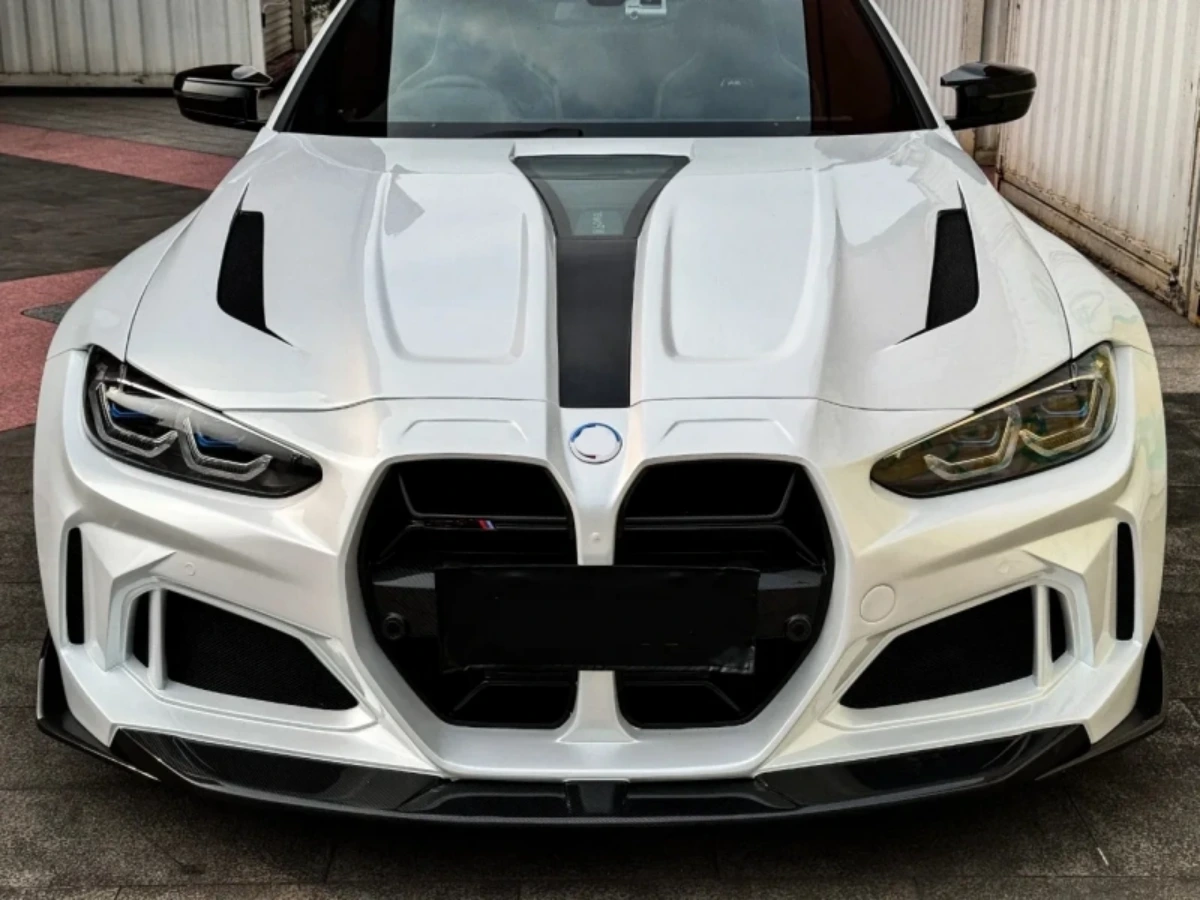
The construction and maintenance of PPF:
- Vinegar Solution for Water Spots – A mild vinegar rinse dissolves mineral deposits on PPF without harming the topcoat.
- Slow Installation in Hot Climates – Working at a reduced pace in ≥30°C conditions prevents adhesives from setting prematurely.
- High-Temperature Tolerance Care – Parking in shaded areas during extreme heat (≥35°C) reduces topcoat oxidation risk.
- PPF-Safe Adhesive Removers – Specialized solvents clean up installation mistakes without damaging the underlying paint.
- Wet Application Method – Spraying a soapy water solution between the film and surface allows repositioning before final adhesion.
- Monthly Topcoat Dullness Checks – Inspecting for reduced gloss indicates when a sealant boost is needed to restore hydrophobicity.
- Post-Cut Edge Deburring – Trimming excess film with a fresh blade removes sharp edges that could catch dirt or lift over time.
Say Goodbye to Car Scratches: Self-Healing PPF Revealed!:
- Hard-to-reach areas like wheel arches and bumper edges receive the same healing benefits, ensuring uniform appearance across your vehicle.
- Fleet managers report higher driver satisfaction, as self-healing PPF keeps vehicles presentable with minimal effort.
- Pet transport vehicles get cargo area scratch repair, where animal movement can cause minor damage.
- Golf club or sports equipment scratches heal, keeping recreational vehicles looking their best for outings.
- Self-healing technology turns frustrating daily scratches into temporary nuisances, keeping your car looking factory-fresh for years.
The market trends and industry changes of PPF:
- Aftermarket Warranty Innovations – Lifetime warranties on select PPF products (e.g., Aegis Eternal 400) are becoming standard, reflecting manufacturer confidence in material durability and performance.
- Anti-Microbial PPF Growth – Post-pandemic, 15% of interior PPF includes silver-ion coatings, inhibiting 99% of bacteria on high-touch surfaces like door handles.
- Blockchain Warranty Verification – Brands like 3M use blockchain to secure digital warranties, preventing fraud and simplifying transfers between vehicle owners.
- Aerospace PPF Expansion – Lightweight PPF is being tested on aircraft exteriors, protecting against bird strikes and UV degradation in high-altitude environments.
- Supply Chain Localization – Regional production hubs in Asia-Pacific are emerging to reduce reliance on Western suppliers, with China and India scaling TPU film manufacturing to meet domestic demand.
- Heat-Activated Self-Healing Advancements – Next-gen TPU films activate self-healing at lower temperatures (45°C), repairing 98% of micro-scratches within 8 minutes, enhancing consumer appeal.
- Detailing Chain Partnerships – PPF brands are collaborating with chains like Detail Garage, offering co-branded training and product bundles to expand reach.
- Rise of Mobile Installation Services – On-demand PPF installation units equipped with portable dust-free booths are gaining traction, targeting busy urban consumers who prefer doorstep service.
- Automation in Production Processes – Laser cutting technologies (e.g., GCC RX II) with 600g cutting force enable precise, waste-reducing PPF customization, improving material utilization efficiency to 94%.
AUTOLI(CN) PPF(Paint Protection Film) factory
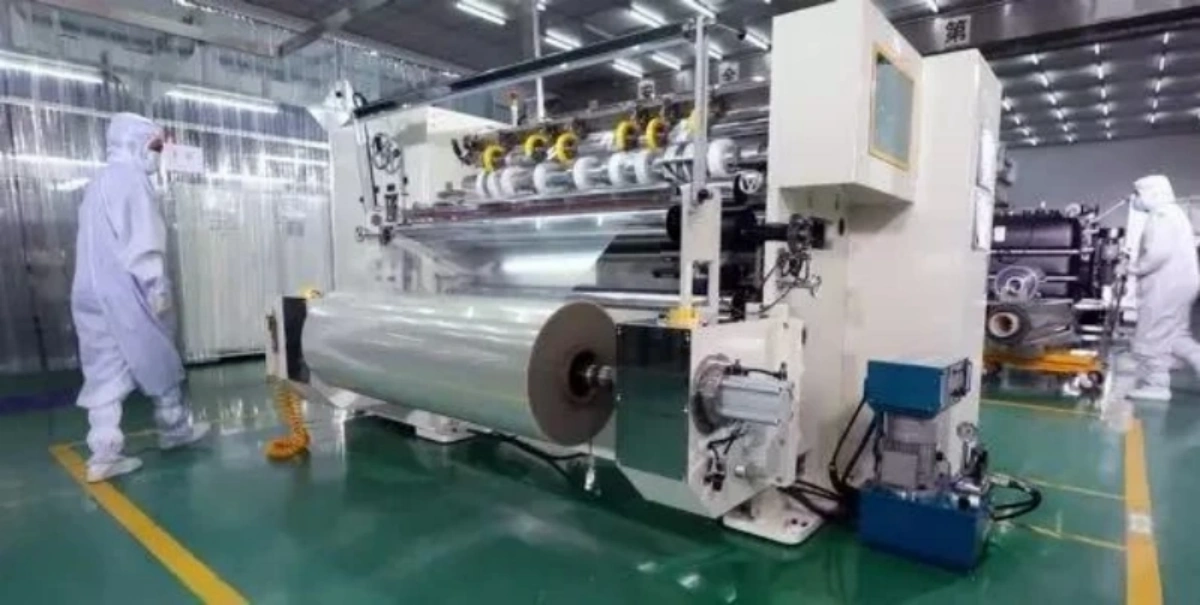
autoli TPU PPF Applied to all brand car models as Bugatti、Tesla、Honda、jeep、binli、Lamborghini.Our factory cooperates with Car Customization Shop、PPF agent、PPF distributor、PPF trading and all so in many countries and regions around the world,like Czech Republic,Cameroon,Thailand,India,Warranty: 10 years.Our advantages:Collaborate for Lucrative Returns: Source factory;Strict quality control system;Short production cycle, quick delivery;Raw material purchasing advantage;SGS, ASTM, REACH, UL and other certifications.Our factory also provides carwraps、vinyl car wrapping、Car Wraps、vinyl Wraps.