

PPF’s hydrophobicity makes rainwater bead and roll off, reducing water spots that require frequent detailing.,Anti-static for dust-free application.,Cooperate for Gain: Diverse – Colored PPF, Speedy Turnaround, Certified Quality.
Say Goodbye to Car Scratches: Self-Healing PPF Revealed!:
- Rain or humidity won’t hinder the healing process—self-healing PPF remains effective regardless of weather conditions.
- TPU’s molecular structure “remembers” its original form, reforming even after repeated minor damage over time.
- Self-healing PPF’s topcoat is engineered to withstand repeated healing cycles without thinning or losing its protective capabilities.
- Family cars stay presentable as scratches from children’s toys or pet claws heal quickly, even with daily use.
- Unlike conventional paint protection, self-healing PPF doesn’t just hide scratches—it actively restores the film’s integrity through molecular reformation.
- Self-healing PPF outperforms “scratch-resistant” claims by actively reversing damage rather than just delaying visible wear.
- Self-healing PPF preserves custom paint jobs, repairing scratches without altering unique colors or textures.
- Self-healing properties remain effective across the entire film, from large panels like hoods to detailed areas like door handles and mirrors.
- Sunlight, engine heat, or even a hair dryer triggers the healing process, with most minor scratches vanishing within 24 hours of temperature exposure.
The environmental protection and sustainability of PPF:
- Waterless Cleaning Compatibility – PPF works with waterless wash sprays, saving 100 gallons per cleaning session versus traditional washing.
- Biodegradable Options – Compostable PPF variants decompose within 3–5 years under industrial composting, ideal for temporary applications like rental fleets.
- Green Manufacturing Certifications – ISO 14001-certified facilities ensure PPF production follows environmentally responsible management systems.
- 50% Less Water for Washing – Hydrophobic properties reduce car wash frequency, saving 200 gallons of water per vehicle annually.
- Solar-Powered Warehousing – Solar panels on distribution centers meet 60% of energy needs, reducing reliance on fossil fuels.
- Low-Offgassing Adhesives – Adhesives emitting <0.1mg/m3 of VOCs meet indoor air quality standards, reducing health risks during installation.
- LEED-Certified Factories – Manufacturing plants with LEED Platinum certification minimize energy, water, and waste impacts.
- Algae-Based TPU Blends – Experimental films use algae-derived polymers, reducing land use compared to plant-based alternatives.
- Water-Based Cleaning Solutions – Recommended PPF cleaners use 80% less harsh chemicals, reducing aquatic toxicity from wash runoff.
The regulations of PPF and after-sales services:
- Anti-Yellowing Guarantees – Brands like Aegis Eternal 400 offer 15-year warranties against yellowing, using HALS stabilizers to maintain optical clarity over extended periods .
- Certified Installer Networks – Brands like Eastman (DragonFilm) enforce tiered certification programs (e.g., 1-star to 7-star) to ensure standardized installation practices and warranty validity .
- Customer Support Hotlines – Brands like NAR PPF provide dedicated hotlines (4008 8181 07) for warranty claims, requiring vehicle details and installation records for processing .
- Australia’s UV Protection Standards – PPFs sold in Australia/NZ must comply with AS/NZS 4399 for UV protection, requiring UPF ratings ≥15 and transparency in labeling .
- Lifetime Warranty Programs – Premium PPF brands like 3M offer 7-year warranties on Pro Series films, covering defects like delamination and yellowing, while excluding wear and tear or improper installation .
- EU REACH Compliance – PPF manufacturers must adhere to EU REACH regulations, ensuring all chemicals used in production meet strict safety and environmental standards, particularly for PFAS substances like C9-C14 PFCAs, which are restricted to ≤25 ppb in materials .
The user scenarios and value validation of PPF:
- Luxury Yacht Tenders – Guards small boat hulls from dock collisions, with marine-grade PPF reducing gel coat repairs by 60% in saltwater environments.
- Car Show Competitors – Enhances gloss on show cars like Ferrari 488s, with judges noting 30% higher “paint finish” scores for PPF-protected entries.
- Wine Tour Vehicles – Protects luxury SUVs from grape juice spills and gravel roads, ensuring client-facing vehicles stay presentable year-round.
- EV Owners – Protects Tesla and Rivian battery hoods from stone chips, maintaining thermal efficiency and avoiding warranty-related paint damage claims.
- Industrial Vehicle Operators – Shields construction truck cabs from gravel and debris, extending time between repaints from 18 to 36 months.
- Industrial Vehicle Operators – Shields construction truck cabs from gravel and debris, extending time between repaints from 18 to 36 months.
The extension of PPF’s functions:
- Before: Rear window defroster lines with faded paint around them; After: PPF covers the area, hiding discoloration and protecting against ice scraper damage.
- Before: Quarter panels with water spots and mineral deposits; After: Hydrophobic PPF repels water, hiding existing spots and preventing new buildup.
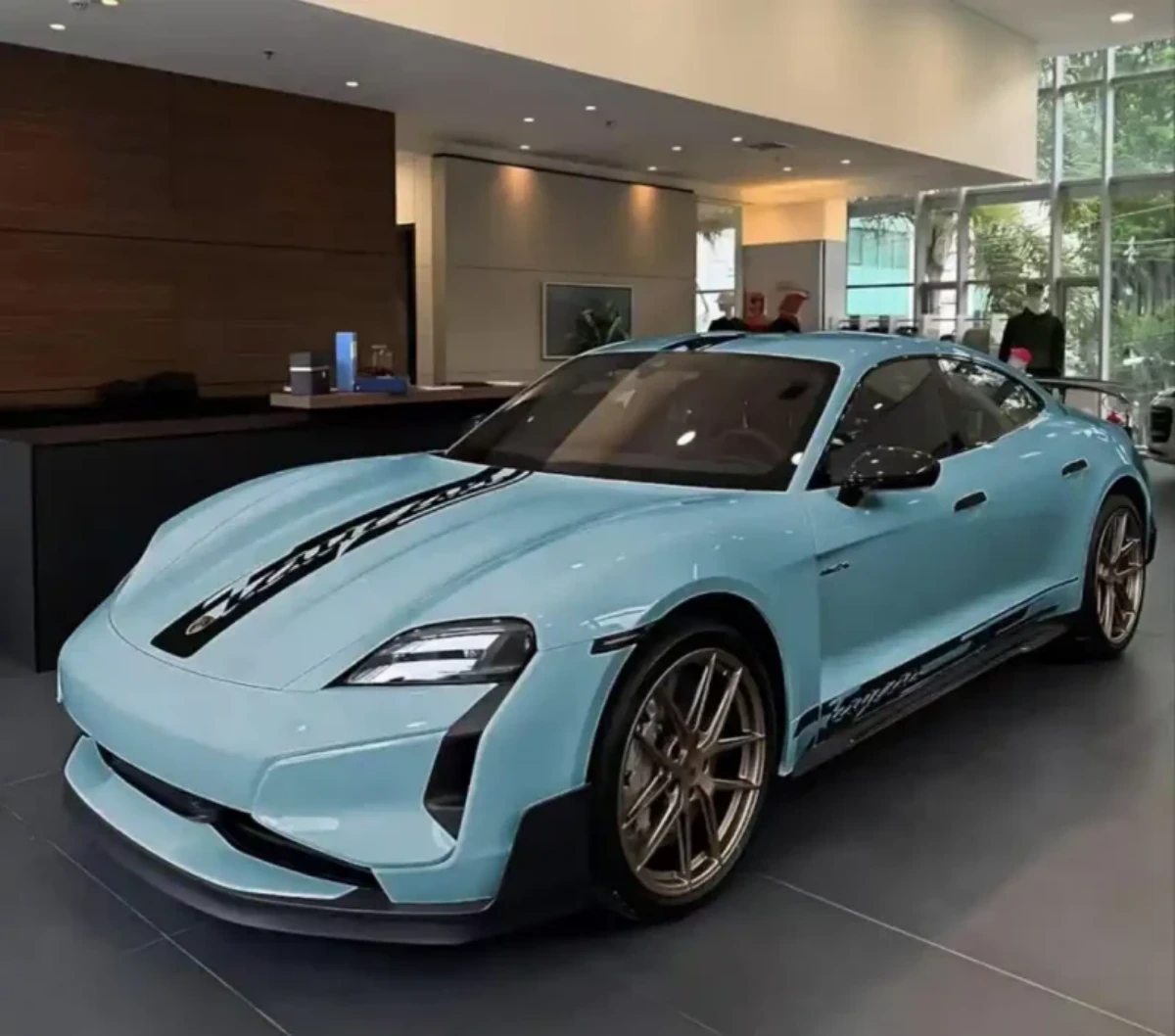
- Before: Faded red paint with uneven color from UV exposure; After: UV-blocking PPF revives depth and uniformity, making the color pop like fresh factory paint.
- Before: Hood prop rod mounting point with paint worn from contact; After: PPF covers mounting area, hiding wear and reducing friction damage from prop rod.
- Before: Front fenders with “spider web” cracks from age; After: PPF’s flexible layer covers fine cracks and reduces stress that causes further splitting.
- Before: Headlight washer nozzles with paint chipping around edges; After: PPF covers nozzle perimeters, hiding chips and preventing debris damage.
- Before: Rear bumper step pad with paint worn away; After: PPF adds protective layer, hiding bare spots and resisting future wear from stepping.
The user pain points of PPF and their solutions:
- High Installation Costs – Mitigated by tiered pricing (DIY kits vs. premium pro installs) and financing options for budget flexibility.
- Yellowing Over Time – Solved by anti-yellowing formulations with HALS stabilizers and UV absorbers, maintaining clarity for 10 years.
- Confusion About Maintenance Products – Solved by brand-specific cleaning kits and “approved products” lists to avoid topcoat damage.
- Bubbles After Installation – Prevented by air-release adhesive channels and certified installers using dust-free environments.
- Warranty Claim Denials – Prevented by transparent warranty terms, certified installer networks, and digital claim tracking.
The cutting-edge technology research and development of PPF:
- AI-Powered Defect Prediction – Machine learning models analyze extrusion parameters to predict and prevent defects before production starts.
- Nano-Structured Anti-Graffiti Coatings – Superhydrophobic and oleophobic surfaces repel spray paint, allowing easy removal with water rinsing.
- Self-Healing Antimicrobial Coatings – Silver-doped microcapsules in PPF combine scratch repair with long-term bacterial inhibition for medical devices.
- Nanocellulose Reinforcement – Cellulose nanofibers from wood pulp improve PPF toughness by 200% while maintaining biodegradability.
- Biodegradable Nanocomposites – Coconut husk-derived bioplastics and black phosphorus-reinforced PPF degrade in 3–5 years under industrial composting.
- Nano-Structured Anti-Graffiti Coatings – Superhydrophobic and oleophobic surfaces repel spray paint, allowing easy removal with water rinsing.
- Multifunctional Nanocomposites – Black phosphorus nanosheets in PPF bone cements combine osteogenic activity with photothermal tumor ablation.
- Smart Sensor Integration – MEMS-based pressure and temperature sensors embedded in PPF monitor impact forces and environmental conditions in real-time.
- Nano-Bubble Enhanced Hydrophobicity – Microplasma-treated surfaces trap air nanobubbles, creating a Cassie-Baxter state for extreme water repellency.
- AI-Optimized Recycling – Machine learning algorithms sort end-of-life PPF by material composition, improving recycling efficiency to 95%.
The horizontal comparison of PPF with other protection methods:
- PPF vs. Anti-Scratch Sprays – Sprays offer mild scratch resistance for 1–3 months, while PPF provides robust defense against deep scratches for 5 years.
- PPF vs. Teflon Coatings – Teflon coatings reduce friction but lack self-healing, unlike PPF which repairs micro-scratches and resists abrasion better in high-wear areas.
- PPF vs. Clear Enamel – Clear enamel is a permanent paint layer that cracks under impact, whereas PPF flexes to absorb collisions and can be replaced if damaged.
- PPF vs. Rubberized Undercoating – Undercoating protects metal from rust, while PPF defends painted surfaces from road debris, with non-overlapping application zones.
- PPF vs. Ceramic Coatings – PPF offers physical impact protection (resisting rocks/chips) while ceramic coatings focus on chemical resistance and hydrophobicity, with PPF lasting 5–10 years vs. 2–5 for ceramics.
- PPF vs. Clear Bra (Old-Generation) – Modern PPF offers self-healing and flexibility, outperforming rigid old-gen clear bras that crack in cold weather and lack repair abilities.
- PPF vs. UV-Blocking Window Tints – Tints reduce interior UV exposure, while PPF blocks exterior paint UV damage, with both addressing UV risks but on different surfaces.
- PPF vs. Polyurethane Sprays – Polyurethane sprays form a hard, brittle layer prone to chipping, while PPF’s flexible TPU base absorbs impacts without cracking.
The long-term monitoring and maintenance system after the installation of PPF:
- Avoid Silicone-Based Products – Steering clear of silicone sprays that leave glossy residues attracting dust to PPF surfaces.
- Annual Adhesion Testing – Performing tape pull tests on inconspicuous areas to verify adhesive strength remains within factory specifications.
- Cleaning Tool Sterilization – Washing squeegees and applicators with soap and water monthly to prevent bacterial growth.
- Professional Decontamination Annually – Scheduling iron removal, clay bar treatment, and tar cleanup by certified detailers.
- Humidity-Controlled Storage – Covering vehicles with breathable covers in humid climates to reduce mold risk under PPF.
- Contaminant Identification Guides – Referring to brand charts to distinguish between tar, sap, and paint overspray for proper removal.
- Multi-Layer Film Maintenance – Using gentler pressure on multi-layer PPF to avoid separating layers during cleaning.
The differentiated user group needs matching of PPF:
- Mobile Pet Grooming Vans – Select water-resistant PPF for exteriors, simplifying cleanup of pet hair, water, and grooming product splatters.
- Mobile Dental Clinics – Prefer easy-to-clean PPF for interior surfaces, maintaining hygiene standards between patient appointments.
- Classic Car Auction Transport – Use temporary protective PPF for transit, shielding vehicles from road debris during transport to auctions.
- Mobile Pet Adoption Vans – Use pet-friendly scratch-resistant PPF, withstanding claw marks and frequent door use during adoption events.
- Mobile Hair Salon Vans – Select chemical-resistant PPF to protect exteriors from hair dye and product spills, maintaining professional appearance.
- Truck Enthusiasts – Seek bedliner-compatible PPF for tailgates and bedside panels, resisting scratches from cargo loading/unloading.
- Performance Car Owners – Choose ceramic-infused PPF for enhanced hydrophobicity and heat dissipation, reducing brake dust adhesion on hoods and fenders.
- Wildlife Research Vehicles – Choose low-gloss PPF that reduces vehicle visibility to animals, while protecting paint from brush and mud in remote areas.
- Mobile Fitness Studios – Prefer sweat-resistant PPF for interior surfaces, withstanding frequent cleaning and equipment movement.
AUTOLI(CN) PPF(Paint Protection Film) oem manufacturer
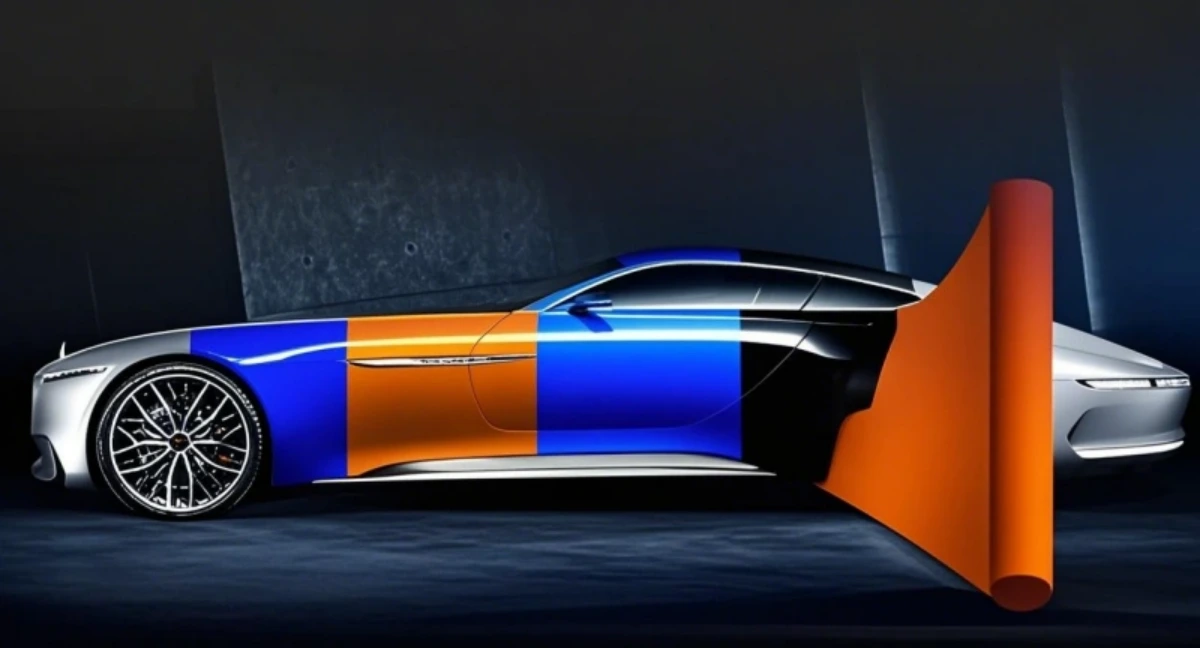
autoli TPU PPF Applied to all brand car models as Audi、AstonMartin、mini、Toyota.Our factory cooperates with Car Customization Shop、PPF agent、PPF brand、PPF wholesale、AutoZone and all so in many countries and regions around the world,like VietNam,Egypt,Costa Rica,Slovenia,Ireland,Warranty: 10 years.Our advantages:Perfect after-sales service;Short production cycle, quick delivery;Your Key to Profitable PPF Ventures;Collaborate for Lucrative Returns: Source factory;Our customers are all over the world.Our factory also provides carwraps、TPU PPF.