

PPF reduces need for frequent waxing/ sealing, as its protective layer maintains gloss without monthly upkeep rituals.,Transparent, no color distortion on paint.,Partner with Our Factory: PPF – Enabled Profit Expansion, Step – by – Step.
The regulations of PPF and after-sales services:
- EU Digital Product Passport – PPF manufacturers must disclose material composition and recycling details via the EU’s Digital Product Passport, enhancing supply chain transparency .
- Regional Warranty Variations – PPF warranties often differ by region; for example, monsoon-prone areas may offer extended coverage for water ingress issues .
- California CARB VOC Limits – PPF adhesives sold in California must comply with CARB’s strict VOC regulations, reducing harmful emissions during installation to align with regional air quality standards .
- China’s Consumer Complaint Channels – PPF buyers in China can file quality-related disputes through the national 12315 hotline, facilitating regulatory oversight and resolution .
- EU REACH Compliance – PPF manufacturers must adhere to EU REACH regulations, ensuring all chemicals used in production meet strict safety and environmental standards, particularly for PFAS substances like C9-C14 PFCAs, which are restricted to ≤25 ppb in materials .
- Regulatory Updates for EVs – EV-specific PPFs must comply with OEM heat resistance standards (e.g., 120°C for battery zones) to avoid delamination .
- Recall Protocols for Defects – In cases of material defects (e.g., delamination), manufacturers like PurePPF coordinate nationwide recalls and replacements via authorized installers .
- DIY Installation Void Policies – Most warranties, including PurePPF and 3M, void coverage for self-installed films, emphasizing the need for certified professional application .
- Solvent-Free Adhesive Requirements – EU REACH and California CARB regulations push PPF producers to adopt solvent-free adhesives, reducing carbon footprints by up to 80% .
- Warranty Transferability – Transferred vehicle ownership often requires warranty re-registration, with brands like 3M requiring updated documentation to maintain coverage .
The cutting-edge technology research and development of PPF:
- Bio-Based Crosslinkers – Plant-derived citric acid and tannic acid replace toxic crosslinkers, achieving 100% biodegradability.
- AI-Powered Defect Prediction – Machine learning models analyze extrusion parameters to predict and prevent defects before production starts.
- AI-Powered Predictive Maintenance – Machine learning models analyze sensor data to predict PPF degradation, scheduling replacements before failure.
- Dynamic Mechanical Response Coatings – Shape memory polyurethanes with programmable stress-strain curves adapt to impact forces in automotive collisions.
- Multifunctional Nanocomposites – Black phosphorus nanosheets in PPF bone cements combine osteogenic activity with photothermal tumor ablation.
- Multifunctional Smart Films – Integrated humidity sensors and pH indicators in PPF provide real-time environmental monitoring for agricultural applications.
- Photocatalytic Self-Cleaning – Titanium dioxide (TiO?) coatings decompose organic contaminants under UV light, reducing manual cleaning needs by 80%.
- Self-Healing Antimicrobial Films – Silver-ion-doped microcapsules combine scratch repair with 99.9% bacterial reduction for medical device applications.
The long-term monitoring and maintenance system after the installation of PPF:
- Summer Heat Protection – Parking in shade or using car covers with UV protection to reduce topcoat oxidation in 35°C weather.
- Cross-Seasonal Adjustments – Increasing cleaning frequency by 50% in rainy seasons; reducing in dry, dusty climates to minimize friction.
- Daily Dust Removal – Using a static-free microfiber duster to remove surface dust, preventing scratches during wiping.
- Microfiber Cloth Protocol – Using lint-free, 300 GSM cloths for drying to avoid micro-scratches from debris in cheaper fabrics.
- Bug Splatter Removal Steps – Soaking splatters with bug remover spray for 2 minutes before gently wiping to prevent staining.
- Annual Adhesion Testing – Performing tape pull tests on inconspicuous areas to verify adhesive strength remains within factory specifications.
- Interior PPF UV Protection – Using window tints with 99% UV blockage to reduce dashboard film fading in sunny climates.
The product classification and selection logic of PPF:
- Debris Type Evaluation – Selecting sand-resistant PPF for desert regions vs. gravel-resistant variants for rural areas.
- Installation Method Groups – Divided into DIY pre-cut kits, professional bulk rolls, and hybrid options balancing ease and precision.
- Cleaning Compatibility Logic – Choosing PPF compatible with automated car washes for owners using convenience services.
- Lightweight Design Priority – Opting for thin yet strong PPF for electric vehicles to maximize range efficiency.
- Finish Sensitivity Matching – Using matte-specific PPF to prevent gloss distortion on specialty paint jobs.
Why TPU PPF:
- Low Visual Weight – Slim profiles create an open, airy feel while providing structural support.
- Marine-Grade Options – 6061-T6 aluminum alloys resist saltwater corrosion for coastal properties.
- Privacy Screen Integration – Compatible with aluminum or fabric privacy panels for seclusion.
- Structural Certification – Meets International Building Code (IBC) standards for safety.
- Smart Home Integration – Compatible with motorized louvers controlled via app or voice commands.
- Energy Efficiency – Shaded areas reduce air conditioning loads for adjacent buildings by 15%.
- Infill Compatibility – Works with glass, polycarbonate, or fabric panels for partial or full enclosure.
- Height Adjustability – Leg extensions allow 2.4m–3.0m height customization for clearance needs.
- Non-Toxic Materials – Free from formaldehyde, arsenic, or other harmful chemicals in wood treatments.
- Drought Resistance – Requires no water for maintenance, unlike wooden pergolas needing periodic sealing.
The horizontal comparison of PPF with other protection methods:
- PPF vs. Chrome Polish – Chrome polish removes tarnish but doesn’t prevent future damage, while PPF on chrome trims resists scratches and maintains shine long-term.
- PPF vs. Rust Inhibitors – Inhibitors slow metal corrosion but don’t protect paint, whereas PPF acts as a moisture barrier preserving both paint and underlying metal.
- PPF vs. Wax Sprays – Wax sprays enhance gloss for 2–4 weeks but offer no scratch protection, while PPF provides long-term defense with minimal maintenance.
- PPF vs. Rust Proofing Treatments – PPF shields exterior paint from corrosion triggers (salt/sand), while rust proofing targets metal undercarriages, with complementary roles in full protection.
- PPF vs. Multi-Surface Sealants – Multi-surface sealants offer mild protection across materials, while PPF provides specialized, high-impact defense for painted surfaces alone.
- PPF vs. TPU Sprays – TPU sprays form a thin protective layer but lack the thickness for impact absorption, while PPF’s multi-layer design dissipates collision energy.
- PPF vs. Tire Dressing – Dressing enhances tire shine, while PPF has no role in tire care, illustrating their focus on separate vehicle components.
- PPF vs. Leather Protectors – Leather treatments guard against spills/cracking, while interior PPF shields dash/console plastics from UV fading and scratches, with separate material focuses.
The protective performance of PPF:
- Longevity – Offers long-term protection, with warranties ranging from 5 to 10 years depending on the product.
- **Stain Resistance from Food and Beverage Spills** – In case of accidental food or beverage spills on the vehicle’s exterior, PPF resists staining, making clean – up easier.
- Sound Dampening via Multi-Layer Design – Engineered with acoustic layers to minimize road noise transmission, enhancing cabin comfort.
- Crystal-Clear Clarity – Maintains original interior aesthetics without distortion, preserving factory finishes.
- Impact Resistance Rating Certification – Meets ASTM D3363 standards for abrasion resistance, ensuring real-world durability.
- Warranty Exclusions Clarity – Specifies coverage limits for damage from accidents, improper installation, or modifications.
- 10-Year Warranty Coverage – Protects against yellowing, cracking, delamination, and bubbling for decade-long peace of mind.
TPU PPF VS PET PPF:
- Impact Energy Absorption – TPU PPF’s viscoelastic properties dissipate 60% of impact energy, while PET PPF’s rigid structure absorbs only 25%.
- Global Compliance – TPU PPF meets REACH, FDA, and CARB standards, while some PET PPF formulations exceed VOC limits in strict regions.
- Printability – TPU PPF accepts UV-curable inks for custom graphics, while PET PPF’s surface resists ink adhesion, causing premature fading.
- Anti-Static Properties – TPU PPF with carbon additives reduces dust attraction by 50%, while PET PPF accumulates 30% more surface dust.
- Weather Adaptability – TPU PPF performs in coastal salt spray, while PET PPF shows corrosion under film in high-humidity environments.
AUTOLI(CN) PPF(Paint Protection Film) oem factory
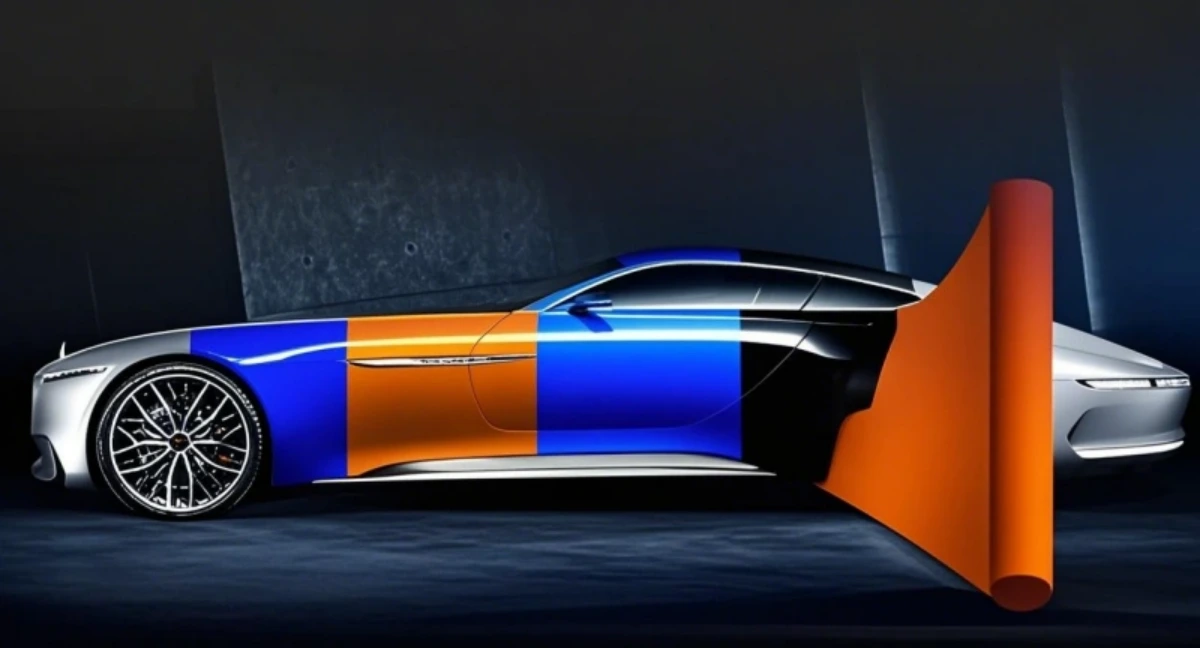
autoli TPU PPF Applied to all brand car models as Ferrari、jeep、acura、Benz.Our factory cooperates with Car Customization Shop、Auto Detailing Shop、Auto Detailing service and all so in many countries and regions around the world,like Morocco,Sudan,Slovenia,India,Warranty: 10 years.Our advantages:High quality raw materials and advanced technology;Unlock Business Growth with Our Factory’s PPF;Large stock of styles for you to choose from;Strict quality control system;Our customers are all over the world.Our factory also provides PPF FILM、Paint Protection Film.