

PPF safeguards car paint from stone chips and scratches via durable TPU, absorbing over 90% of daily impact energy to preserve the original finish.,Anti-static for dust-free application.,Partner with Our Factory: PPF – Enabled Profit Expansion, Step – by – Step.
The market trends and industry changes of PPF:
- Southeast Asia Market Surge**- Indonesia and Vietnam’s PPF markets are growing at 11% CAGR, driven by rising middle-class car ownership and demand for affordable protection packages.
- Competitive Pricing Pressures – Market saturation in North America and Europe is driving price reductions, with entry-level PPF options now 20% cheaper than premium products, appealing to cost-conscious consumers.
- Regulatory Compliance in Manufacturing – Stringent environmental regulations (e.g., EU REACH) are pushing PPF producers to adopt solvent-free adhesives and energy-efficient production processes, reducing carbon footprints by up to 80%.
- Personalization Trends in Aesthetics – Demand for matte finishes, colored PPF, and custom textures is surging, with TPU-based films offering UV-resistant, self-healing properties to meet consumer preferences for vehicle customization.
- IoT-Enabled Performance Monitoring – Smart PPF prototypes with embedded sensors are being tested to monitor UV exposure and damage levels, providing real-time data for predictive maintenance.
- Anti-Microbial PPF Growth – Post-pandemic, 15% of interior PPF includes silver-ion coatings, inhibiting 99% of bacteria on high-touch surfaces like door handles.
- Ceramic-PPF Hybrid Kits – Pre-packaged ceramic coating PPF bundles now account for 25% of aftermarket sales, simplifying multi-layer protection for consumers.
- TPU Dominance in Material Innovation – Thermoplastic polyurethane (TPU) films now account for 25% of global PPF installations, with self-healing TPU shipments rising 38% since 2021 due to superior scratch resistance and durability.
Before & After: How PPF Transforms a 10-Year-Old Car:
- Before: Front air dam with road rash from low ground clearance; After: Thick PPF lines the dam, hiding existing damage and absorbing impact from road debris.
- Before: Door jambs with paint wear from repeated opening; After: PPF lines jambs, covering scuffs and reducing friction between metal and paint.
- Before: Rear wiper arm base with rust and paint peeling; After: PPF seals the base, covering rust and preventing water intrusion that causes further damage.
- Before: Rear spoiler with cracked clear coat from sun exposure; After: UV-stable PPF covers cracks and prevents further clear coat breakdown.
- Before: Side vent louvers with paint chipping on edges; After: PPF covers louver edges, hiding chips and preventing debris from catching and causing more damage.
- Before: Side vent grilles with dust buildup and paint chipping; After: PPF covers grille edges, hiding chips and simplifying cleaning of dust-prone areas.
- Before: Wheel well drain holes with rust around openings; After: PPF covers drain edges, hiding rust and preventing water from spreading corrosion.
The materials and technologies of PPF:
- Anti-microbial coating infusion: Incorporates silver-ion nanoparticles to inhibit 99% of bacteria and mold growth on film surfaces in humid climates.
- Shape-memory alloy reinforcement: Restores film shape after severe impacts through embedded Ni-Ti alloys.
- Multi-layer optical coating: Combines anti-reflective and color-enhancing layers to boost paint color saturation by 5-8% while maintaining high light transmittance.
- Rapid curing adhesive technology: Enables full adhesive strength development within 24 hours (vs. 48-72 hours for conventional adhesives), shortening post-installation care time.
- Marine-grade corrosion resistance: Passes 5,000-hour salt spray testing (ASTM B117), protecting vehicles in coastal and winter road salt environments.
- AI-driven precision cutting: Employs machine learning algorithms to analyze vehicle surfaces and generate custom-fit patterns with 0.1mm accuracy, minimizing material waste.
- Impact resistance enhancement technology: Using nano-scale elastic particles to modify the TPU base material, improving the buffering and energy absorption capacity for impact from gravel, sand, etc., and strengthening anti-crash protection.
- Smart damage detection layer: Embeds micro-sensors that interact with smartphone apps to alert users of hidden impacts or coating wear via subtle color shifts.
The user perception and consumption misconceptions of PPF:
- Correct Perception: Lease Protection Value – Leaseholders use PPF to avoid $500 end-of-term fees, with 95% passing inspections without paint-related charges.
- Correct Perception: Long-Term Cost Savings – 68% of users understand PPF reduces repaint costs over 5 years, aligning with data showing $2,000 savings on luxury vehicles.
- Correct Perception: Thickness Depends on Use Case – Off-roaders choose 10mil PPF, while daily drivers opt for 8mil to balance protection and flexibility.
- Correct Perception: PPF Preserves Custom Paint Investments – Owners of $5k custom paint jobs use PPF, avoiding costly touch-ups from minor damage.
- Consumer Misconception: “PPF Yellowing Is Visible Immediately” – Expecting instant discoloration, not realizing quality films take 5 years to show subtle yellowing.
- Correct Perception: Edge Coverage Prevents Lifting – Opting for “full edge” wraps that fold film over panel edges, reducing wear from debris.

The cost structure and price composition of PPF:
- Long-Term Contract Discounts – 3–5 year fleet contracts reduce per-vehicle costs by 10–15% via guaranteed volume.
- EV-Specific Pricing – Radar-transparent PPF for EVs commands 10–15% premiums due to technical requirements.
- Custom Cut Fees – Vehicle-specific laser cuts add $100–$300 to total costs vs. generic patterns.
- Post-Install Inspection Fees – 24-hour quality checks add $50–$100 per vehicle but reduce warranty claims by 20%.
- Sample Costs – Free or low-cost samples (5–10 sq ft) add 1–2% to marketing expenses but drive sales.
- Equipment Depreciation – Extrusion machines (5–10 year lifespan) contribute 5–7% to per-unit costs annually.
The market trends and industry changes of PPF:
- Southeast Asia Market Surge**- Indonesia and Vietnam’s PPF markets are growing at 11% CAGR, driven by rising middle-class car ownership and demand for affordable protection packages.
- Competitive Pricing Pressures – Market saturation in North America and Europe is driving price reductions, with entry-level PPF options now 20% cheaper than premium products, appealing to cost-conscious consumers.
- Regulatory Compliance in Manufacturing – Stringent environmental regulations (e.g., EU REACH) are pushing PPF producers to adopt solvent-free adhesives and energy-efficient production processes, reducing carbon footprints by up to 80%.
- Personalization Trends in Aesthetics – Demand for matte finishes, colored PPF, and custom textures is surging, with TPU-based films offering UV-resistant, self-healing properties to meet consumer preferences for vehicle customization.
- IoT-Enabled Performance Monitoring – Smart PPF prototypes with embedded sensors are being tested to monitor UV exposure and damage levels, providing real-time data for predictive maintenance.
- Anti-Microbial PPF Growth – Post-pandemic, 15% of interior PPF includes silver-ion coatings, inhibiting 99% of bacteria on high-touch surfaces like door handles.
- Ceramic-PPF Hybrid Kits – Pre-packaged ceramic coating PPF bundles now account for 25% of aftermarket sales, simplifying multi-layer protection for consumers.
- TPU Dominance in Material Innovation – Thermoplastic polyurethane (TPU) films now account for 25% of global PPF installations, with self-healing TPU shipments rising 38% since 2021 due to superior scratch resistance and durability.
Say Goodbye to Car Scratches: Self-Healing PPF Revealed!:
- EV owners get scratch repair around charging ports, where frequent plugging/unplugging can cause minor damage.
- Classic motorcycle fuel tanks stay scratch-free, as belt/buckle marks heal with engine heat during rides.
- Self-healing technology turns frustrating daily scratches into temporary nuisances, keeping your car looking factory-fresh for years.
- Self-healing PPF works with ceramic topcoats, combining water repellency with scratch repair for enhanced protection.
- Self-healing PPF reduces the visual impact of “paint transfer” from minor collisions, buying time for professional repairs.
- Microfiber drying scratches vanish, making DIY cleaning safer for preserving your car’s finish.
- Fleet managers report higher driver satisfaction, as self-healing PPF keeps vehicles presentable with minimal effort.
- Heat-activated repair eliminates the need for abrasive polishes that thin your car’s paint or degrade protective layers over time.
- Car owners report a 70% reduction in visible scratches after installing self-healing PPF, boosting vehicle pride and resale value.
AUTOLI(CN) PPF(Paint Protection Film) manufacturer
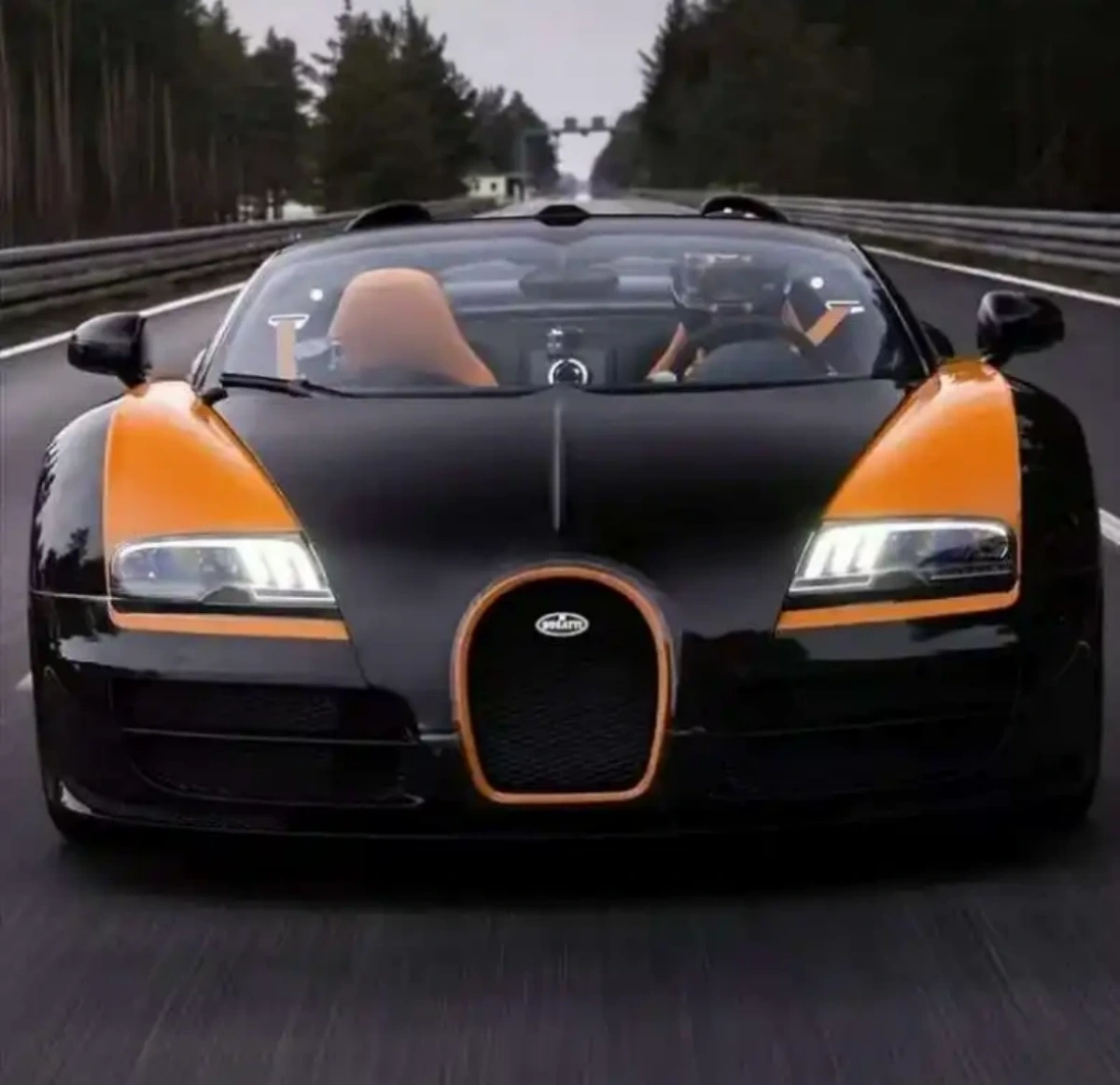
autoli TPU PPF Applied to all brand car models as AstonMartin、Nissan、Benz、Bugatti、binli、Rolls-Royce.Our factory cooperates with PPF trading、PPF distributor、PPF wholesaler and all so in many countries and regions around the world,like Chile,Iraq,Uruguay,Malta,Warranty: 10 years.Our advantages:SGS, ASTM, REACH, UL and other certifications;Large stock of styles for you to choose from;Your Key to Profitable PPF Ventures;Raw material purchasing advantage;Our customers are all over the world.Our factory also provides Window Film、Car PPF、PPF Vinyl Car Wrap.