

PPF’s scratch depth reduction by 60% via “hard-soft segment” TPU structure minimizes damage from keys or accidental scrapes.,Warranty includes labor for film repairs.,Collaborate with Our Factory: Diverse Colors, Swift Delivery.
The protective performance of PPF:
- High Clarity – Maintains the vehicle’s original paint color and gloss without distortion or yellowing over time.
- Long-Term Flexibility Retention – Maintains elasticity in extreme temperatures (-40°C to 120°C), preventing cracking or embrittlement.
- Brake Dust Chemical Resistance – Resists etching from iron-rich brake dust, maintaining wheel and fender clarity in high-performance vehicles.
- Long-Term Colorfastness – Resists fading for years, keeping colored PPF vibrant under harsh UV exposure.
- Wet Application Precision – Ensures seamless coverage and overlaps for colored PPF, achieving a factory-like finish.
- **Weatherproof Sealant Effect** – It creates a weatherproof sealant – like effect, protecting the paint from the combined effects of rain, wind, and sunlight.
- Easy Maintenance – Requires minimal cleaning and upkeep, reducing the need for frequent waxing or polishing.
- Impact Resistance Rating Certification – Meets ASTM D3363 standards for abrasion resistance, ensuring real-world durability.
- Hydrophobic Coating for Water Beading – Reduces water spots and makes cleaning easier by repelling liquids, keeping surfaces drier and cleaner.
- Gasoline Spill Resistance – Withstands accidental fuel spills without swelling or discoloration, crucial for fuel-efficient vehicles.
TPU PPF VS PET PPF:
- Thermal Cycling Performance – TPU PPF survives 500 freeze-thaw cycles, while PET PPF shows cracking after 200 cycles.
- Eco-Friendliness – TPU PPF is 100% recyclable, while PET PPF’s adhesive layers complicate recycling, resulting in 60% lower recovery rates.
- Packaging Efficiency – TPU PPF rolls store flat without cracking, while PET PPF requires climate-controlled storage to prevent warping.
- Vibration Resistance – TPU PPF withstands vehicle vibrations without cracking, while PET PPF develops micro-cracks in high-vibration areas (e.g., engine bays).
- Weight Difference – TPU PPF adds 1.2kg per vehicle (full wrap), while PET PPF adds 0.8kg due to lower density but reduced coverage efficiency.
- Lease Vehicle Suitability – TPU PPF’s residue-free removal makes it ideal for leases, unlike PET PPF which risks paint damage during removal.
- Brand Availability – 80% of premium PPF brands use TPU, while PET PPF is primarily offered by budget or generic manufacturers.
- Light Transmission – TPU PPF maintains 98% light transmission for headlights, while PET PPF reduces light output by 5–8%.
The cost structure and price composition of PPF:
- Packaging Efficiency Savings – Bulk rolls reduce packaging costs by 40%, passing 10–15% savings to buyers.
- Post-Install Inspection Fees – 24-hour quality checks add $50–$100 per vehicle but reduce warranty claims by 20%.
- Certified Installer Premium – Factory-trained installers charge 20–30% more than uncertified technicians.
- Warranty Administration Fees – Digital warranty systems add $0.05–$0.10 per square foot but reduce claim processing time.
- Production Labor Costs – Skilled operators for extrusion lines contribute 12–18% of total manufacturing expenses.
- Energy-Efficient Production Savings – Solar-powered factories reduce energy costs by 20–30%, lowering unit prices marginally.
- Equipment Depreciation – Extrusion machines (5–10 year lifespan) contribute 5–7% to per-unit costs annually.
The product classification and selection logic of PPF:
- Finish Enhancement Goals – Selecting high-gloss PPF to amplify paint shine for show vehicles or luxury cars.
- Brand Support Evaluation – Opting for brands offering installer training and technical support for complex applications.
- Temperature Cycle Tolerance – Selecting PPF with low thermal expansion for regions with extreme temperature swings.
- Material Sourcing Alignment – Prioritizing locally manufactured PPF to reduce carbon footprint from transportation.
- Lightweight Design Priority – Opting for thin yet strong PPF for electric vehicles to maximize range efficiency.
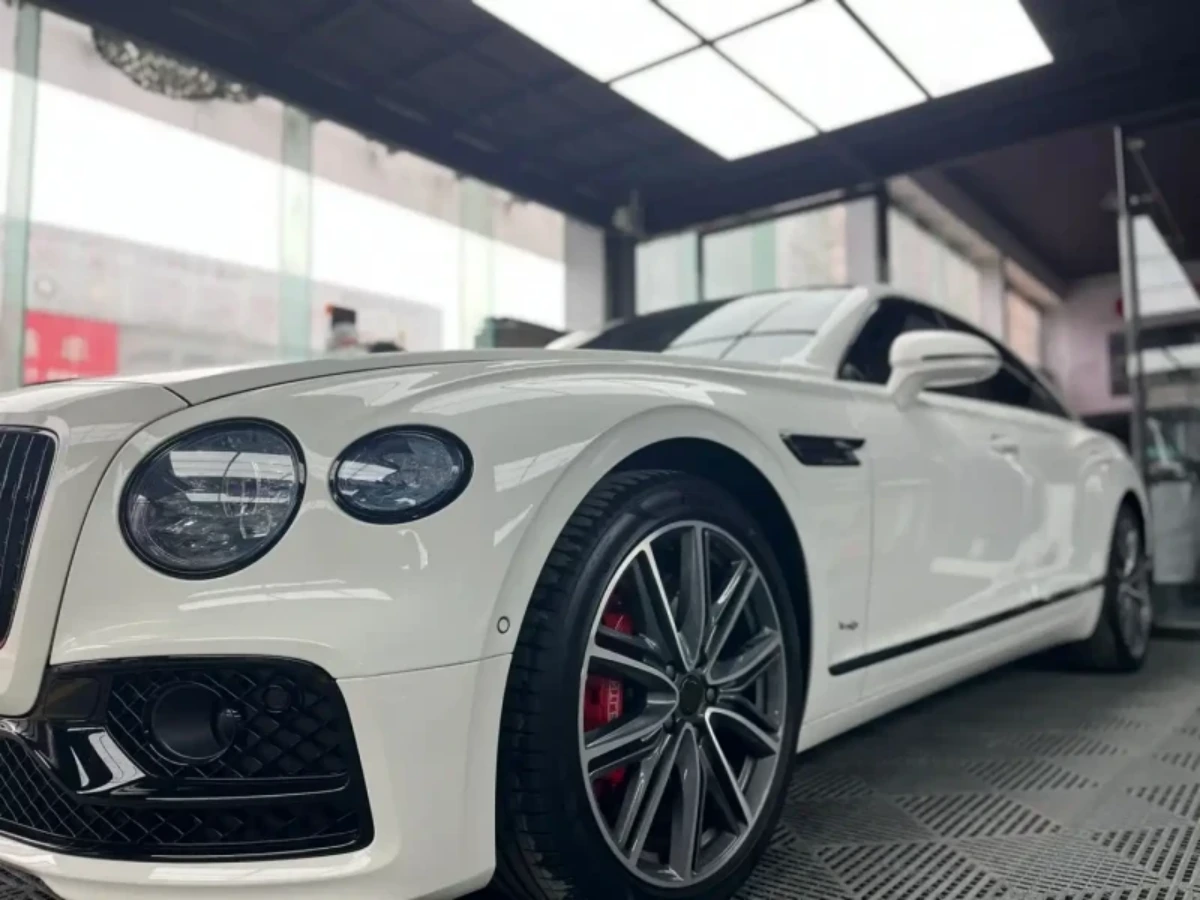
How TPU Redefines PPF:
- Anti-Corrosion Properties – TPU’s moisture barrier redefined PPF from paint protectors to rust-preventing systems in coastal and winter regions.
- Low-Maintenance Design – TPU’s self-cleaning properties redefined PPF from high-upkeep products to “set-it-and-forget-it” solutions requiring minimal care.
- Thermal Stability – TPU’s heat resistance redefined PPF from exterior-only products to under-hood protectors for EV battery zones and engine bays.
- Impact Absorption – TPU’s energy-dispersing structure redefined PPF from scratch-only protection to rock chip-resistant barriers reducing paint damage by 75%.
- Insurance Benefits – TPU’s damage reduction redefined PPF from cosmetic upgrades to insurance-pleasing investments lowering repair claims by 40%.
- Anti-Static Properties – Carbon-infused TPU redefined PPF from dust-attracting films to static-dissipating solutions reducing dirt buildup.
- Multi-Layer Versatility – TPU’s compatibility with adhesive, core, and topcoat layers redefined PPF from single-layer films to multi-functional barriers with tailored properties.
- Anti-Microbial Additions – Silver-ion infused TPU redefined PPF from exterior-only protectors to interior solutions inhibiting bacteria growth on high-touch surfaces.
- Anti-Fog Properties – Hydrophilic TPU layers redefined PPF from condensation-prone films to anti-fog solutions for headlights and mirrors.
- Industrial Versatility – Heavy-duty TPU redefined PPF from automotive-only products to industrial solutions for machinery, boats, and aerospace equipment.
The cutting-edge technology research and development of PPF:
- Bio-Based UV Stabilizers – Plant-derived flavonoids and carotenoids replace synthetic HALS, maintaining UV resistance for 10 years.
- Aerospace-Grade Composites – Polycarbonate-TPU blends engineered for aircraft windshields offer ballistic resistance and impact absorption in automotive applications.
- 3D Laser Cutting – Femtosecond laser ablation creates intricate patterns with <10-micron precision, optimizing material usage by 95%.
- Multifunctional Smart Films – Integrated humidity sensors and pH indicators in PPF provide real-time environmental monitoring for agricultural applications.
- Smart Adhesive Systems – Pressure-sensitive adhesives with shape memory properties adjust bonding strength based on temperature and humidity.
- Nano-Structured Anti-Graffiti Coatings – Superhydrophobic and oleophobic surfaces repel spray paint, allowing easy removal with water rinsing.
- AI-Driven Material Design – Generative adversarial networks (GANs) create novel TPU formulations with tailored mechanical and thermal properties.
- Dynamic Thermal Management – Phase change materials (PCMs) encapsulated in PPF absorb and release heat to maintain 22–25°C surface temperature.
The production supply chain and quality control system of PPF:
- Sustainability Audits – Annual assessments of suppliers’ carbon footprints and waste reduction efforts for eco-friendly sourcing.
- Global Raw Material Network – Multi-region sourcing of TPU to mitigate supply risks from geopolitical or logistical disruptions.
- Failure Mode and Effects Analysis (FMEA) – Proactive risk assessment of production processes to prevent failures.
- Quality Incentives – Employee bonuses tied to quality metrics (e.g., first-pass yield, defect reduction).
- Hydrophobicity Checks – Contact angle measurements (>110°) confirming topcoat water repellency before roll winding.
- Finished Goods Warehousing – Regional distribution centers with climate control (20–25°C) to preserve adhesive quality.
- Carbon Footprint Tracking – Lifecycle analysis of supply chain emissions, with reduction targets for transportation and production.
The extension of PPF’s functions:
- Before: Headlights cloudy from UV damage, reducing visibility; After: PPF’s clear film covers haze and blocks UV, restoring 80% of original light output.
- Before: Side mirror housing gaskets with paint peeling at edges; After: PPF wraps gasket edges, hiding peeling and preventing water from getting under paint.
- Before: Door edge guards with peeling rubber and exposed paint; After: PPF wraps edges, covering exposed areas and preventing further guard deterioration.
- Before: Antenna base with rust spreading to surrounding paint; After: PPF seals the base, covering rust and preventing moisture from worsening corrosion.
- Before: Front license plate bracket with rust and paint loss; After: PPF covers bracket edges, hiding rust and preventing water from worsening corrosion.
- Before: Rear spoiler with cracked clear coat from sun exposure; After: UV-stable PPF covers cracks and prevents further clear coat breakdown.
- Before: Windshield cowl with leaves and debris trapped, causing stains; After: PPF covers cowl, hiding stains and simplifying debris removal.
- Before: Front bumper parking sensor housings with paint chipping; After: PPF covers housings, hiding chips and preventing debris from damaging sensors.
- Before: Tailgate handle with paint worn from repeated use; After: PPF wraps the handle, covering wear patterns and maintaining grip without damage.
The environmental protection and sustainability of PPF:
- Minimalist Packaging – Brands eliminate unnecessary plastic inserts, using 40% less packaging material while maintaining product protection.
- Minimal Waste Production – Laser-precut kits reduce material waste by 40% compared to hand-cutting, optimizing resource utilization.
- Heavy Metal-Free Pigments – Colored PPF uses organic pigments, eliminating lead, cadmium, and chromium from formulations.
- Non-Toxic Disposal – PVC-free PPF avoids toxic chlorine release during incineration, making disposal safer for waste management workers.
- Mycelium Packaging Inserts – Mushroom-based packaging protects PPF during shipping, decomposing in 45 days without chemicals.
- Reduced Vehicle Weight Impact – Lightweight PPF (6–10mil) adds minimal weight, avoiding increased fuel consumption compared to heavier protective alternatives.
AUTOLI(CN) PPF(Paint Protection Film) oem factory

autoli TPU PPF Applied to all brand car models as AstonMartin、byd、Audi、volvo.Our factory cooperates with Auto Detailing Shop、PPF installer、PPF wholesaler and all so in many countries and regions around the world,like Morocco,Korea,Poland,Portugal,Warranty: 10 years.Our advantages:Unlock Business Growth with Our Factory’s PPF;SGS, ASTM, REACH, UL and other certifications;Perfect after-sales service;Large stock of styles for you to choose from;Strict quality control system.Our factory also provides Window tint、car film.