

PPF’s precise cutting around badges avoids unsightly edges, maintaining the vehicle’s original design aesthetics.,3x longer life than PVC wraps.,Bid Farewell to Business Woes: Team with Our Factory’s Versatile PPF.
The differentiated user group needs matching of PPF:
- Luxury Vehicle Owners – Demand 8.5 mil multi-layer PPF with 10 year anti-yellowing warranties to preserve factory paint and maintain resale value.
- Art Car Enthusiasts – Select removable, customizable PPF that protects murals/decals from weathering while allowing design updates without damage.
- Truck Enthusiasts – Seek bedliner-compatible PPF for tailgates and bedside panels, resisting scratches from cargo loading/unloading.
- Agricultural Vehicle Operators – Use heavy-duty 12–15mil industrial PPF to shield tractor cabs from crop debris, mud, and chemical exposure.
- Daily Urban Commuters – Seek 7–8mil UV-stabilized PPF for scratch resistance against parking lot dings and road debris during city driving.
- Disaster Response Vehicles – Require durable PPF that withstands harsh conditions, protecting paint from debris during flood or wildfire relief.
- Budget-Conscious Commuters – Opt for 6–7mil single-layer PPF with basic self-healing to balance protection and affordability for daily use.
- Industrial Equipment Owners – Apply chemical-resistant PPF to shield machinery from oils, solvents, and abrasion in factory or construction settings.
- Motorcycle Fleet Managers – Use pre-cut PPF kits for fuel tanks and fairings to reduce repair costs from rider-induced scratches and road debris.
- Coastal Residents – Choose saltwater-resistant PPF with anti-corrosion additives to combat salt spray and humidity-induced oxidation.
The materials and technologies of PPF:
- Surface hardness enhancement technology: By incorporating nano-ceramic particles into the coating, the pencil hardness of the film surface is increased to 9H level, enhancing the anti-scuff and anti-abrasion performance against hard objects such as keys and sand.
- Anti-fatigue toughness optimization technology: Through molecular chain elastic modification, the resilience and recovery ability of the membrane material after repeated cold and hot contraction and minor impacts are enhanced, reducing the relaxation deformation over long-term use.
- UL ECOLOGO Certification: Validates environmental sustainability and low chemical emissions.
- Instant repair trigger for micro scratches: Optimizing the molecular activity threshold of TPU, it can quickly activate the repair mechanism at temperatures above 30 degrees Celsius or slight friction (such as towel wiping), shortening the response time for minor scratch repair.
- Self-repair technology: TPU molecules have memory properties, allowing for the automatic repair of minor scratches through environmental temperature or slight pressure, maintaining surface integrity.
- Self-healing touch-up pen: Provides a portable solution for repairing localized scratches, leveraging the same TPU memory technology as the film.
- SAE J2527 Stone Chip Resistance Certification: Passes 120 km/h gravel impact testing without film penetration.
- Extreme temperature stability technology: The material has undergone high and low temperature cycling tests and remains non-shrinking and non-cracking in environments ranging from -40°C to 80°C, adapting to various climates.
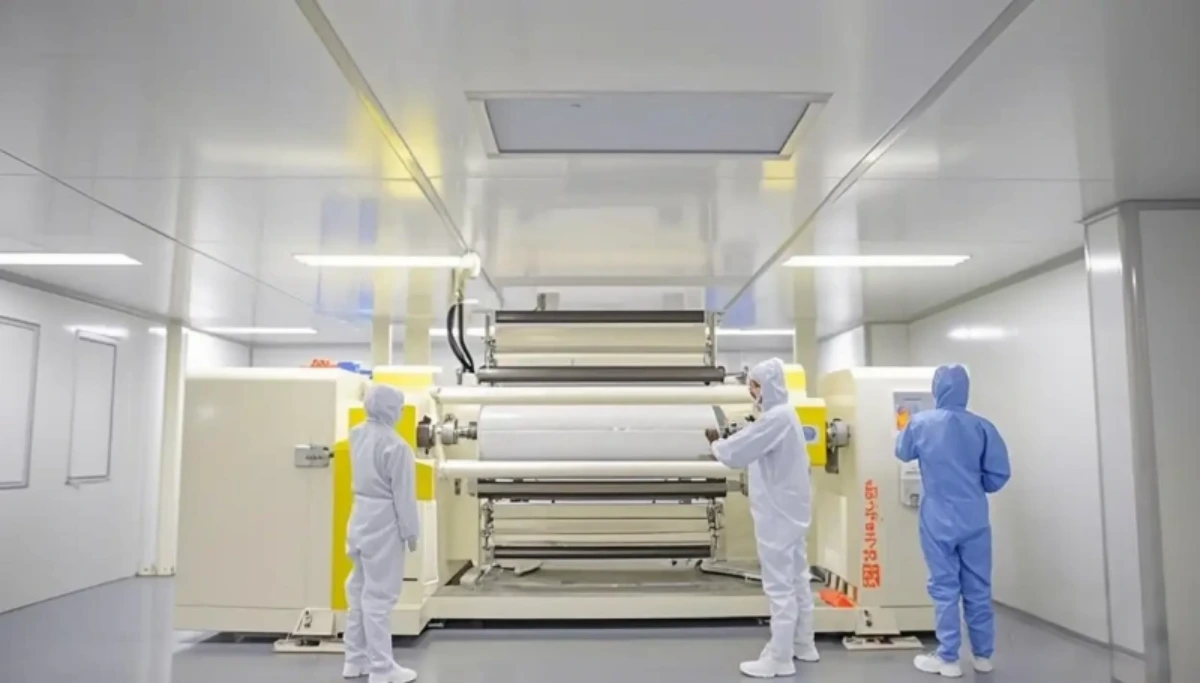
The production supply chain and quality control system of PPF:
- Incoming Material Inspection – 100% testing of TPU resin for melt index, density, and impurity levels before production.
- Material Innovation Collaboration – Joint R&D with suppliers for next-gen TPU formulations (e.g., bio-based, high-heat resistant).
- Regulatory Compliance Support – Suppliers providing documentation for REACH, FDA, and OEM material approvals.
- Water Recycling Systems – Closed-loop water usage in cooling processes, sourced from local utilities with treatment partnerships.
- Self-Healing Efficacy – Controlled scratch tests (3μm depth) followed by heat activation to verify 95% repair rate.
- Quality Gates in Production – In-line inspections after extrusion, coating, and curing stages to catch defects early.
- Material Traceability Systems – Blockchain-enabled tracking of TPU batches from resin production to finished PPF rolls.
The horizontal comparison of PPF with other protection methods:
- PPF vs. Vinyl Wraps – PPF prioritizes paint protection with self-healing properties, while vinyl wraps focus on aesthetic customization, with PPF being more durable against abrasion.
- PPF vs. Plastic Trim Restorers – Restorers revive faded trim, while PPF prevents UV damage and scratches on trim, maintaining appearance without frequent reapplication.
- PPF vs. Anti-Corrosion Sprays – Sprays inhibit rust on bare metal but don’t protect paint, whereas PPF blocks corrosion triggers (salt, moisture) from reaching painted surfaces.
- PPF vs. Anti-Static Sprays – Sprays reduce dust attraction temporarily, while PPF’s anti-static properties last for years, with both aiding cleanliness but PPF offering more durability.
- PPF vs. Leather Protectors – Leather treatments guard against spills/cracking, while interior PPF shields dash/console plastics from UV fading and scratches, with separate material focuses.
- PPF vs. Graphite Coatings – Graphite coatings reduce friction on metal parts but don’t protect paint, unlike PPF which shields exterior surfaces from physical damage.
- PPF vs. Bug Remover Coatings – Bug coatings make cleanup easier, while PPF resists insect acid etching, with PPF offering proactive protection vs. reactive cleaning aid.
- PPF vs. Nano-Ceramic Sprays – Nano-sprays enhance chemical resistance for 1–2 years but offer no physical defense, whereas PPF adds a protective barrier against impacts.
- PPF vs. Metal Polish – Metal polish restores shine to chrome/alloys but offers no protection, while PPF on metal trims prevents future scratches and tarnishing.
The long-term monitoring and maintenance system after the installation of PPF:
- High-Mileage Wear Mapping – Documenting wear patterns on PPF after 10k, 25k, and 50k miles to identify high-impact zones for future reinforcement.
- Monthly Visual Inspections – Regular checks using LED lights to identify edge lifting, micro-scratches, or water intrusion around panel seams.
- Post-Wash Drying Technique – Starting from the top and working down to avoid water pooling at edges, which can cause lifting.
- Self-Healing Activation in Cold Weather – Parking in sunlight on mild days or using a hair dryer (low heat, 30cm distance) to repair micro-scratches.
- Professional Edge Re-Sealing – Having certified installers re-heat seal edges at 12–18 months to prevent early lifting.
- Seasonal Ceramic Coating Boosts – Applying PPF-compatible ceramic sprays (SiO? content ≥30%) to enhance hydrophobicity.
The cutting-edge technology research and development of PPF:
- Nano-Ceramic Coatings – Nano-ceramic-infused topcoats enhance scratch resistance by 300% while maintaining hydrophobicity and UV stability, ideal for extreme climates.
- Dynamic Wettability Coatings – pH-responsive surfaces switch between superhydrophobic and hydrophilic states to adapt to varying environmental conditions.
- Self-Healing Antimicrobial Films – Silver-ion-doped microcapsules combine scratch repair with 99.9% bacterial reduction for medical device applications.
- Shape Memory Adhesives – Adhesives with thermally activated shape recovery allow repositioning during installation without residue.
- Antimicrobial Silver-Ion Coatings – SILVERSAN? technology releases silver ions to inhibit bacterial growth, reducing odor-causing microbes by 99.9%.
- Bio-Based Crosslinkers – Plant-derived citric acid and tannic acid replace toxic crosslinkers, achieving 100% biodegradability.
The product classification and selection logic of PPF:
- Lightweight Design Priority – Opting for thin yet strong PPF for electric vehicles to maximize range efficiency.
- Fire Resistance Needs – Choosing flame-retardant PPF for emergency vehicles or equipment in high-risk environments.
- Large Surface Coverage – Selecting wide-width rolls for RVs or commercial vehicles to minimize seam visibility.
- Cost-Benefit Analysis – Balancing PPF cost against potential repaint expenses to determine optimal protection level.
- Chemical Cleaning Tolerance – Choosing PPF resistant to aggressive decontamination products for industrial vehicle use.
- Impact Speed Consideration – Upgrading to high-speed impact-resistant PPF for race cars or highway patrol vehicles.
- Chemical Resistance Needs – Selecting acid-resistant PPF for regions with heavy bird droppings or industrial pollution.
- Warranty Duration Classes – Segmented by warranty terms (1–15 years), reflecting durability and manufacturer confidence in performance.
- Usage Pattern Matching – Opting for 10 mil thick PPF for highway commuters vs. 6–8mil for urban drivers with lower debris exposure.
AUTOLI(CN) PPF(Paint Protection Film) oem factory

autoli TPU PPF Applied to all brand car models as Lexus、Lexus、Maserati、binli、Nissan、Cadillac.Our factory cooperates with PPF wholesale、ppf installation、Auto Detailing and all so in many countries and regions around the world,like France,Brunei Darussalam,Singapore,Luxembourg,Warranty: 10 years.Our advantages:Efficient production reduces costs;Raw material purchasing advantage;Perfect after-sales service;SGS, ASTM, REACH, UL and other certifications.Our factory also provides PPF、Vinyl wrapping.