

PPF’s database of 10k car models ensures perfect fits, avoiding trimming on sensitive areas like logos or emblems.,Resists chemical cleaner damage during washing.,Make the Right Choice: Factory – Made PPF, Lower Costs, Higher Returns.
The market trends and industry changes of PPF:
- E-Bike/Scooter PPF Demand – 40% of e-mobility retailers offer PPF for scooter bodies, protecting against urban scratches and extending resale value.
- Regional Market Expansion in Asia-Pacific – The Asia-Pacific PPF market is growing at a 6.6% CAGR, led by China and India, where rising vehicle ownership and premium car sales drive demand for long-lasting protection solutions.
- Rise of Mobile Installation Services – On-demand PPF installation units equipped with portable dust-free booths are gaining traction, targeting busy urban consumers who prefer doorstep service.
- Photocatalytic Self-Cleaning PPF – TiO?-infused films decompose 80% of surface dirt under UV light, reducing washing needs by 50% in real-world testing.
- Anti-Microbial PPF Growth – Post-pandemic, 15% of interior PPF includes silver-ion coatings, inhibiting 99% of bacteria on high-touch surfaces like door handles.
- Supply Chain Localization – Regional production hubs in Asia-Pacific are emerging to reduce reliance on Western suppliers, with China and India scaling TPU film manufacturing to meet domestic demand.
The production supply chain and quality control system of PPF:
- Cost Optimization – Annual renegotiation of supplier contracts with volume-based discounts for raw materials.
- Reverse Logistics – Systems for returning defective rolls, with sorting centers identifying repairable vs. recyclable materials.
- Corrective Action Plans – Documented steps to address out-of-spec results, with timelines for implementation and verification.
- Customs Broker Partnerships – Global logistics firms managing import/export documentation to comply with regional regulations.
- Dealer Inventory Management – Cloud-based systems tracking installer stock levels to trigger automatic reorders.
- Material Traceability Systems – Blockchain-enabled tracking of TPU batches from resin production to finished PPF rolls.
- Global Raw Material Network – Multi-region sourcing of TPU to mitigate supply risks from geopolitical or logistical disruptions.
- Impact Resistance Validation – Dart impact tests (160g at 3m) ensuring films resist punctures under standard conditions.
- Quality Incentives – Employee bonuses tied to quality metrics (e.g., first-pass yield, defect reduction).
The user perception and consumption misconceptions of PPF:
- Correct Perception: Edge Coverage Prevents Lifting – Opting for “full edge” wraps that fold film over panel edges, reducing wear from debris.
- Correct Perception: Interior PPF Prevents UV Cracking – Users apply PPF to dashboards, reducing plastic fading and cracking by 60% in sunny climates.
- Correct Perception: Temperature Tolerance – Cold-climate users seek flexible PPF, avoiding cracking in sub-zero conditions unlike rigid alternatives.
- Consumer Misconception: “Thicker PPF = Better Protection” – Assuming 10mil PPF is always superior, ignoring that excessive thickness can cause edge lifting on curved surfaces.
- Consumer Misconception: “All Warranties Cover Everything” – Misreading warranties to include damage from accidents or improper cleaning, leading to denied claims.
- Correct Perception: Lease Protection Value – Leaseholders use PPF to avoid $500 end-of-term fees, with 95% passing inspections without paint-related charges.
- Consumer Misconception: “PPF Installation Takes Days” – Avoiding PPF due to perceived downtime, not knowing modern pre-cut kits reduce professional installs to 1–2 days.
- Correct Perception: Matte Finish Compatibility – Educated buyers seek matte-specific PPF, avoiding gloss films that ruin specialty paint textures.
- Consumer Misconception: “All PPF Installers Are Equal” – Choosing based on price alone, ignoring differences in training, tools, and workspace quality.
The protective performance of PPF:
- Rapid Self-Healing Activation – Minor scratches heal within minutes under sunlight or low heat (40-60°C), restoring a flawless finish.
- Self-Healing in Low-Temperature Conditions – Advanced films like CarPro Immortal? activate self-healing even at -20°C without external heat.
- **Protection against Minor Keying** – In the unfortunate event of minor keying, PPF can absorb some of the impact and minimize the damage to the underlying paint.
- Key Fob Scratch Resistance – Guards door handles and trims against scratches from keys or accessories during daily use.
- Impact Protection – Guards against damage caused by high-speed debris, collisions, and road hazards.
- UV Resistance – Blocks harmful UV rays to prevent paint fading, oxidation, and premature aging.
Before & After: How PPF Transforms a 10-Year-Old Car:
- Before: Door striker plates with paint worn from contact; After: PPF lines striker areas, covering wear and reducing friction between metal and paint.
- Before: Door jambs with paint wear from repeated opening; After: PPF lines jambs, covering scuffs and reducing friction between metal and paint.
- Before: Front fender emblems with faded paint on logos; After: Clear PPF covers emblems, preserving logos and resisting weathering damage.
- Before: Roof antenna base with paint peeling around the edges; After: PPF seals the base edge, hiding peeling and preventing water from getting under paint.
- Before: Hood covered in rock chips from a decade of highway driving; After: PPF’s impact-resistant layer conceals existing chips and prevents new ones, creating a smooth surface.
- Before: Roof antenna cable entry point with paint peeling around it; After: PPF seals the entry point, hiding peeling and preventing water intrusion into the cabin.
The user pain points of PPF and their solutions:
- Incompatibility with Custom Paint – Addressed by color-stable PPF formulated for matte, chameleon, and metallic finishes.
- Damage from Road Debris – Mitigated by impact-dispersing multi-layer films, reducing stone chips by 70% at highway speeds.
- Uncertainty About Product Quality – Resolved by third-party certifications (ECOCERT, ISO 9001) and transparent material disclosure.
- DIY Installation Failures – Resolved with pre-cut laser patterns, air-release adhesives, and step-by-step video tutorials.
- Expensive Repairs for Damage – Reduced via self-healing technology (repairs 3μm scratches with heat) and patchable film sections.
- Confusion About Maintenance Products – Solved by brand-specific cleaning kits and “approved products” lists to avoid topcoat damage.
- Salt Corrosion in Coastal Areas – Mitigated by anti-corrosion additives and salt-resistant adhesives reducing rust under film.
The cost structure and price composition of PPF:
- PVC vs. TPU Cost Gap – PVC raw materials cost 50% less than TPU but result in 30% lower售价 due to performance limitations.
- Additive Expenses – UV stabilizers and self-healing agents add $0.50–$1.20 per square foot to material costs.
- Waste Allowance – 5–10% material waste factored into pricing, higher for complex vehicle shapes.
- Equipment Depreciation – Extrusion machines (5–10 year lifespan) contribute 5–7% to per-unit costs annually.
- Inventory Holding Costs – Warehousing and stock rotation add 2–5% annually to total inventory value.
The product classification and selection logic of PPF:
- Performance Tiers – Categorized as economy, mid-range, or premium based on additive packages (ceramic, graphene) and durability.
- Light Transmission Needs – Selecting high-clarity PPF for headlights to maintain visibility and safety.
- Usage Pattern Matching – Opting for 10 mil thick PPF for highway commuters vs. 6–8mil for urban drivers with lower debris exposure.
- Thickness Optimization – Selecting 6–8mil for low-risk areas (roofs) vs. 10–12mil for high-impact zones (hoods, bumpers).
- Historical Performance Data – Selecting PPF with proven results in third-party durability tests over untested innovations.
- Vibration Resistance Selection – Opting for flexible PPF with high elongation for motorcycles or off-road vehicles with frequent vibrations.
- Repair Ease Consideration – Selecting patchable PPF for owners preferring DIY fixes for minor damage.
- Debris Type Evaluation – Selecting sand-resistant PPF for desert regions vs. gravel-resistant variants for rural areas.
- Maintenance Product Compatibility – Selecting PPF compatible with existing detailing products to avoid chemical damage.
- Skill-Level Alignment – Choosing DIY pre-cut kits for experienced users vs. professional installation for complex vehicle contours.
The cutting-edge technology research and development of PPF:
- Antistatic Coatings – Graphene nanoplatelets integrated into topcoats dissipate static charge, preventing dust accumulation in industrial environments.
- Quantum Dot UV Protection – Quantum dot-infused films block 99.9% of UV rays while enhancing color stability, preventing yellowing over 10 years.
- AI-Driven Material Design – Generative adversarial networks (GANs) create novel TPU formulations with tailored mechanical and thermal properties.
- Shape Memory Adhesives – Adhesives with thermally activated shape recovery allow repositioning during installation without residue.
- Nano-Bubble Enhanced Hydrophobicity – Microplasma-treated surfaces trap air nanobubbles, creating a Cassie-Baxter state for extreme water repellency.
- Smart UV Indicators – Photochromic dyes in PPF change color when UV exposure exceeds safe levels, alerting users to replacement needs.
- Antimicrobial Silver-Ion Coatings – SILVERSAN? technology releases silver ions to inhibit bacterial growth, reducing odor-causing microbes by 99.9%.
- Dynamic Color-Changing PPF – Thermochromic liquid crystals embedded in films display temperature gradients for diagnostic applications.
Say Goodbye to Car Scratches: Self-Healing PPF Revealed!:
- Self-healing technology withstands 10,000 repair cycles, ensuring long-term performance for high-mileage vehicles.
- Light scratches from tree branches, gravel, or dust buildup heal quickly, preserving your car’s appearance between professional details.
- The healing process leaves no residue or discoloration, ensuring repairs are invisible and maintain the original paint’s finish.
- Key scratches on door edges vanish, saving drivers from costly repairs to high-contact areas.
- Hard-to-reach areas like wheel arches and bumper edges receive the same healing benefits, ensuring uniform appearance across your vehicle.
- Self-healing PPF’s topcoat works with its TPU layer to ensure repairs don’t compromise water resistance or gloss.
- Professional detailers confirm self-healing PPF cuts correction time by 50%, as fewer scratches require manual polishing.
AUTOLI(CN) PPF(Paint Protection Film) oem manufacturer
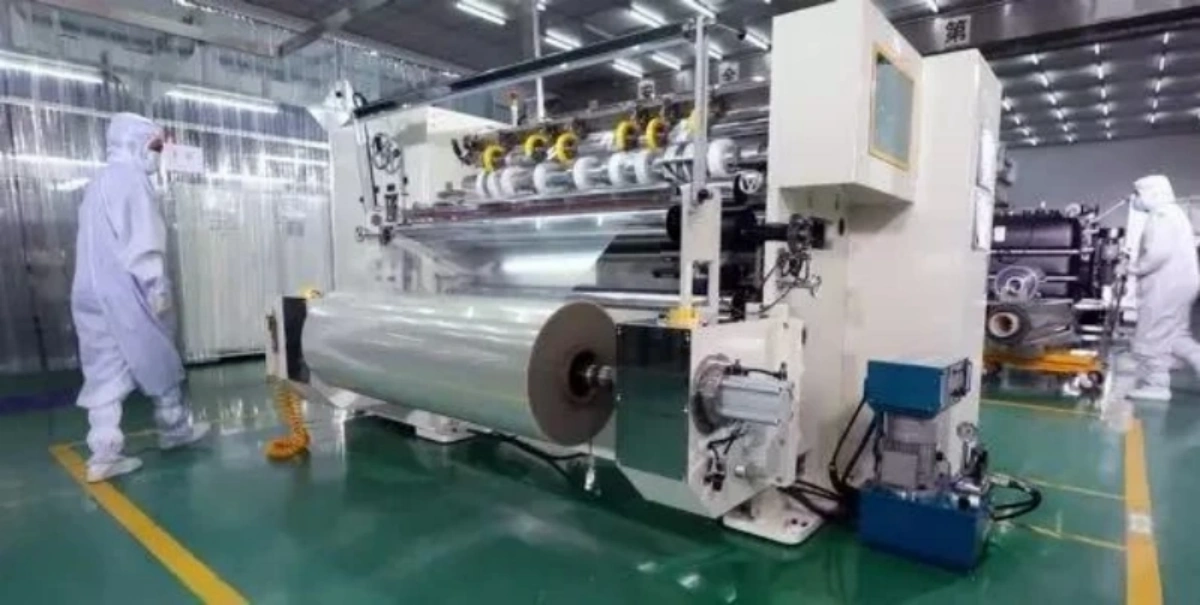
autoli TPU PPF Applied to all brand car models as ford、Infiniti、volvo、Dodge.Our factory cooperates with PPF wholesaler、Auto Repair Center、PPF brand and all so in many countries and regions around the world,like Egypt,Russia,Singapore,Finland,Macedonia,Greece,Warranty: 10 years.Our advantages:Short production cycle, quick delivery;Perfect after-sales service;Unlock Business Growth with Our Factory’s PPF.Our factory also provides PET FILM、Car Paint Protection Film.