

PPF withstands -40℃ to 80℃ temps, maintaining flexibility to avoid cracking in cold or warping in extreme heat.,Sun 纹 self-healing for long-term flawless look.,Hurry! Collaborate with Our Factory for Fast – Tracked PPF Deliveries and Business Leap.
The materials and technologies of PPF:
- pH-responsive anti-corrosion layer: Activates protective agents when exposed to acidic environments (e.g., acid rain).
- AI-powered installation assistant: Uses augmented reality (AR) glasses to guide installers through precise alignment, reducing labor time by 30%.
- Precision cutting technology: Relying on digital pattern data, it enables precise, non-destructive cutting for different vehicle surfaces, reducing membrane stretching damage during installation.
- Matte finish technology: Achieves 20-30° gloss levels with a velvet-like texture, ideal for luxury vehicles and matte paint protection.
- Customizable hardness levels: Offers 6H-9H hardness options to balance scratch resistance and flexibility based on vehicle usage.
- Thickness gradient optimization design: The thickness is differentiated according to the protection requirements of different vehicle parts (e.g., thicker for the hood to resist impact and thinner for the sides for easier adhesion), balancing protection and workability.
- Anti-static and dust-proof technology: The surface coating adds long-lasting anti-static agents, reducing the electrostatic adsorption force on the film surface, decreasing the frequency of dust and particle adhesion, and prolonging the cleaning cycle.
- High-humidity stability: Incorporates water-resistant crosslinkers to prevent delamination in tropical climates.
- Anti-icing coating: Reduces ice adhesion by 60% through superhydrophobic surfaces, improving safety in winter conditions.
TPU PPF VS PET PPF:
- Weight-Bearing Capacity – TPU PPF supports accessory mounting (e.g., light bars) with minimal sagging, while PET PPF distorts under similar weight.
- Outdoor Storage Performance – TPU PPF-protected vehicles show 70% less fading in outdoor storage, compared to 30% reduction with PET PPF.
- Chemical Cleaning Compatibility – TPU PPF tolerates iron removers and tar cleaners, while PET PPF may discolor with aggressive decontamination products.
- Adhesive Aging – TPU PPF’s adhesive retains 80% strength after 5 years, while PET PPF’s adhesive loses 50% strength in 3 years.
- Chemical Resistance – TPU PPF resists bird droppings and road salt for 72 hours, while PET PPF shows etching after 24 hours of exposure.
- UV Stability – TPU PPF with HALS additives resists yellowing for 10 years, while PET PPF typically yellows within 2–3 years of UV exposure.
The regulations of PPF and after-sales services:
- Lifetime Warranty Programs – Premium PPF brands like 3M offer 7-year warranties on Pro Series films, covering defects like delamination and yellowing, while excluding wear and tear or improper installation .
- Certified Installer Networks – Brands like Eastman (DragonFilm) enforce tiered certification programs (e.g., 1-star to 7-star) to ensure standardized installation practices and warranty validity .
- Warranty Transferability – Transferred vehicle ownership often requires warranty re-registration, with brands like 3M requiring updated documentation to maintain coverage .
- Class Action Liability – Manufacturers face potential litigation for non-compliant PPFs, as seen in cases involving PFAS contamination or false warranty claims .
- China’s Consumer Complaint Channels – PPF buyers in China can file quality-related disputes through the national 12315 hotline, facilitating regulatory oversight and resolution .
- 3M’s Warranty Exclusions – 3M’s warranty explicitly excludes watermarks, improper maintenance, and non-authorized products, emphasizing the need for professional installation and genuine materials .
The user scenarios and value validation of PPF:
- Commercial Fleet Operators – Reduces repaint frequency for Amazon delivery vans by 60%, cutting maintenance downtime by 15 hours per vehicle yearly.
- Electric Scooter Fleets – Shields shared e-scooter bodies from urban abuse, reducing repair frequency by 55% for companies like Bird and Lime.
- Horse Trailer Owners – Shields aluminum exteriors from hoof scratches and hay bale impacts, reducing annual touch-up costs by $800.
- Car Show Competitors – Enhances gloss on show cars like Ferrari 488s, with judges noting 30% higher “paint finish” scores for PPF-protected entries.
- Low-Maintenance Users – Minimizes washing frequency for busy professionals, as hydrophobic PPF keeps vehicles 30% cleaner between washes.
- Desert Dwellers – Blocks UV-induced fading in Dubai and Phoenix, keeping paint vibrant 3x longer than unprotected vehicles in 45°C heat.
Before & After: How PPF Transforms a 10-Year-Old Car:
- Before: Side vent actuator arms with paint chipping from movement; After: PPF covers arms, hiding chips and reducing friction-related damage.
- Before: Gas cap hinge with rust and paint peeling; After: PPF covers hinge area, hiding rust and preventing moisture from worsening damage.
- Before: Rear bumper step pad with paint worn away; After: PPF adds protective layer, hiding bare spots and resisting future wear from stepping.
- Before: Side mirror housing gaskets with paint peeling at edges; After: PPF wraps gasket edges, hiding peeling and preventing water from getting under paint.
- Before: Fender flare mounting screws with rust around heads; After: PPF covers screw heads, hiding rust and preventing water from worsening corrosion.
- Before: Rear window defroster lines with faded paint around them; After: PPF covers the area, hiding discoloration and protecting against ice scraper damage.
- Before: Door panel armrests (exterior) with paint worn from leaning; After: PPF wraps armrests, covering wear and maintaining comfort without damage.
- Before: Wheel well liners with paint transfer from tires; After: PPF lines liners, hiding transfer and preventing rubber from damaging paint further.
- Before: Front license plate bracket mounting holes with rust around them; After: PPF covers hole perimeters, hiding rust and preventing corrosion spread.
The extension of PPF’s functions:
- Before: Exhaust tip surrounds with heat discoloration; After: High-temperature PPF covers blueing and resists heat damage, maintaining appearance.
- Before: Front license plate bracket with rust and paint loss; After: PPF covers bracket edges, hiding rust and preventing water from worsening corrosion.
- Before: Wheel balance weights with rust staining around them; After: PPF covers weight areas, hiding stains and preventing rust from spreading under paint.
- Before: Door panels (exterior) with handprint stains and smudges; After: PPF’s non-porous surface hides stains and wipes clean easily, resisting new smudges.
- Before: Front license plate frame with rust staining; After: PPF covers frame edges, hiding stains and preventing rust from spreading to bumper paint.
The horizontal comparison of PPF with other protection methods:
- PPF vs. Anti-Scratch Sprays – Sprays offer mild scratch resistance for 1–3 months, while PPF provides robust defense against deep scratches for 5 years.
- PPF vs. Silicone Coatings – Silicone coatings repel water but degrade quickly (1–2 years) under UV exposure, whereas PPF maintains hydrophobicity for 5 years with UV stabilizers.
- PPF vs. Nano-Ceramic Sprays – Nano-sprays enhance chemical resistance for 1–2 years but offer no physical defense, whereas PPF adds a protective barrier against impacts.
- PPF vs. Leather Protectors – Leather treatments guard against spills/cracking, while interior PPF shields dash/console plastics from UV fading and scratches, with separate material focuses.
- PPF vs. Rubberized Undercoating – Undercoating protects metal from rust, while PPF defends painted surfaces from road debris, with non-overlapping application zones.
- PPF vs. Rust Proofing Treatments – PPF shields exterior paint from corrosion triggers (salt/sand), while rust proofing targets metal undercarriages, with complementary roles in full protection.
- PPF vs. Vinyl Protectants – Vinyl protectants prevent cracking in vinyl wraps but don’t shield against impacts, unlike PPF which adds scratch resistance to wrapped surfaces.
- PPF vs. Lacquer Sealants – Lacquer sealants provide a glossy finish but yellow quickly under UV, while PPF’s anti-yellowing formulas maintain clarity for a decade.
The construction and maintenance of PPF:
- Wet Application Method – Spraying a soapy water solution between the film and surface allows repositioning before final adhesion.
- Low-Temperature Cleaning – Using warm (not hot) water in winter prevents thermal shock to the PPF and adhesives.
- Heat Gun Distance Control – Keeping heat guns 15–20cm from edges prevents film shrinkage during edge sealing.
- Panel Sectioning – Applying PPF in smaller panel sections (e.g., hood, fenders) ensures better conformity to complex contours.
- Long-Term Replacement Planning – Scheduling replacement before topcoat failure (typically 5–10 years) avoids adhesive residue buildup.
- Monthly Topcoat Dullness Checks – Inspecting for reduced gloss indicates when a sealant boost is needed to restore hydrophobicity.
- Pre-Installation Paint Thickness Gauging – Using a paint meter ensures PPF application won’t exceed safe layers on thin factory paint finishes.
- Tool Sterilization – Cleaning squeegees and blades with isopropyl alcohol avoids cross-contamination of adhesives.
AUTOLI(CN) PPF(Paint Protection Film) oem manufacturer
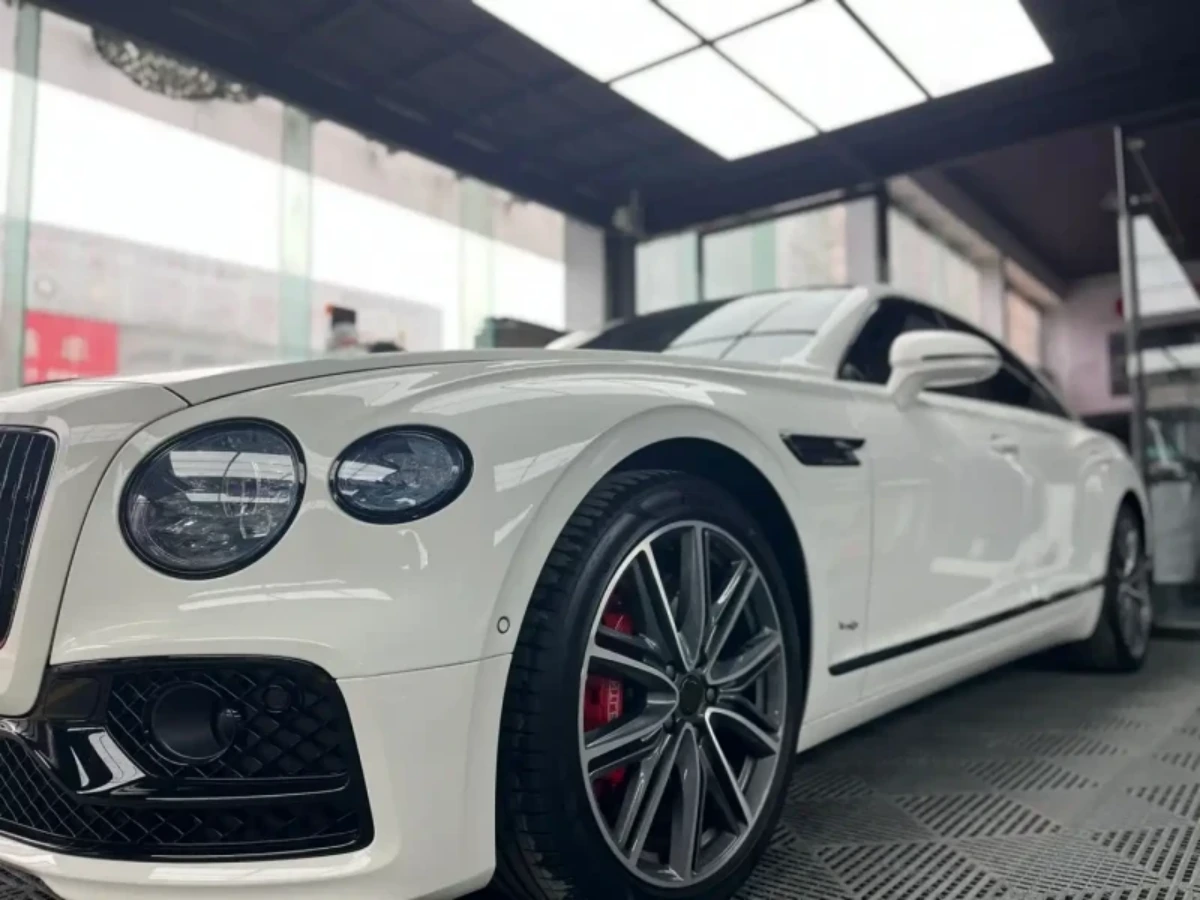
autoli TPU PPF Applied to all brand car models as Ferrari、Nissan、Honda、jeep.Our factory cooperates with Auto Detailing Shop、PPF trading、PPF agent and all so in many countries and regions around the world,like Venezuela,Denmark,Paraguay,Canada,Warranty: 10 years.Our advantages:Strict quality control system;Unlock Business Growth with Our Factory’s PPF;Collaborate for Lucrative Returns: Source factory;Perfect after-sales service.Our factory also provides Vinyl wrapping、vinyl Wraps、PPF.