

PPF’s self-healing tech repairs hairline scratches at 40-60℃, with nano-coatings accelerating recovery—even activated by warm water.,Avoids blade contact with paint during cutting.,Factory – Made PPF: Protect Your Investment, Save Big.
The cutting-edge technology research and development of PPF:
- 3D-Printed Customization – Selective Absorption Fusion (SAF?) 3D printing allows complex PPF geometries with integrated channels for thermal management.
- Dynamic Wettability Coatings – pH-responsive surfaces switch between superhydrophobic and hydrophilic states to adapt to varying environmental conditions.
- AI-Powered Material Discovery – High-throughput screening platforms identify novel TPU formulations with tailored properties in days instead of years.
- Smart Adhesive Systems – Pressure-sensitive adhesives with shape memory properties adjust bonding strength based on temperature and humidity.
- Nano-Ceramic Coatings – Nano-ceramic-infused topcoats enhance scratch resistance by 300% while maintaining hydrophobicity and UV stability, ideal for extreme climates.
- Self-Healing Microcapsules – Microencapsulated healing agents embedded in TPU films automatically repair scratches upon impact, restoring surface integrity without external heat.
- Biodegradable Edge Sealants – Plant-based sealants with controlled degradation rates prevent edge lifting while decomposing naturally in soil.
- Quantum Dot UV Protection – Quantum dot-infused films block 99.9% of UV rays while enhancing color stability, preventing yellowing over 10 years.
- Superelastic PPF – Shape memory alloys (SMAs) integrated into TPU films recover from 500% elongation without permanent deformation.
- Antistatic Coatings – Graphene nanoplatelets integrated into topcoats dissipate static charge, preventing dust accumulation in industrial environments.
The user pain points of PPF and their solutions:
- Confusion About Maintenance Products – Solved by brand-specific cleaning kits and “approved products” lists to avoid topcoat damage.
- Scratches from Automated Car Washes – Prevented by scratch-resistant topcoats (9H hardness) and “brushless wash safe” certifications.
- Warranty Claim Denials – Prevented by transparent warranty terms, certified installer networks, and digital claim tracking.
- Edge Lifting – Addressed through heat-sealed edges and nano-adhesive technology, reducing lifting by 75% in car washes.
- Difficulty Removing Old PPF – Simplified with low-tack, residue-free adhesives and professional heat-assisted removal services.
- Mold Growth in Humid Climates – Prevented by antimicrobial additives and breathable film designs allowing moisture evaporation.
- Warranty Claim Denials – Prevented by transparent warranty terms, certified installer networks, and digital claim tracking.
- Complex Maintenance – Simplified via pH-neutral cleaning kits, hydrophobic topcoats, and quarterly sealant boosters.
The cost structure and price composition of PPF:
- Environmental Certification Premiums – Eco-friendly PPF costs 5–10% more due to sustainable material sourcing.
- PVC vs. TPU Cost Gap – PVC raw materials cost 50% less than TPU but result in 30% lower售价 due to performance limitations.
- Anti-Counterfeit Measures – Holographic labels and QR codes add $0.05–$0.10 per square foot to prevent piracy.
- Price Matching Adjustments – Competitive price matching reduces margins by 5–10% but preserves market share.
- Packaging Efficiency Savings – Bulk rolls reduce packaging costs by 40%, passing 10–15% savings to buyers.
- Replacement Part Pricing – Small repair patches cost 2–3x per square foot vs. full rolls due to handling costs.
The materials and technologies of PPF:
- Self-healing quantum dot coating: Uses photoluminescent particles to repair micro-scratches within 10 minutes under sunlight.
- 3D-printed micro-channel network: Utilizes selective laser sintering (SLS) to create breathable micro-channels that enhance heat dissipation and reduce condensation under the film.
- Bio-based TPU formulation: Uses 30% plant-derived materials (e.g., castor oil) without compromising mechanical performance, certified by ASTM D6400.
- Ceramic coating compatibility: Features a receptive top layer that bonds seamlessly with ceramic coatings, creating a hybrid protection system with enhanced scratch resistance.
- RFID tracking chip: Embeds a passive RFID tag for anti-theft tracking and warranty management, readable via smartphone NFC.
- Surface hardness enhancement technology: By incorporating nano-ceramic particles into the coating, the pencil hardness of the film surface is increased to 9H level, enhancing the anti-scuff and anti-abrasion performance against hard objects such as keys and sand.
- Anti-microbial coating infusion: Incorporates silver-ion nanoparticles to inhibit 99% of bacteria and mold growth on film surfaces in humid climates.
- Anti-icing coating: Reduces ice adhesion by 60% through superhydrophobic surfaces, improving safety in winter conditions.
- Rapid curing adhesive technology: Enables full adhesive strength development within 24 hours (vs. 48-72 hours for conventional adhesives), shortening post-installation care time.
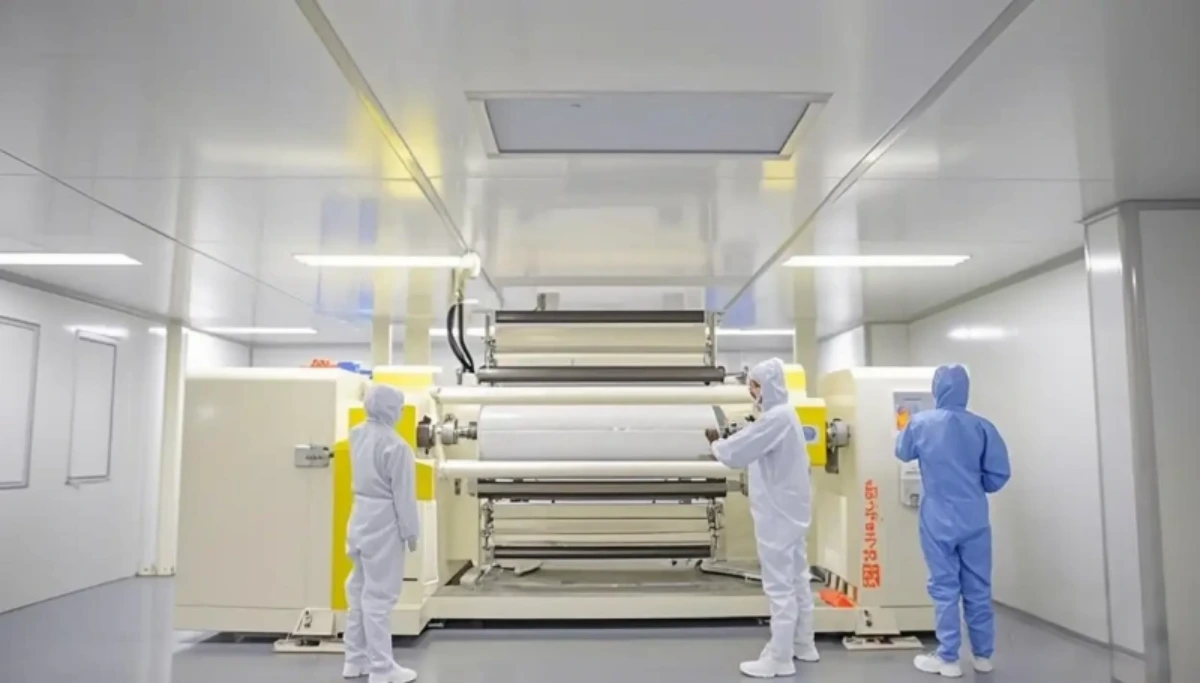
The horizontal comparison of PPF with other protection methods:
- PPF vs. Matte Paint Sealants – PPF preserves matte paint texture while adding scratch resistance, whereas matte sealants focus on maintaining finish but lack impact defense.
- PPF vs. Multi-Surface Sealants – Multi-surface sealants offer mild protection across materials, while PPF provides specialized, high-impact defense for painted surfaces alone.
- PPF vs. Teflon Coatings – Teflon coatings reduce friction but lack self-healing, unlike PPF which repairs micro-scratches and resists abrasion better in high-wear areas.
- PPF vs. Headlight Restoration Kits – Restoration fixes yellowing, while PPF prevents UV damage and rock chips on headlights, extending clarity 3x longer than restored lenses alone.
- PPF vs. Anti-Fade Treatments – Anti-fade treatments slow UV damage but don’t prevent scratches, unlike PPF which blocks UV rays and shields against physical wear.
- PPF vs. Wax Sprays – Wax sprays enhance gloss for 2–4 weeks but offer no scratch protection, while PPF provides long-term defense with minimal maintenance.
- PPF vs. Graphite Coatings – Graphite coatings reduce friction on metal parts but don’t protect paint, unlike PPF which shields exterior surfaces from physical damage.
- PPF vs. Wheel Protective Films – PPF is designed for large painted panels, while specialized wheel films handle brake dust/heat, with PPF offering broader impact resistance.
- PPF vs. Liquid Glass Coatings – Liquid glass offers 6–12 months of chemical resistance but lacks physical impact protection, while PPF combines 5 years of scratch defense with self-healing capabilities.
The user scenarios and value validation of PPF:
- Ambulance Fleets – Protects emergency vehicle exteriors from disinfectant damage, maintaining visibility of markings and reducing repaint needs by 50% annually.
- Classic Car Collectors – Preserves original paint on 1960s Corvettes and Porsche 911s, with PPF removable without residue for concours-level restorations.
再来30句,句子前面加
- ,句子结尾加
,各用一句话概括,用英文
- Urban Commuters – Resists parking lot dings and shopping cart scratches in cities like Tokyo, with 85% of users reporting no visible paint damage after 1 year.
- Airport Ground Crew Vehicles – Resists jet fuel splatters and tarmac debris, reducing paint degradation on airport tugs by 70%.
- Custom Paint Owners – Preserves expensive matte or chameleon finishes, with PPF preventing swirl marks that would ruin $5,000 custom paint jobs.
The production supply chain and quality control system of PPF:
- Carbon Footprint Tracking – Lifecycle analysis of supply chain emissions, with reduction targets for transportation and production.
- Statistical Process Control (SPC) – Real-time monitoring of extrusion parameters with control charts to maintain CpK ≥ 1.33.
- Packaging Material Supply – Partnerships with recyclable packaging manufacturers to align with sustainability goals.
- Localization Strategies – Regional production for large markets (e.g., China, US) to reduce shipping costs and tariffs.
- Customer Feedback Integration – Warranty claim analysis used to identify unforeseen quality issues in real-world use.
- Additive Supply Chain – Strategic partnerships with specialty chemical firms for UV stabilizers, self-healing agents, and nano-ceramic additives.
- Lean Manufacturing Practices – 5S and waste reduction initiatives improving consistency and reducing defects.
The protective performance of PPF:
- Commercial Vehicle Anti-Graffiti – Repels spray paint and markers, allowing quick removal without damaging fleet vehicle finishes.
- Edge Sealing Technology for Longevity – Prevents edge lifting through precise installation and heat-activated adhesive, ensuring 10 year durability.
- Salt Spray Resistance – Protects against corrosion caused by road salt used in winter or coastal environments.
- Environmental Friendliness – Recyclable TPU materials and solvent-free adhesives reduce ecological impact during production and disposal.
- **Chip and Dent Deterrence** – By acting as a buffer, PPF helps deter chips and small dents from forming on the vehicle’s bodywork caused by flying debris on the highway.
- High-Impact Energy Absorption – Multi-layer TPU films disperse collision forces, protecting against deep dents from rocks or debris.
- UV Resistance – Blocks harmful UV rays to prevent paint fading, oxidation, and premature aging.
- 100 Color Customization – Offers diverse color options for personalized styling without compromising protective performance.
- ASTM D1044 Compliance – Meets rigorous scratch resistance standards, ensuring reliable performance in real-world use.
The environmental protection and sustainability of PPF:
- Bulk Roll Distribution – Supplying large rolls to installers reduces packaging waste by 70% compared to pre-cut kit packaging.
- Green Manufacturing Certifications – ISO 14001-certified facilities ensure PPF production follows environmentally responsible management systems.
- Waste Heat Recovery – Capturing factory heat for water heating reduces natural gas use by 20% in manufacturing facilities.
- Electric Delivery Vans – Urban distribution uses EV fleets, reducing tailpipe emissions by 100% in city centers.
- Recyclable Cardboard Cores – PPF rolls use recycled cardboard cores instead of plastic, with 90% recyclability post-use.
- Wind-Powered Manufacturing – PPF producers using wind energy reduce production emissions by 35% compared to grid-powered facilities, aligning with renewable energy goals.
AUTOLI(CN) PPF(Paint Protection Film) manufacturer
autoli TPU PPF Applied to all brand car models as Cadillac、Buick、Benz、ford.Our factory cooperates with PPF distributor、Car Customization Shop、PPF wholesale、Auto Detailing service、ppf installation and all so in many countries and regions around the world,like Pakistan,Holland,Czech,India,Warranty: 10 years.Our advantages:Large stock of styles for you to choose from;Unlock Business Growth with Our Factory’s PPF;Our customers are all over the world.Our factory also provides vinyl Wraps、Paint Protection Film.