

PPF’s aliphatic TPU resists hydrolysis, lasting 5-10 years vs. 1-2 years for poor polyester TPU prone to yellowing.,Preserves custom paint finish originality.,Team with Us: Access High – Quality, Multicolored PPF at Unbeatable Rates.
The regulations of PPF and after-sales services:
- Class Action Liability – Manufacturers face potential litigation for non-compliant PPFs, as seen in cases involving PFAS contamination or false warranty claims .
- Certified Installer Networks – Brands like Eastman (DragonFilm) enforce tiered certification programs (e.g., 1-star to 7-star) to ensure standardized installation practices and warranty validity .
- Lifetime Warranty Programs – Premium PPF brands like 3M offer 7-year warranties on Pro Series films, covering defects like delamination and yellowing, while excluding wear and tear or improper installation .
- Australia’s UV Protection Standards – PPFs sold in Australia/NZ must comply with AS/NZS 4399 for UV protection, requiring UPF ratings ≥15 and transparency in labeling .
- Post-Installation Inspections – Professional installers like NAR PPF conduct post-installation checks to ensure edge sealing and material adherence, minimizing warranty claims .
- India’s BIS Certification for PP Materials – Polypropylene (PP) used in PPF production must meet India’s BIS certification under IS 10951:2020, ensuring quality and safety for domestic and export markets .
- Regional Regulatory Exemptions – Medical device packaging and hazardous goods transportation are exempt from EU PPWR’s recyclability rules, affecting niche PPF applications .
- Certified Installer Networks – Brands like Eastman (DragonFilm) enforce tiered certification programs (e.g., 1-star to 7-star) to ensure standardized installation practices and warranty validity .
The user perception and consumption misconceptions of PPF:
- Correct Perception: Long-Term Cost Savings – 68% of users understand PPF reduces repaint costs over 5 years, aligning with data showing $2,000 savings on luxury vehicles.
- Correct Perception: Professional Installation Worth Cost – 90% of satisfied users attribute results to certified installers, valuing dust-free environments and precision tools.
- Correct Perception: PPF Preserves Custom Paint Investments – Owners of $5k custom paint jobs use PPF, avoiding costly touch-ups from minor damage.
- Correct Perception: Ceramic Coating Synergy – Savvy users pair PPF with ceramic topcoats, enhancing hydrophobicity and scratch resistance by 40%.
- Correct Perception: Edge Coverage Prevents Lifting – Opting for “full edge” wraps that fold film over panel edges, reducing wear from debris.
- Consumer Misconception: “PPF Yellowing Is Visible Immediately” – Expecting instant discoloration, not realizing quality films take 5 years to show subtle yellowing.
- Correct Perception: Resale Value Boost – 81% of luxury car owners recognize PPF-preserved paint enhances resale value by 5–10% in pre-owned markets.
- Consumer Misconception: “Once Applied, No Maintenance Needed” – A common myth that PPF requires zero upkeep, ignoring the need for pH-neutral cleaning to preserve hydrophobicity.
How TPU Redefines PPF:
- Matte Finish Compatibility – TPU’s texture-preserving formulations redefined PPF from gloss-only products to matte-safe films that maintain specialty paint textures.
- Lightweight Advantage – TPU’s low density redefined PPF from heavy covers to fuel-efficient options reducing vehicle weight by 1–2kg vs. PVC alternatives.
- Adhesive Innovation – TPU’s low-tack yet strong adhesives redefined PPF from permanent-only films to removable options safe for lease vehicles.
- Low-Outgassing – TPU’s minimal volatile emissions redefined PPF from interior-offensive products to cabin-safe films for enclosed vehicle spaces.
- Cost Predictability – TPU’s stable pricing redefined PPF from lumber-market-dependent products to cost-consistent options vs. wood or PVC alternatives.
- Inclusive Design – TPU’s compatibility with all vehicle makes/models redefined PPF from luxury-only products to accessible protection for economy cars and classics.
- Repairability Focus – TPU’s patchable design redefined PPF from full-replacement products to partially repairable systems cutting maintenance costs.
- Insurance Benefits – TPU’s damage reduction redefined PPF from cosmetic upgrades to insurance-pleasing investments lowering repair claims by 40%.
- Nano-Reinforcement – Graphene or ceramic-infused TPU redefined PPF from standard films to high-performance barriers with 200% improved tensile strength.
Why TPU PPF:
- Weatherproof Connections – Gasketed joints prevent water infiltration at beam intersections.
- Minimal Site Disruption – Lightweight components require smaller foundation footings than steel.
- Wildlife Resistant – No organic materials to attract birds, squirrels, or bees.
- Adjustable Roof Options – Compatible with louvered systems for rain/sun control (manual or motorized).
- Urban Space Friendly – Compact designs suitable for small yards and rooftop terraces.
- Color Retention – UV-stable pigments resist fading, maintaining appearance in direct sunlight.
- Accessibility Compliance – Can be integrated with wheelchair-accessible pathways and ramps.
- Termite Resistance – Impervious to insect damage, unlike wooden pergolas vulnerable to termites and carpenter ants.
- Lightweight Construction – Aluminum’s low density (2.7 g/cm3) simplifies installation, requiring fewer structural supports than wooden alternatives.
Say Goodbye to Car Scratches: Self-Healing PPF Revealed!:
- Top brands back self-healing PPF with 5–15 year warranties, guaranteeing repair performance for the film’s lifespan.
- Self-healing PPF minimizes “witness marks” from minor collisions, reducing the visual impact until professional repairs are possible.
- UV-stable formulas ensure self-healing PPF resists yellowing while still repairing sun-induced micro-scratches.
- The healing process leaves no residue or discoloration, ensuring repairs are invisible and maintain the original paint’s finish.
- Low-speed parking lot collisions leave minimal visible damage, as self-healing PPF repairs surface scratches from impacts.
- Self-healing efficiency is highest for thinner scratches, making it ideal for preventing “spider web” swirl marks.

The product classification and selection logic of PPF:
- Light Transmission Needs – Selecting high-clarity PPF for headlights to maintain visibility and safety.
- UV Index Alignment – Upgrading to high-UV protection PPF for equatorial regions with intense sunlight.
- Skill-Level Alignment – Choosing DIY pre-cut kits for experienced users vs. professional installation for complex vehicle contours.
- User Skill Level Matching – Choosing beginner-friendly PPF with forgiving adhesives for first-time DIY installers.
- Function-Centric Categories – Segmented into self-healing, UV-resistant, anti-yellowing, and hydrophobic variants based on core benefits.
- Impact Energy Absorption – Prioritizing viscoelastic PPF for highway drivers to reduce stone chip damage at high speeds.
The production supply chain and quality control system of PPF:
- Raw Material Sourcing – TPU resin procurement from certified suppliers (e.g., Lubrizol, BASF) with ISO 9001 certification for consistent polymer quality.
- Customs Broker Partnerships – Global logistics firms managing import/export documentation to comply with regional regulations.
- Supplier Scorecards – Quarterly evaluation of suppliers on quality, delivery, cost, and sustainability metrics.
- Thickness Gauging – Laser sensors measuring film thickness every 0.5 seconds, ensuring ±0.1mil tolerance.
- Impact Resistance Validation – Dart impact tests (160g at 3m) ensuring films resist punctures under standard conditions.
- Corrective Action Plans – Documented steps to address out-of-spec results, with timelines for implementation and verification.
- Quality Metrics Dashboard – Real-time monitoring of PPM (parts per million) defects, yield rates, and CPK values.
- Sustainability Audits – Annual assessments of suppliers’ carbon footprints and waste reduction efforts for eco-friendly sourcing.
- Reverse Logistics – Systems for returning defective rolls, with sorting centers identifying repairable vs. recyclable materials.
Before & After: How PPF Transforms a 10-Year-Old Car:
- Before: Wheel wells with rust starting to show through paint; After: PPF’s moisture barrier covers early rust and blocks water/salt from accelerating corrosion.
- Before: Exhaust tip surrounds with heat discoloration; After: High-temperature PPF covers blueing and resists heat damage, maintaining appearance.
- Before: Side vent grilles with dust buildup and paint chipping; After: PPF covers grille edges, hiding chips and simplifying cleaning of dust-prone areas.
- Before: Quarter panels with water spots and mineral deposits; After: Hydrophobic PPF repels water, hiding existing spots and preventing new buildup.
- Before: Faded red paint with uneven color from UV exposure; After: UV-blocking PPF revives depth and uniformity, making the color pop like fresh factory paint.
- Before: Roof rack crossbars with scratched paint from cargo; After: PPF covers bars, hiding scratches and reducing friction damage from cargo movement.
- Before: Windshield trim with peeling paint and cracks; After: PPF wraps trim edges, hiding peeling and preventing water intrusion that causes further damage.
- Before: Side mirror housing gaskets with paint peeling at edges; After: PPF wraps gasket edges, hiding peeling and preventing water from getting under paint.
- Before: Door edge guards with peeling rubber and exposed paint; After: PPF wraps edges, covering exposed areas and preventing further guard deterioration.
- Before: Rear window trim with black paint turning gray; After: PPF’s color-stable film covers faded trim, restoring uniform black appearance.
The user scenarios and value validation of PPF:
- Luxury Vehicle Owners – Preserves factory paint on high-end cars like Mercedes-Maybach, with 92% of owners reporting retained resale value after 3 years of PPF use.
- Pet Owners with Cargo Vans – Shields interior panels from dog claws and fur, with PPF making cleanup 40% faster after transport.
- Off-Road Enthusiasts – Shields Jeep Wrangler and Ford Bronco fenders from trail rocks and branches, reducing paint repair costs by $800 annually.
- Vintage Camper Van Enthusiasts – Preserves 1960s VW Bus paint while camping, with PPF resisting tree sap and rain stains during outdoor trips.
- Performance Car Drivers – Shields Porsche GT3 and BMW M4 hoods from brake dust and tire debris during track days, reducing post-event detailing time by 2 hours.
- Agricultural Vehicle Users – Shields tractor cabs from crop debris and mud, maintaining visibility and reducing cleaning time by 30% per week.
- New Car Buyers – Guards fresh factory paint on brand-new vehicles, with 98% of users avoiding “first scratch” frustration in the first 6 months.
- New Car Buyers – Guards fresh factory paint on brand-new vehicles, with 98% of users avoiding “first scratch” frustration in the first 6 months.
AUTOLI(CN) PPF(Paint Protection Film) oem manufacturer
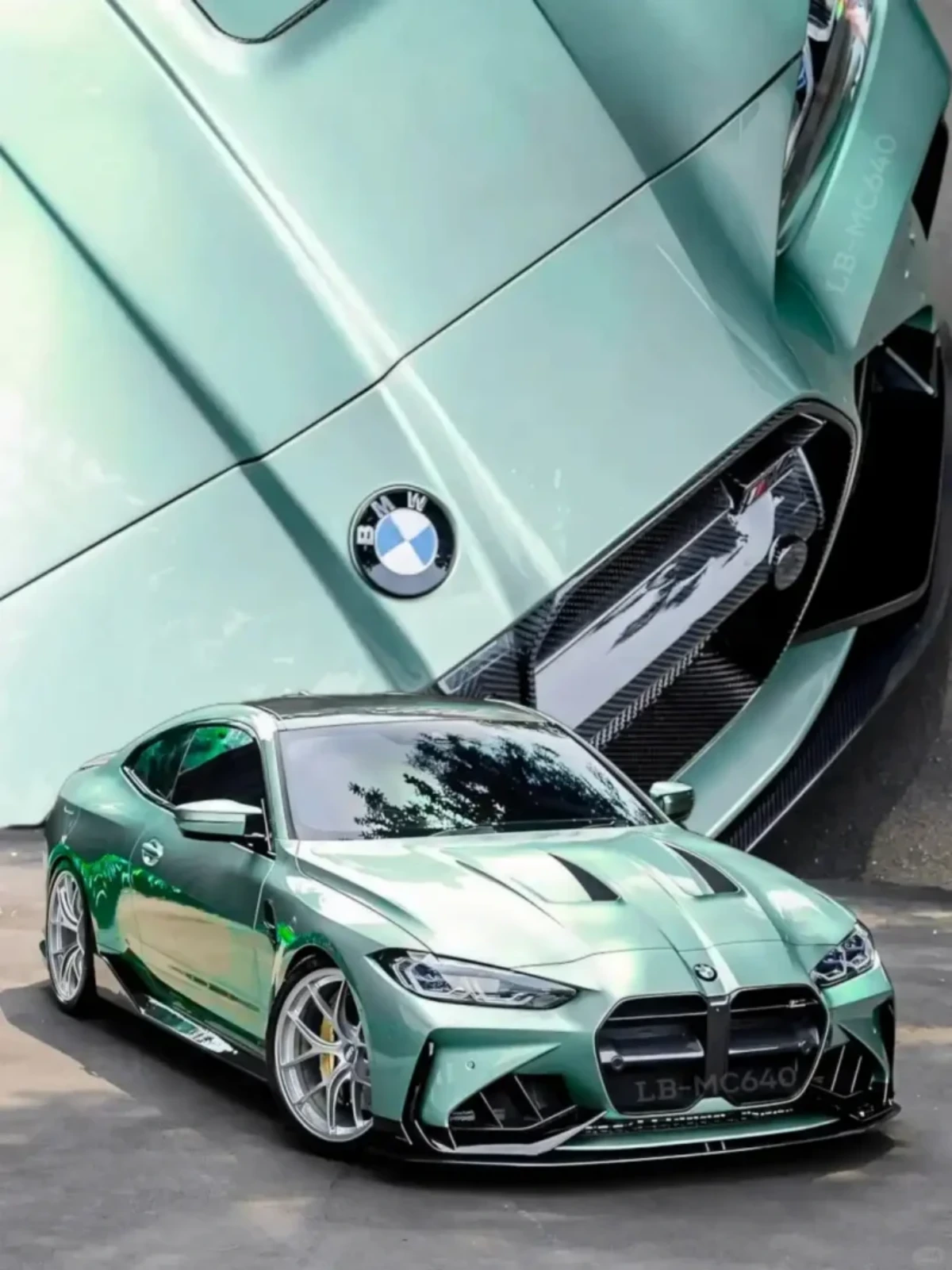
autoli TPU PPF Applied to all brand car models as McLaren、Chevrolet、Lamborghini、Lincoln、Buick.Our factory cooperates with car Detail、PPF wholesale、ppf installation、Auto Detailing Shop and all so in many countries and regions around the world,like Jamaica,Germany,United States,Colombia,Warranty: 10 years.Our advantages:Efficient production reduces costs;SGS, ASTM, REACH, UL and other certifications;Unlock Business Growth with Our Factory’s PPF;Perfect after-sales service.Our factory also provides Vinyl Car Wrap、Car PPF.