

PPF’s application by certified technicians guarantees quality, with training in proper techniques for long-lasting results.,Post-installation bubble removal capability.,Partner for Profit: Premium – Grade PPF, Abundant Color Choices, and Cost – Effective Deals.
The user perception and consumption misconceptions of PPF:
- Consumer Misconception: “PPF Yellowing Is Visible Immediately” – Expecting instant discoloration, not realizing quality films take 5 years to show subtle yellowing.
- Correct Perception: UV Protection Value – Users increasingly link PPF to preventing paint fading, with 72% citing UV resistance as a key purchase driver.
- Correct Perception: Partial Coverage Value – Many opt for high-impact areas (hood, fenders) over full wraps, balancing protection and cost effectively.
- Consumer Misconception: “All PPF Self-Heals the Same” – Assuming budget films repair as well as premium ones, unaware that microcapsule density varies by price point.
- Consumer Misconception: “PPF Yellowing Is Inevitable” – Fearing all PPF yellows, unaware that modern anti-yellowing formulas with HALS stabilizers last 10 years clear.
- Correct Perception: Pre-Cut vs. Hand-Cut Tradeoffs – Users understand pre-cut kits save time, while hand-cut offers better precision on complex curves.
- Correct Perception: Impact Absorption Benefits – Off-road enthusiasts correctly rely on PPF to disperse rock impacts, reducing paint chipping by 75%.
- Consumer Misconception: “PPF Blocks Car Washes” – Avoiding automated washes due to fear of damage, when brushless systems are actually safe for properly installed PPF.
- Consumer Misconception: “All PPF Installers Are Equal” – Choosing based on price alone, ignoring differences in training, tools, and workspace quality.
The regulations of PPF and after-sales services:
- NAR Auto Film’s Compensation Policy – NAR PPF provides 1:1 pre-installation and 1:2 post-installation defect compensation, backed by factory insurance covering up to 100% of replacement costs .
- India’s BIS Certification for PP Materials – Polypropylene (PP) used in PPF production must meet India’s BIS certification under IS 10951:2020, ensuring quality and safety for domestic and export markets .
- Japan’s Window Tinting Restrictions – Japanese regulations ban PPF installation on front driver/passenger windows and mandate partial windshield film transparency to ensure unobstructed visibility .
- California CARB VOC Limits – PPF adhesives sold in California must comply with CARB’s strict VOC regulations, reducing harmful emissions during installation to align with regional air quality standards .
- Blockchain Warranty Verification – 3M utilizes blockchain to secure digital warranties, enabling traceable ownership transfers and fraud prevention .
- Supply Chain Traceability – EU PPWR mandates tracking PPF materials from production to disposal, ensuring compliance with recycled content targets (e.g., 30% by 2030) .
- China’s Consumer Complaint Channels – PPF buyers in China can file quality-related disputes through the national 12315 hotline, facilitating regulatory oversight and resolution .
- Nano-Coating Warranty Bundles – Hybrid solutions combining PPF with ceramic coatings (e.g., Onyx PPF Nano Coat) offer extended warranties covering both layers .
- Warranty Transferability – Transferred vehicle ownership often requires warranty re-registration, with brands like 3M requiring updated documentation to maintain coverage .
The product classification and selection logic of PPF:
- Performance Tiers – Categorized as economy, mid-range, or premium based on additive packages (ceramic, graphene) and durability.
- Cost-Benefit Analysis – Balancing PPF cost against potential repaint expenses to determine optimal protection level.
- Anti-Static Needs – Selecting carbon-infused PPF for dust-prone environments to reduce surface dirt accumulation.
- Pattern Complexity Matching – Opting for laser-cut PPF for vehicles with intricate contours (sports cars, classics).
- Chemical Resistance Needs – Selecting acid-resistant PPF for regions with heavy bird droppings or industrial pollution.
- Saltwater Exposure Protection – Choosing marine-grade PPF for coastal vehicles to resist salt-induced corrosion.
- Installation Environment Adaptation – Selecting low-temperature curing PPF for professional shops without climate control.
- Warranty Duration Classes – Segmented by warranty terms (1–15 years), reflecting durability and manufacturer confidence in performance.
- Temperature Cycle Tolerance – Selecting PPF with low thermal expansion for regions with extreme temperature swings.
- Installation Access Logic – Choosing hybrid PPF with air-release adhesives for hard-to-reach areas requiring repositioning.
The horizontal comparison of PPF with other protection methods:
- PPF vs. Traditional Wax – PPF provides long-term scratch/dent defense (5 years) compared to wax’s 2–3 months of mild UV protection and gloss enhancement.
- PPF vs. Fabric Protectors – Fabric protectors repel stains on interiors, while PPF defends exterior paint, with both using hydrophobic tech but on different materials.
- PPF vs. Multi-Surface Sealants – Multi-surface sealants offer mild protection across materials, while PPF provides specialized, high-impact defense for painted surfaces alone.
- PPF vs. Anti-Fade Treatments – Anti-fade treatments slow UV damage but don’t prevent scratches, unlike PPF which blocks UV rays and shields against physical wear.
- PPF vs. Clear Bra (PVC) – Modern TPU PPF offers self-healing and flexibility, outperforming rigid PVC clear bras that crack in cold weather and lack repair capabilities.
- PPF vs. Ceramic Coatings – PPF offers physical impact protection (resisting rocks/chips) while ceramic coatings focus on chemical resistance and hydrophobicity, with PPF lasting 5–10 years vs. 2–5 for ceramics.
- PPF vs. Leather Protectors – Leather treatments guard against spills/cracking, while interior PPF shields dash/console plastics from UV fading and scratches, with separate material focuses.
- PPF vs. Chassis Undercoating – Undercoating protects metal from rust, while PPF defends visible painted surfaces from chips, with both addressing different vehicle vulnerability areas.
- PPF vs. Rust Proofing Treatments – PPF shields exterior paint from corrosion triggers (salt/sand), while rust proofing targets metal undercarriages, with complementary roles in full protection.
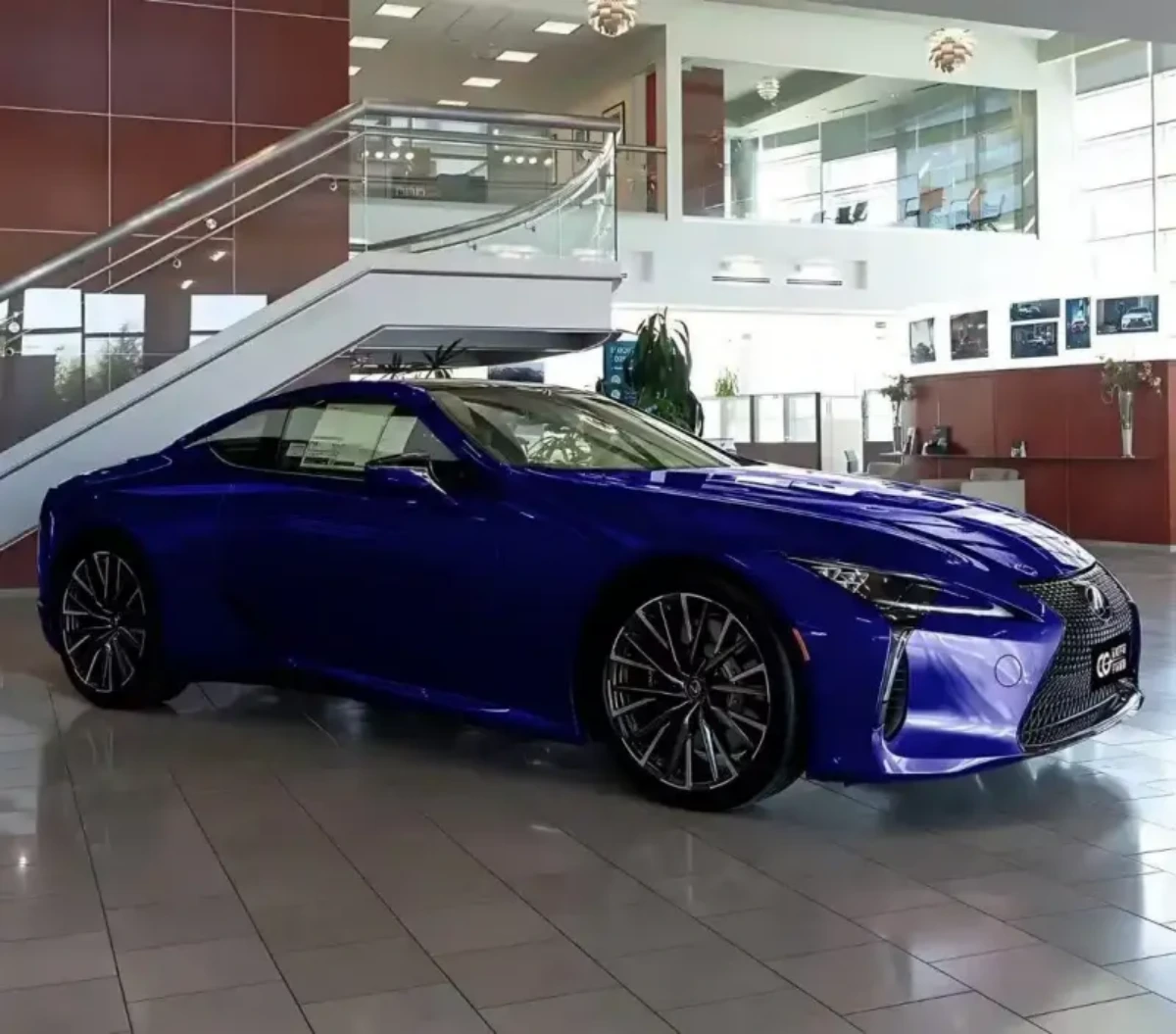
Before & After: How PPF Transforms a 10-Year-Old Car:
- Before: Door jambs with paint wear from repeated opening; After: PPF lines jambs, covering scuffs and reducing friction between metal and paint.
- Before: Side mirror adjustment controls (exterior) with paint wear; After: PPF covers controls, hiding wear and reducing friction during adjustments.
- Before: Side vent louvers with paint chipping on edges; After: PPF covers louver edges, hiding chips and preventing debris from catching and causing more damage.
- Before: Side view mirror housings with paint worn from adjusting; After: PPF wraps housings, covering wear and reducing friction during adjustments.
- Before: Wheel well liners with paint transfer from tires; After: PPF lines liners, hiding transfer and preventing rubber from damaging paint further.
The long-term monitoring and maintenance system after the installation of PPF:
- Quarterly Edge Seal Audits – Inspecting heat-sealed edges with 10x magnification to detect early lifting before water ingress occurs.
- Thermal Stress Monitoring – Documenting film performance after extreme heat (>35°C) or cold (<0°C) to identify temperature-related degradation.
- Bi-Annual Hydrophobicity Tests – Spraying water to check contact angles (>110° indicates effective topcoat; re-seal if below 90°).
- Quarterly Sealant Boosts – Applying PPF-grade SiO? sealants to restore hydrophobicity and enhance scratch resistance.
- Interior PPF UV Protection – Using window tints with 99% UV blockage to reduce dashboard film fading in sunny climates.
- Smart Sensor Data Reviews – Analyzing embedded sensor data on temperature exposure and impact forces to predict maintenance needs.
- AI-Powered Image Analysis – Uploading photos to brand apps for algorithmic detection of imperceptible defects (e.g., subsurface bubbles).
- Cold-Weather Adhesive Care – Avoiding pressure washing in sub-zero temperatures to prevent thermal shock to adhesives.
- UV Index-Based Protection – Applying UV-stabilizing sprays when UV index exceeds 7 to complement built-in anti-yellowing additives.
- Bi-Weekly Two-Bucket Washing – Using grit guards in separate wash and rinse buckets to avoid reintroducing debris to PPF.
The cost structure and price composition of PPF:
- Customer Acquisition Costs – Average $200–$500 per new client, factored into initial service pricing.
- Online vs. Offline Pricing – E-commerce channels offer 5–10% lower prices due to reduced physical store overhead.
- Installation Training Costs – Certified installer programs add $50–$100 per vehicle to cover technician certification.
- Bio-Based TPU Premium – Plant-derived TPU increases raw material costs by 15–20% but supports premium pricing.
- Full Vehicle Wrap Pricing – Complete coverage costs $2,000–$8,000, with labor accounting for 60–70% of total.
- Carbon Offset Surcharges – Optional $5–$10 per vehicle for carbon-neutral shipping, adopted by 15–20% of buyers.
AUTOLI(CN) PPF(Paint Protection Film) oem factory
autoli TPU PPF Applied to all brand car models as byd、Tesla、Honda、Buick、Nissan、Toyota.Our factory cooperates with PPF trading、PPF wholesale、PPF installer and all so in many countries and regions around the world,like United States,Ecuador,Korea,SriLanka,Warranty: 10 years.Our advantages:Unlock Business Growth with Our Factory’s PPF;Our customers are all over the world;Strict quality control system;Unlock Business Growth with Our Factory’s PPF;High quality raw materials and advanced technology.Our factory also provides carwraps、car vinyl wrap.
