

PPF’s impact absorption reduces insurance claims for minor paint damage, keeping premiums lower over time.,Cohesive protection with glass PPF systems.,Alliance for Advantage: Top – Notch PPF, Vivid Colors, Swift Shipping.
How TPU Redefines PPF:
- High-Pressure Wash Safe – TPU’s strong adhesion redefined PPF from hand-wash-only films to pressure washer-compatible protectors simplifying cleaning.
- Radar Compatibility – Non-metallic TPU formulations redefined PPF from ADAS-interfering products to sensor-safe films preserving 99.9% signal transmission.
- Weather Adaptability – TPU’s resistance to rain, snow, and sand redefined PPF from climate-specific products to global solutions for diverse environments.
- Custom Thickness Options – TPU’s variable mil thicknesses redefined PPF from one-size-fits-all products to tailored solutions (6–15mil) for specific needs.
- Anti-Corrosion Properties – TPU’s moisture barrier redefined PPF from paint protectors to rust-preventing systems in coastal and winter regions.
- Sustainable End-of-Life – TPU’s recyclability redefined PPF from landfill-bound waste to closed-loop products reusable in secondary applications.
- Brand Consistency – TPU’s uniform quality redefined PPF from variable products to consistent solutions with predictable performance across batches.
The user pain points of PPF and their solutions:
- Poor Performance in Cold Climates – Fixed with cold-flexible TPU (-40°C tolerance) and frost-resistant adhesives to avoid cracking.
- Mold Growth in Humid Climates – Prevented by antimicrobial additives and breathable film designs allowing moisture evaporation.
- Yellowing Over Time – Solved by anti-yellowing formulations with HALS stabilizers and UV absorbers, maintaining clarity for 10 years.
- Salt Corrosion in Coastal Areas – Mitigated by anti-corrosion additives and salt-resistant adhesives reducing rust under film.
- Long Installation Downtime – Reduced to 1–2 days with pre-cut kits and rapid-cure adhesives (24-hour bonding).
- Scratches from Automated Car Washes – Prevented by scratch-resistant topcoats (9H hardness) and “brushless wash safe” certifications.
- Warranty Void Due to DIY Installation – Resolved by offering “DIY-friendly” kits with warranty coverage for proper application.
- Confusion About Maintenance Products – Solved by brand-specific cleaning kits and “approved products” lists to avoid topcoat damage.
- Unclear Warranty Coverage – Clarified via digital warranty passports detailing exclusions (wear, improper maintenance) and inclusions.
Before & After: How PPF Transforms a 10-Year-Old Car:
- Before: Wheel wells with rust starting to show through paint; After: PPF’s moisture barrier covers early rust and blocks water/salt from accelerating corrosion.
- Before: Door latch striker plates with paint worn from contact; After: PPF lines striker areas, hiding wear and reducing friction between metal and paint.
- Before: Fender flares with paint peeling at the edges; After: PPF wraps flare edges, hiding peeling and preventing water from getting under the paint.
- Before: Hood prop rod mounting point with paint worn from contact; After: PPF covers mounting area, hiding wear and reducing friction damage from prop rod.
- Before: Front fenders with “spider web” cracks from age; After: PPF’s flexible layer covers fine cracks and reduces stress that causes further splitting.
- Before: Roof antenna cable entry point with paint peeling around it; After: PPF seals the entry point, hiding peeling and preventing water intrusion into the cabin.
How TPU Redefines PPF:
- High-Pressure Wash Safe – TPU’s strong adhesion redefined PPF from hand-wash-only films to pressure washer-compatible protectors simplifying cleaning.
- Radar Compatibility – Non-metallic TPU formulations redefined PPF from ADAS-interfering products to sensor-safe films preserving 99.9% signal transmission.
- Weather Adaptability – TPU’s resistance to rain, snow, and sand redefined PPF from climate-specific products to global solutions for diverse environments.
- Custom Thickness Options – TPU’s variable mil thicknesses redefined PPF from one-size-fits-all products to tailored solutions (6–15mil) for specific needs.
- Anti-Corrosion Properties – TPU’s moisture barrier redefined PPF from paint protectors to rust-preventing systems in coastal and winter regions.
- Sustainable End-of-Life – TPU’s recyclability redefined PPF from landfill-bound waste to closed-loop products reusable in secondary applications.
- Brand Consistency – TPU’s uniform quality redefined PPF from variable products to consistent solutions with predictable performance across batches.
The user scenarios and value validation of PPF:
- Electric Vehicle Taxi Fleets – Protects Tesla Model Ys from constant passenger use, with PPF reducing interior and exterior wear by 60% over 3 years.
- Industrial Vehicle Operators – Shields construction truck cabs from gravel and debris, extending time between repaints from 18 to 36 months.
- Ride-Share Drivers – Protects Uber and Lyft vehicles from passenger-related scratches, with 90% of drivers avoiding “excessive wear” lease penalties.
- Art Car Enthusiasts – Preserves custom murals and decals from weathering, with removable PPF allowing art updates without damaging the base design.
- Dirt Bike Racers – Shields plastic fenders from rock impacts during motocross events, with PPF extending part life by 2 seasons.
- Urban Commuters – Resists parking lot dings and shopping cart scratches in cities like Tokyo, with 85% of users reporting no visible paint damage after 1 year.
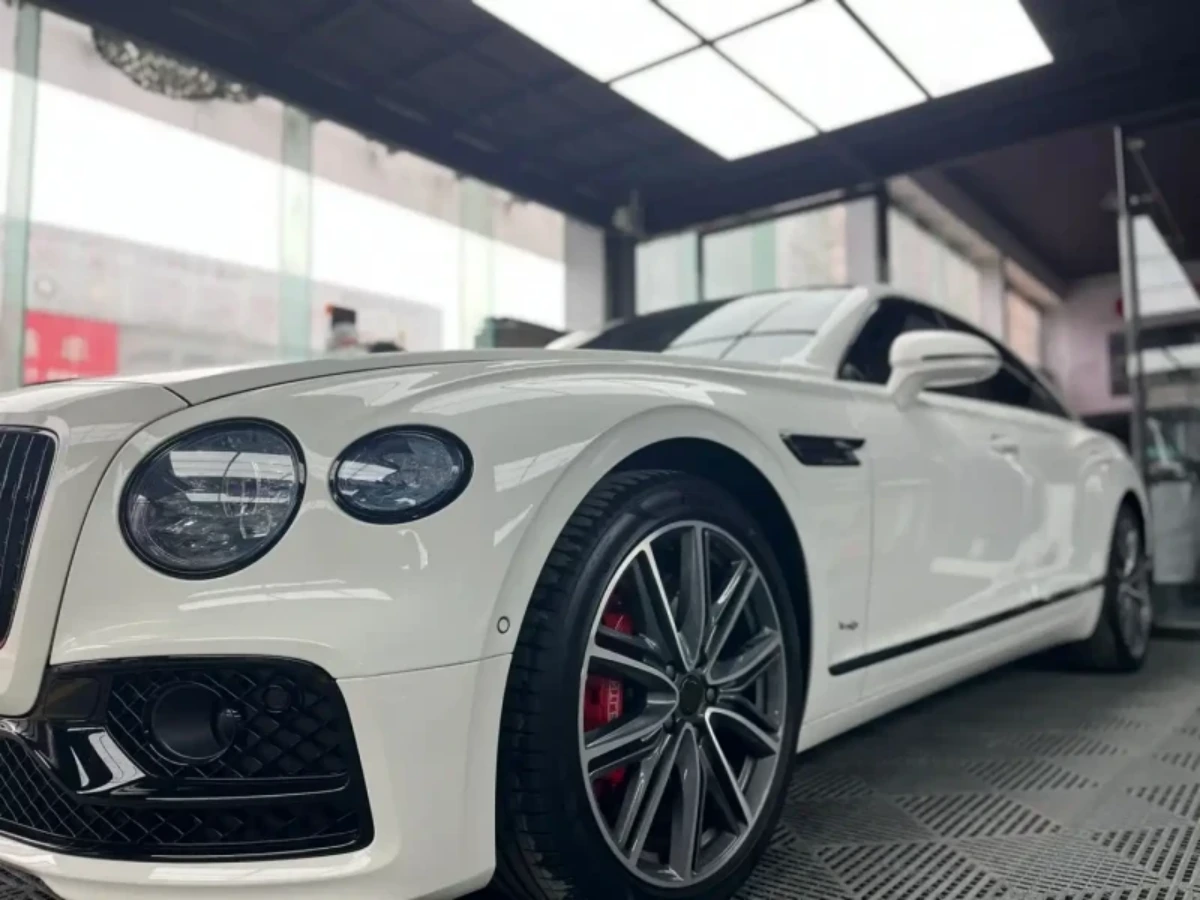
Say Goodbye to Car Scratches: Self-Healing PPF Revealed!:
- Self-healing efficiency is highest for thinner scratches, making it ideal for preventing “spider web” swirl marks.
- Soft-brush car washes leave no lasting marks, as self-healing PPF erases contact scratches within hours.
- Scratches from car covers or snow brushes vanish, making seasonal protection methods safer for paint.
- Microfiber drying scratches vanish, making DIY cleaning safer for preserving your car’s finish.
- Self-healing technology keeps PPF “invisible” over time, as scratches don’t accumulate to create a cloudy appearance.
- Morning scratches from your commute can vanish by afternoon sunlight, keeping your car looking pristine throughout the day.
- Self-healing PPF works with ceramic topcoats, combining water repellency with scratch repair for enhanced protection.
- Self-healing PPF reduces light diffraction from micro-scratches, keeping paint looking brighter and more reflective.
- Unlike rigid PVC films that crack, TPU-based self-healing PPF maintains flexibility to absorb impacts and repair the resulting damage.
The horizontal comparison of PPF with other protection methods:
- PPF vs. Fabric Protectors – Fabric protectors repel stains on interiors, while PPF defends exterior paint, with both using hydrophobic tech but on different materials.
- PPF vs. Spray-On Protective Coatings – PPF is removable and repairable, unlike permanent spray coatings that require full repaint for damage correction.
- PPF vs. Vinyl Protectants – Vinyl protectants prevent cracking in vinyl wraps but don’t shield against impacts, unlike PPF which adds scratch resistance to wrapped surfaces.
- PPF vs. Metal Polish – Metal polish restores shine to chrome/alloys but offers no protection, while PPF on metal trims prevents future scratches and tarnishing.
- PPF vs. Lacquer Sealants – Lacquer sealants provide a glossy finish but yellow quickly under UV, while PPF’s anti-yellowing formulas maintain clarity for a decade.
- PPF vs. Rust Proofing Treatments – PPF shields exterior paint from corrosion triggers (salt/sand), while rust proofing targets metal undercarriages, with complementary roles in full protection.
- PPF vs. Chrome Polish – Chrome polish removes tarnish but doesn’t prevent future damage, while PPF on chrome trims resists scratches and maintains shine long-term.
- PPF vs. Glass Coatings – Glass coatings excel on windows for clarity but don’t protect paint, whereas PPF is engineered specifically for automotive painted surfaces.
- PPF vs. Powder Coating – Powder coating provides durable metal protection but is rigid and permanent, unlike PPF’s flexible, removable barrier for painted surfaces.
The construction and maintenance of PPF:
- Humidity-Controlled Workspace – Maintaining 40–60% humidity during installation prevents rapid adhesive drying and ensures proper bonding.
- Post-Repair Curing – Allowing 24 hours after minor repairs (e.g., bubble removal) before washing to ensure adhesion.
- Soft Cloth Washing – Microfiber mitts and towels reduce friction, preventing swirl marks on the PPF surface.
- Non-Acidic Wheel Cleaner Use – Acid-free wheel cleaners prevent overspray damage to adjacent PPF panels.
- Tree Sap Removal – Using isopropyl alcohol on a microfiber cloth dissolves sap without harming PPF or paint.
- Controlled Environment Setup – Installation in dust-free, temperature-controlled (20–25°C) shops minimizes airborne particle interference.
AUTOLI(CN) PPF(Paint Protection Film) oem factory
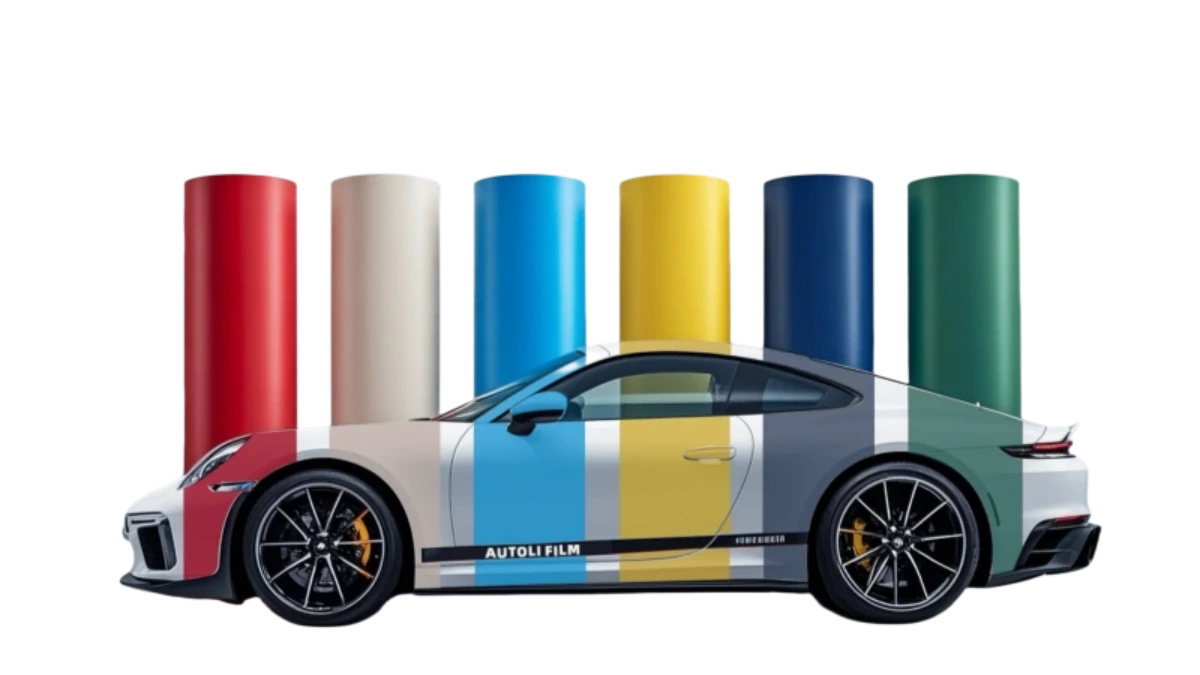
autoli TPU PPF Applied to all brand car models as Bugatti、McLaren、byd、Lexus、volvo、Nissan.Our factory cooperates with Auto Detailing Shop、PPF agent、Auto Spa、car Detail and all so in many countries and regions around the world,like Iceland,Cyprus,Holland,Portugal,Warranty: 10 years.Our advantages:Our customers are all over the world;Raw material purchasing advantage;Strict quality control system;Your Key to Profitable PPF Ventures;Collaborate for Lucrative Returns: Source factory.Our factory also provides Windshield Protection Film、Vinyl Car Wrap、carwraps、Car Wraps.