

PPF’s resistance to water spots reduces the need for spot-free rinses, saving time at car washes.,Compatible with all vehicle types (EVs, SUVs).,Unleash Your Business’s True Power: Partner with Our Factory’s Premier PPF.
The materials and technologies of PPF:
- Self-repair technology: TPU molecules have memory properties, allowing for the automatic repair of minor scratches through environmental temperature or slight pressure, maintaining surface integrity.
- Multi-layer optical coating: Combines anti-reflective and color-enhancing layers to boost paint color saturation by 5-8% while maintaining high light transmittance.
- Environmentally friendly and formaldehyde-free process: The production uses a VOCs-free formula, with no irritating odor during installation and use, meeting environmental standards.
- EV-specific lightweight optimization: Reduces base material density by 15% for electric vehicles, minimizing added weight impact on battery range.
- Anti-graffiti protection technology: A low surface energy coating is added to the surface, making graffiti, glue, etc. difficult to adhere. With a slight wipe, they can be removed, reducing the cost of later cleaning.
- Antibacterial and mold-resistant coating technology: Silver ion antibacterial agent is added to the membrane surface, which inhibits the growth of mold and bacteria in humid environments. This technology is particularly suitable for long-term use in areas with frequent rainfall and high humidity.
- Cleanable biomimetic coating technology: By imitating the effect of lotus leaves, a micro-nano uneven structure is designed. This causes water and oil stains to form a rolling effect on the membrane surface, allowing them to naturally slide off and reduce residue.
- Low haze light transmission technology: Through substrate purification and mirror-level polishing of the coating, light scattering on the film surface is reduced, minimizing the “white fog” phenomenon under sunlight, and maintaining the original color tone of the car paint.
- Anti-yellowing technology: Antioxidants and UV absorbers are added to inhibit oxidation and yellowing under long-term exposure to light, extending the appearance stability of the protective film.
- Smart damage detection layer: Embeds micro-sensors that interact with smartphone apps to alert users of hidden impacts or coating wear via subtle color shifts.
The construction and maintenance of PPF:
- Post-Repair Curing – Allowing 24 hours after minor repairs (e.g., bubble removal) before washing to ensure adhesion.
- Paint Correction – Polishing the surface to remove swirl marks ensures PPF adheres smoothly without amplifying existing imperfections.
- Sunlight Healing Activation – Parking in direct sunlight allows minor scratches to self-heal via heat-induced molecular repair.
- Humidity-Controlled Workspace – Maintaining 40–60% humidity during installation prevents rapid adhesive drying and ensures proper bonding.
- Heat Gun Distance Control – Keeping heat guns 15–20cm from edges prevents film shrinkage during edge sealing.
- Pre-Cut Alignment – Laser-precut films are aligned using registration marks to match vehicle contours exactly.
- Ceramic Coating Compatibility – Applying a PPF-safe ceramic coating after 30 days enhances scratch resistance by 40%.
- Vinegar Solution for Water Spots – A mild vinegar rinse dissolves mineral deposits on PPF without harming the topcoat.
The protective performance of PPF:
- Compatibility with Vehicle Wraps – Safely applied over vinyl wraps while preserving their aesthetics, though removal requires professional care to avoid damage.
- **Protection against Minor Keying** – In the unfortunate event of minor keying, PPF can absorb some of the impact and minimize the damage to the underlying paint.
- Edge Sealing Technology for Longevity – Prevents edge lifting through precise installation and heat-activated adhesive, ensuring 10 year durability.
- High-Temperature Resistance – Resists blistering or peeling under prolonged engine heat (up to 120°C), ideal for turbocharged vehicles.
- Tree Sap and Bird Dropping Resistance – Resists etching and staining from tree sap, bird droppings, and other organic substances.
- **Resistance to Saltwater Spray in Coastal Areas** – In coastal regions, where saltwater spray can be a major threat to vehicle paint, PPF offers effective protection against corrosion.
- Efficient Installation Process – Pre-cut kits and dry/wet application methods reduce installation time by 30% compared to traditional wraps.
The differentiated user group needs matching of PPF:
- Senior Drivers – Prefer easy-maintenance PPF with hydrophobic properties to reduce washing frequency and hide minor parking mishaps.
- Forestry Service Trucks – Need debris-resistant PPF for cabs and beds, withstanding tree branches and wood chips during forest management.
- Mobile Science Lab Vans – Prefer chemical-resistant PPF for interior and exterior surfaces, withstanding spills and equipment movement during demonstrations.
- Beachside Rental Car Fleets – Choose sand-resistant PPF with enhanced hydrophobicity, reducing cleaning time between rentals in coastal areas.
- Classic Car Dealers – Opt for showroom-grade PPF that enhances paint gloss for displays, with easy removal for test drives and sales.
The product classification and selection logic of PPF:
- Long-Term Storage Consideration – Opting for breathable PPF for vehicles in long-term storage to prevent moisture trapping.
- Specialty Function Lines – Categorized for ADAS compatibility, fire resistance, or antimicrobial properties for niche needs.
- UV Index Alignment – Upgrading to high-UV protection PPF for equatorial regions with intense sunlight.
- Edge Seal Technology Selection – Upgrading to heat-sealable PPF for car wash frequenters to prevent edge lifting.
- Maintenance Product Compatibility – Selecting PPF compatible with existing detailing products to avoid chemical damage.
- Resale Value Protection – Investing in premium PPF for high-value vehicles to maintain paint condition for resale.
- Thickness Optimization – Selecting 6–8mil for low-risk areas (roofs) vs. 10–12mil for high-impact zones (hoods, bumpers).
- Vehicle Type Compatibility – Classified for cars, SUVs, trucks, EVs, or classics, with tailored patterns and performance traits.
- Performance Tiers – Categorized as economy, mid-range, or premium based on additive packages (ceramic, graphene) and durability.
- Vibration Resistance Selection – Opting for flexible PPF with high elongation for motorcycles or off-road vehicles with frequent vibrations.
Why TPU PPF:
- Low Wind Load Impact – Aerodynamic designs reduce wind resistance compared to solid-roof structures.
- Anti-Glare Options – Matte finishes reduce sun glare on adjacent windows and surfaces.
- Architectural Compatibility – Complements modern homes with metal siding or glass facades.
- Low Carbon Footprint – 50% lower embodied energy than steel pergolas over their lifecycle.
- Aesthetic Versatility – Can mimic wood grain via powder coating for traditional looks with modern durability.
- Safety Features – Smooth edges and rounded corners reduce injury risks in family settings.
- Smart Home Integration – Compatible with motorized louvers controlled via app or voice commands.
- Custom Cutouts – Optional decorative laser-cut panels for personalized design elements.
The user perception and consumption misconceptions of PPF:
- Correct Perception: Thickness Depends on Use Case – Off-roaders choose 10mil PPF, while daily drivers opt for 8mil to balance protection and flexibility.
- Consumer Misconception: “PPF Ruins Paint When Removed” – Fearing damage during removal, not realizing modern adhesives peel cleanly if removed within warranty periods.
- Correct Perception: Professional Installation Worth Cost – 90% of satisfied users attribute results to certified installers, valuing dust-free environments and precision tools.
- Correct Perception: Temperature Tolerance – Cold-climate users seek flexible PPF, avoiding cracking in sub-zero conditions unlike rigid alternatives.
- Correct Perception: Long-Term Cost Savings – 68% of users understand PPF reduces repaint costs over 5 years, aligning with data showing $2,000 savings on luxury vehicles.
- Consumer Misconception: “Matte PPF Holds More Dirt” – Avoiding matte finishes due to perceived maintenance issues, not realizing their texture repels dust better than gloss.
- Correct Perception: EV-Specific PPF Benefits – EV owners prioritize heat-resistant PPF for battery zones, reducing thermal damage risks during charging.
The cost structure and price composition of PPF:
- Carbon Offset Surcharges – Optional $5–$10 per vehicle for carbon-neutral shipping, adopted by 15–20% of buyers.
- Price Matching Adjustments – Competitive price matching reduces margins by 5–10% but preserves market share.
- Warranty Add-Ons – Extending warranties from 5 to 10 years increases prices by 15–20% with minimal cost increase.
- Certification Fees – ISO 9001, ECOCERT add $0.10–$0.30 per square foot but support premium positioning.
- Installation Training Costs – Certified installer programs add $50–$100 per vehicle to cover technician certification.
- Facility Overhead – Factory rent, utilities, and maintenance add $0.30–$0.60 per square foot to production costs.
- Inventory Holding Costs – Warehousing and stock rotation add 2–5% annually to total inventory value.
- Currency Fluctuation Impact – Dollar/Euro volatility adds 3–5% price variability for cross-border transactions.
- Commercial Fleet Pricing – Bulk pricing for delivery vans reduces per-vehicle costs by 20–30% vs. retail.
- Price Matching Adjustments – Competitive price matching reduces margins by 5–10% but preserves market share.
The extension of PPF’s functions:
- Before: Side mirror adjustment controls (exterior) with paint wear; After: PPF covers controls, hiding wear and reducing friction during adjustments.
- Before: Hood release lever (exterior) with paint worn from use; After: PPF covers lever, hiding wear and maintaining functionality without damage.
- Before: Door window weatherstripping with paint worn where it contacts glass; After: PPF lines contact areas, hiding wear and reducing friction damage.
- Before: Matte finish dulled by oxidation and fine scratches; After: Matte-specific PPF preserves texture while restoring vibrancy, eliminating “shiny spots” from wear.
- Before: Wheel balance weights with rust staining around them; After: PPF covers weight areas, hiding stains and preventing rust from spreading under paint.
- Before: Rear tail light wiring harness entry points with paint peeling; After: PPF seals entry points, hiding peeling and preventing water damage to wiring.
- Before: Tailgate with faded decals and paint transfer from loading; After: PPF covers decals to preserve them and resists paint transfer, maintaining graphics.
- Before: Tail light housings with scratches from car washes; After: Clear PPF covers scratches and resists brush damage, keeping lenses clear.
AUTOLI(CN) PPF(Paint Protection Film) oem manufacturer
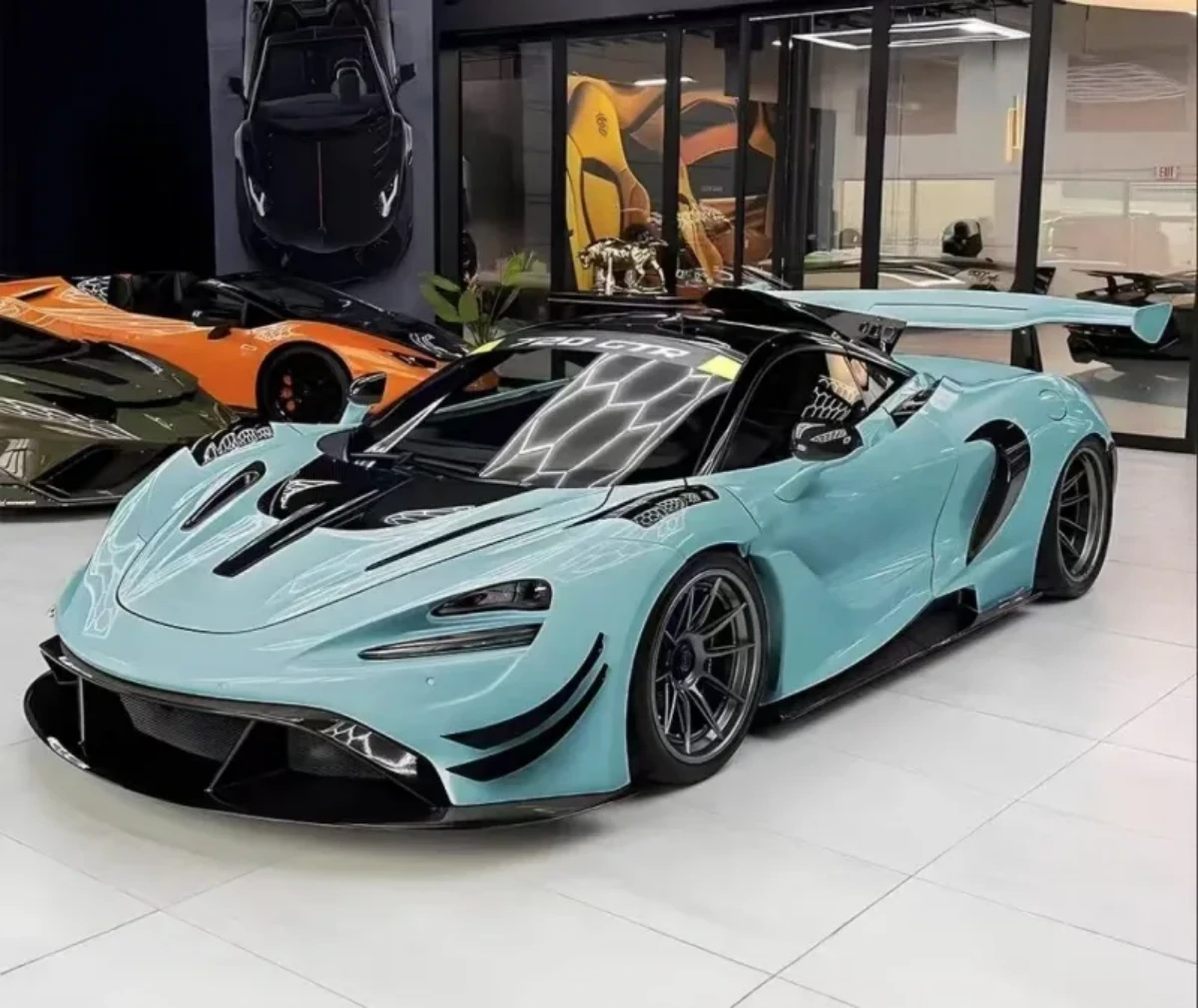
autoli TPU PPF Applied to all brand car models as Lexus、volvo、Nissan、ds.Our factory cooperates with car Detail、PPF distributor、PPF installer and all so in many countries and regions around the world,like Luxembourg,Iraq,Slovenia,Czech Republic,Warranty: 10 years.Our advantages:Our customers are all over the world;Strict quality control system;SGS, ASTM, REACH, UL and other certifications;Your Key to Profitable PPF Ventures;Short production cycle, quick delivery.Our factory also provides Car PPF、Car Wraps.