

PPF’s scratch depth reduction by 60% via “hard-soft segment” TPU structure minimizes damage from keys or accidental scrapes.,Blocks 99% UV rays to prevent paint oxidation.,Factory – Oriented Collaboration: Quality PPF, Lower Operational Costs.
The production supply chain and quality control system of PPF:
- Localization Strategies – Regional production for large markets (e.g., China, US) to reduce shipping costs and tariffs.
- Supplier Qualification – Rigorous audits of material suppliers, evaluating quality management systems and sustainability practices before approval.
- Digital Quality Records – Cloud-based storage of test results and audit reports for regulatory compliance and traceability.
- Incoming Material Inspection – 100% testing of TPU resin for melt index, density, and impurity levels before production.
- Statistical Process Control (SPC) – Real-time monitoring of extrusion parameters with control charts to maintain CpK ≥ 1.33.
- Self-Healing Efficacy – Controlled scratch tests (3μm depth) followed by heat activation to verify 95% repair rate.
- Material Traceability Systems – Blockchain-enabled tracking of TPU batches from resin production to finished PPF rolls.
- Operator Training Programs – Certification of production staff on quality standards and inspection techniques.
- High-Temperature Stability – Oven testing at 80°C for 1,000 hours to check for adhesive failure or discoloration.
- Design for Quality (DFQ) – Quality requirements integrated into new product development from concept stage.
TPU PPF VS PET PPF:
- Durability Rating – TPU PPF achieves 50,000 Taber abrasion cycles, compared to PET PPF’s 15,000-cycle rating.
- Pest Resistance – TPU PPF’s non-organic composition resists rodent chewing, while PET PPF is occasionally gnawed by pests seeking nesting materials.
- Impact Testing Standards – TPU PPF meets ASTM D3763 impact standards at 16 ft-lbs, while PET PPF fails at 8 ft-lbs.
- Warranty Claims – TPU PPF has 30% fewer warranty claims than PET PPF due to superior durability and performance consistency.
- Vibration Resistance – TPU PPF withstands vehicle vibrations without cracking, while PET PPF develops micro-cracks in high-vibration areas (e.g., engine bays).
- Thickness Options – TPU PPF ranges 6–15mil for tailored protection, whereas PET PPF is limited to 4–8mil due to brittleness at greater thicknesses.
- Lightweight Advantage – TPU PPF’s strength-to-weight ratio is 2x higher than PET PPF, allowing thinner films with equivalent protection.
- Modular Repair Compatibility – TPU PPF allows seamless patch repairs, while PET PPF patch edges are visibly distinct from original film.
Why TPU PPF:
- Powder-Coated Finishes – Polyester powder coatings provide scratch-resistant, UV-stable colors with 10 year warranties.
- Fastening Flexibility – Accepts screws, bolts, and rivets for secure accessory attachment.
- Eco-Friendly Production – Aluminum manufacturing emits 90% less CO? when using recycled materials.
- Pest-Proof Design – No gaps for rodents or insects to nest, unlike wooden structures.
- Marine-Grade Options – 6061-T6 aluminum alloys resist saltwater corrosion for coastal properties.
- Low Carbon Footprint – 50% lower embodied energy than steel pergolas over their lifecycle.
- Wind Resistance – Engineered to withstand 120 km/h winds with reinforced frame designs.
The long-term monitoring and maintenance system after the installation of PPF:
- Impact-Resistant Record Keeping – Logging maintenance dates, issues, and repairs to track performance over the warranty period.
- Low-Pressure Rinse Angles – Directing water at 45° angles to panels to avoid forcing water under edges during rinsing.
- Seasonal Yellowing Assessments – Comparing paint color with a reference sample using spectrophotometers to track ΔE values under varying UV exposure.
- Cleaning Tool Sterilization – Washing squeegees and applicators with soap and water monthly to prevent bacterial growth.
- Monthly Iron Particle Removal – Applying pH-neutral iron removers to dissolve rail dust that etches topcoats over time.
- DIY Bubble Repair Guidelines – Using a needle to puncture bubbles, then applying heat and gentle pressure with a microfiber cloth.
- Warranty Compliance Tracking – Maintaining digital records of inspections and repairs to ensure warranty claims are valid.
- Flexibility Testing – Bending small film samples (from replacements) to check for brittleness, indicating polymer degradation.
- Winter Snow Removal Guidelines – Using soft-bristle brushes and plastic scrapers with rubber edges to remove snow/ice.
Before & After: How PPF Transforms a 10-Year-Old Car:
- Before: Door panel armrests (exterior) with paint worn from leaning; After: PPF wraps armrests, covering wear and maintaining comfort without damage.
- Before: Gas cap door with faded paint from sun exposure; After: PPF’s UV protection covers fading and maintains color consistency with the rest of the car.
- Before: Rear bumper step pad with paint worn away; After: PPF adds protective layer, hiding bare spots and resisting future wear from stepping.
- Before: Door window trim with peeling black paint; After: PPF’s color-stable film covers trim, restoring uniform appearance and preventing further peeling.
- Before: Under-hood battery terminals with corrosion staining nearby; After: PPF covers surrounding area, hiding stains and protecting against acid damage.
- Before: Hood prop rod mounting point with paint worn from contact; After: PPF covers mounting area, hiding wear and reducing friction damage from prop rod.
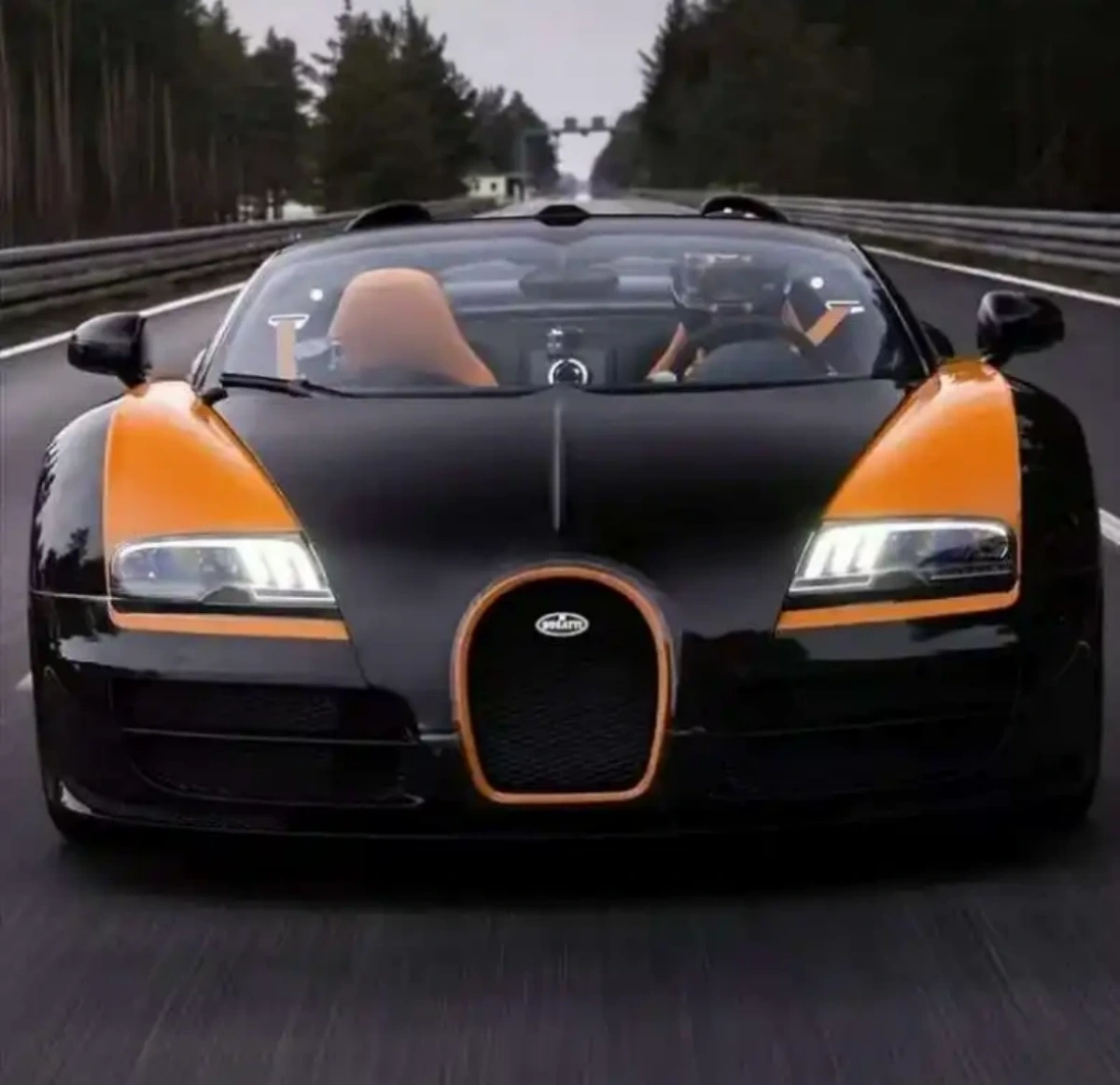
The protective performance of PPF:
- **Enhanced Chemical Barrier** – It provides an extra layer of chemical resistance, protecting against substances like gasoline spills or cleaning chemicals that might accidentally come into contact with the vehicle’s paint.
- Road Tar Stain Resistance – Hydrophobic topcoats repel sticky road tar, allowing easy removal with mild solvents.
- Brake Dust Chemical Resistance – Resists etching from iron-rich brake dust, maintaining wheel and fender clarity in high-performance vehicles.
- **Scratch Hiding Capability** – Even before self – healing occurs, PPF can hide minor scratches to some extent, maintaining the overall appearance of the vehicle’s paintwork.
- Pet Hair Abrasion Resistance – Smooth surfaces resist snagging from pet claws or fur, ideal for family vehicles.
- **Quick Drying Property** – After a vehicle wash or rain, PPF dries quickly, reducing the time that water sits on the surface and minimizing the risk of water spots.
The product classification and selection logic of PPF:
- Adhesive Type Classification – Classified by adhesive technology (air-release, low-tack, permanent) affecting installation and removability.
- Installation Environment Adaptation – Selecting low-temperature curing PPF for professional shops without climate control.
- Color Stability Prioritization – Selecting tinted PPF with fade-resistant pigments for color-enhancing applications.
- Installation Time Consideration – Selecting pre-cut kits to reduce professional installation time for fleet vehicles.
- Fleet Uniformity Selection – Choosing consistent PPF formulations for commercial fleets to simplify maintenance and appearance.
- Wear Pattern Prediction – Selecting thicker PPF for historically high-wear areas based on vehicle model data.
- Eco-Friendly Segmentation – Grouped as petroleum-based, bio-based, or recyclable PPF to align with sustainability priorities.
- Maintenance Product Compatibility – Selecting PPF compatible with existing detailing products to avoid chemical damage.
- Bulk vs. Pre-Cut Decision – Choosing bulk rolls for professional installers vs. pre-cut kits for consistent DIY results.
The environmental protection and sustainability of PPF:
- Waterless Cleaning Compatibility – PPF works with waterless wash sprays, saving 100 gallons per cleaning session versus traditional washing.
- Environmental Product Declarations (EPDs) – Public EPDs disclose carbon footprint and resource use, enabling informed consumer choices.
- WEEE Directive Compliance – PPF recycling aligns with EU WEEE standards, ensuring proper disposal of polymer waste to prevent soil contamination.
- Low-Offgassing Adhesives – Adhesives emitting <0.1mg/m3 of VOCs meet indoor air quality standards, reducing health risks during installation.
- 30% Recycled TPU Blends – Films incorporating recycled TPU reduce virgin plastic use, with mechanical properties matching 100% virgin materials.
- Reduced Cleaning Chemicals – Hydrophobic PPF reduces washing frequency by 50%, cutting water usage and detergent runoff into waterways.
- Reduced Touch-Up Paint Use – PPF prevents 80% of minor scratches, eliminating the need for toxic touch-up paint applications.
- Renewable Raw Materials – TPU derived from castor oil or sugarcane reduces reliance on petroleum, with 30% lower carbon footprint than conventional TPU.
- Zero-Waste Manufacturing – Scrap PPF is recycled into production pellets, achieving 95% material utilization in closed-loop systems.
- Solvent-Free Adhesives – Water-based adhesives eliminate VOC emissions during production and installation, meeting EU REACH and California CARB standards.
The construction and maintenance of PPF:
- Tapered Overlap Seams – Feathered edge overlaps (≤0.5mm) create invisible, water-resistant seams between panel sections.
- Post-Installation Gassing Period – Allowing 24–48 hours for water evaporation prevents bubbles from forming post-installation.
- Annual Professional Inspection – Certified installers check for hidden damage, edge wear, or topcoat degradation.
- Silicone-Free Cleaners – Avoiding silicone-based products prevents glossy residue that attracts dust to PPF surfaces.
- Adhesive Priming – Using tack promoters on low-energy surfaces (e.g., plastic trim) enhances adhesion in challenging areas.
- UV-Protection Boosters – Applying UV-resistant sprays in high-sun regions extends anti-yellowing performance.
- Tool Sterilization – Cleaning squeegees and blades with isopropyl alcohol avoids cross-contamination of adhesives.
- Citrus-Based Degreasers – Petroleum-free, citrus cleaners remove oil stains without breaking down PPF adhesives.
AUTOLI(CN) PPF(Paint Protection Film) manufacturer
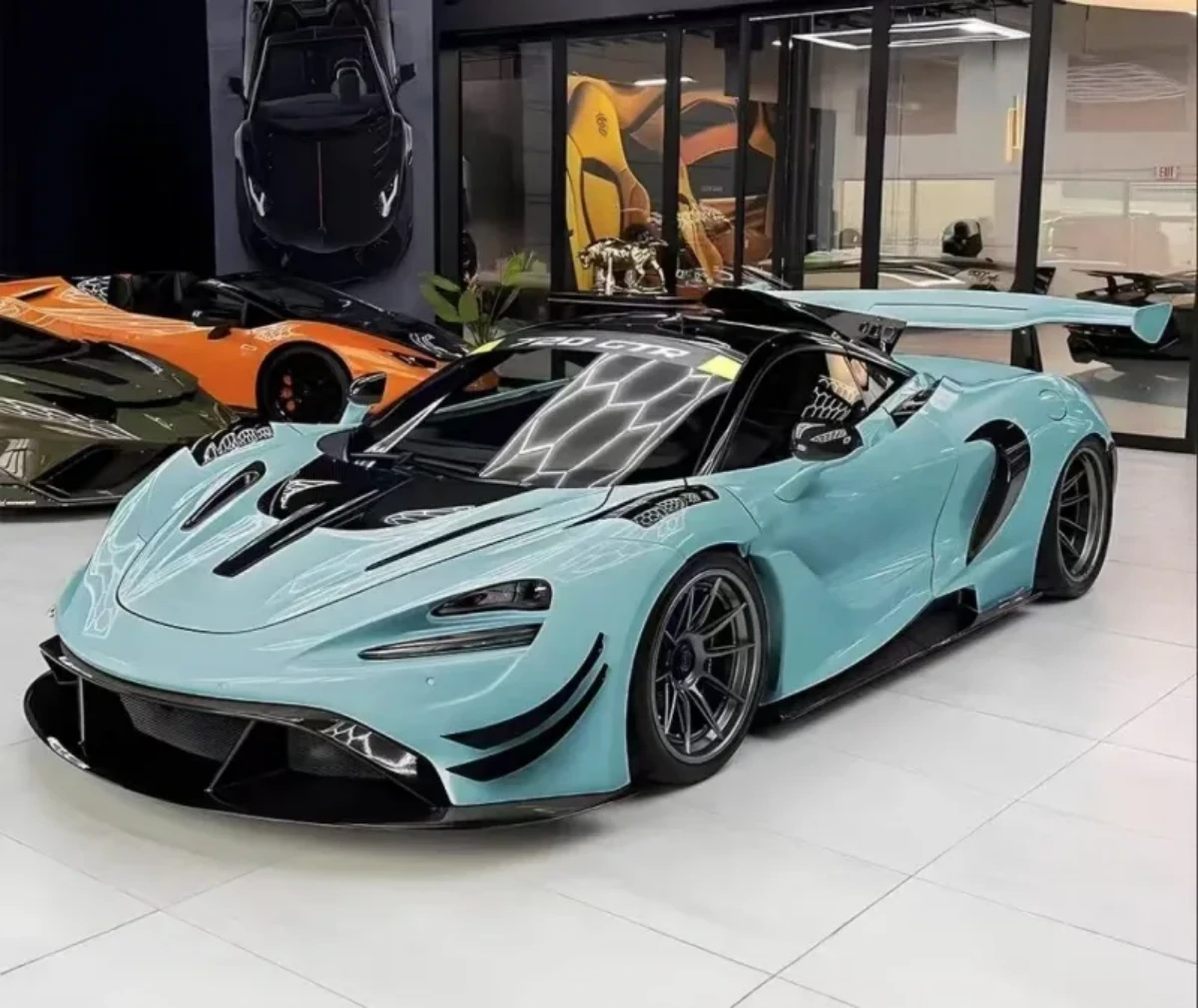
autoli TPU PPF Applied to all brand car models as mini、Ferrari、bmw、Maserati.Our factory cooperates with PPF installer、car Detail、PPF wholesaler、Auto Detailing service and all so in many countries and regions around the world,like Iraq,United States,Sudan,SouthAfrica,Madagascar,Warranty: 10 years.Our advantages:Raw material purchasing advantage;Efficient production reduces costs;High quality raw materials and advanced technology;Large stock of styles for you to choose from.Our factory also provides car film、car vinyl wrap.